
Question answered
Anthracite grey or black fascias: worth it?
The short answer
Anthracite grey or black fascias are worth it if they suit your windows and roof, and you accept more visible salt and dust than on white. Anthracite is softer and shows less than pure black. In a conservation area, a listed building or a street with an Article 4 direction, speak to the planners before you change the look of the roofline. Colour is a choice; permission is a question for the council.
Dark fascias suit many modern windows and slate roofs, but they behave differently from white boards in sea air and carry planning questions in some streets. Here is how to decide.
The colours people choose and what each does
White is still the plain default and forgives dirt best. Cream and ivory suit older brickwork and painted render. Woodgrain finishes such as golden oak or rosewood imitate timber and sit comfortably on cottages. Anthracite grey and black are the darker choices, usually picked to echo grey window frames, a slate roof or a modern front door.
Dark boards make a strong outline against the sky and can make a plain house look crisper. They can also feel heavy on a small bungalow or where the roof is a pale tile, so it helps to stand across the road and picture the house with a dark band round it.
Colour is mostly a matter of taste, but it should follow what already exists. Matching the new gutters, downpipes and soffits to the fascia gives a clean line, and mixing three shades usually looks accidental.
Anthracite against black
Anthracite is a dark grey with a slight lift to it, while black is flat and deep. Anthracite shows fewer scuffs, dust marks and rain streaks, and it blends with most modern window finishes. Black gives the sharpest contrast and suits white render, but it shows every smear of pollen, white salt bloom and sun fade more readily.
Finish matters as much as shade. A matt or woodgrain-textured finish hides marks better than gloss, but it also collects grime in its pores. Smooth gloss wipes clean with a cloth. For a fascia that faces the sun all afternoon, ask how the colour is applied to the board, since a laminated finish can look different from a solid-colour board when scratched.
If you already have white boards in good condition, painting is another route, though paint on plastic must be a type made for it. A full renewal also lets you deal with the timber behind, which is covered in our note on how long replacement takes.
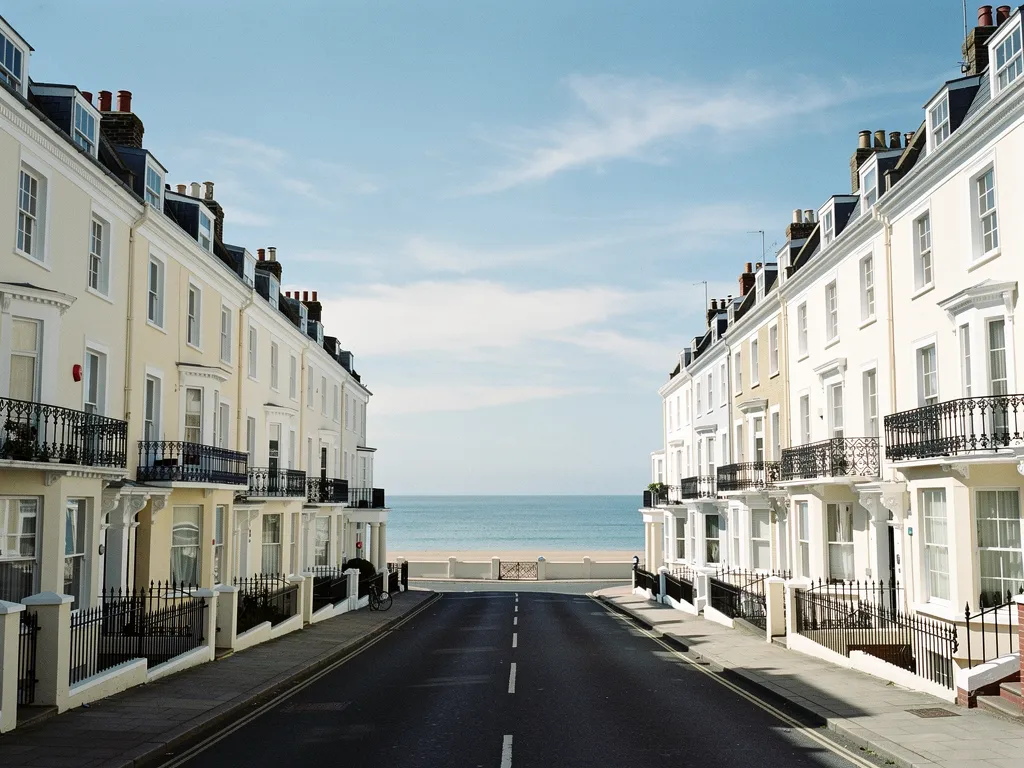
Salt, dust and the sea-facing elevation
HomeBuilding notes that in marine environments soffits and fascias attract salty deposits that rain does not reach to wash away. On dark boards that bloom reads as a pale haze, and it is more obvious than on white. The same goes for pollen and the grey film of road dust in a built-up street.
A routine of washing with clean water and a soft cloth, a couple of times a year, keeps the colour even. Skip scouring pads and harsh cleaners, which dull the surface. Our page on salt air and the roofline goes through the products and fixings that cope best.
If you do not want the extra cleaning, a mid-grey, a woodgrain finish or white will look better for longer. A dark board suits a household that is happy to wipe it down and enjoys the result.
Protected streets and what the council decides
In many streets you can choose the colour of boards when you replace them, but the rules tighten in protected places. On a listed building, work that does not use matching materials can need listed building consent, so confirm before you order anything different from what is there.
Some local Article 4 directions take away normal permitted development rights. The Article 4 directions in Old Shoreham and Kingston Buci withdraw the right to alter roofs, roof coverings included, on frontages that face a highway. They also withdraw the right to rebuild or change a chimney. The Warwick Gardens direction in Worthing withdraws the right to paint any wall or roof facing the highway or open space. The councils' website lists every direction.
For the answer on your own street, ask the planners at Adur & Worthing before settling on a colour, or the South Downs National Park Authority where your home stands within the Park boundary. We can supply photographs of your roofline to go with the enquiry. The wider gutters, soffits and fascias hub covers the rest of the roofline.
Matching the rest of the house
Think about the colour of the windows, the front door and the roof covering before you choose, then work inwards. A grey slate roof with anthracite boards and grey gutters can look unified, whereas a rust-red tile with black fascias makes a hard edge.
It is worth keeping the lifespan in mind too, since a replacement colour should be one you will still like for years. How long gutters last explains what usually wears first, and the shorter answer is that a fresh fascia is a good time to renew the gutter, because the two are fixed together. Look at the mouldy soffits page too if the undersides are green, as new boards should not be fixed over a damp, unventilated soffit.
Dark boards on the Worthing seafront
Do dark fascias get hotter and warp in the sun?
Dark surfaces take up more heat, so a poorly made thin board is more likely to bow on a south-facing elevation. A thicker, well-fixed board with proper expansion gaps copes far better. Ask about thickness and how the joints are made before choosing a dark colour.
Can I mix anthracite fascias with white soffits?
Yes, and it is a common pairing, since the soffit sits out of sight above eye level and white reflects light under the eaves. The gutters should usually follow the fascia colour so the roofline reads as one line from the street.
Tell us about your roof
Describe what is happening and we will call you back to arrange a visit.
- Photographs of what we find
- A written quote with one total price
- Or call 01903 299063
10-year workmanship guarantee, in writing.