
Chapter one
Reading Flemish tile, slate and concrete on one street
A Shoreham street can hold several centuries of roof covering, and each kind fails in its own way.
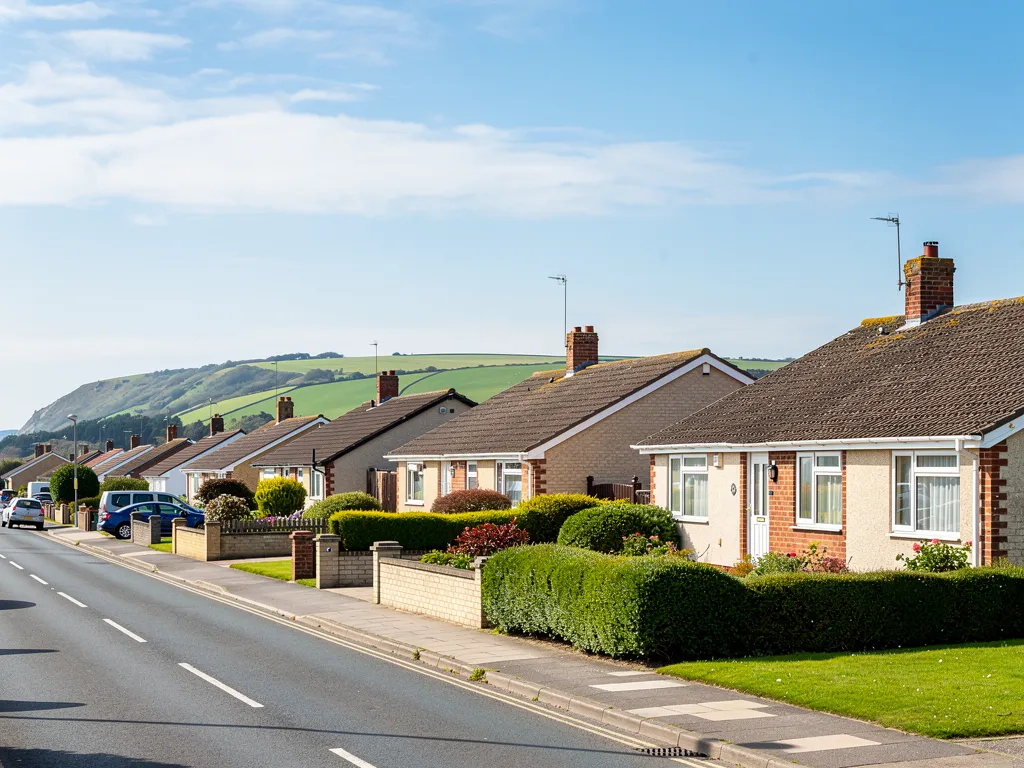
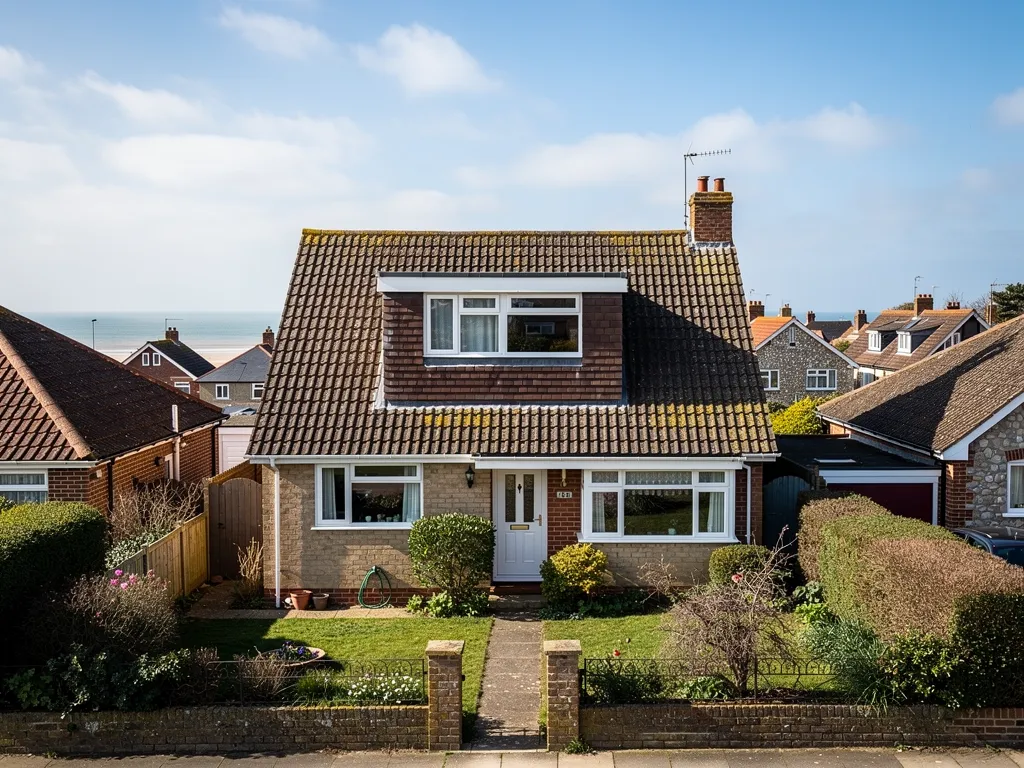
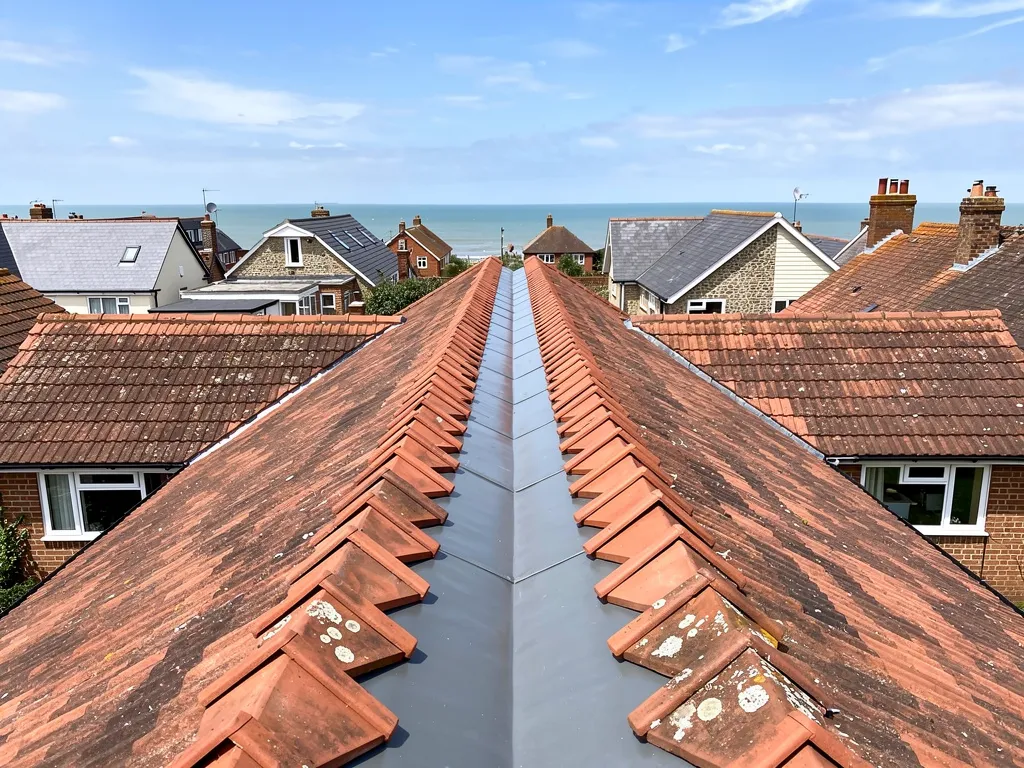
Shoreham-by-Sea has been a port for a very long time, and its roofs show it. Adur District Council's conservation area appraisal records that the earliest roofing tiles here were Flemish, shipped from Holland through the harbour, and it points to North Cottage on North Street, Grade II, as an excellent survivor. Slate came later. The appraisal says it became common in the areas near the railway, carried in by train from Wales, and that many buildings still keep their original slate roofs. Today it names interlocking concrete tiles of the Redland 49 type as the most typical covering across the conservation area, with Church Street the most intact street for original coverings.
At a glance
- Flemish tiles came from Holland through the port
- Slate arrived by train from Wales
- Redland 49 is the typical covering in the conservation area
1.1 Three coverings, three ways to fail
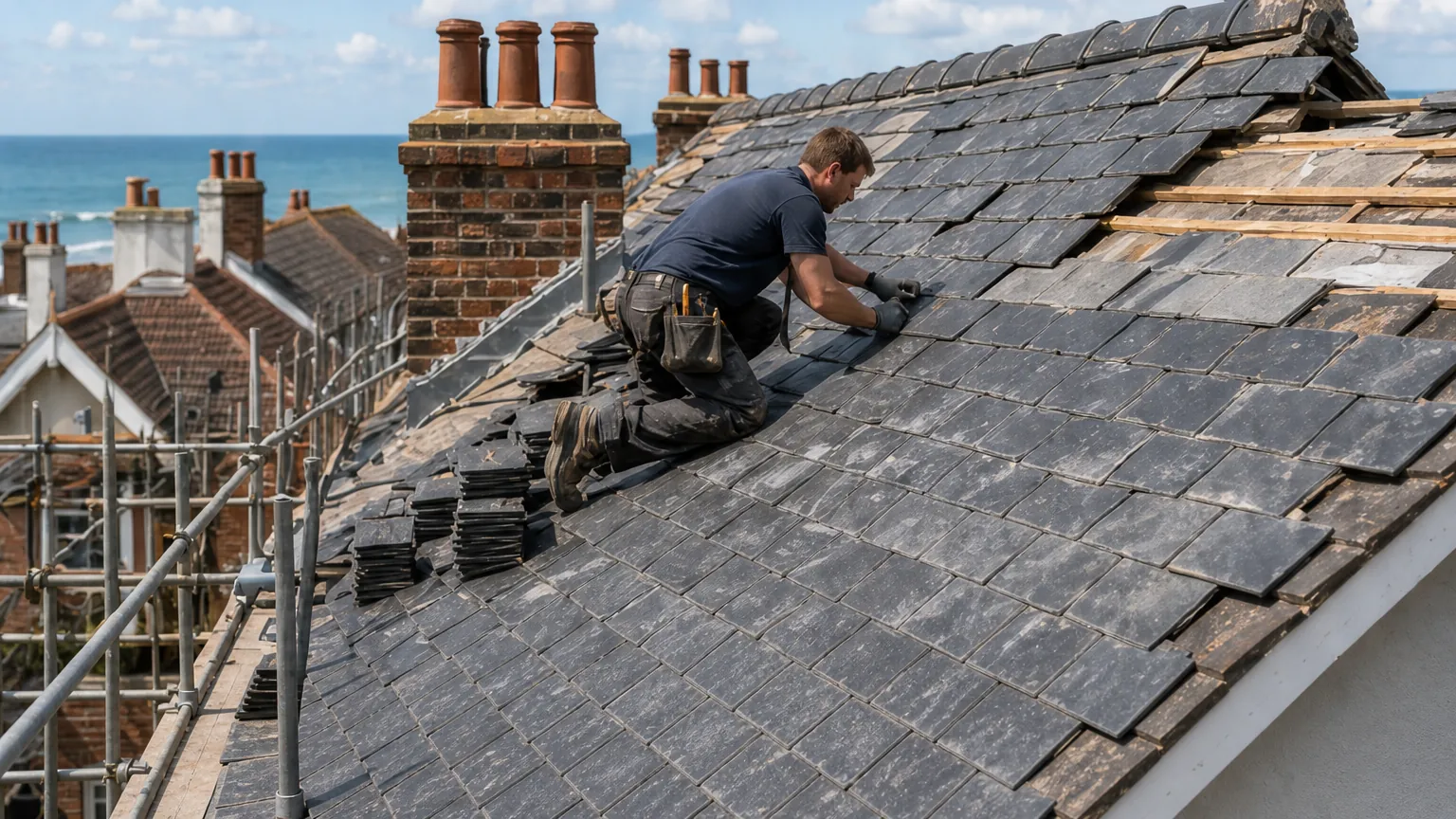
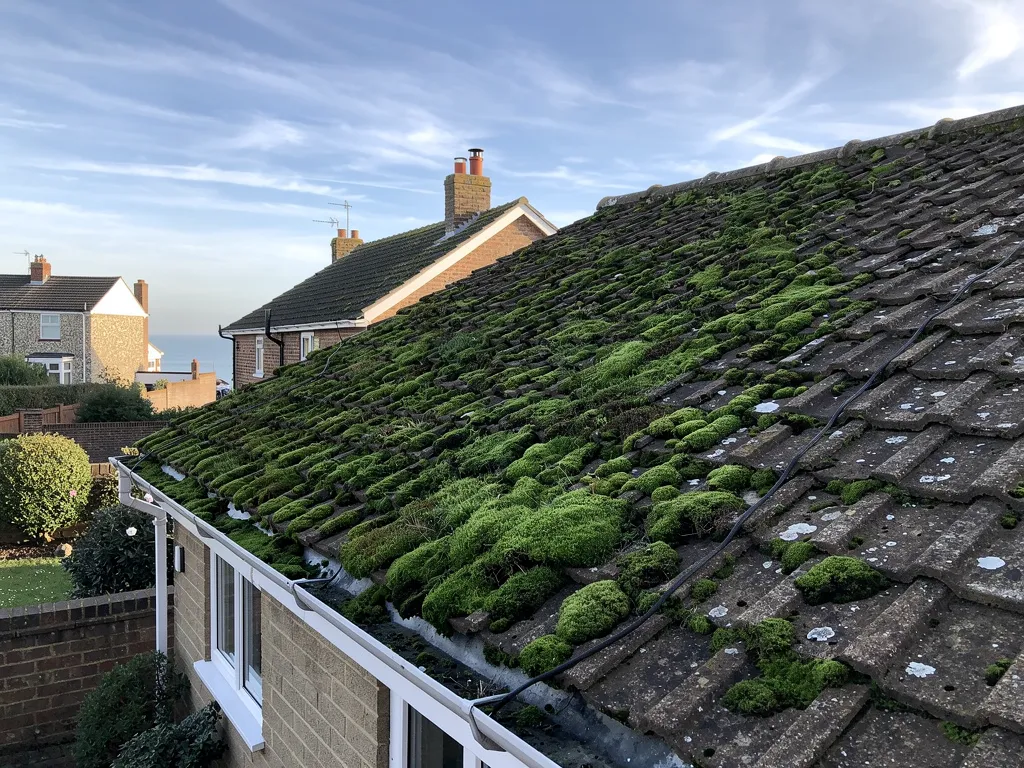
An old clay tile usually fails through its fixings and its bed rather than through the clay. The nails rust, the battens behind it rot, and a tile that looks perfectly sound slides out when a gale gets underneath. The Building Conservation Directory says the 60-year life usually given to clay cannot be relied on for historic peg-tile roofs, so on an old roof we judge by condition, not by date. Slate behaves differently. MyBuilder says a well-laid slate roof can last 80 to 100 years or more, but the nails holding it tend to give up first, and the slates then slip one at a time. Concrete tiles are put at 30 to 50 years by MyBuilder and around 60 by Marley, and neither figure is a guarantee. In each case the first task is finding where the water really enters, because a damp patch indoors seldom sits beneath the actual fault. Moss is part of many of these roofs, and MyBuilder cautions that blasting delicate tiles with a pressure washer risks harming them, so on old clay and slate we prefer to scrape it off by hand.
1.2 Repair or re-roof
Where slipped slates are scattered across an otherwise sound roof, the answer is usually to re-fix them on new nails or clips and replace the broken ones, matching size and colour. Where the nails are failing on every slope, patching only postpones the re-roof. A natural slate re-roof runs at £100 to £180 per m² in MyBuilder's typical UK range. Photographs of your own roof come before any quote. Where a smaller job fixes the fault for good we recommend it, and where it will not we put that to you plainly. Our slate roofing page explains relaying and replacement in more depth.
Typical UK costs for common repairs
- Ridge or hip tiles repointed£200 to £400
- Moderate roof repair£500 to £1,000
- Storm damage fixes£500 to £1,500
- Chimney repointing£500 to £2,000
You receive one written sum for the whole job once we have surveyed the roof. Source: MyBuilder roof repair, slate roof and chimney repair price guides, updated 21/08/2026.