


Chapter one
Moss, lichen and algae: what is growing up there
Three different growths settle on a roof, and each holds water, shades the surface or blocks drainage in its own way.
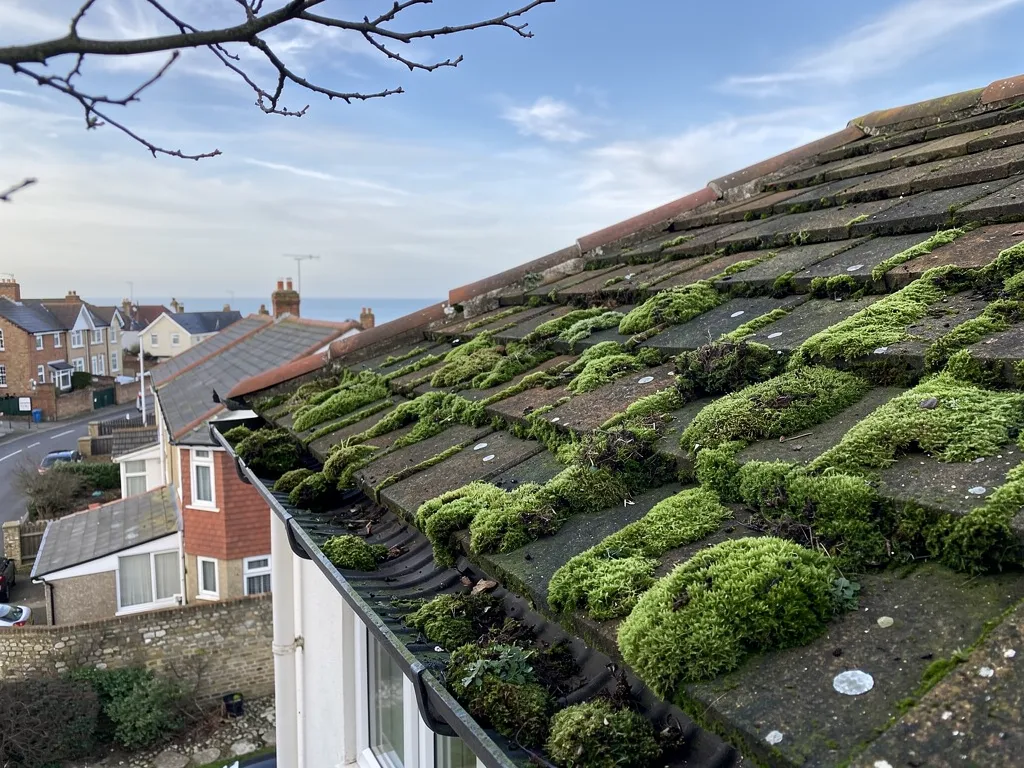
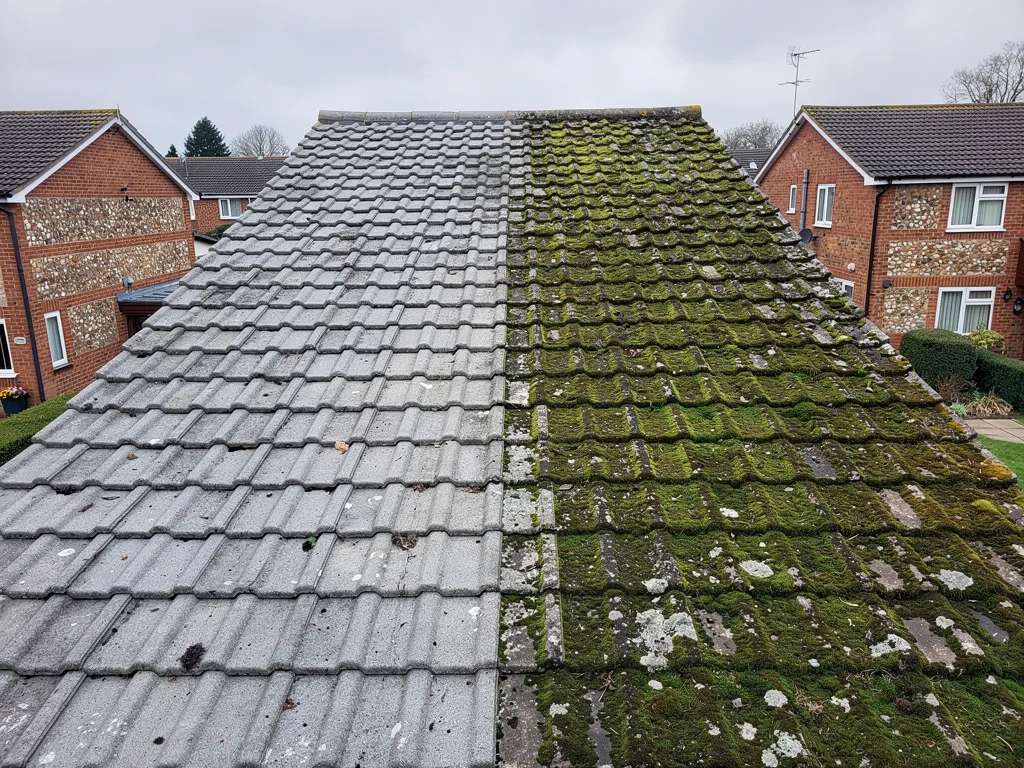
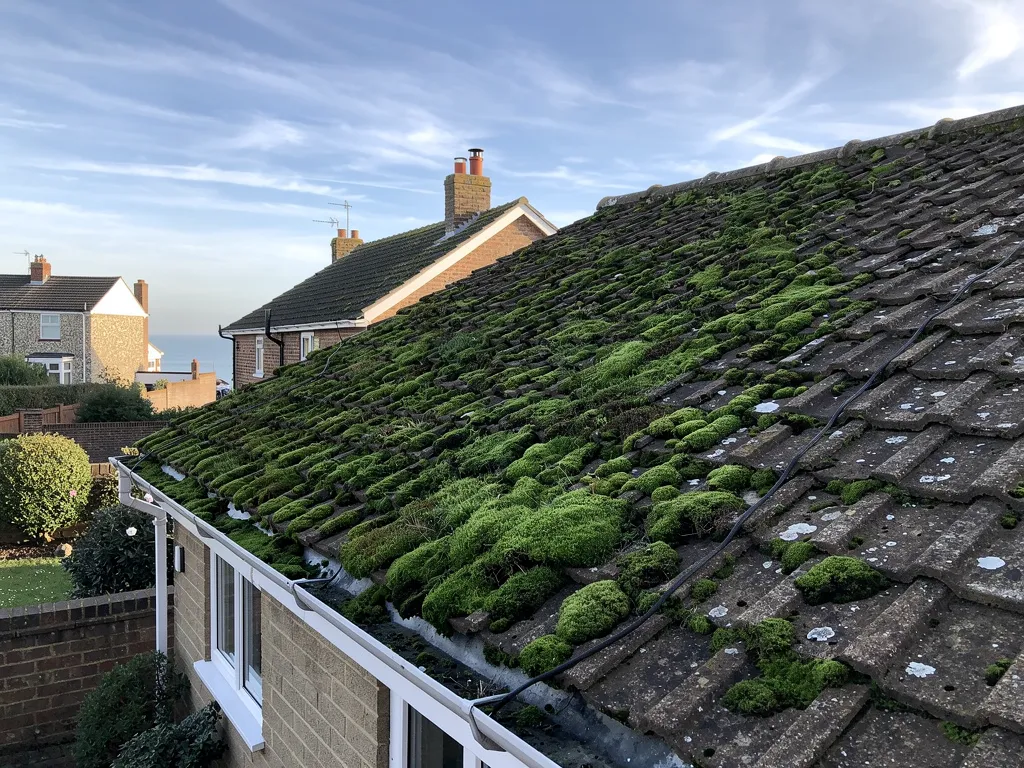
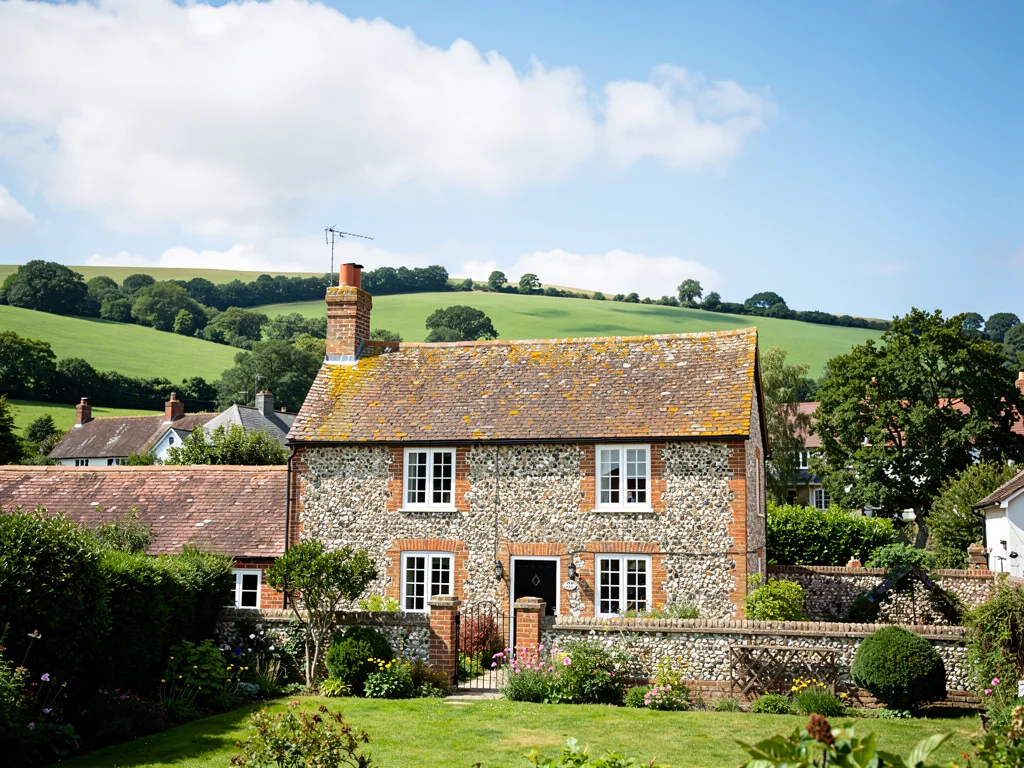
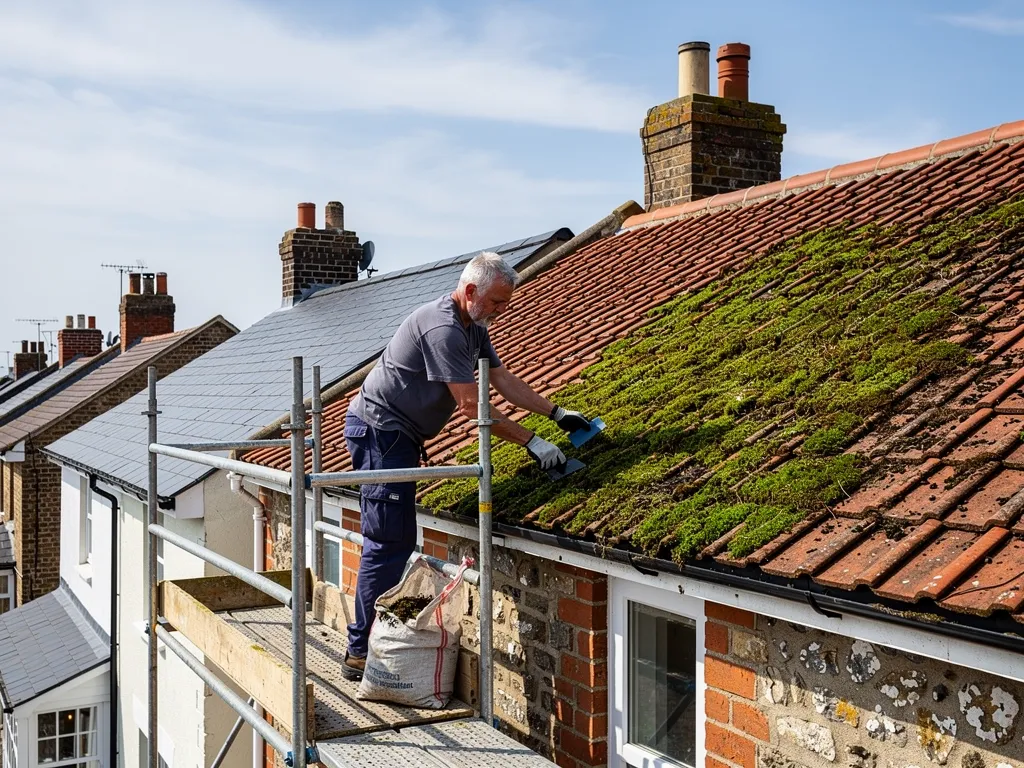
Moss is the growth you notice first: green or brown cushions that gather along the lower courses of a tiled roof and in the joints between slates. Lichen is different. It is a flat grey, white or orange crust that grips the surface of a tile and spreads slowly. Algae is the thinnest of the three, a dark film that shows from the road as black streaks running down a slope. A roof can carry all three at once, and the one you can see from the garden is rarely the only one.
At a glance
- Moss holds water against the covering
- Algae shows as black streaks down the slope
- Debris in valleys and gutters feeds regrowth
Note Checkatrade's September 2026 guide gives a slate roof anything from 50 to 200 years, with most easily passing 100.
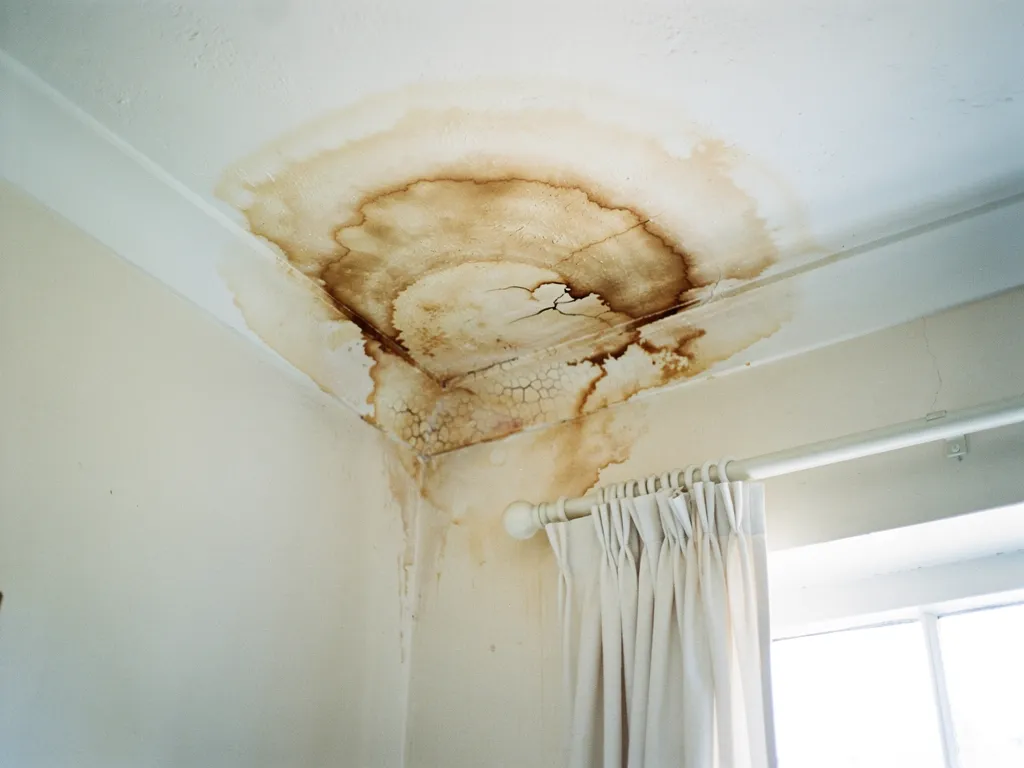
Each does its own kind of harm, and none of it is dramatic on a single wet afternoon. Roof moss soaks up rain like a sponge and keeps the tile beneath it damp long after the sky has cleared, which gives frost something to work on through the winter. Lichen roots into the face of concrete and clay tiles. Algae mostly spoils the look of a roof, though a streaked slope tells you the surface stays wet. The wider trouble is where it all ends up. Dead moss dries, crumbles and washes downhill into the valleys and the gutters.
1.1 Why a Worthing roof grows it
Moss needs damp, shade and something to hold on to. A north-facing slope that stays in shade all day, a roof under a sycamore or a neighbour's conifer, a shaded rear extension and a low pitch where water lingers all give it a start. Rough, ageing concrete tiles give more grip than smooth new ones. The damp winters on this coast keep a sheltered slope wet for long stretches, and those sheltered slopes are the first to turn green. Our answer on whether moss damages roof tiles goes through the damage in more detail.
1.2 What it does to valleys and gutters
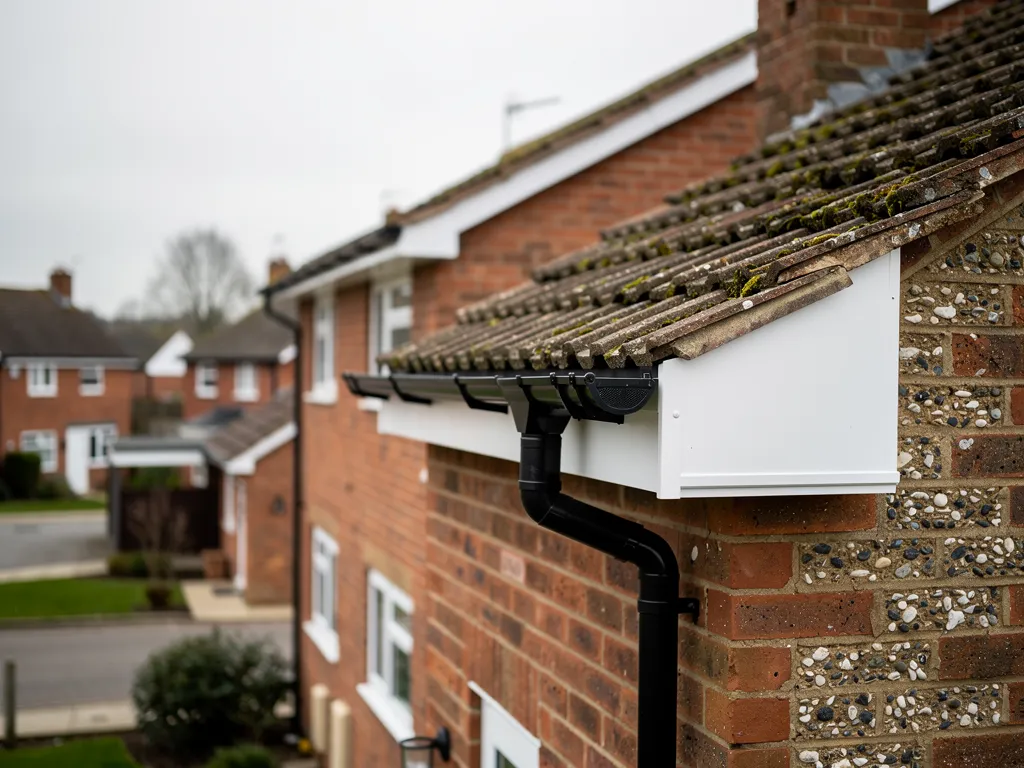
A valley is where two slopes meet at an inside angle, and the rain from both runs down it together. Moss and leaf mould packed into it make the water back up and spill sideways under the tiles at the edges, so the leak shows up somewhere unexpected. Gutters fill the same way, overflow behind the fascia and can leave a green stain down the wall. Taking the moss off the slope and leaving the valley and gutters full only moves the problem a few feet down, and the first heavy shower washes the loosened debris straight into them.
What people sayA green roof is only an eyesore, so moss can wait.
What is trueMoss holds water against the covering and sheds into valleys and gutters, so leaving it can turn a cosmetic job into a drainage one.
Moss does its harm in the gutters and valleys as much as on the tile.
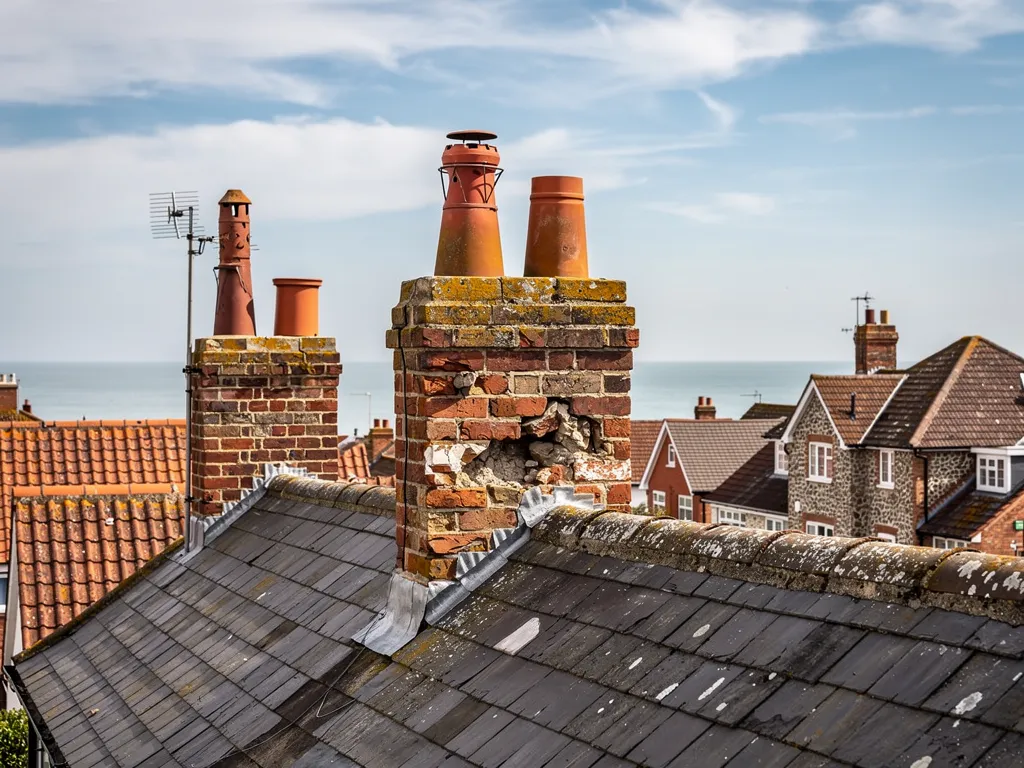
Lichen grows slowly, and on an old tile its roots can be holding a worn surface together. We look before we clean. If the surface is sound, we clean it; if it is already flaking, you hear that from us and the method changes, or a repair comes first. Anyone comparing moss removal Worthing firms should expect that look to come before a price. Photographs of the covering, the valleys and the gutters go with the written quote, so you see what we saw from the ladder.