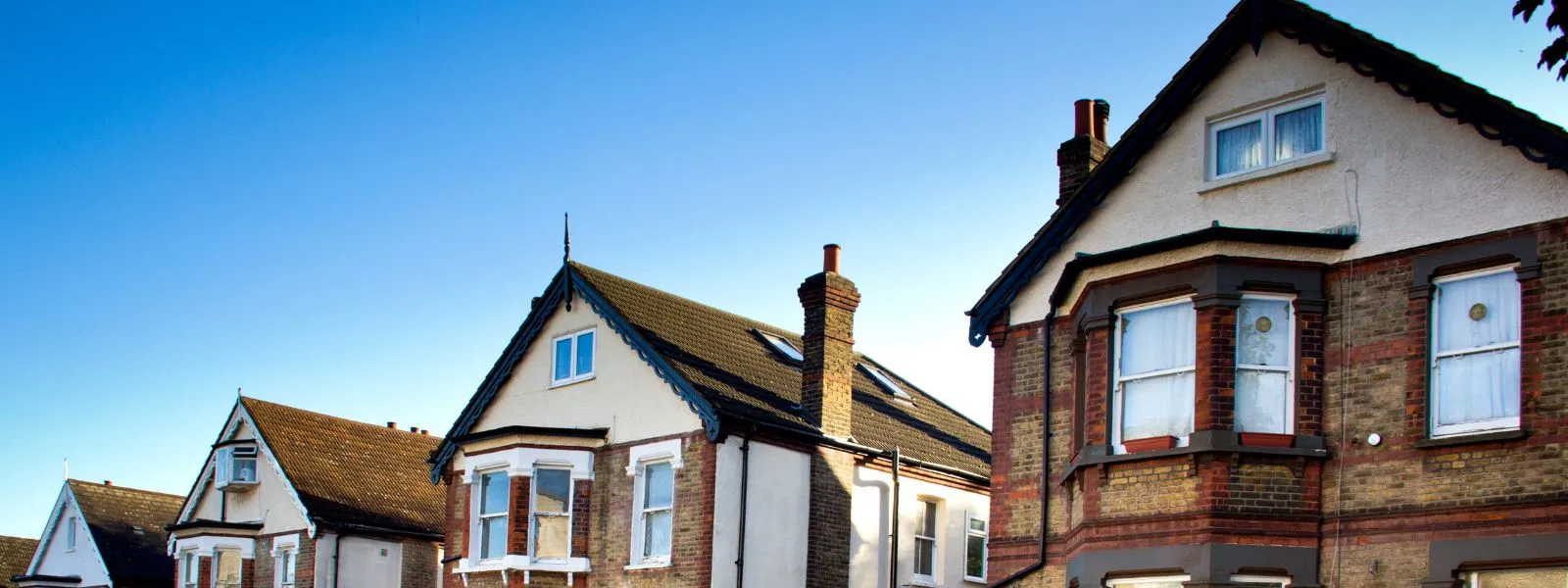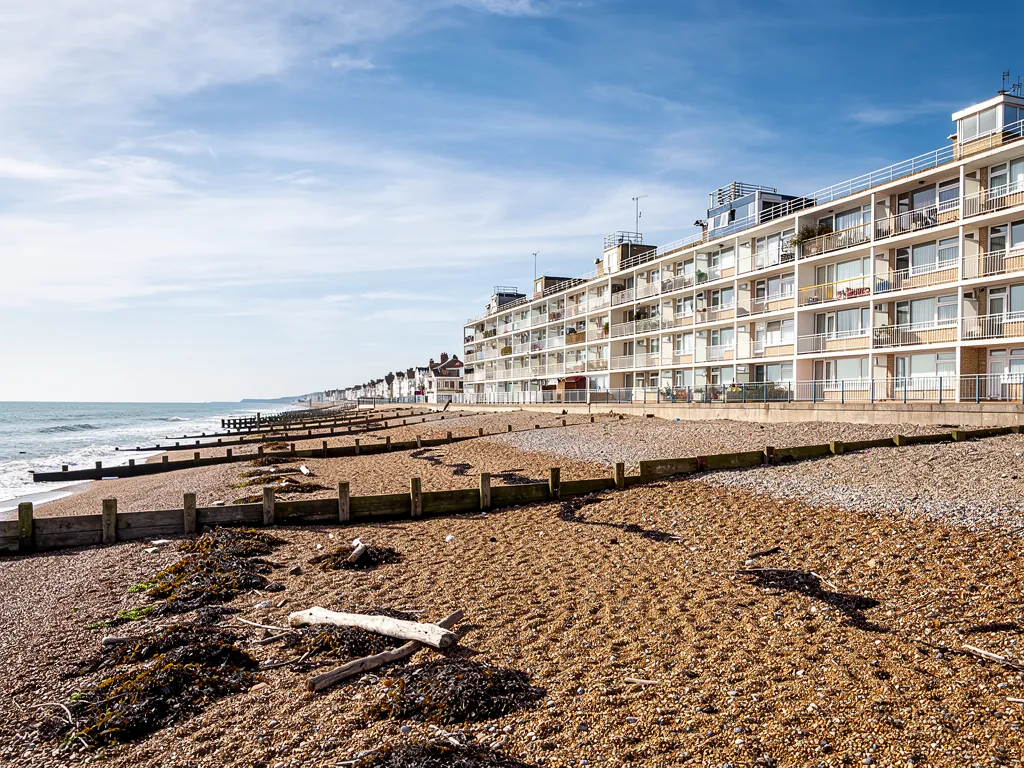
Pressure washing a roof looks like the obvious answer to a green, streaky slope. The jet is loud, the moss disappears in seconds and the tiles come up in their original colour. It is also the cheapest-looking and fastest way to do the job, which is exactly why some firms favour it.
The trouble starts after the water has gone. MyBuilder's roof cleaning price guide flags a risk to delicate tiles from a powerful jet, and that matches what roofers see on the ground: worn surfaces, chipped edges, damp lofts and moss that returns within a season. A roof is built to shed rain falling from above and running downhill. A jet fired up the slope does something the roof was never designed to cope with.
That does not mean every jet is ruinous, or that a roof can never meet water under pressure. It means the roof covering, the angle, the pressure and the operator all matter a great deal, and the risk is higher than people expect. This guide explains what goes wrong on each kind of covering, why a freshly jetted roof can look good and still be damaged, and which gentler methods do the work with less risk. If you want the full list of options side by side, see our guide to roof cleaning methods.
What a jet does to the face of a tile
Roof tiles are not uniform, and the surface does more work than it appears to. On concrete tiles, the top layer is a thin coating, often a cement-rich skin with a colour, that gives the tile its shade and its resistance to weather. A hard jet can wear into that skin. Once it thins, the tile below is more porous. It soaks up more water, holds on to moisture for longer and offers moss a better foothold than it had before.
Clay tiles are tougher in some respects and more fragile in others. A modern, well-fired clay tile can stand more than a concrete one, but old handmade plain tiles, especially those on the older terraces and farm buildings inland, are often soft, uneven and flaky at the edges. They chip, they lose the nib that hangs them to the batten, and their glaze, where there is one, can lift.
Natural slate is hard but brittle. Its weakness is its edges and the thin layers it splits into. A narrow, powerful jet directed at the lower edge of a slate can lift a sliver from the face, and a slate that was already cracked beneath the moss can break outright.
The pattern is the same for all three: a jet is a cutting tool as much as a cleaning one. What is removed with the moss may be the tile's own surface, and that damage does not show as a hole. It shows later, as a roof that stays wet, greens faster and ages sooner than its neighbour that was never jetted.
The shine that deceives
A freshly blasted tile can look wonderful. Pale clean faces and a new colour tempt people to think the job was done well. But the brightness is partly the sign of a surface that has been scoured, and weeks later the weather shows the truth.
Where the water goes once it is under the tiles
A tiled or slated roof is a lapped system. Each tile overlaps the one below, and the whole depends on water running downwards across those laps. A jet aimed up the slope does the opposite. It drives water upward and sideways through the joints between tiles, and some of it will get beneath them.
Under the tiles lies the underlay, a membrane laid over the rafters, and under that the loft. Underlay is designed to handle the odd drip that gets past a tile, not a sustained spray from the side. If the underlay is old, torn or never fitted, which is true of many older houses, the water reaches the timbers and the insulation. Damp patches follow, sometimes on the ceiling below and sometimes only in the roof space where nobody looks.
Other parts of the roof are more fragile still. Ridge and hip tiles are bedded in mortar or fixed with clips, and a jet can break up old mortar or shift a loose ridge tile. Lead flashings around a chimney can be bent or lifted. Mortar fillets, the sloped mortar bands used instead of lead where a slope meets brickwork, may be washed out. Roof windows and their flashings are another weak point.
The same goes for pointing along the verge, the sloping side edge of a gabled house. A jet that takes out the bedding there leaves the end tiles loose, which matters on an exposed coastal roof where gales push hard on verges.
None of this can be seen from the ground at the time. That is why damage from a jet is often discovered months later, when a brown mark opens up on a ceiling that was clean the winter before.
Why moss returns faster after a jet
People are often told that a roof cleaned with a jet will stay clear for years. In practice the opposite is common, and the reasons are straightforward.
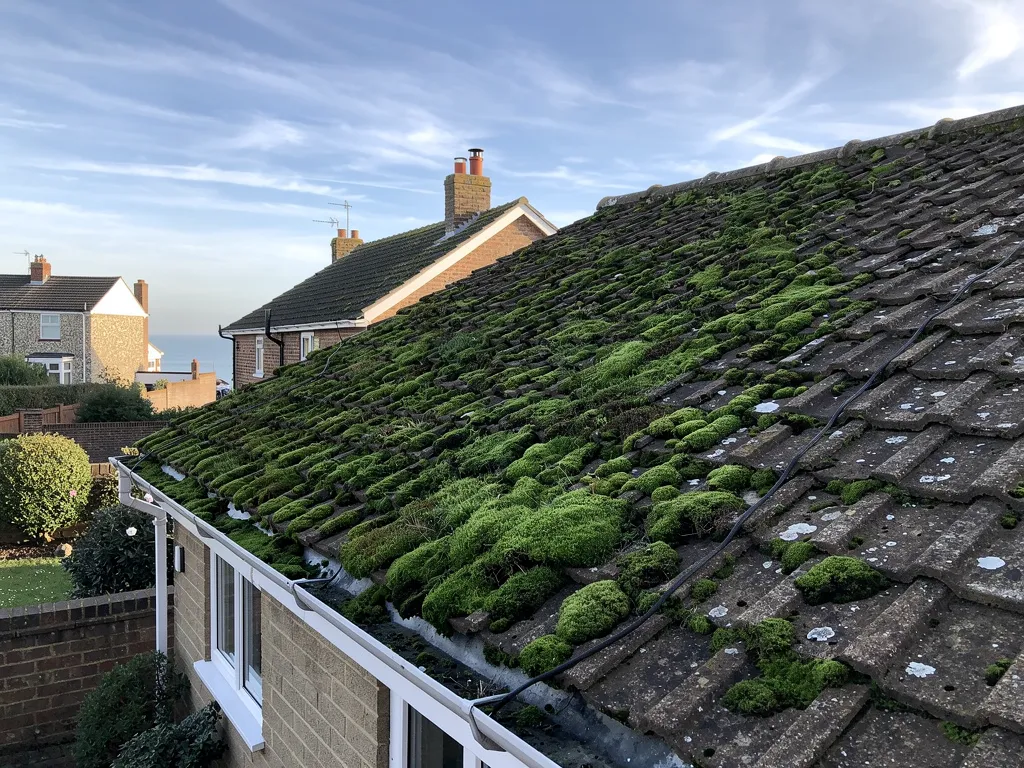
Moss grows from spores and from tiny fragments. It takes hold where the surface is rough, damp and shaded, and a tile with its smooth skin worn away is rougher and wetter than before. A jet also tends to drive fragments into pores and crevices instead of lifting them out cleanly, leaving a seed bank behind. The surface is damp, opened up and seeded in one pass.
Nothing in a jet wash kills what remains, either. Water alone does not poison the roots, the hidden threads of moss and the film of algae and lichen in the pores of the tile. They are left alive, with the benefit of a good soaking. A treatment applied afterwards changes that, which is why a clean followed by a biocide lasts better. Our guide to biocide roof treatments sets out how that works.
Shade and trees matter more than the cleaning method in the end. A north-facing slope under a tree will green quickly whatever has been done to it. Salt air and sea mist along the Sussex coast keep surfaces damp, and sheltered gardens in the Downs villages hold moisture for long stretches. Those conditions help growth return, and they are part of the reason a harsh first clean is false economy.
Lichen is a harder case
Crusty lichen grips the tile with an intimacy that a jet cannot break without taking some of the tile with it. The better route is described in our guide to lichen on a roof.
When water under pressure is acceptable
It would be too simple to say every use of pressure is wrong. What matters is how much, how it is applied and to what.
A low-pressure rinse, much like a strong garden hose, can wash loose debris and dead growth off a roof after a treatment. That is a long way from the pressure used on a patio or a driveway. The jet is held well back from the surface, directed down the slope instead of up it, and moved steadily, so it never dwells on a single tile or edge. Done that way, water is a finishing tool, not the main one.
Hard, dense surfaces below the roof are a different matter. A paved path, a drive or a concrete slab can take a pressure washer well, and cleaning them after a roof clean is sensible because the debris falls there. The roof itself is where the risk lies.
If a firm does propose a jet on your covering, you are entitled to ask questions. Which pressure will be used, and how far back will the nozzle be held? Which direction will the water travel? How will the ridge, the flashings and the roof windows be protected? What is the plan if a tile cracks or slips during the work? A firm that has thought about this will answer simply. A firm that has not will tell you it has done thousands and never had a problem, which is no answer.
Think about the covering before anyone arrives, too. A reliable operator should want to know the age and the type of the covering and whether there is underlay beneath it, because those facts decide what is safe.
Gentler ways to clear a roof
The alternatives are not exotic, and they are the methods a careful roofer reaches for first. Hand scraping lifts the bulk of the moss with a flat blade and a brush, with the roofer feeling every tile as the work goes on. Soft washing applies a cleaning solution at low pressure and lets it do the killing and loosening, then allows the rain to take the residue away. A biocide treatment kills what is left and slows regrowth. Steam gets heat into the growth without a hard jet, though it is slower. Our guide to roof cleaning methods compared sets each one against the covering it suits.
None of them is instant. The gentler routes take more time on the roof, and a treatment can take weeks to show its full effect. That is a fair trade for a roof that keeps its surface and a loft that stays dry. For a covering you mean to keep for another twenty years, patience is the cheaper course.
Sometimes the right answer is no clean at all. Light growth that is not holding water or lifting tiles can be left alone, and a roof with ageing, cracked or slipped tiles may need a repair before any washing begins. We look at the covering and the condition first, and recommend the least that will do the job properly.
Our roof cleaning and moss removal page explains how we approach a survey, and our pictures of the slopes travel with the written quote, which lets you check the reasoning against what is actually up there.
If your roof has already been jet washed
Plenty of roofs have already been through a pressure washer, and the damage is not always obvious. A few checks will tell you whether you need to act.
Start inside. Look in the loft with a torch for fresh damp patches, wet insulation or dark streaks on the underlay and rafters, especially below the slope that was washed. Check the ceilings beneath for new stains. Look for daylight at the eaves or around the chimney where there should be none.
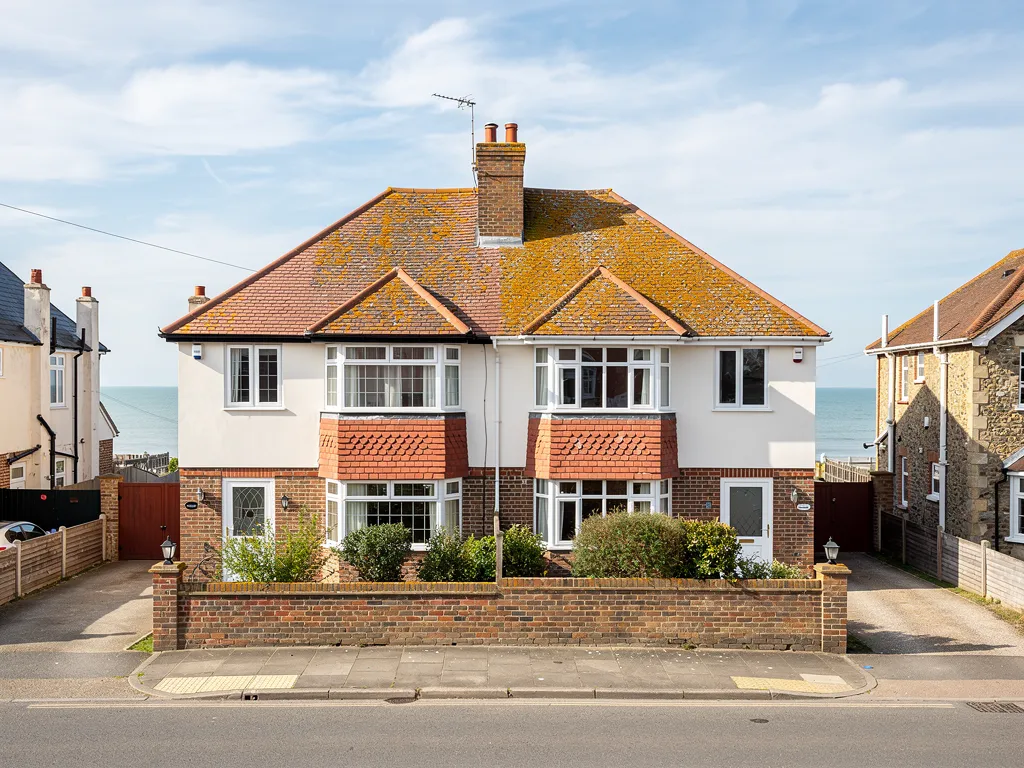
Outside, look from the ground and from a safe position, never from the roof itself. Tiles with a rough, sandy or chalky face suggest the surface has been worn. Look for chipped corners, slipped tiles and ridge tiles that now sit unevenly. A roof that was clean in spring and green again by autumn has probably lost some of its protective skin.
If any of this is present, have a roofer survey the covering before it gets another wash. A tile that has lost its surface cannot be restored, but it can be monitored, and the roofing around it can be repaired where it is failing. Re-treating the surface, once the growth is cleared, helps to slow the damp.
Where the damage is widespread, that is the point to consider whether the covering has had its day. If it has, the survey tells you plainly, and if a repair is all that is needed, it tells you that instead. The decision then rests on pictures you have looked at for yourself, with the cleaning method named in the written quote.