

Chapter one
Where a ridge lets go and why
Ridges, hips and verges meet the weather first, so their bedding tires before the rest of the roof.
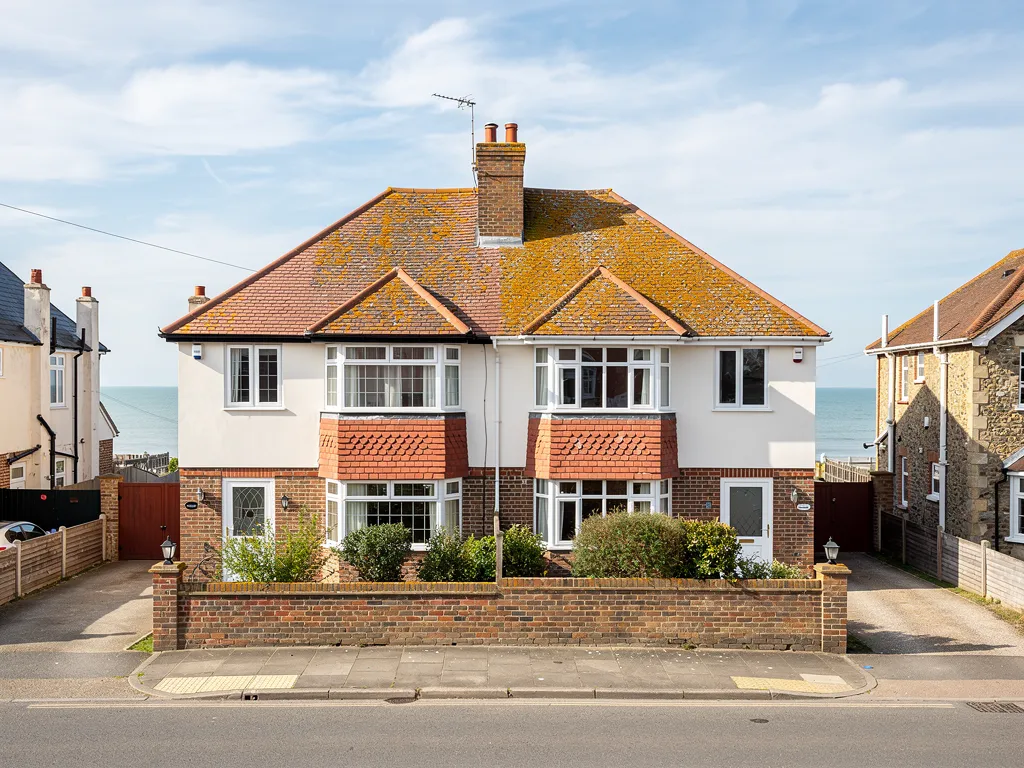
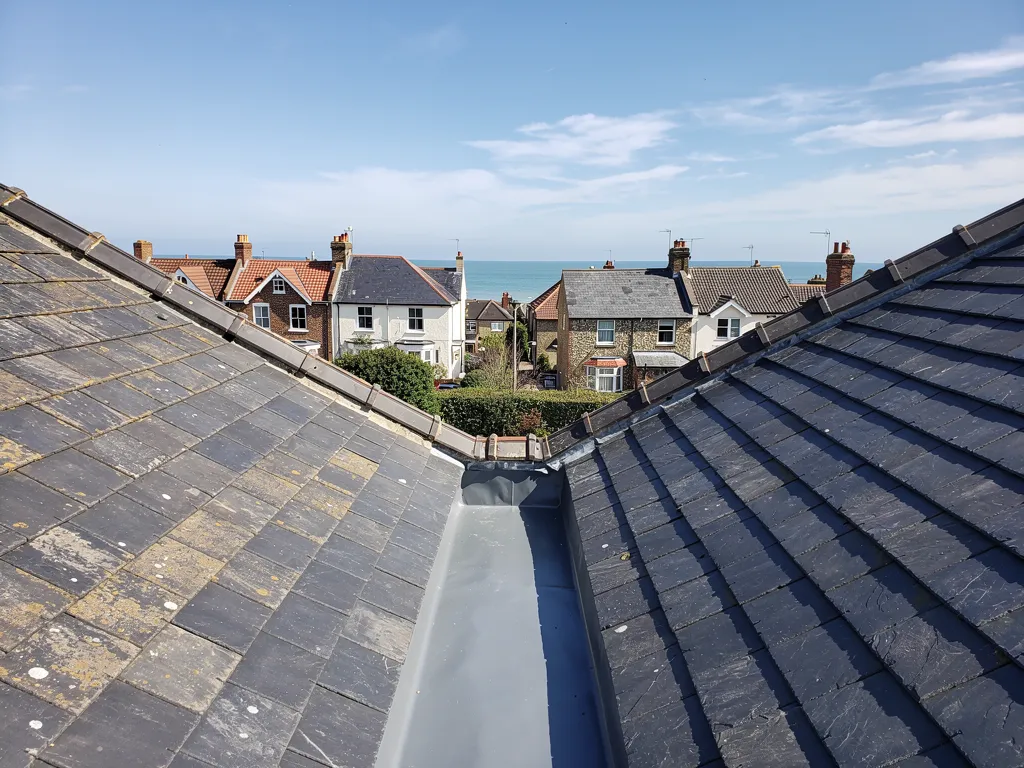
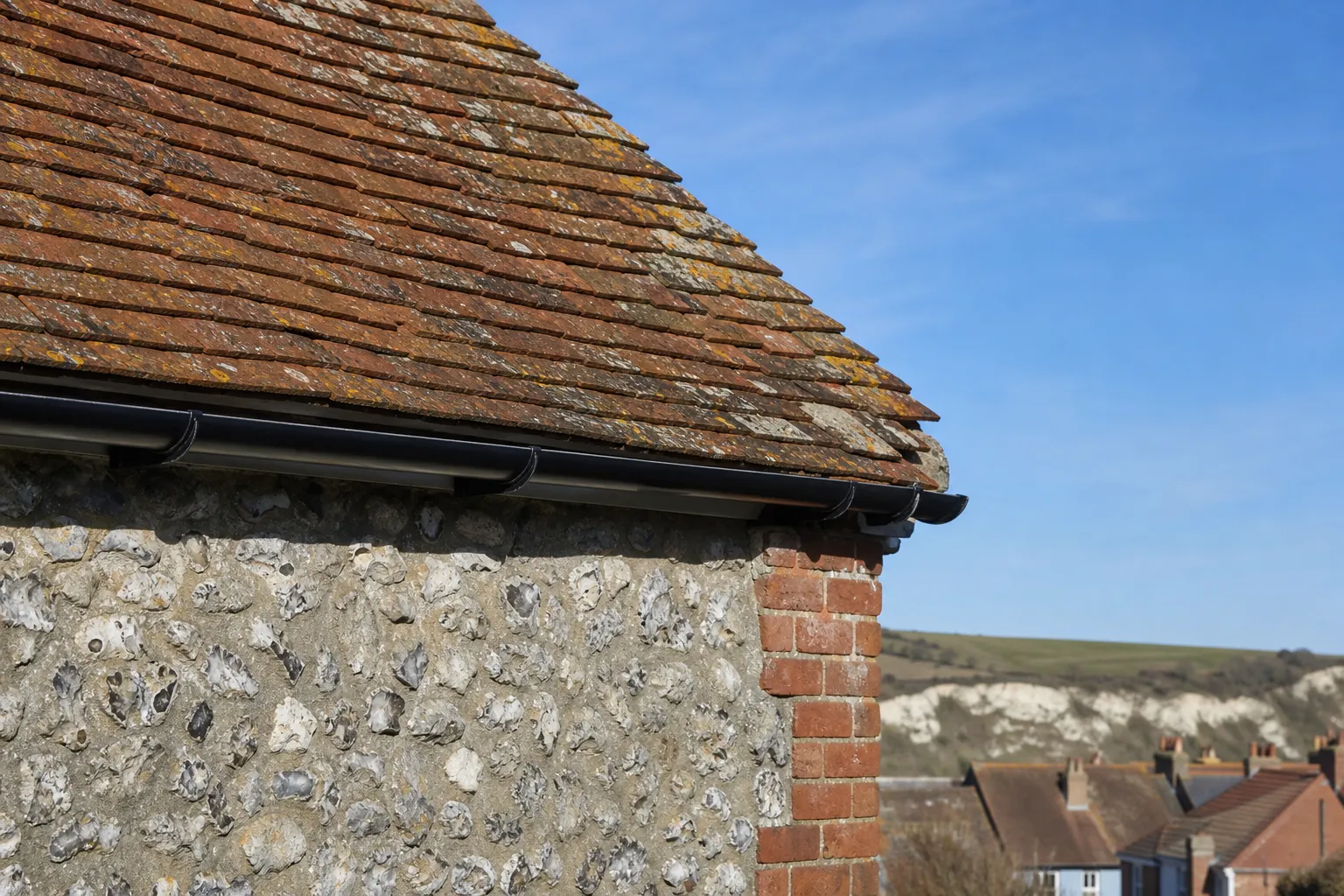
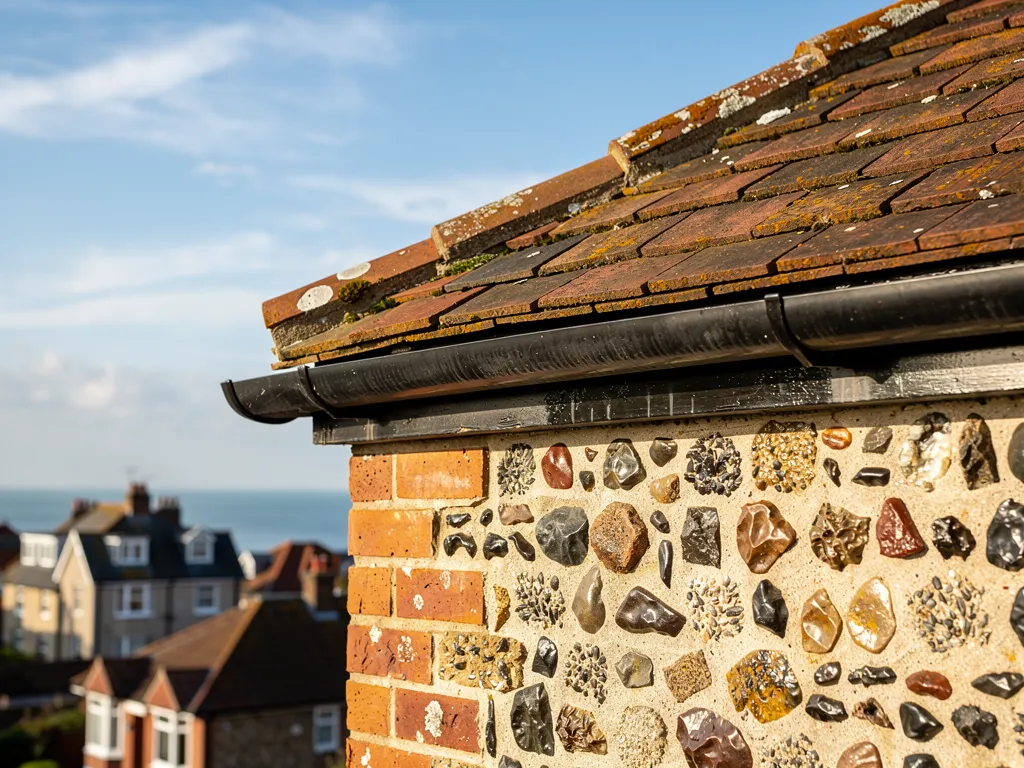
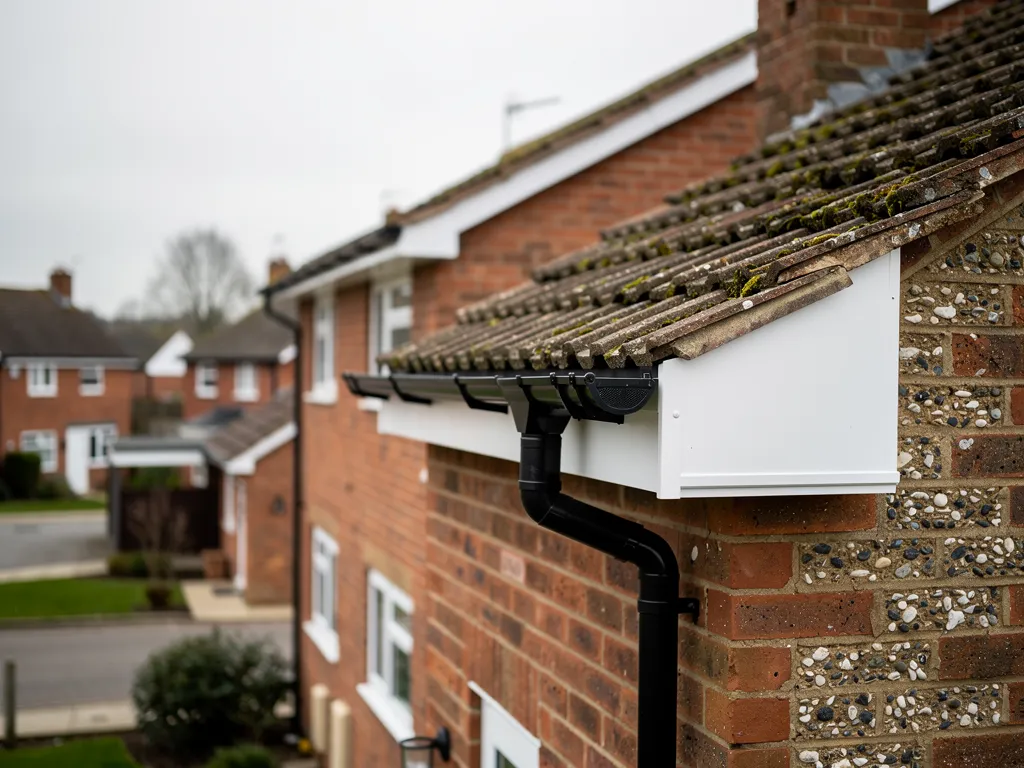
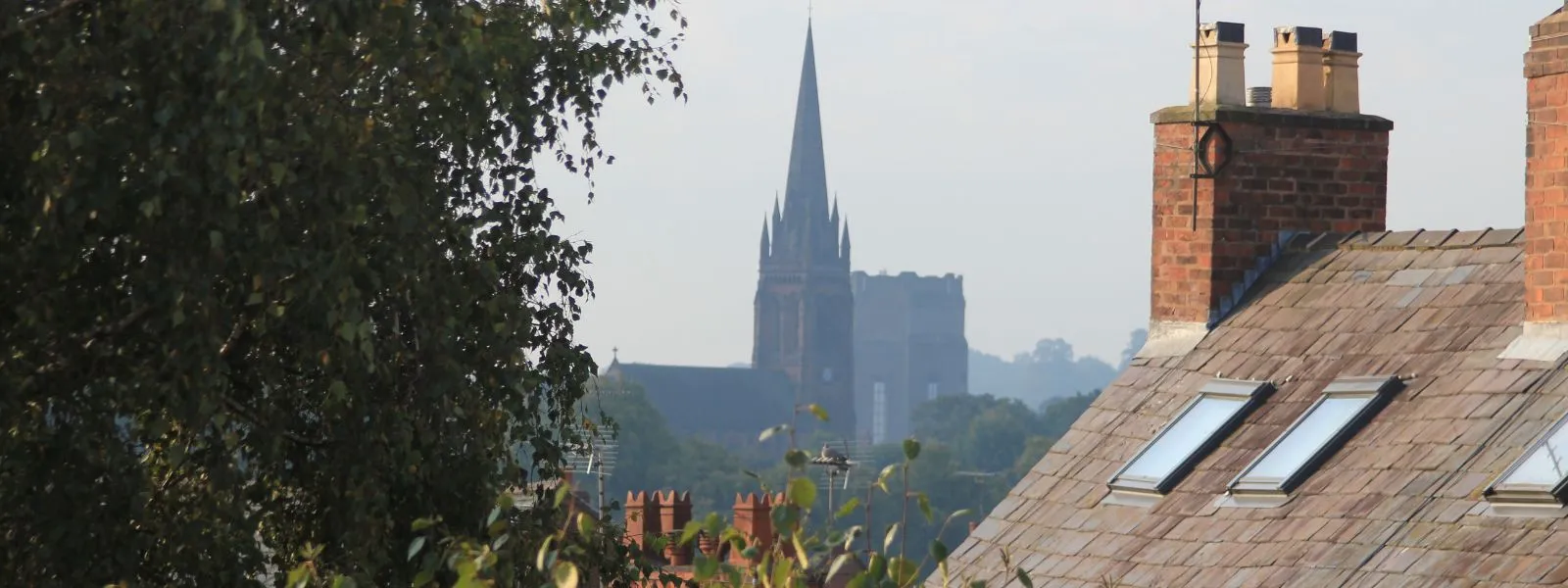
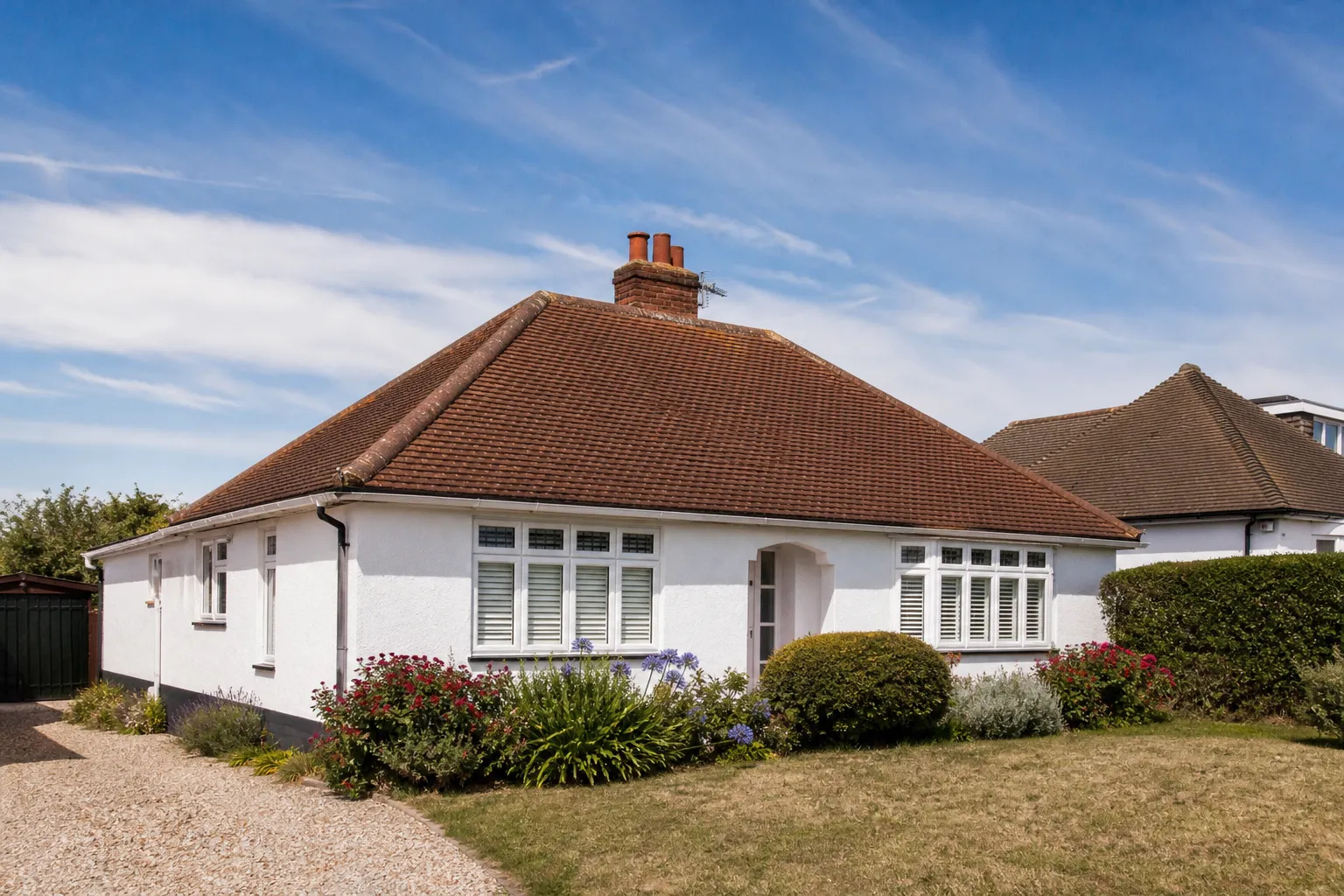
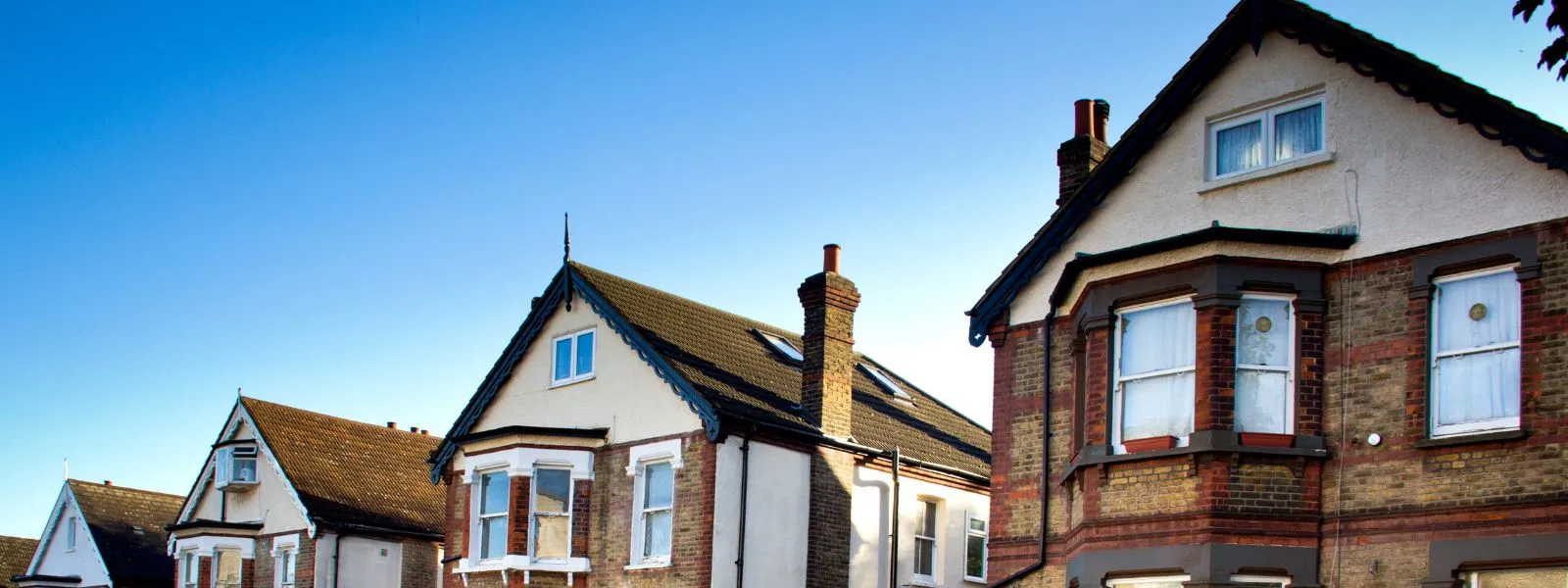
The ridge is the line along the top of a pitched roof where two slopes meet. On a tiled roof it is capped with ridge tiles, the half-round or angled pieces that sit astride the join. Hips are the sloping lines at the corners of a hipped roof, capped the same way, and the verge is the finishing edge at a gable end, where the tiles meet the wall. Between them they draw the outline of the house, standing proud of the slopes with nothing above to shelter them from sea weather.
At a glance
- Mortar shrinks, cracks and drops out with age
- Water at the apex can show on distant ceilings
- We start at the very top of the loft
Note BSI published BS 8612, the specification for dry-fixed ridge, hip and verge systems, on 31 January 2018.
Traditionally those caps were bedded on a sand and cement mortar, laid under each tile and pointed along both edges. Mortar is hard but brittle. It shrinks as it cures, it soaks up water, and frost and thaw work on it every winter while the roof flexes in the wind. After enough years it cracks, loosens and falls away in crumbs, and the tile it held begins to rock. A rocking tile lets rain in at its joints and can work free altogether in the next hard blow.
1.1 What a failing ridge looks like
From the garden or the pavement, look along the ridge line. It should run straight. A tile sitting crooked, a visible gap between neighbours, a missing end cap at a gable or a run that has slipped sideways all point to bedding that has gone. Pale crumbs of mortar in the gutter or on the path tell the same story. Moss growing in a line along the pointing is another clue, because it takes hold where mortar has cracked and holds damp. Stay on the ground for this. A phone photo with the zoom on is enough to start with.
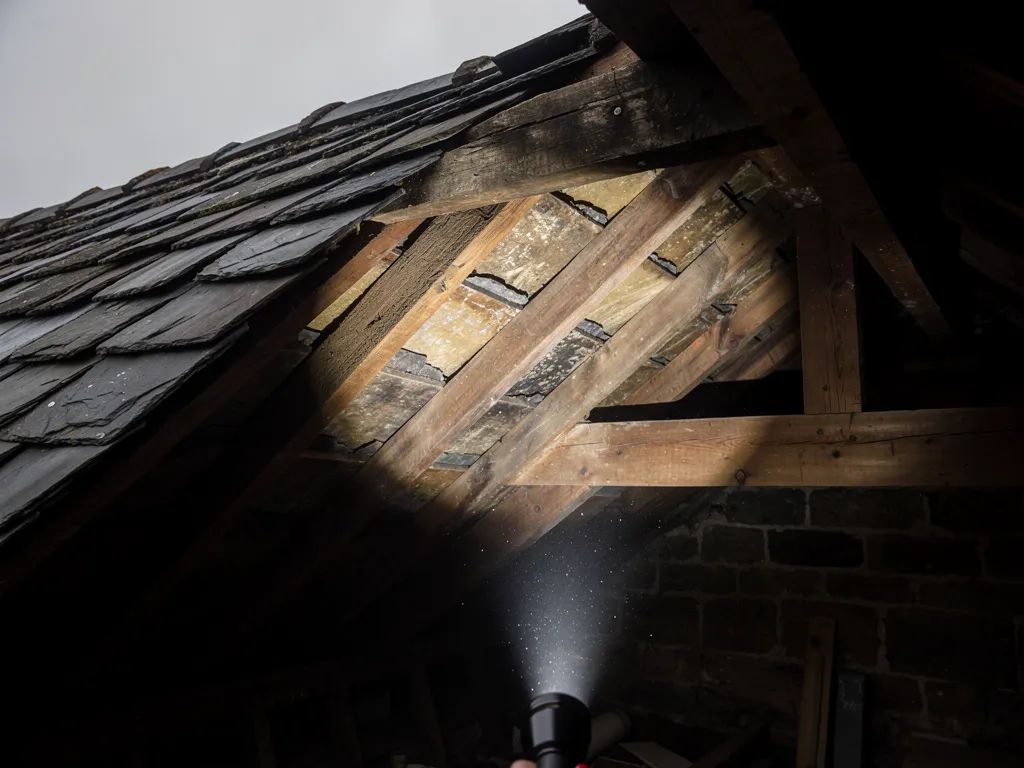
Indoors, the evidence is gathered where the rafters meet at the apex. We look at the timbers there for dark staining, check the underlay beneath the ridge for tide marks and pools, and look for daylight where there should be none.
1.2 Why the leak shows up somewhere else
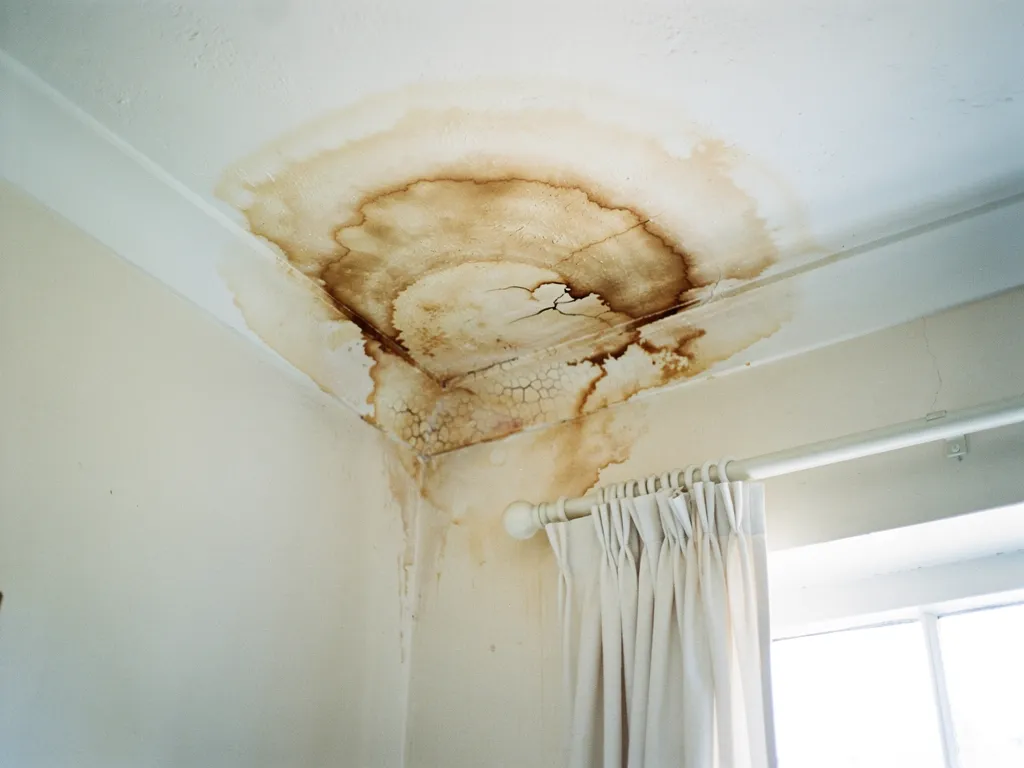
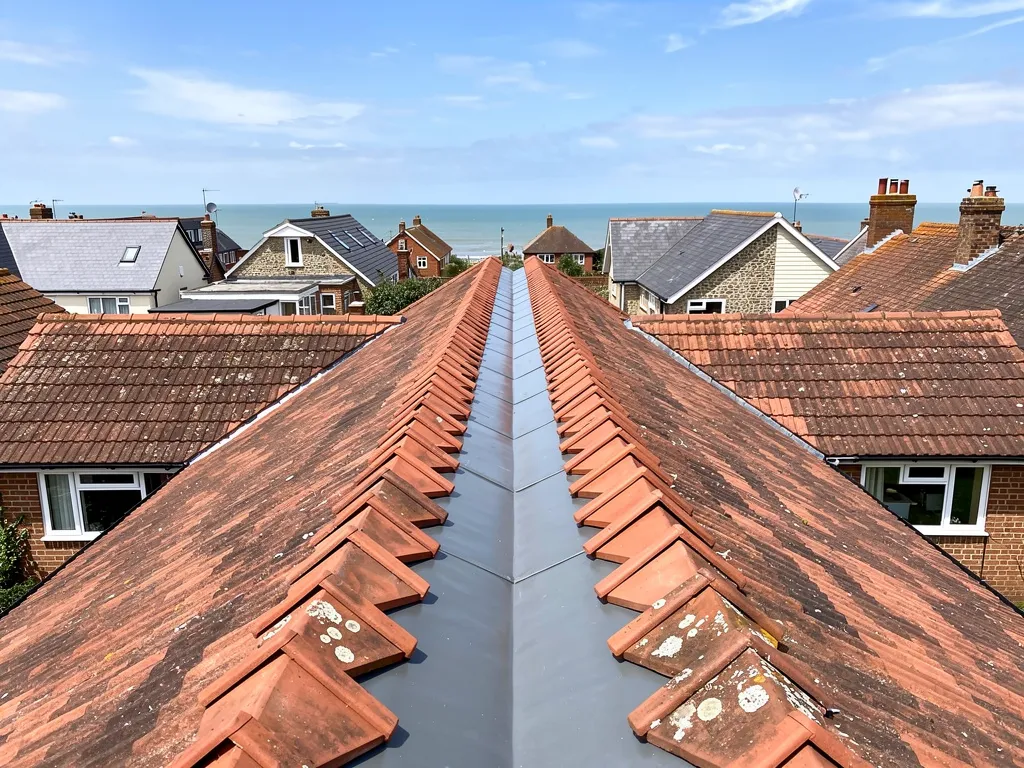
A leaking roof caused by a faulty ridge rarely drips at the ridge. Rain that gets under a tile at the apex lands on the underlay and runs downhill along the rafters until a nail hole, a lap or a joint lets it through. The stain on a bedroom ceiling can sit a long way from the fault above it. That is why a roof leak chased from the stain so often ends in the wrong repair, and why we start at the highest wet point in the loft and follow the water back before anyone prices anything. Where the cause is the ridge, you can judge the repair from the photographs.
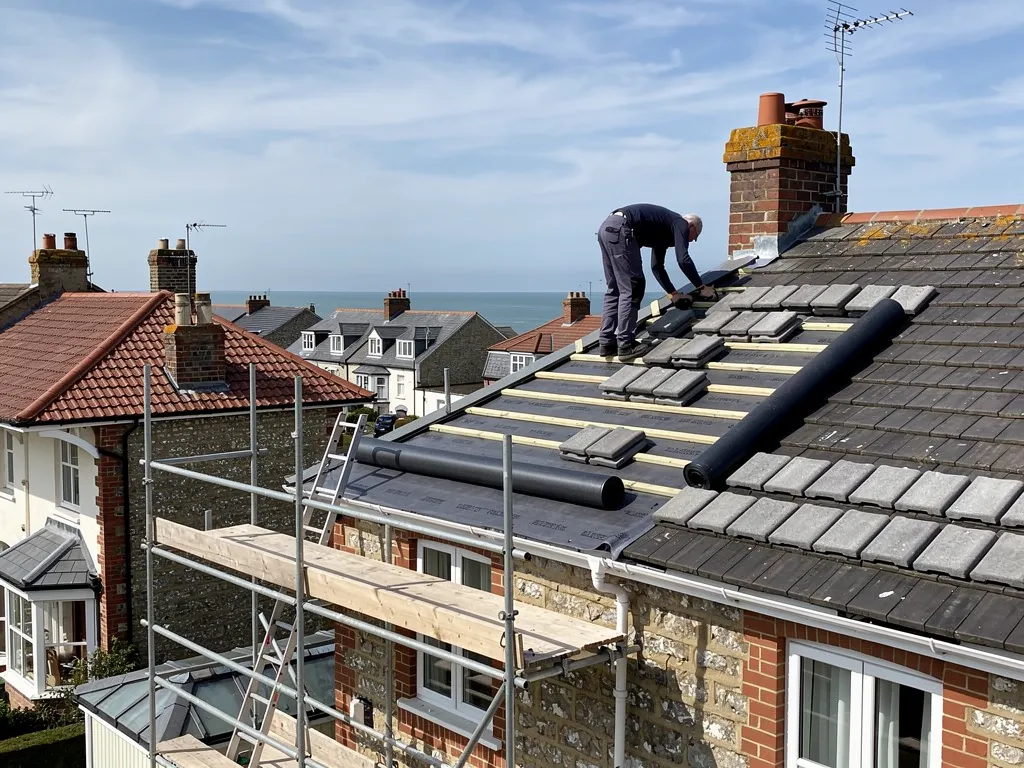
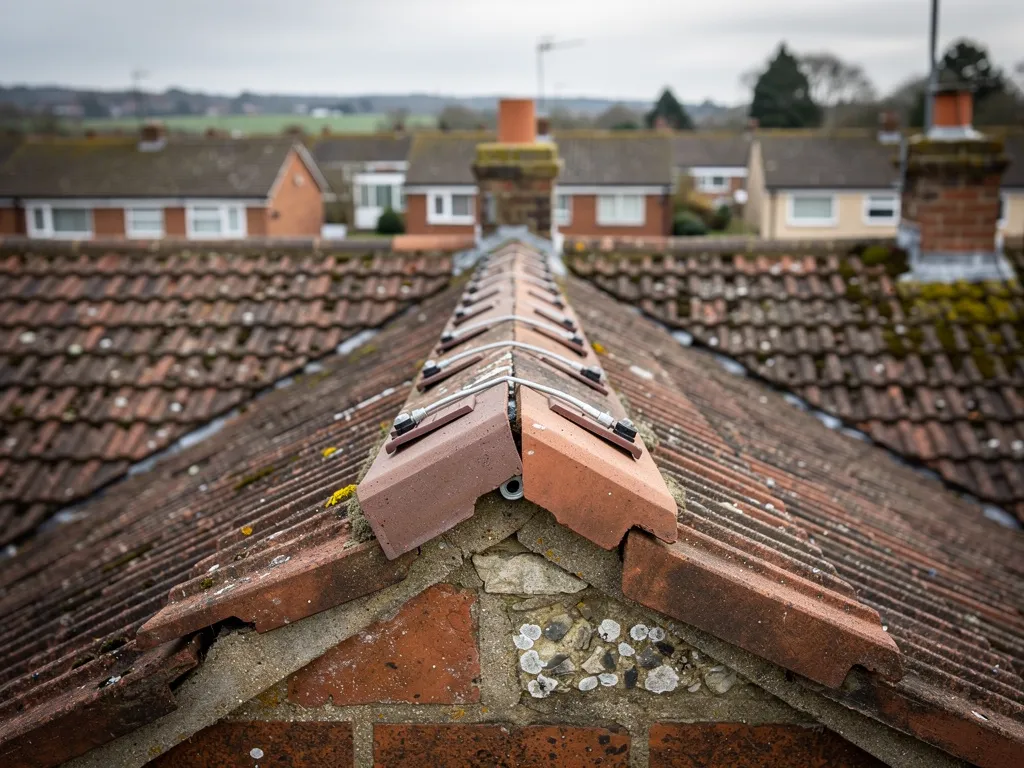
Fig. 1 Put right Tiles refixed with clips on a sound bed.
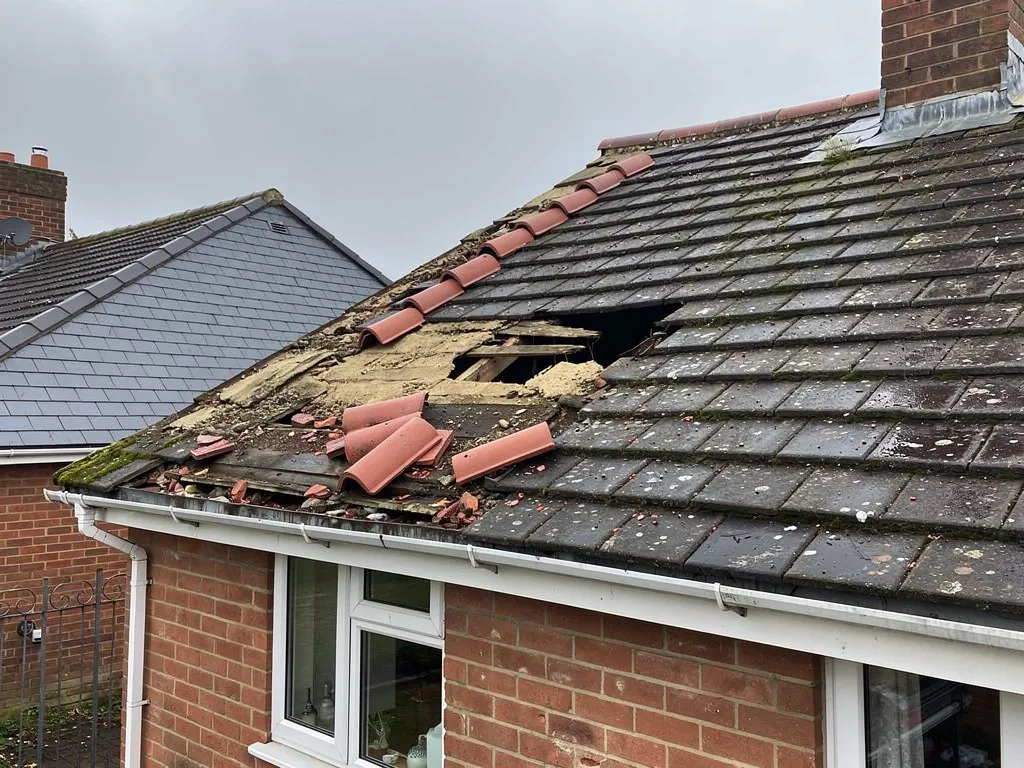
A gale finds the one tile whose bedding has tired.
If water is coming in today, catch it in a bowl, shift belongings clear and stay away from a bulging ceiling. Our emergency roof repair service makes a damaged roof safe before anything else. For a single tile that has come off, a smear of sealant is rarely the answer. Sealant over cracked bedding hides the gap for a season and holds the water in behind it. Any Worthing roof repair is only as good as its diagnosis, and a ridge repair in Worthing is no different. A ridge repair solution has to match the cause: lift the tiles, clear the failed bedding and set them again on fixings that do not depend on mortar.