Emergency roof repairs in Worthing

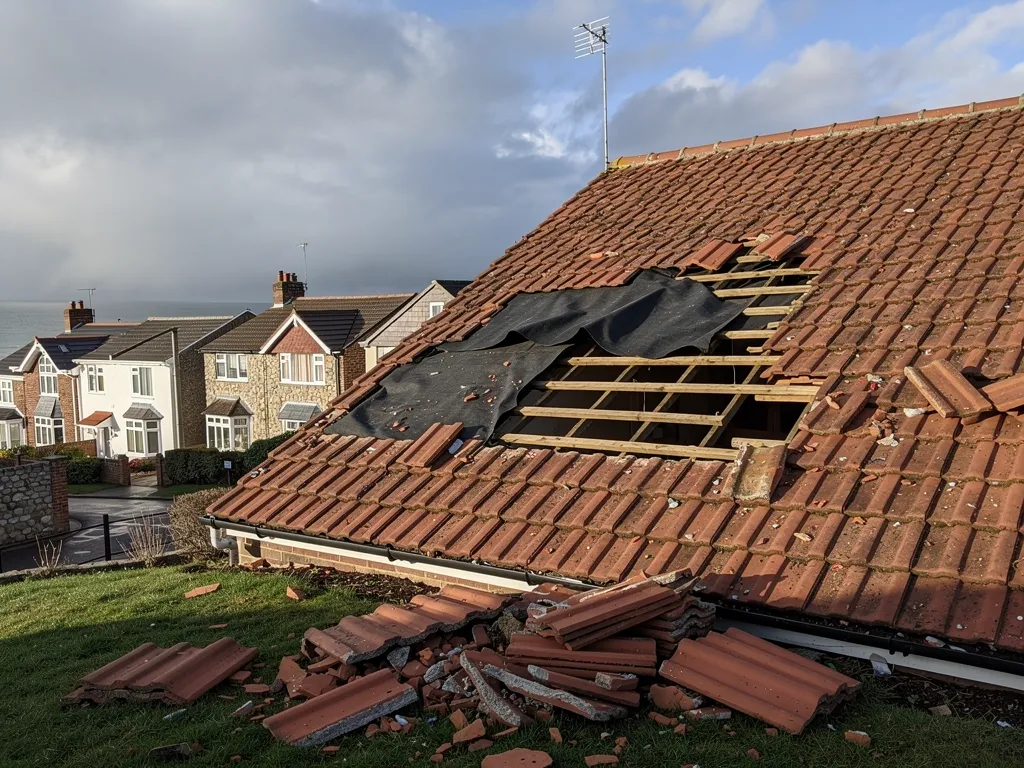
When water is coming through or a gale has stripped the slope, we make the roof safe first, find where it got in, and show you the fault in photographs before the permanent repair is quoted.

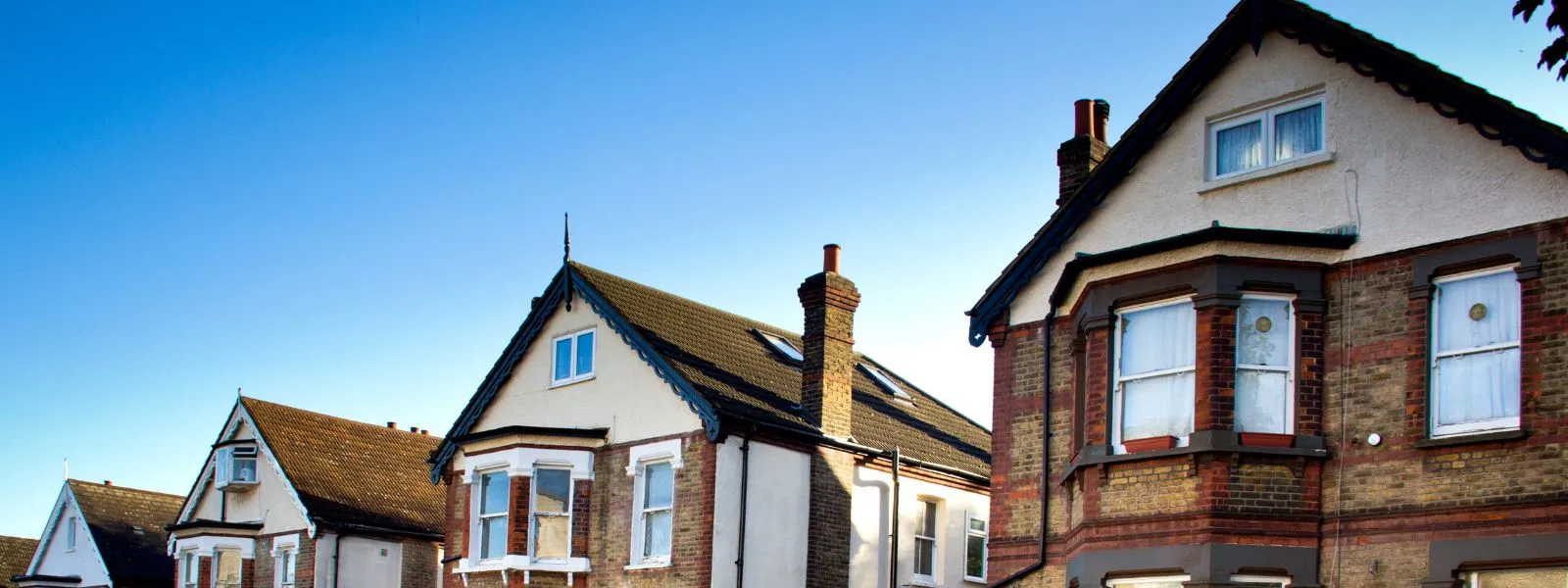
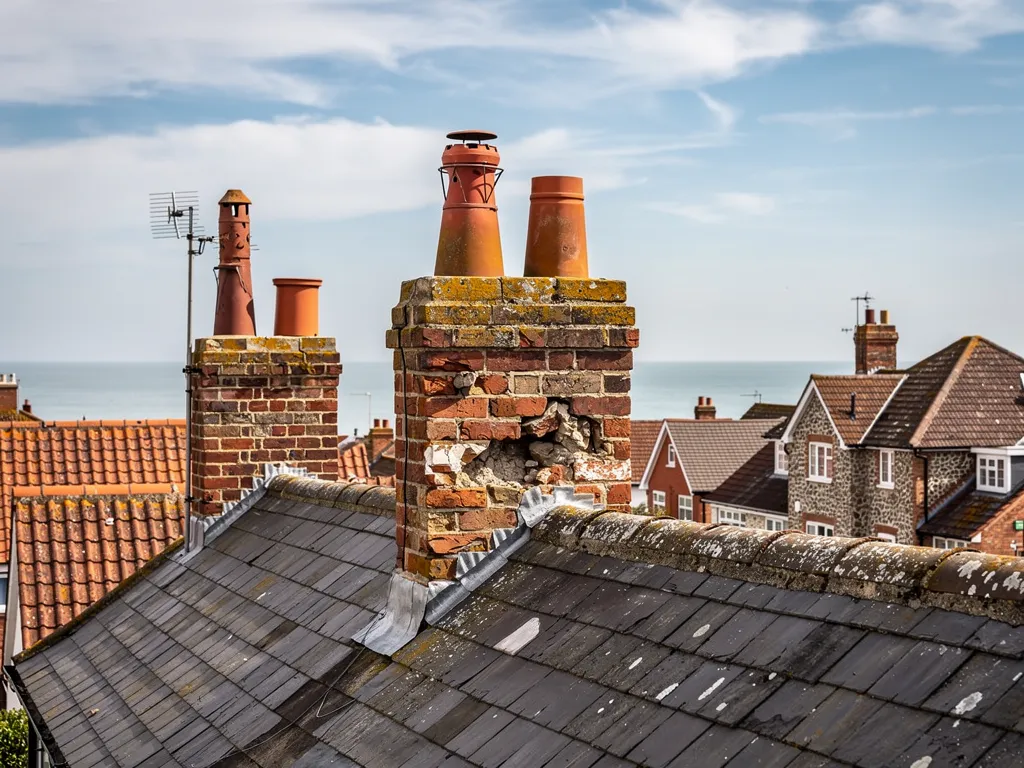
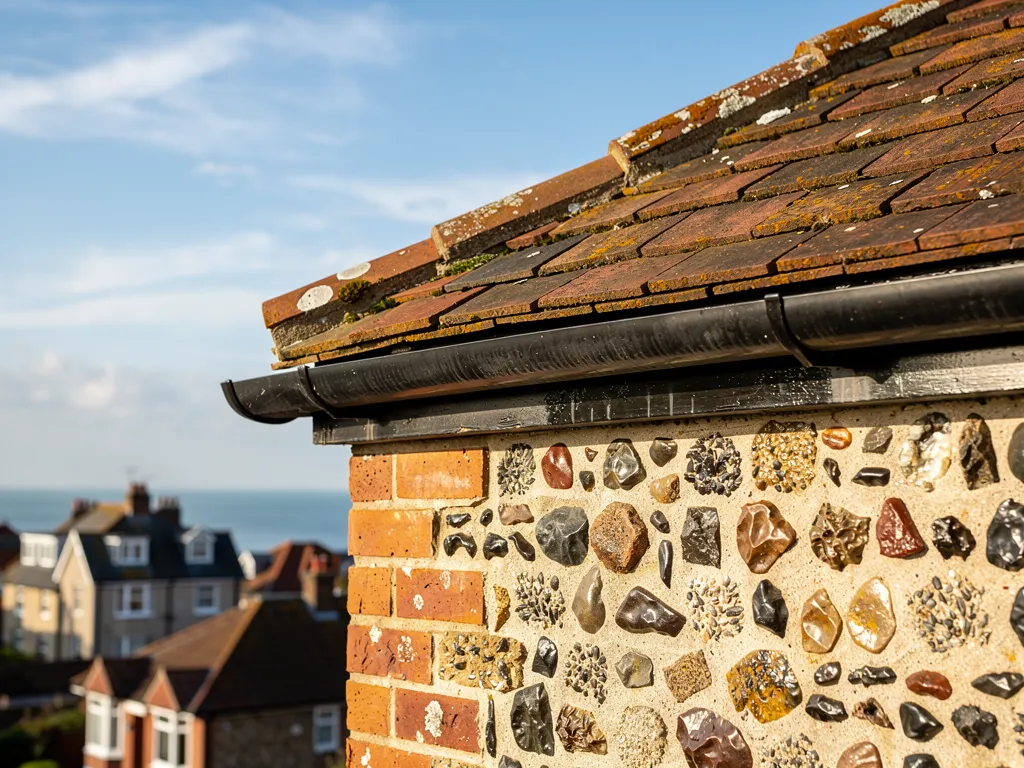
Victorian terrace chimney stacks with spalled bricks and old lead flashing
  • Leaks traced
    to the source
  • Photos of
    your own roof
  • Written quote,
    one total price
  • 10-year workmanship
    guarantee, in writing

Urgent roof problems we deal with across Worthing

  • Active leaks and ceiling stains

    Water coming through a ceiling, a wet loft or a stain that spreads in heavy rain, traced back along the underlay to the covering above it.

  • Blown tiles and slipped slates

    Gaps left after a gale, closed with matched tiles or slates on proper fixings, or covered at once where the weather will not wait.

  • Ridges, hips and verges lifted by wind

    Ridge and hip tiles that have rocked loose and verge mortar that has gone, made safe and then refixed mechanically to current practice.

  • Chimney repair and leadwork damage

    Flashings torn back, flaunching broken and stacks left loose, secured for safety first, then repaired in lead dressed to the roof.

  • Flat roofing splits and flooded decks

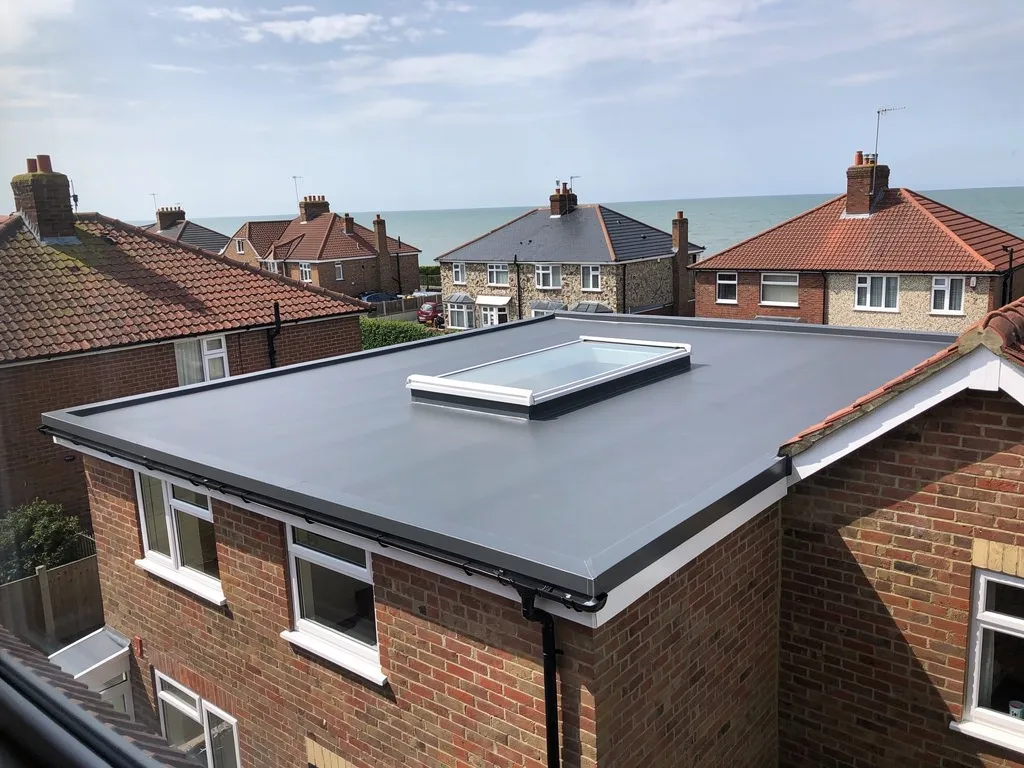
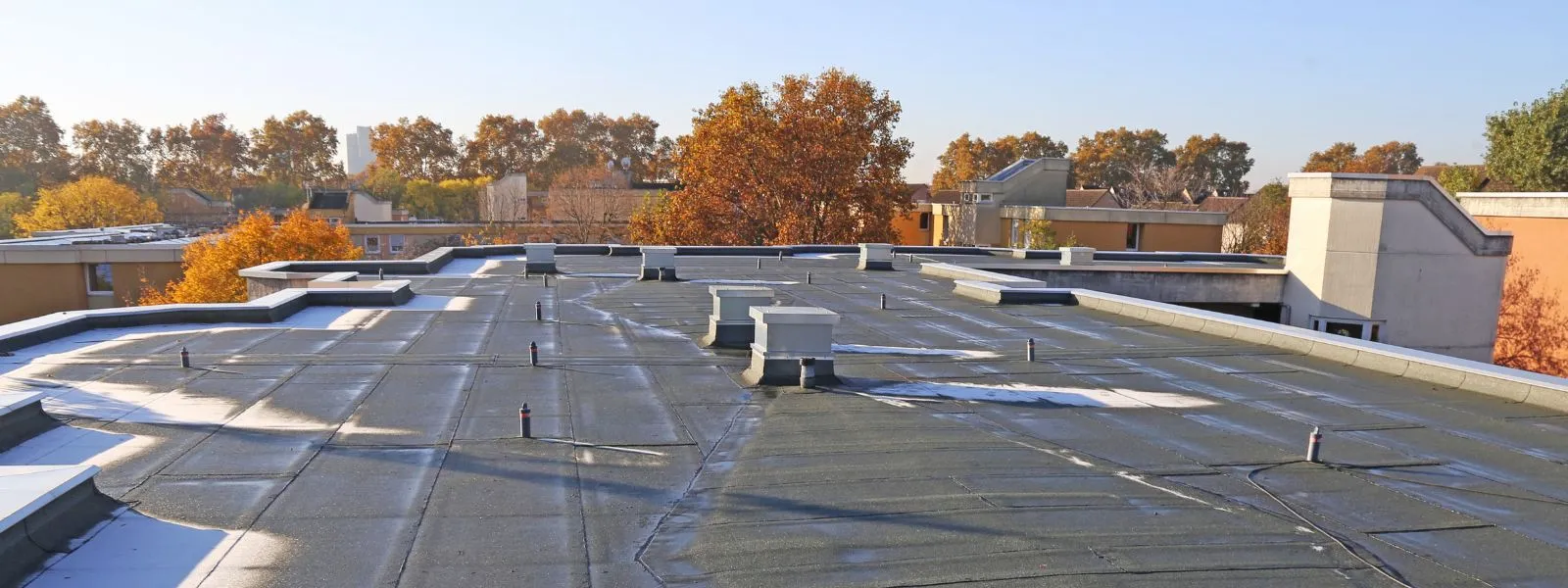
    Felt, rubber or fibreglass that has opened on an extension, garage or dormer, patched to stop the water while the deck is checked.

  • Fascia, soffit and guttering damage

    Boards pulled away, soffits hanging open and gutters swung out of line, secured so water drains away from the walls and the eaves stay closed.

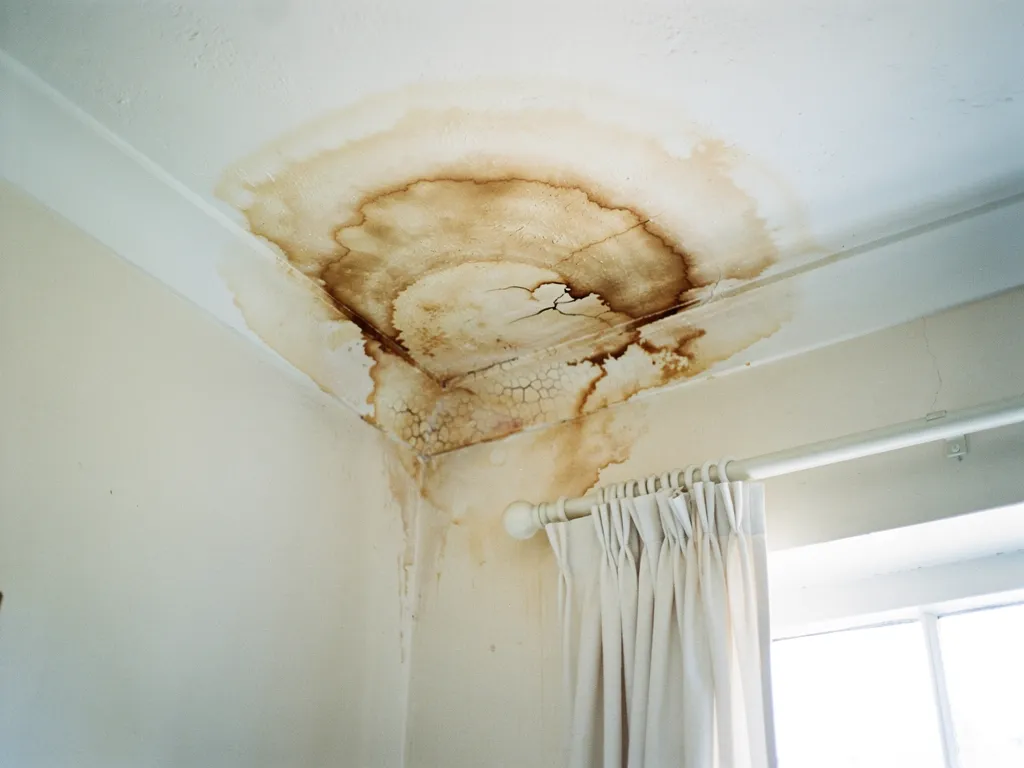
Brown water stain spreading across a white bedroom ceiling near the window

Signs the roof cannot wait for a booked visit

  • Water dripping through a ceiling
  • A ceiling bulging or sagging
  • Tiles or slates missing after wind
  • A chimney stack loose or leaning
  • Daylight visible from the loft

Typical UK costs for urgent roof repairs

Typical UK price ranges
JobUK range
Storm damage fixes£500 to £1,500
Small repair, a few tiles refixed£100 to £300
Re-bedding or replacing ridge tiles£300 to £600
Standard two-storey scaffold set-up£850 to £1,200
Chimney repointing£500 to £2,000

These are national guide figures, not a quote. The price for your own roof is written down after the survey, once we have seen what the storm actually did. Source: MyBuilder roof repair, slate roof, scaffolding and chimney repair cost guides, updated 21/08/2026.

How an emergency roof repair runs with us

  1. Tell us what is happeningCall 01903 299063, or WhatsApp us a picture of the ceiling or the gap and tell us where the water is showing.
  2. Make it safeLeaks and storm damage go to the front of our list, and the first job is stopping water entering: a tarpaulin, temporary tiles or a boarded opening.
  3. Survey and photographsWe find the cause inside and out, photograph it so you can see it, and send the permanent repair as one total price in writing.
  4. Repair and clear upThe lasting repair is fixed for the coast, the waste is taken away and the site is left clear.

The emergency roofing guide

From the first drip to a repair that holds

How to tell an emergency from a repair that can wait, what to do while help is on its way, what a make-safe involves and what it typically costs.

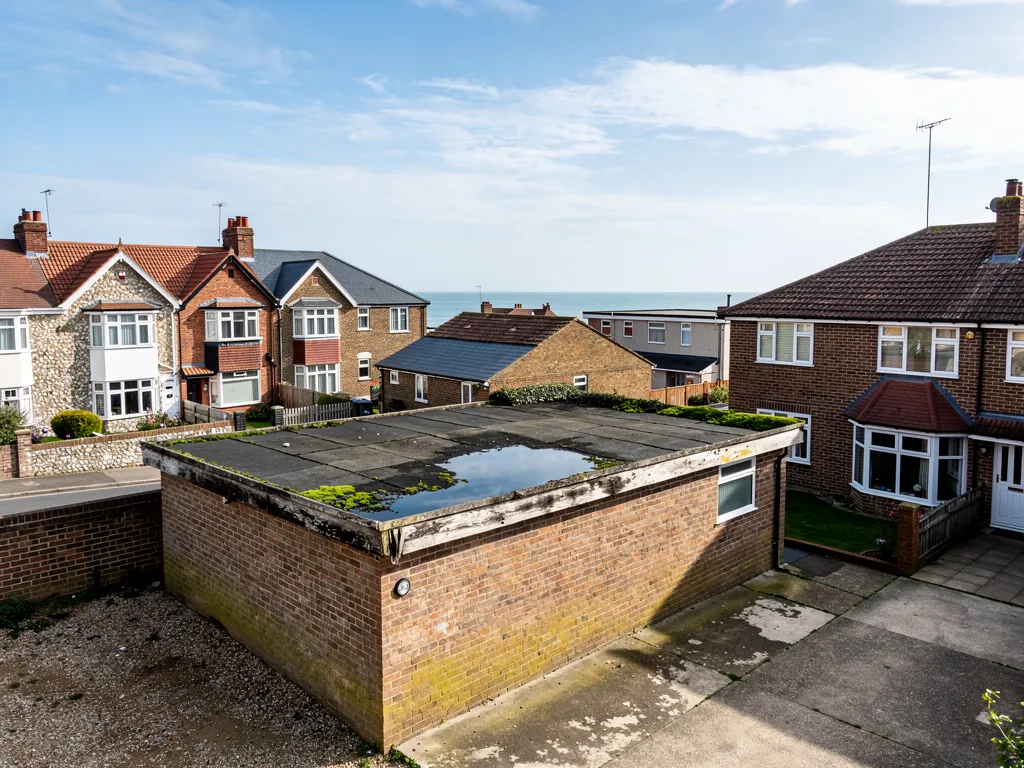
Single brick garage with a tired felt flat roof, ponding water and patches

Chapter one

Telling an emergency from a repair that can wait

Urgent means waiting makes the damage worse or the building less safe; a slow stain usually means a booked visit.

An emergency roof repair is a job where delay costs you something: wet insulation, a ceiling that may come down, a slope open to the next band of rain, or masonry that could fall onto a path. The test is simple. If water is entering now, or something is loose enough to move in the wind, the roof needs making safe before it needs repairing. Everything else can go through a normal inspection and a written quote.

At a glance

  • Active water entry and loose masonry are urgent
  • A slow stain in dry weather can be surveyed
  • Landlords and shop owners follow the same test

On this stretch of coast that test gets applied after a gale more than at any other time. Sea weather lifts the tail of a tile, tears at a ridge and finds every weak joint in a flashing, and the damage often shows only when the rain arrives behind it. Anyone wanting reliable emergency roofing in Worthing should expect one sequence from whoever they call: stop the water, look at the cause, agree the lasting repair.

1.1 Signs a roof problem cannot wait

Water running through a ceiling or down a wall is urgent, and so is a ceiling that bulges or sags, because it is carrying a weight of trapped water. A slope with missing tiles or slates is open to the weather and wets the underlay and battens, which is where rot starts. A chimney stack that has shifted, a fascia board hanging by one fixing and a tree resting on the roof all count, because they can injure someone as well as soak the house. Daylight showing through the loft means the covering has a hole in it somewhere above that point, and any urgent roof like that needs covering before the next rain.

1.2 What can wait for a planned visit

A faint brown ring that has not grown, a single tile slipped in a quiet week, a ridge you have noticed rocking on a calm day, an overflowing gutter: these deserve attention soon, and they belong with our roof repairs service, where the fault is traced and quoted without the clock running. Our guide on when a roof problem is an emergency goes through more borderline cases.

1.3 Homes, landlords and commercial roofs

The same thinking applies to a pitched house roof, a flat roofing deck over a shop or a unit, and a block of flats. A commercial roof adds one more question, which is what sits underneath it. Stock, equipment and wiring change what counts as urgent, so tell us what is under the leak when you call.

Triage: how we weigh an urgent roof call

What you can seeHow we treat itFirst step
Water running through a ceilingUrgentContain it and make the opening above safe
Ceiling bulging or saggingUrgentKeep clear of it while we plan the access
Slates or tiles missing after windUrgentCover the gap against the next rain
Chimney stack moved or leaningUrgentKeep people away, then secure the stack
Slow stain in dry weatherPlanned surveyPhotograph it and note when it grows
Source: Watertight Worthing Roofing triage

Water entering now, or masonry that can move, is the line between urgent and planned.

Renting? Then a leaking roof normally falls to your landlord. The Landlord and Tenant Act 1985 puts the structure and exterior of the home (which covers the roof) in the landlord's hands on most leases granted for less than seven years. Report the leak in writing and keep a copy, and if nothing happens, Adur & Worthing Councils can come and inspect the property for hazards. A leaking flat roof over a shared hallway or a block of flats is the freeholder's or managing agent's to arrange, so copy them in too.
Chapter two

What to do before the roofer arrives

A few calm steps indoors protect your belongings and speed up the visit, with no ladder involved.

The most useful thing you can do is stay inside and look after the room below the leak. Put a bucket or a washing-up bowl under the drip, with a towel or a dust sheet around it, and lift furniture, rugs and anything electrical out of the wet area. A bulging ceiling is the one place to take extra care. It holds water, it can drop without warning, and nobody should stand underneath it. Move children and pets to another room while it is there.

At a glance

  • Contain water indoors and stay off the roof
  • Photographs from the ground help the survey
  • Assume pre-2000 outbuilding roofs may contain asbestos

Note HSE says it is difficult to tell AIB items from their non-asbestos equivalents.

2.1 Water and electrics

If water is near a light fitting, a ceiling rose or a socket, switch that circuit off at the consumer unit and leave it off until an electrician has checked it. Water and wiring do not mix, and a fitting that looks dry can still be wet inside. If you are not sure which circuit it is, switching off the whole house is the safer choice while you wait.

2.2 Photographs and notes

Take pictures of the ceiling stain, the wet loft if you can reach the hatch safely, and the roof from the garden or the street. Write down the date, the conditions and how soon after the rain began the water showed. Those notes tell us where to look first, and the photographs are useful if you later talk to your home insurer. A photo from the ground rarely shows the fault itself, so we still go up and look closely, and the loft inspection comes before we price anything.

2.3 What to leave alone

Please do not climb onto the roof or put a ladder against it in wind or rain. Slates and wet tiles are slippery, and a fall from even a low roof can end badly. Old garage and outbuilding roofs deserve extra caution. The HSE tells owners to assume that a building built or refurbished before 2000 contains asbestos, and roofs of asbestos cement can break under a person's weight, which is why nobody should walk on one. Old soffits are another place where asbestos insulating board can turn up, so we check what a board is before it is touched.

When you ring, tell us the type of roof, the number of storeys, what has happened and where the water is showing. Our guide to a roof leaking right now lists the same steps in the order to do them.

Your first ten minutes

  1. Contain Catch the drip, protect the floor and lift valuables clear of the wet patch.
  2. Isolate Switch off any circuit that serves a fitting the water is touching.
  3. Record Photograph the stain and the roof from the ground, and write down the weather.
  4. Call Ring 01903 299063 or message us on WhatsApp with those photographs.

Chapter three

What a make-safe repair actually involves

The first visit stops the water and secures anything loose; the lasting repair follows in dry weather.

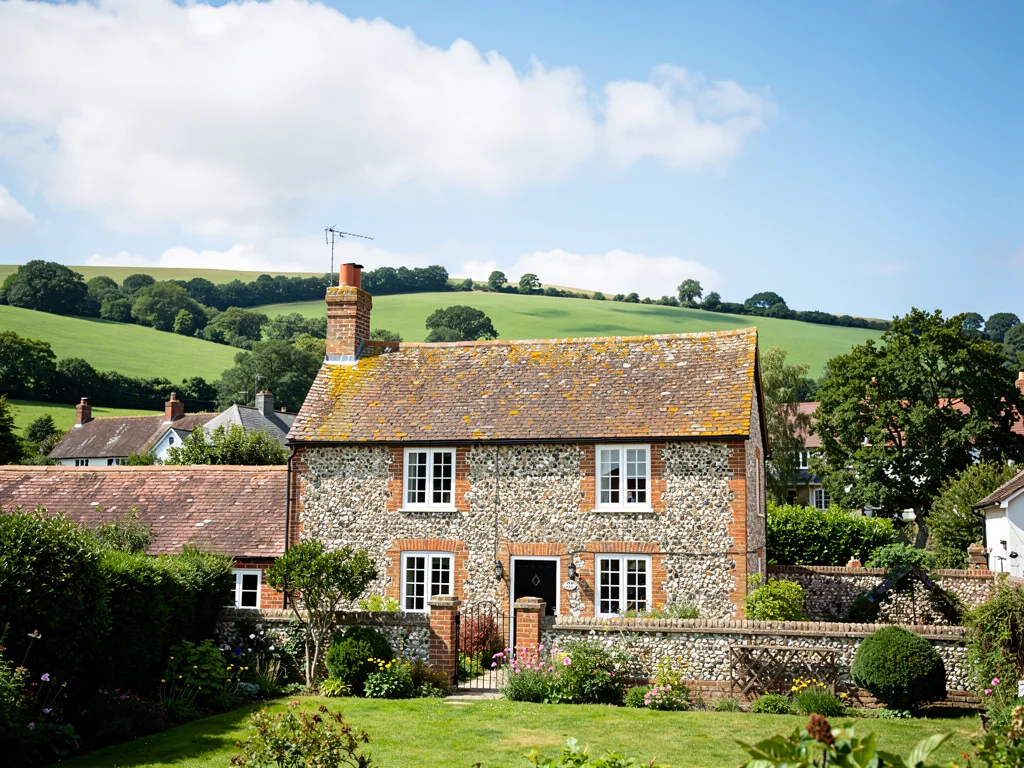
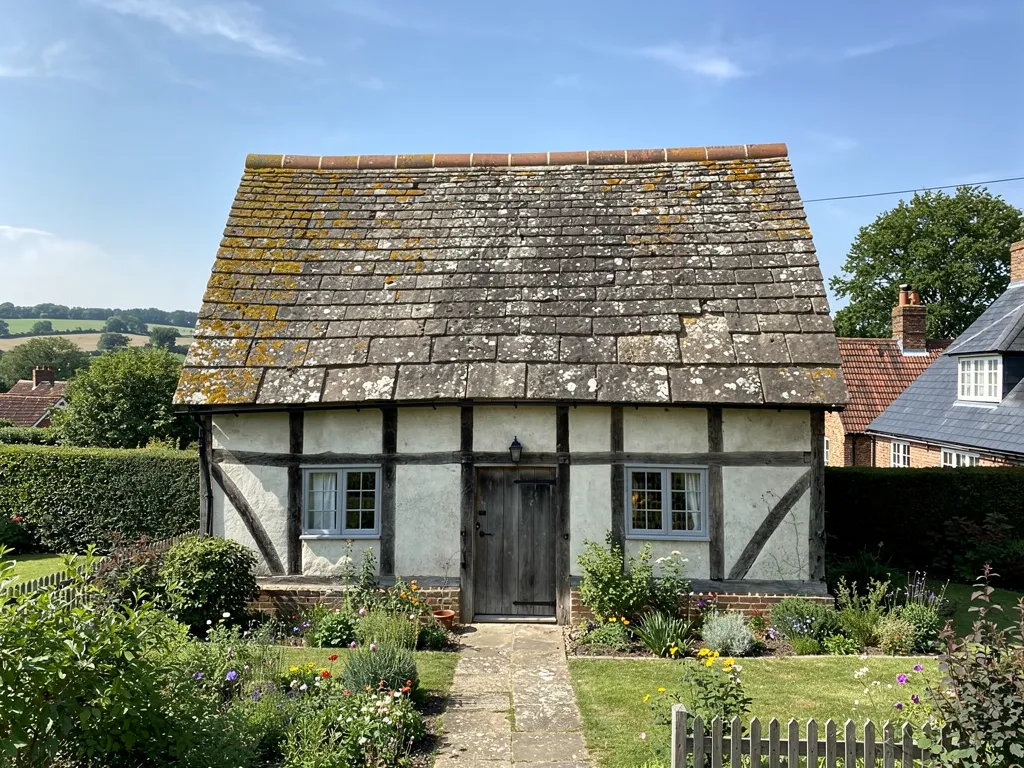
Timber-framed Wealden cottage with a heavy Horsham stone roof, the slabs getting smaller towards the ridge

A make-safe is the first aim of every emergency visit, and it is usually smaller than people expect. We are not trying to finish the whole repair in a storm. We are closing the opening, securing what is loose and stopping the building getting any wetter, so that the proper job can be planned in daylight and dry weather.

At a glance

  • A make-safe stops water now and buys time
  • Temporary cover is battened, never left flapping
  • A lasting repair follows the survey and quote

Note Insurance industry advice for Storm Eunice (2022): make temporary repairs to stop damage worsening, but speak to your insurer first.

3.1 Closing the opening

For a few blown tiles, we often fit matched tiles or slates straight away if the roof can be reached safely. Where the gap is bigger or the weather is still bad, a heavy-duty tarpaulin is laid over the opening and tied to battens fixed across the slope and over the ridge, so wind cannot get under it and flog it against the tiles. A badly fitted sheet does more harm than none. Our guide to temporary roof repairs sets out what can be done straight away and what has to wait.

3.2 Securing what could fall

A loose ridge or hip tile is a falling hazard, so it is lifted off and stored, or fixed down mechanically if it is sound. A chimney pot or stack that has shifted is made secure, and the area below is closed off until the chimney repair can be done properly. Flashings torn back by wind are folded down and fixed so the joint sheds water until new lead is cut. On a flat roof, a split is cleaned, dried as far as the weather allows and patched to stop water entering while the deck is checked for damp. If a fascia has dropped, we secure the board now and later repair fascia and soffit together, because a hanging board is a hazard and lets rain into the eaves.

3.3 From temporary to lasting

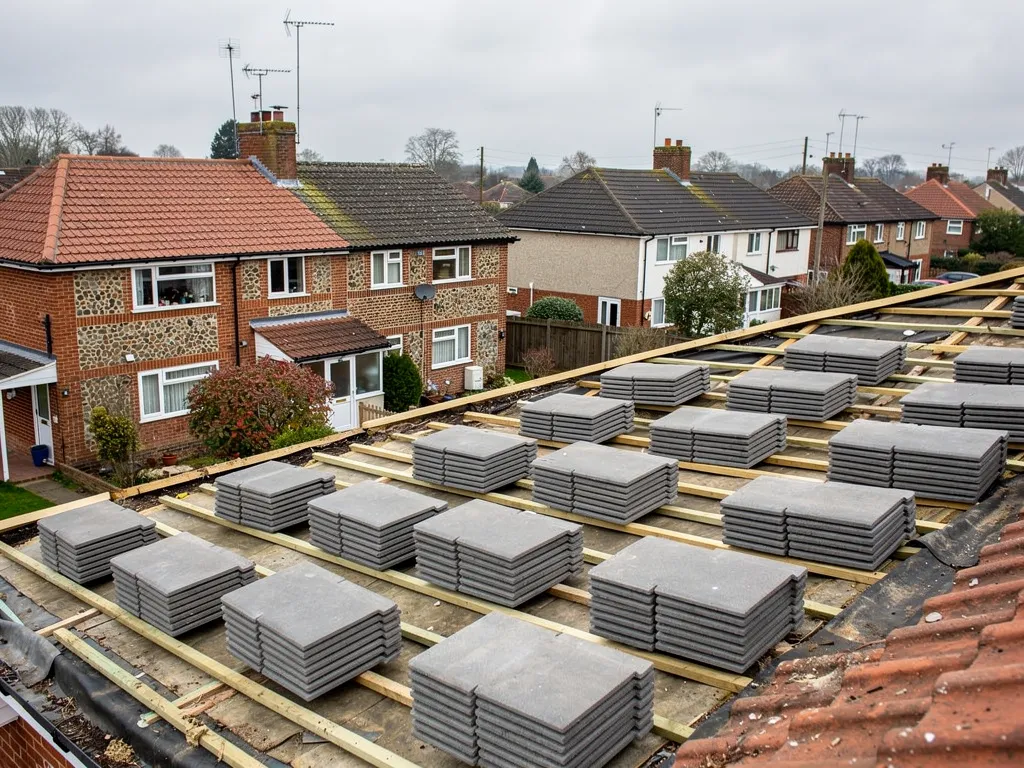
Once the water is stopped, we survey the roof inside and outside and photograph the cause. You then receive a written quote with a single total for the permanent repair, and we recommend the smallest job that properly solves it. Sometimes that is a tile, a length of lead or a ridge refixed. Where a storm has exposed a tired slope, we explain whether a section or the whole roofing system should be replaced, and what a new roof or roof installation would involve. The plain reason is that repeated callouts to an ageing slope cost more than the work they postpone.

Once the lasting repair is done, we photograph the finished work for you. We clear the site and take the waste away.

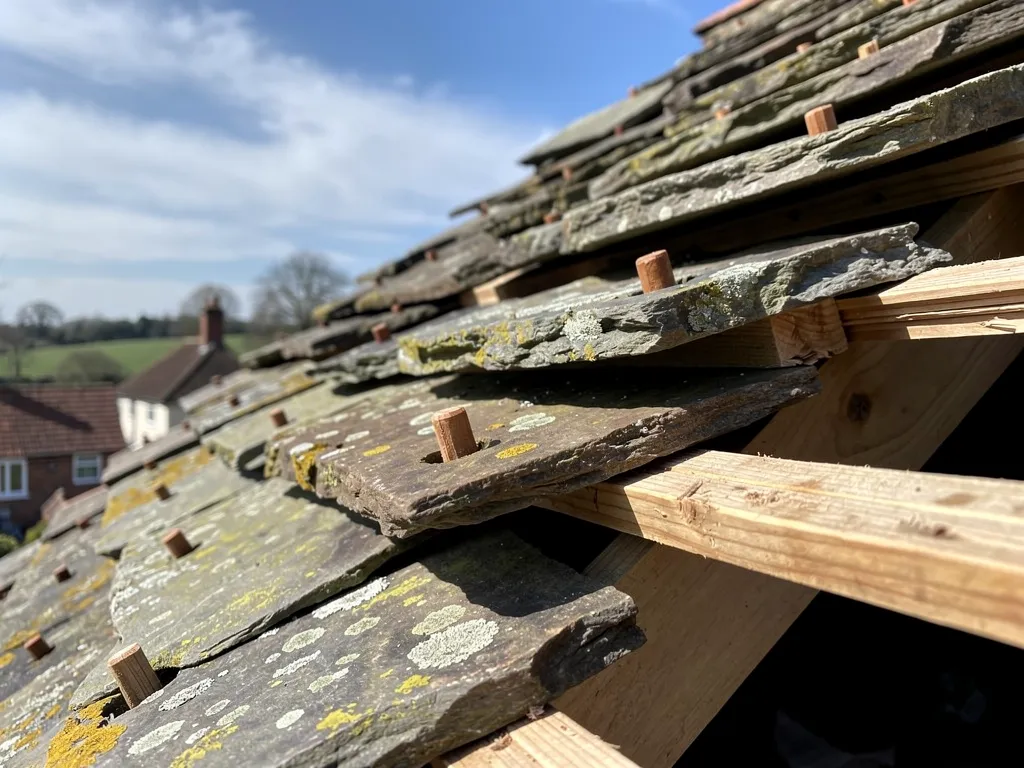
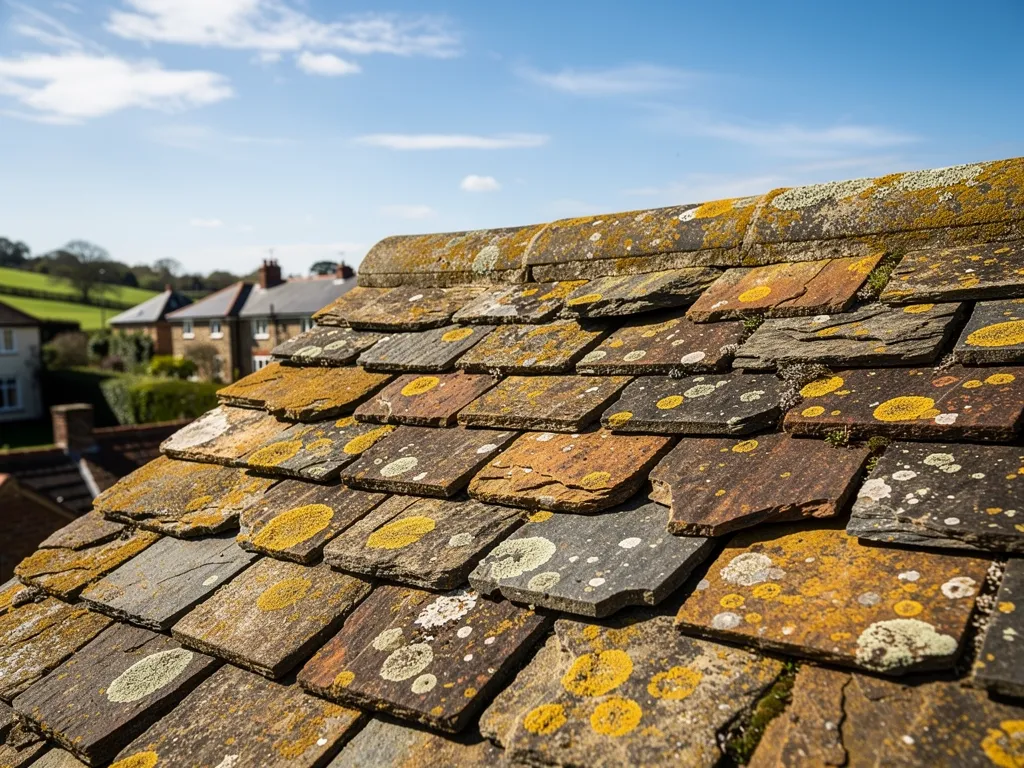
Close view of an old Horsham stone roof, thick sandstone slabs in diminishing courses with lichen

Fig. 3 On the survey Slates slid out of their courses and the underlay is exposed.

A make-safe stops the water now; the survey decides what the lasting repair should be.

Not every make-safe is a tarpaulin. A boarded gable, a capped chimney pot, a re-hung gutter or a screwed-back soffit are all temporary measures we use, and each one is chosen for what is failing. What matters is that it holds in the next squall, and that you know which part is temporary and which part is the finished repair. Soffit repair, a new fascia or replacement lead follow once the roof is dry enough to work on.

Chapter four

What gales and salt air do to Sussex roofs

Wind does most damage where a fixing was already weak, and sea air works at the eaves and metal.

A sound roof rarely fails all at once. Wind goes first for the weak spot: a tile with a missing fixing, a slate hanging from a corroded nail, a ridge on perished mortar. Then it works along the course. That is why repairs after a Worthing gale are so often about fixings rather than coverings.

At a glance

  • Clips or screws now back up ridge bedding
  • Low pitches can suffer suction on the windward slope
  • Near Shoreham airport, fixing advice may differ
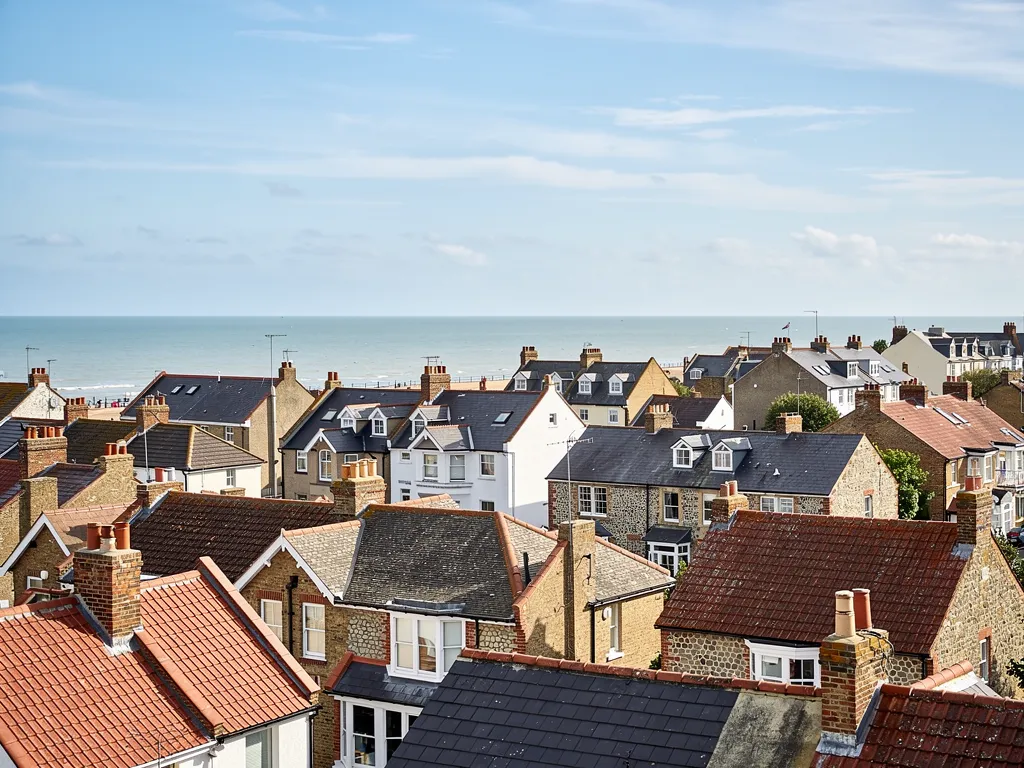
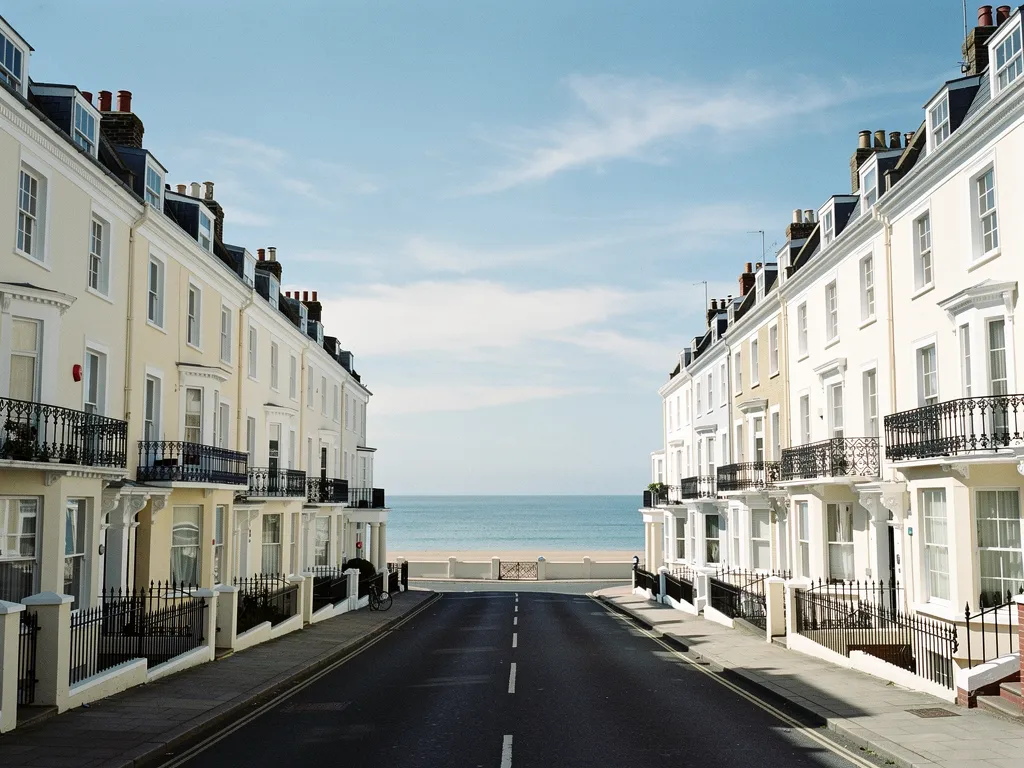
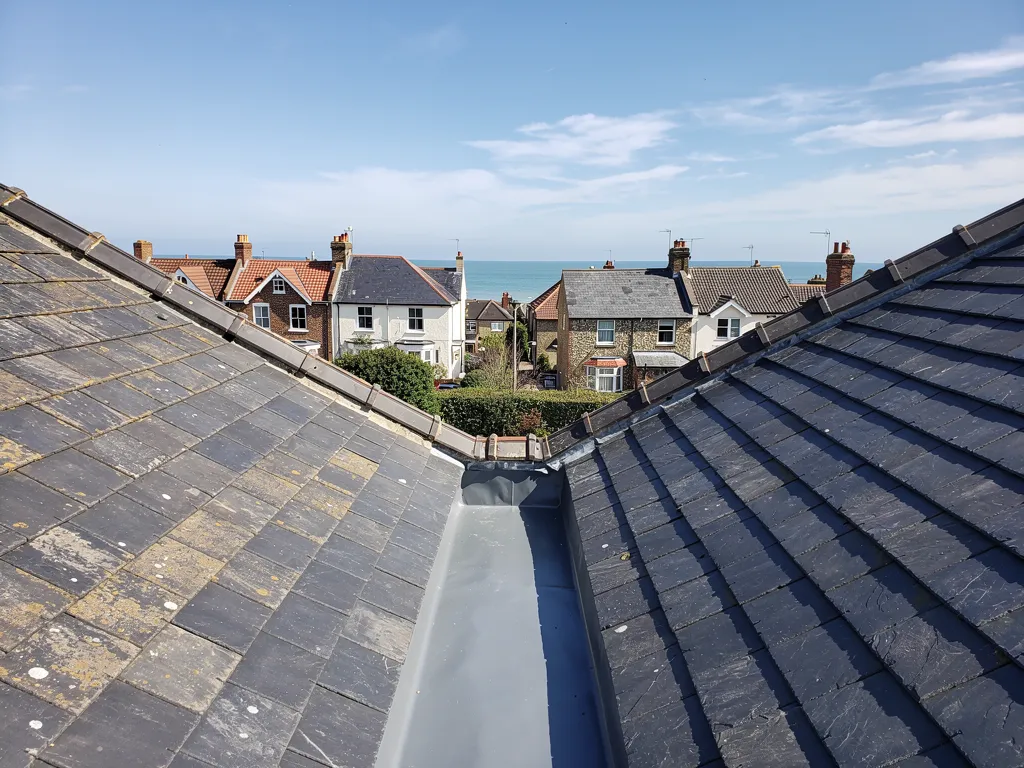
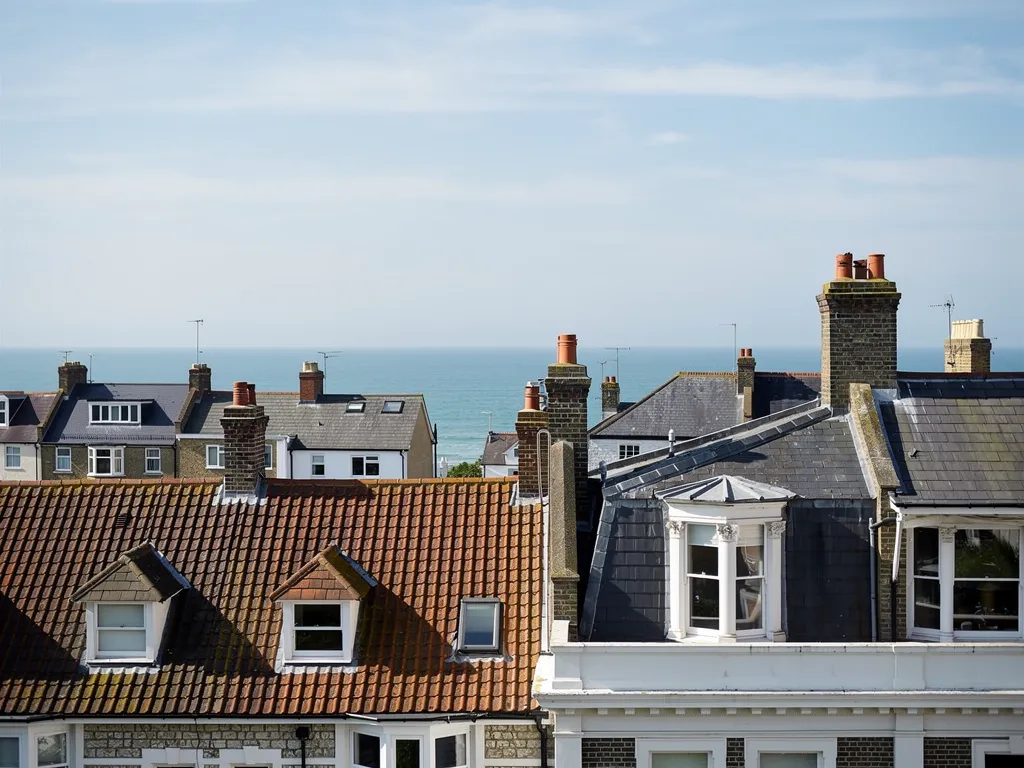
Worthing rooftops of slate and tile running down to the sea

4.1 Tiles, slates and the way they are held

Single-lap tiles, the interlocking type found on most post-war roofs, hook over battens, and many older ones have few nails in them. Wienerberger asks for at least one mechanical fixing on every single-lap tile, set by a site-specific specification that takes in geographic location, altitude and local wind exposure. Marley notes that where a roof pitch is below 30 degrees, the windward slope can be subjected to severe suction, a point that matters on low-pitched extensions and bungalow roofs. Slate roofs fail differently, as nails rust through and slates drop down their course. A tingle is a thin metal strip fixed to the batten and bent up over the tail of the slate, and it holds a replacement slate in place.

Worthing rooftops of slate and tile running down to the sea

4.2 Ridges, hips and verges

The ridge capping runs along the apex of the roof, hips run down its sloping corners, and the verge finishes the sloping edge of a gable wall. The older ones were bedded in sand and cement alone. Since the 2014 revision of BS 5534, tiles along a ridge or hip are clipped or screwed down as well as bedded, and BS 8612:2018 is the test specification for dry-fix ridge, hip and verge systems. Our ridge tile repairs hub covers the choices.

4.3 Salt on boards, metal and gutters

Sea air leaves salt on surfaces that rain does not rinse, and soffits sit under the eaves where rain cannot reach. HomeBuilding observes that salt from the air settles on soffits and fascias for this reason, so we inspect the boards and the fixings of fascia, soffit and guttering after rough weather. Gutter systems are laid to a slight slope towards the outlet, roughly 1:600 to 1:350 depending on the system, so a run that has sagged after a gale will overflow and push water behind the fascia.

Roofs close to Shoreham airport, across parts of Shoreham, Lancing and Sompting, may need the tile manufacturer's advice on fixing, since aircraft can produce wind loads beyond the standard calculation. We bear that in mind when we repair there.

Regular roof maintenance costs less than a night of buckets. Glance up at the ridge and verges after a blow, clear gutters and valleys each autumn, and a yearly inspection from the ground will catch much of what a storm would otherwise find. Good quality fixings, put in once, are what carry a roof through winter.

Fixing standards behind a storm repair

BS 5534
Ridge and hip tiles mechanically fixed since the 2014 revision
BS 8612:2018
Test specification for dry-fix ridge, hip and verge systems
Single-lap tiles
At least one mechanical fixing each, set by site specification
Pitch below 30 degrees
Windward slope can face severe suction
Guttering falls
Roughly 1:600 to 1:350 depending on the system

Source: Marley; wienerberger; BSI; HomeBuilding; Brett Martin and FloPlast installation guides; fetched October 2026

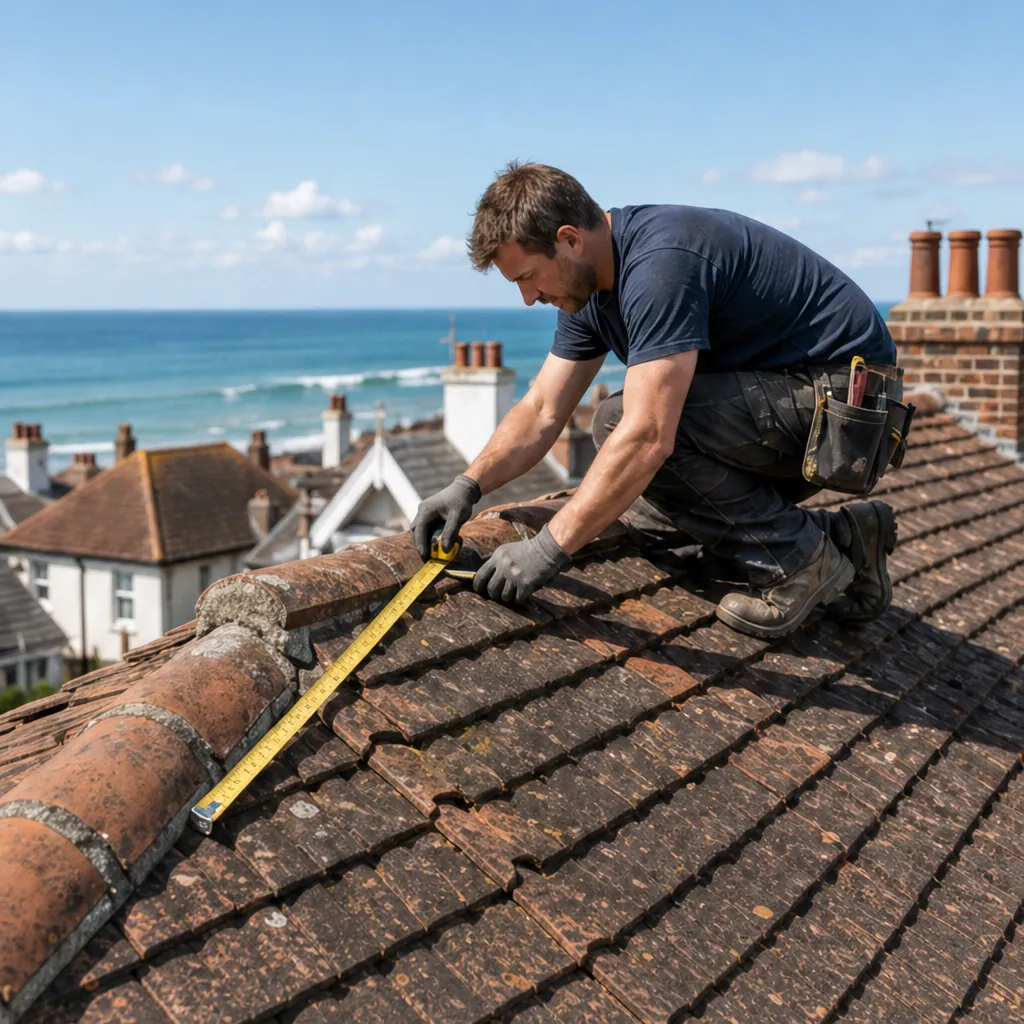
Roofer measuring along a weathered clay ridge, the sea beyond the rooftops

Chapter five

Storm damage, insurers and the wear and tear line

Whether a policy pays depends on the cause; we find and photograph it, and the claim stays yours.

Home insurance for storm damage turns on cause. The Financial Ombudsman Service starts with three questions. Was there a storm on the day? Does the damage look like what storms usually do? And was the storm the main cause, or might the damage have happened anyway? It adds that a storm usually involves violent winds, usually with rain, hail or snow, and that the insurer has to prove that an exclusion applies.

At a glance

  • The Financial Ombudsman asks whether storm was the main cause
  • Gradual damage is often excluded
  • Urgent repair visits you request sit outside the 14-day cancellation right

Note Which? reported Financial Conduct Authority figures in November 2025: just 32% of 2024 storm-related claims ended in a payout.

5.1 Storm damage against wear and tear

Which?, writing in November 2025, notes that insurers often define a storm by strong wind gusts, and gives water entering through a poorly maintained roof as an example of wear and tear. The Ombudsman says gradual damage is a common exclusion too. In plain terms, a roof that was sound until the gale and then lost its tiles sits on one side of that line, and a leak from long-neglected flashing or tired mortar tends to sit on the other.

The claim is between you and your insurer. What we do is find the cause, photograph the fault and write down what we found, in a form you can give to your insurer. Check your policy and speak to your insurer before permanent work, and keep receipts for any temporary repair. Photographs taken before anything is moved or covered carry the most weight, so we take them on arrival and again once the cover is on. Our guide to making a storm damage claim goes through the steps.

5.2 If a claim is turned down

If the insurer says no, put your complaint to them first. Should eight weeks pass without a final answer, or should you disagree with it, the Ombudsman's free service can look at it, and you have six months from the date of the final response to bring the case. The Ombudsman's storm damage page explains what it looks at.

5.3 Your rights when you ask for an urgent visit

Under the Consumer Rights Act 2015, services must be carried out with reasonable care and skill. The usual 14-day cancellation period for contracts made at your home does not apply where you have specifically requested a visit from the trader for the purpose of carrying out urgent repairs, although any extra work sold on top of that visit is still covered by the right to cancel. Ask for anything you agree to in writing.

What people sayIf a roof leaks during a storm, the damage counts as storm damage.

What is trueInsurers look at the main cause, and a leak from gradual wear, such as perished flashing, can be treated as outside cover even if the rain arrived with a gale.

Contractors who knock on the door after a storm, point to damage you cannot see and press for cash and a quick start are worth being careful of. An experienced roofer shows you photographs of the fault, puts the price in writing and gives you time to speak to your insurer before the lasting work begins. Be equally wary of anyone who says a roof must be stripped completely on the spot. A make-safe is a small, quick job, and a full replacement is a decision to make after the survey, not on the doorstep.

A storm repair starts with the cause, and the photographs of it belong to you.

Close-up of Horsham stone slab edges with the oak pegs that hang them on the battens

Chapter six

Costs, scaffolding and permission for urgent repairs

National guides give a starting range; access, covering and storm findings decide where your roof sits.

MyBuilder's roof repair guide gives a typical UK range of £150 to £1,500, with a handful of replaced tiles at £100 to £300 and storm fixes at £500 to £1,500. Re-bedding or replacing ridge tiles is listed at £300 to £600 and chimney repointing at £500 to £2,000. These are national figures, not our prices, and they cover a very wide spread of roofs. Your own figure arrives after the survey as a written quote giving one total, and the cost of replacement, if it comes to that, is quoted separately from the make-safe.

At a glance

  • MyBuilder puts storm damage fixes at £500 to £1,500
  • Scaffolds on the highway need a council licence
  • Listed buildings may need consent for more than like-for-like

The other big variable is what the storm uncovered. A tile repair that reveals soaked insulation, softened battens or underlay that has torn can grow into a larger job. A bungalow with one lifted ridge and a dry loft is a short visit. A terrace where wind has opened a valley and water has run for days along the plasterwork is a bigger one. Photographs come before any price.

6.1 What moves the figure

Access moves it most. A bungalow porch roof may need only a ladder or a small tower, while the front slope of a tall Victorian terrace needs scaffolding. MyBuilder's scaffolding guide lists a standard two-storey set-up at £850 to £1,200. A scaffold that occupies the pavement or road needs a highway licence, which the scaffold firm applies for through West Sussex County Council. The council asks for a minimum of 10 working days' notice, with a fast-track option within one working day at an additional £52, according to its scaffolding page.

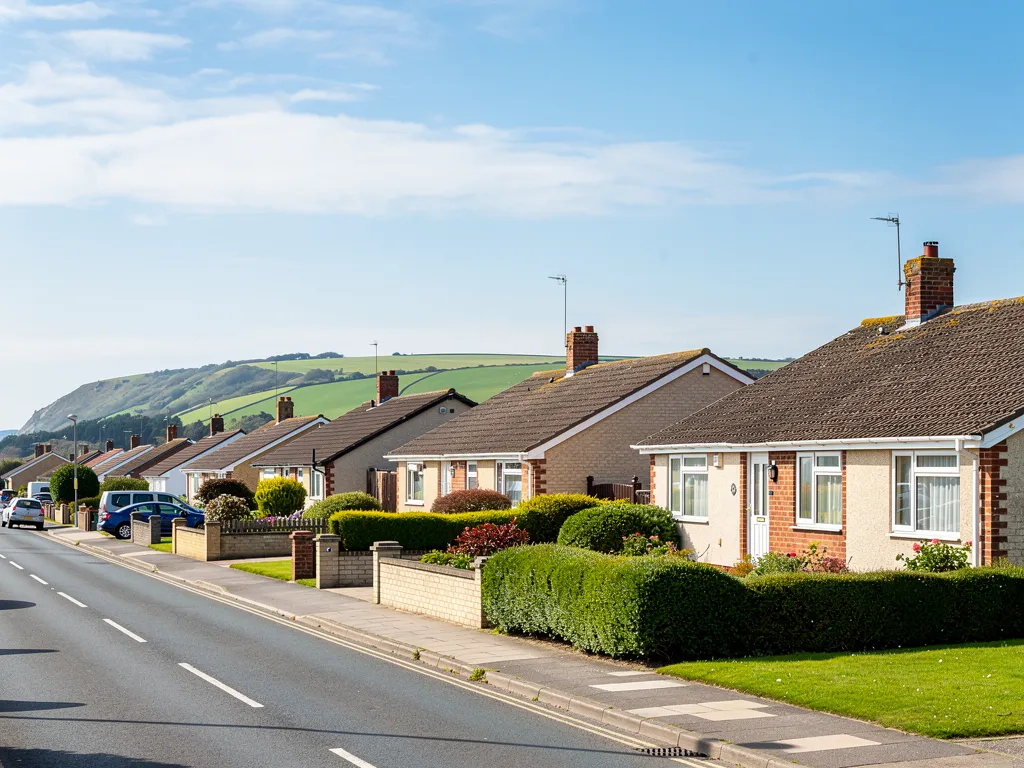
Row of post-war hipped bungalows with tiled roofs on a Worthing street

6.2 Checking any urgent quote

Check that VAT, charged at 20%, is in the figure you are given, and that any scaffolding is too. Ask whether the roofer has been into the loft or priced from the road, whether waste is taken away, and which part of the work is temporary. A price given after someone has been up the ladder and into the loft tells you more than a low number guessed from the pavement. Our prices are good and fair, and we keep the quote to one total price for the job. The guide to the cost of an emergency roof repair goes into the national figures.

Out-of-hours work depends on who is available, and it can add to the price, which is why we say what applies before work starts. Brighton and Hove runs its own scaffold licence scheme, separate from West Sussex.

Typical UK costs around an urgent repair

  • Small repair, a few tiles£100 to £300
  • Ridge tiles re-bedded or replaced£300 to £600
  • Storm damage fixes£500 to £1,500
  • Chimney repointing£500 to £2,000
  • Two-storey scaffold set-up£850 to £1,200

National figures from published guides, not our prices; the written quote follows the survey of your own roof. Source: MyBuilder roof repair, chimney repair and scaffolding cost guides, updated 21/08/2026.

Row of post-war hipped bungalows with tiled roofs on a Worthing street

6.3 Permission for repairs after a storm

Repairs in matching materials seldom need planning permission, but a listed building needs consent when repairs depart from matching materials, and a few Article 4 areas, such as Old Shoreham and Warwick Gardens, remove roof rights. The emergency repairs to a listed or conservation roof guide covers the process. Building control applies once 25 per cent of the building envelope or 50 per cent of the roof is affected. Wildlife in the eaves matters on a make-safe: a bat roost or an active nest changes how we work.

Urgent roof questions answered for Worthing homes

Is a slow drip from the loft hatch an emergency or can it wait for a survey?

A slow drip in dry weather usually needs a prompt survey, not an emergency visit, though water near light fittings is different. If the ceiling is bulging, if rain is falling through, or if it has been raining for days and the drip is getting faster, treat it as urgent. Send us a photo, and we will tell you which category it looks like.

What should I pay for an urgent repair after a gale?

MyBuilder's national guide lists storm fixes at £500 to £1,500, and a few replaced tiles at £100 to £300. Your own cost depends on the height of the roof, whether scaffolding is needed, the covering and what is damaged underneath. We survey first and give you one total price in writing, and any temporary cover is explained separately from the lasting repair.

Can I patch the roof myself with a tarpaulin?

Please do not go onto the roof yourself. Working at height in wind and rain is how people get hurt, and a tarpaulin that is not battened flaps loose and damages the tiles it should protect. You can help from inside: catch the water, protect the room and photograph the damage from the ground. We fit proper temporary cover safely.

Which comes first when water is coming through: the roofer or the insurer?

Stop the water first, because letting the building get wetter helps nobody. Then contact your insurer, read your policy and keep receipts for any temporary work. Some insurers ask to inspect the damage or approve permanent repairs, so speak to them before the lasting job begins. We photograph the cause and write down what we found, so you have it to hand.

Can the survey photographs go to my home insurer?

Yes. We photograph the fault, inside and out, and write down what we found, and you can send that to your insurer as part of your claim. The claim itself is between you and your insurer, and whether a policy pays depends on the cause of the damage and the policy wording. That written record is what we give you.

Does an urgent roof repair carry a cooling-off period?

Not where you have specifically asked a trader to visit for urgent repairs, which is what the Consumer Contracts Regulations say. Any extra work sold on top of that visit still carries the usual 14-day right to cancel for contracts made at your home. Whichever applies, the work must be done with reasonable care and skill under the Consumer Rights Act 2015.

Guides to leaks, storms and urgent roof repairs

Plain answers on stopping leaks, covering damage, storm insurance and urgent costs, written for roofs from Littlehampton through Worthing to Brighton and Hove, and inland to Horsham.

Guides

Quick answers

Tell us about your roof

Describe what is happening and we will call you back to arrange a visit.

  • Photographs of what we find
  • A written quote with one total price
  • Or call 01903 299063
Call Get a quote