Nobody compares prices at midnight with a bucket in the hall. That is why emergency roof work raises so many questions about cost: you want the water stopped first and the figures understood second. The fair answer is that a storm fix covers a wide span, because it depends on what the weather has done and how easily the damage can be reached.
Typical UK guides give one range for storm fixes and a wider one for roof repairs as a whole, and both are set out below with their sources. They are national figures from third-party cost guides, not Watertight prices, and a Sussex roof with awkward access or a coastal exposure can sit outside them.
It helps to think of an emergency job in two stages. The first is the make-safe: stopping water getting in and dealing with anything that could fall. The second is the permanent repair, carried out when the weather and the roof will let it be done properly. This guide covers what drives the cost of each stage, what scaffolding adds, how an insurance excess fits in, and what to check on a quote given to you in a hurry. If water is coming in now, our page on what to do when your roof is leaking comes before any of the figures.
Typical UK ranges for storm fixes and repairs
MyBuilder's roof repair guide (updated 21/08/2026) gives a typical UK range of £500 to £1,500 for storm fixes. The same guide puts roof repairs as a whole at £150 to £1,500 and divides them by size, which is a useful yardstick when you are trying to judge where your own damage sits.
| Kind of work | Typical UK range |
|---|---|
| Minor repair | £100 to £300 |
| Moderate repair | £500 to £1,000 |
| Major repair | £2,500 or more |
| Storm fixes | £500 to £1,500 |
Every figure in that table comes from MyBuilder, updated 21/08/2026. They describe national averages, so treat them as a sense-check rather than a quote.
What the span means in practice
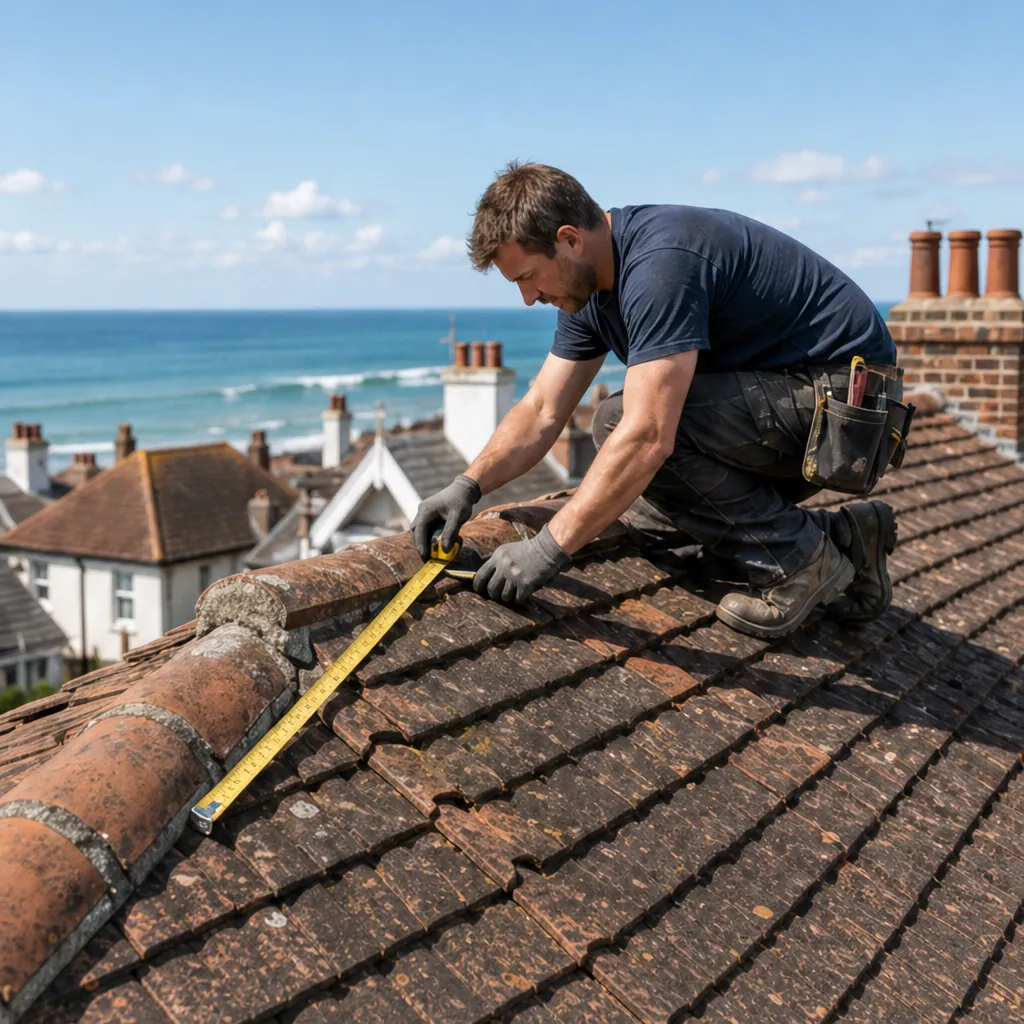
A few displaced tiles on a slope that can be reached safely is a smaller job than a torn-off section of covering, a flashing lifted away from a wall, or a fallen branch that has opened the structure underneath. Storms rarely take out one tile and leave everything else alone, so the survey after the make-safe often finds a second or third fault close to the first. That is the main reason a storm fix can end up well above a routine minor repair.
A range this wide cannot tell you what your roof will cost. It tells you whether a figure you have been given is in the usual territory. What counts is the figure in our written quote after the survey. It is a single total for the work described, and the photographs taken on your roof show what it covers. If a figure is far outside the ranges above, ask what in the survey explains it.
For a closer look at the costs of ordinary repairs outside an emergency, our roof repair cost guide under the main repairs page goes through them by job.
What pushes an emergency call-out up or down
The labour behind a repair is the most predictable part of the bill. Checkatrade's repair guide (table last updated June 2026) gives roofers at £35 to £45 per hour or £280 to £360 per day, exclusive of VAT, and MyBuilder's new roof guide (updated 21/08/2026) gives a day rate of £250 to £300. Emergency work is often priced differently from a planned day's work, and several things explain why.
Time and weather
Work done in the evening, at a weekend or on a bank holiday usually costs more than the same job on a weekday, because the roofer is rearranging a booked schedule. The weather itself adds difficulty. Working on a wet, windy slope is slower and needs more care, and a roofer who judges it unsafe will make the opening safe from inside or wait for a lull. A good roofer will say so rather than climb anyway.
Access, height and materials
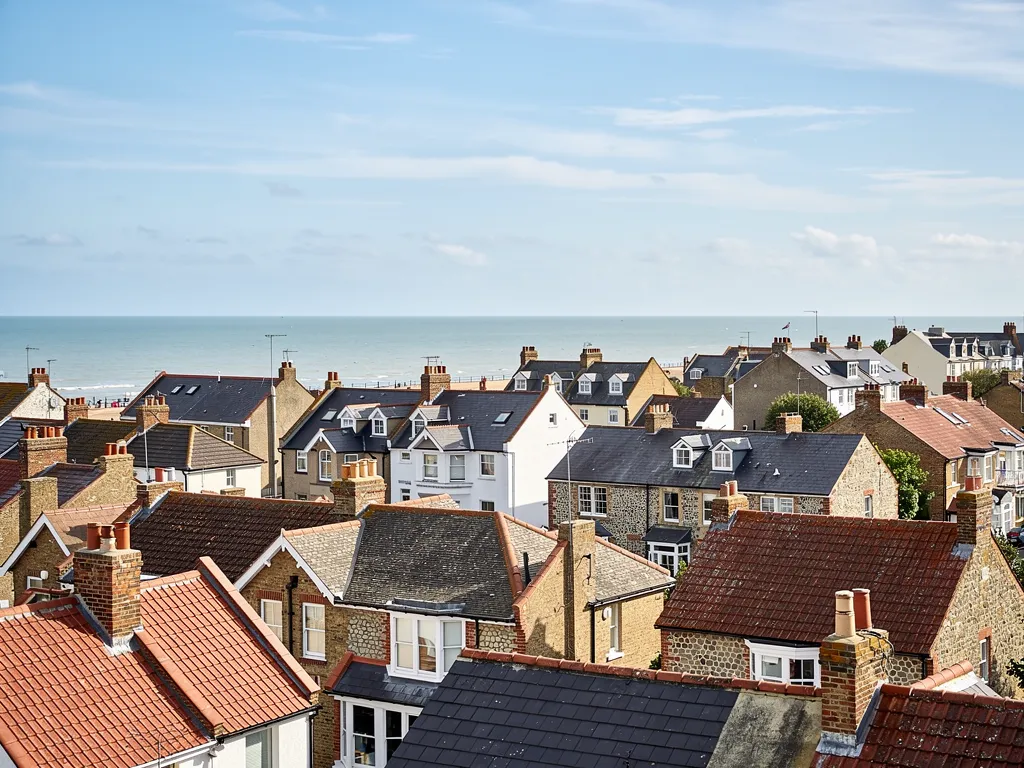
A bungalow roof reached from a ladder is cheaper to make safe than a chimney flashing on a three-storey Victorian terrace. Steep pitches, flat roofs over extensions and slopes above a conservatory all raise the effort. Materials matter too. Standard concrete tiles are easy to match from stock, while old clay tiles, natural slate or Horsham stone may need to be found, which can push the permanent repair back even when the make-safe is quick.
Distance and what is needed
Distance counts as well, and a long drive out to the Downs or the Weald villages can add to a call-out. So can the equipment: a lone roofer with a sheet and a ladder is a different job from a team with a tower and lifting gear.
The wider picture of emergency work, from storms to sudden leaks, is on our emergency roof repairs page.
The make-safe and the permanent repair
Most emergency jobs are really two jobs. The make-safe stops water getting in and removes anything dangerous, using tarpaulin, sheeting, a temporary patch or a rapid re-seating of loose tiles. The permanent repair deals with the cause, using the right materials, fixed the right way, after the slope has dried.
Costing them together can mislead. A make-safe is built to be taken off again. It is a stop-gap for days or a few weeks, not a repair, and the money spent on it does not shorten the permanent job. A separate guide to temporary roof repairs sets out what each type of temporary cover can and cannot do.
That is also why it pays to be wary of a make-safe that quietly turns into the repair. Sheeting fixed over a slope can hide a fault that needs finding, and the longer it sits, the more it can chafe, flap and let water in at its edges. Our order of work is to stop the water, then trace the cause, then recommend the smallest permanent job that will hold.
Why the permanent repair is quoted after the survey
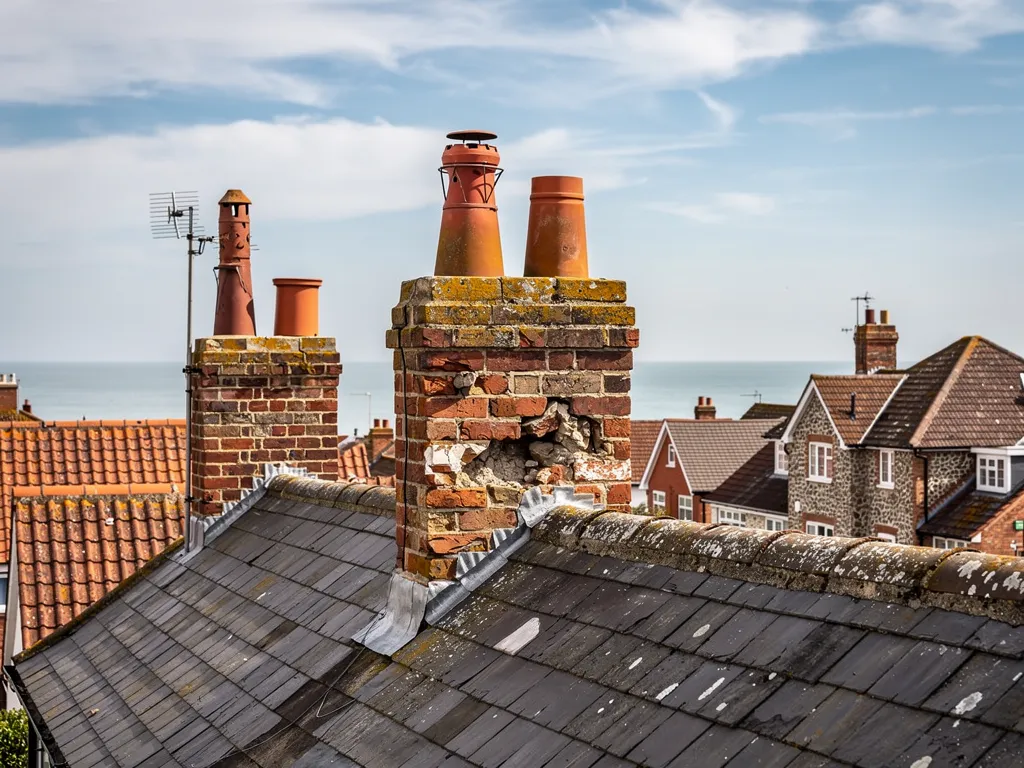
Until the damaged area is exposed and photographed, the cost is a guess. Tiles that look intact can have lost their nibs, a flashing can have worked free along its whole length, and a batten that looks sound can be rotten behind the tile. Once the survey is done, the quote arrives in writing as a single total, and it describes the repair in ordinary language.
Where the damage is small enough, the make-safe and the repair can be one visit. The survey decides that, not the calendar.
When scaffolding becomes part of the price
Many emergency repairs need no scaffold at all. A ladder, a roof ladder or a cherry picker is enough for a handful of tiles on a low roof. Scaffolding comes in when the damage is high, the pitch is steep, or the permanent repair involves a lot of working time at the edge.
MyBuilder's scaffolding guide (updated 21/08/2026) gives a typical UK range of around £850 to £1,200 to scaffold an ordinary two-storey house, and £400 to £900 for a chimney. Those figures are national averages. They do not include a licence where the scaffold stands on the pavement or road.
The highway licence
Scaffolding set up over the footway or carriageway needs a written licence under section 169 of the Highways Act 1980, and the scaffold firm is the one that applies for it. West Sussex County Council licenses scaffolds in Worthing and Adur, and its scaffolding page (updated 27 July 2026) asks for a minimum of 10 working days' notice, publishes a fee of £266 for one month of scaffolding, and offers a fast-track option for an additional £52. Brighton and Hove runs its own licensing with different fees, and asks for a minimum of 3 days' notice.
This is a reason that the make-safe and the permanent repair often happen at different times. Water can be stopped from ladders now, while the scaffold needed for the full repair waits for its licence. It is worth asking at the survey whether the permanent job needs one and whether the quote includes it.
Where a roof is above a drive or a garden with a clear view and the repair is small, tower access can avoid the question altogether. The survey settles which access route is safest for the roof being repaired.

Excess, insurance and the cost you carry
If the damage is covered, your buildings insurance can meet some or all of the cost, less your policy excess. The excess is the first slice of any claim that you pay yourself, and it is set out in your policy schedule. For a small repair, the whole cost can sit under the excess, which makes a claim pointless on money alone. For a larger repair, the excess is a small part of the total.
Do not assume a payout either way. Which? reported in November 2025, citing Financial Conduct Authority figures, that only 32% of storm-related claims made in 2024 resulted in a payout. Insurers usually distinguish sudden storm damage from gradual damage and wear and tear, and the evidence you gather decides which story the claim tells.
Tell your insurer about the damage before you commission anything, then arrange a temporary repair so the damage does not spread, and ask the insurer whether the policy sets any conditions on who does it. Keep every receipt, and have photographs of the damage taken before anything is moved.
Where the full claim process is explained
The steps of a claim, the three questions the Financial Ombudsman Service asks about a storm, and what to do about a refusal all sit in our guide to making a storm damage insurance claim. If you are weighing up whether a claim is worth the excess and the effect on future premiums, that guide is the place to start.
Our job is the roof. We trace the fault, photograph it and quote for the repair, and the photographs and the written quote are the documents you can pass to your insurer.
Checking an emergency quote before you agree
A quote given in a hurry should still be in writing, even if it is a short message. It should say what work is covered, what it will cost in total, and what happens if the survey finds something more. Ask a few plain questions before you say yes.
- Does the price include VAT? The standard rate is 20%, according to GOV.UK, and a price quoted without it can rise by a fifth.
- Does it include scaffolding, if the permanent repair needs any?
- Is the make-safe separate from the permanent repair, and if so, will the temporary cover be taken off afterwards?
- Will you be shown photographs of the damage on your own roof?
Your rights on an urgent visit
The Consumer Contracts Regulations 2013 take a requested urgent repair visit out of the usual 14-day cancellation period. Extra work sold to you during that visit stays inside the cancellation rules. Separately, the Consumer Rights Act 2015 requires the work to be carried out using reasonable care and skill. Our page on consumer rights on emergency repairs covers this in more detail.
Pressure is the thing to watch for. A roofer who insists on payment in cash on the spot, will not put anything in writing, or finds a long list of other faults on a roof that was only leaking in one place deserves a second look.
We price jobs at a good, fair figure, and the survey photographs sit with the written quote so you can check one against the other. If a repair is the right answer, that is what we recommend, and if a replacement is, we explain why.