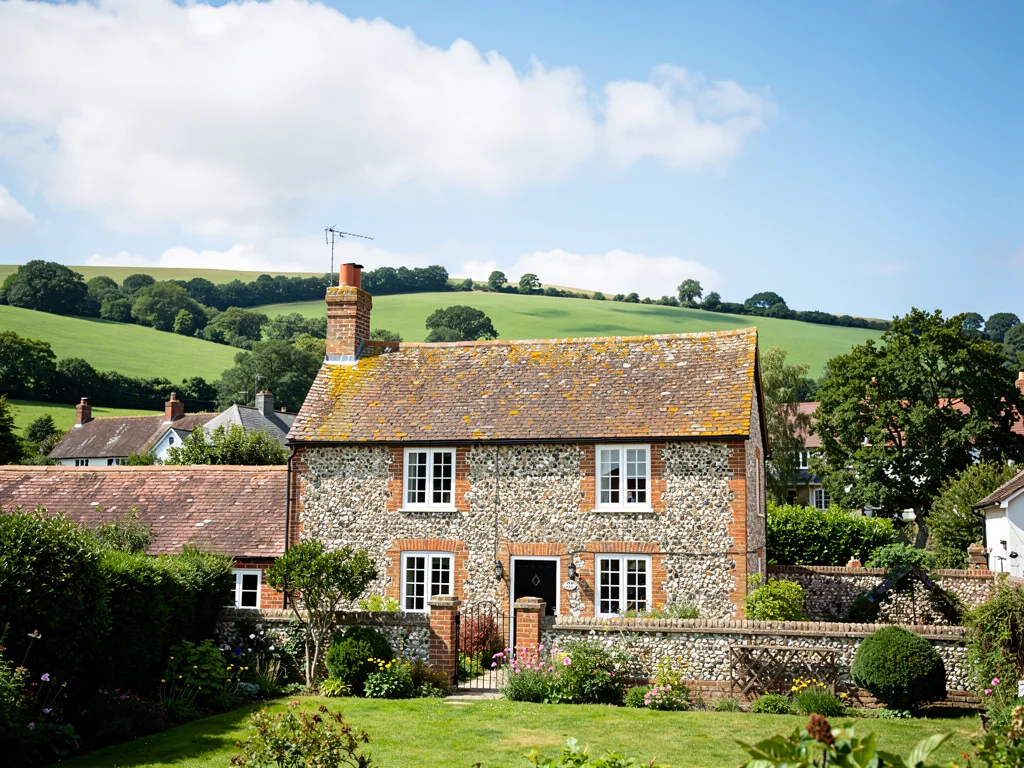
A storm does not check the listing before it lifts a slate. When the roof of a listed house, a flint cottage in a conservation area or a church hall is damaged, the owner faces two pressures at once: the water coming in tonight, and the knowledge that anything done to the roof may be judged against rules about historic fabric.
The two fit together better than they seem. Temporary protection that rests on the roof without cutting into it is usually the right first step, because it stops the weather and leaves every permanent decision open. The permanent repair is where the rules bite, and that is where matching materials, salvage and the planning team come in. Doing the first stage carefully makes the second much easier.
This guide covers what to do in the first hours, why fallen pieces matter, when consent is needed, the special cases of churches and scheduled monuments, and how a permanent repair is planned once the roof is safe. It is general guidance, and your own council's conservation team has the final say on your building.
Making a historic roof safe without harming it
The aim of the first visit is to stop water and remove any danger, while leaving the historic roof as it was found. That shapes the method. On a plain modern roof a roofer might nail battens through the covering to hold a sheet. On a listed roof we avoid fixings that split old slates or stone, and we look for ways to hold temporary cover that do not damage the building.
Cover that rests rather than cuts
A heavy-duty tarpaulin can be run over the ridge and secured to timber battens laid along the eaves and the top of the roof, tied together through the roof space or around the structure, so that nothing is driven into fragile slates or stone slabs. Inside, we place sheeting over insulation and furniture, direct drips into containers and open the area to let air move. Where there is a hole in the covering, boarding laid from inside can sometimes support the sheet while the roof is open.
Danger first
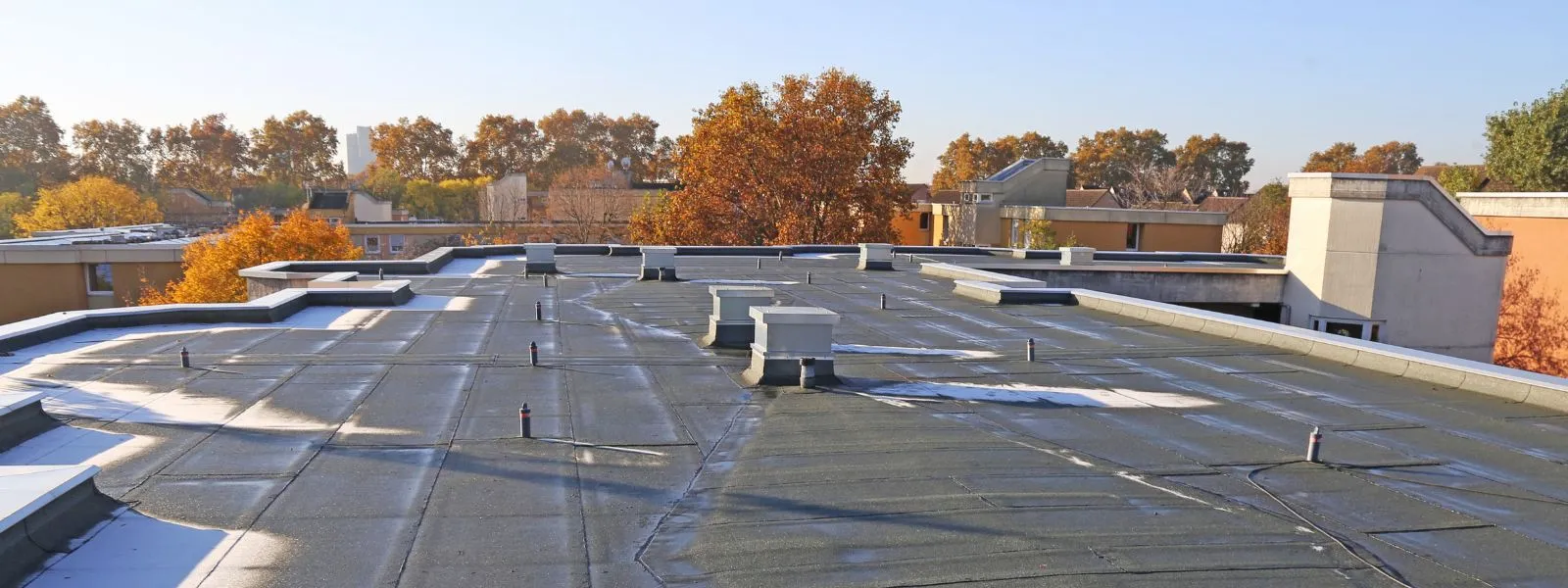
Loose slates, tiles or ridge pieces overhead are made safe before anything else. A lead flashing that has peeled back is pressed down and held until it can be redressed. A leaning chimney stack is cordoned off and, where needed, propped or tied by a specialist. If the damage is severe, see our guide to when a roof problem is an emergency. For a flat roof over an extension or porch, which often sits on a listed house, our page on an emergency flat roof leak explains the options.
The make-safe we recommend is the lightest one that will last through the next spell of rough weather, and dated pictures taken at the start and end of the visit keep a log of the condition we found. Our emergency roof repairs page describes the wider service.
Saving what comes down
On an ordinary roof, a fallen tile is rubbish. On a historic roof it is evidence, and often the best sample of what the permanent repair must match. Every piece that comes off should be kept, wherever it landed.
Gather slates, tiles, stone slabs, ridge pieces and cracked lead, keep them dry and stack them in one place, with a photograph of where each batch landed. Do not break up damaged pieces or send them away in a skip. A broken Welsh slate still tells a conservation officer the colour, thickness and size. A split clay peg tile shows the maker's finish and the local clay. Broken lead shows the thickness and age of the old flashing.
Why it matters for the repair
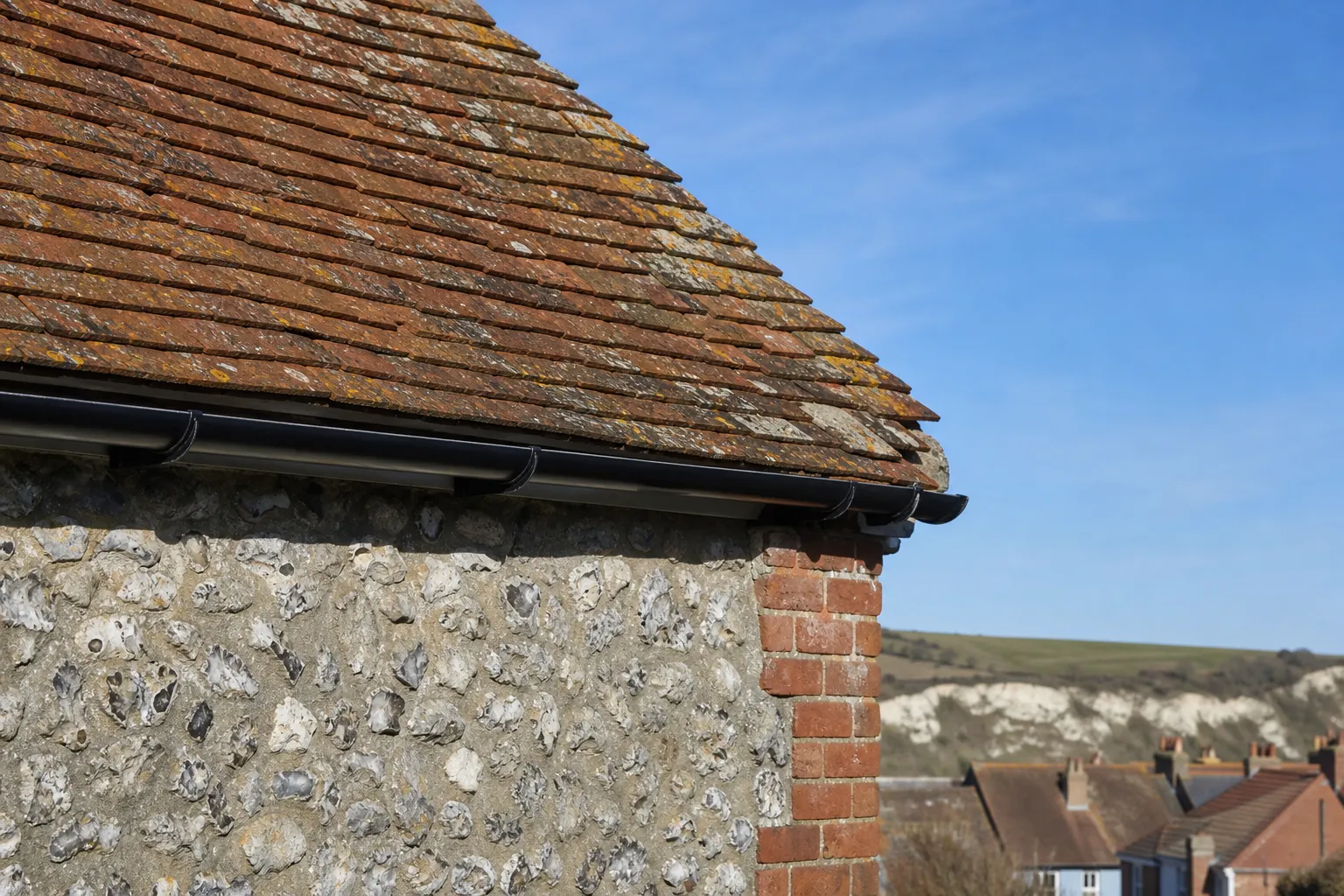
Sussex roofs vary a great deal. Horsham slab and clay peg tiles roof many older buildings in Steyning, as the council's appraisal records, and Old Shoreham has examples of slate and Horsham slab roofing alongside tile and thatch. The Stone Roofing Association's Horsham guide starts with your own roof's stone, and says slates lifted off other buildings should be a last resort, because sourcing them tends to strip another historic roof. Salvaged pieces from your own roof are the best source of matching material.
If stone slabs are involved, keep the big ones apart. Horsham slabs go on in diminishing courses, meaning the largest slabs lie along the eaves and the smallest nearest the ridge, so a slab refitted in the wrong place changes the look of the whole roof.
Keep a short log of the date, the weather and what fell. It supports any consent application and any insurer.
When consent is needed and when it is not
Section 7(1) of the 1990 Listed Buildings Act bars any work that alters a listed building in a way that touches its special interest, unless the work is authorised, and section 9(1) makes doing it without authority an offence. The authorisation is called listed building consent.
That does not mean every repair needs an application. The Adur & Worthing guide treats prudent maintenance and general repairs as needing no special action, yet it names repairs carried out in materials that differ from the original as work that does need consent. The South Downs National Park Authority holds that day-to-day upkeep and minor in-situ repairs matching what was there need no listed building consent. Once a repair alters historic features, or replaces them wholesale, and the building's character changes as a result, consent is required. That second case is the one to watch after a storm, because a big loss of covering tempts a quick wholesale change. Take a little extra time before agreeing it, and put your questions to the conservation team in writing.
Putting it into practice
Refixing a few slipped slates, redressing a lead flashing and replacing a broken piece with a matching one are likely to be like-for-like repairs. Changing the covering from stone to clay, using machine-made tiles in place of hand-made ones, or stripping and relaying a whole slope in a different pattern are the kind of change that needs the conservation team's agreement first. Never assume. Put the question to the planning officers ahead of any permanent work, and keep their reply in writing.
Which team you ask depends on where the building stands. In most of Worthing and Adur it is the shared Adur & Worthing planning team. Inside the South Downs National Park, the Authority is the planning authority.
Conservation areas and the roofs they protect
A conservation area is a different regime from a listing. A building in one is not automatically listed, and renewing a roof in the same covering seldom needs a planning application. The extra control comes from the permitted development rights that some areas have lost.
As the Adur & Worthing planning pages put it, an Article 4 direction does not ban the work outright; it makes the matters named in the direction subject to an application. In certain conservation areas the councils have served directions that take away the normal rights for altering dwellings, including replacing roof tiles. The ones recorded for roofs include Old Shoreham and Kingston Buci, where the directions take away permitted alterations to a roof (coverings and rooflights included) on slopes facing a road or public path, and the right to alter chimneys, flues and soil pipes anywhere on the house. In Worthing, the Warwick Gardens direction also reaches the shape or material of a roof slope facing a street or open space, and the Warwick Place direction covers roof changes where the house faces Warwick Place.
What this means after a storm
An emergency repair that puts the roof back as it was is one thing. A change of material, even for good practical reasons, may need permission where a direction applies. If your home stands in one of these streets, ask the planning team what the direction removes before you accept a quote that changes the covering. For other areas, ask whether any direction applies.
Rights also differ between houses and flats, and between owners and tenants, so a short email to the team with photographs and the address is the quickest way to get a clear answer.
Places of worship and scheduled monuments
Places of worship are a special case. Section 60 of the Listed Buildings Act lifts the usual listed-building controls from a church while it remains in ecclesiastical use. The Ecclesiastical Exemption Order 2010 confines that to named denominations, each with its own approval route.
Who is exempt
An Anglican church that is open for worship is dealt with through the faculty system run by the Church. Catholic and Methodist churches in use, Baptist Union churches held by listed trust corporations and United Reformed churches held on the specified trusts are exempt through procedures of their own. Other faiths, including Unitarian and Quaker meeting houses, are not exempt, so work on a listed building of that kind goes to the local planning authority for approval. A church that has closed for regular worship also loses the exemption, and the council's controls apply from the day worship stops.
The exemption leaves planning permission in force for development affecting the exterior of a listed church or chapel, and a scheduled monument is never covered by it. A churchyard feature can be scheduled, and work on one needs its own scheduled monument consent, and that comes from central government.
For a parish or trustee
If your emergency is a storm-damaged church roof, the first call after the make-safe is to the denomination's own approval body, which for the Church of England is the diocese through the faculty system. Tell them what has happened, send photographs and the make-safe record, and ask what route applies to a temporary repair and to the permanent one.
For a redundant chapel or hall, assume listed building consent applies and ask the council.

Matching materials and the permanent repair
Once the roof is safe and the weather allows, the permanent repair begins with a survey that explains where the water got in and what it affected. We take pictures of what the survey finds, set out the repair and send a written quote as one total figure. The price follows the access needed, the type of covering, how much of it is damaged and what the survey finds.
Choosing the repair
The right job on a historic roof is usually the least invasive one that cures the fault. That means salvaged material used first, new material that matches the old second, and a change of material only when the conservation team agrees. For Horsham stone, Stone Roofing Association guidance prefers double-lap slating to be kept or put back where it can be, and says a switch from single to double lap calls for a check of the roof loading, plus consent when the building is listed. Supply of new Horsham slabs was reported in 2019 to be short, so ask early about sources.
Lead flashings on old buildings are normally redressed or renewed in lead to the original pattern, and mortar fillets stay only where the original detail had them. Ridges on tiled roofs are mechanically fixed to BS 5534, with ridge tiles that follow the existing profile, which we explain on the quote.
Paperwork and what follows
Where consent is needed we explain it and help you prepare the supporting photographs and description for your application. The permanent repair is planned after the make-safe, using matching materials wherever the listing makes that necessary. The ceiling and insulation damage inside is a separate task, covered in drying out after a roof leak, and your position on cancelling and paying is explained in your rights when you call a roofer out urgently.