Once the roof has been made safe and the rain has stopped coming in, the house is still wet. Water has soaked into plasterboard, loft insulation, timber and sometimes brickwork, and it will not leave on its own as quickly as it arrived. What you do in the following days decides whether the damage stays a stain on one ceiling or turns into a musty room, a rotting joist or a ceiling that has to be replaced.
The order matters. Safety comes first, because water and electricity share the same ceiling space in most homes. Then comes removing the water that is easy to remove, then moving air through the damp areas, then checking that the structure is really dry before closing it up. Rushing the last step, usually by repainting a ceiling that still holds moisture, is the most common reason a patch comes back.
This guide takes you through each stage in turn, covering ceilings, insulation, electrics, timber and mould, and shows when it is sensible to call a specialist.
The first day: safety and damage limitation
Start with people and wiring. If water has come through a ceiling that carries a light fitting, an extractor fan or loft cabling, switch off the circuit at the consumer unit, and keep it off until it has been checked. Do not touch a wet fitting, and do not stand in water while you go to the board; if the floor around it is wet, stay back and ring an electrician instead. Our page on a leak near electrics covers that situation in more detail.
Next, protect the house from further harm. Move furniture, rugs and electronics out of the room or to the centre, away from dripping areas, and lift curtains clear. Put buckets and towels under active drips, and empty them often so they do not overflow.
Release trapped water carefully
A ceiling that is bulging holds a pocket of water above the plasterboard. Left alone, the board can collapse without warning. If you can do so safely, place a bucket beneath the lowest point and make a small hole in the swollen part with a screwdriver, standing to the side, so the water drains in a controlled way. Wear eye protection, because the water carries debris and plaster. Our page on a bulging ceiling explains the steps.
Photograph before you clear
Take pictures of the stain, the damaged fittings, the wet insulation and any wet belongings before anything is lifted or thrown away. They record the damage for an insurer and for the roofer, and they let you compare the area as it dries. Keep a short note of the dates and what you did.
Do not turn the heating up to full to dry the room quickly. Hot, damp air carries moisture into cooler places, where it can condense.
Wet ceilings and plasterboard
Plasterboard is a paper-faced gypsum sheet, and it takes up water readily. A light stain on a ceiling that has not sagged will often dry in place. Board that has gone soft, flaked, bulged or sagged between the joists has lost its strength and normally needs to be replaced rather than dried.
How to tell dry from damp
The surface can feel dry while the board and the timber behind it are still wet. A moisture meter, which is a hand-held tool that reads dampness through two small pins or a pad, gives a much more reliable answer than touch. Readings taken over several days show whether the area is drying or holding water. Many tool hire shops and roofers carry one, and a builder or damp specialist can take readings for you.
Ventilate, then dehumidify
Open windows in the room on dry days to move air through. Run a dehumidifier in the room with the door closed so it works on the damp air in that room alone. Fans help move air across wet surfaces. Avoid drying a ceiling with a heater pointed at it, because uneven heat can crack the plaster.
Wait before you decorate
Painting a damp ceiling traps the moisture and leaves a blister or a brown ring that reappears through the new paint. Stain-blocking primer is a cosmetic step for once the area is dry, not a cure. Leave sanding and skimming until the board is fully dry, as damp plaster crumbles and smears.
If the stain keeps returning after the roof has been mended, the roof may not be the only source, and the cause deserves another look.

Loft insulation and the roof space
The loft is where much of the water goes. Insulation sits directly beneath the roof covering, so a leak soaks it before it reaches the ceiling, and soaked insulation loses much of its value as a thermal layer until it is dry again. Mineral wool and glass fibre can hold a lot of water and become heavy, and the extra weight can press a ceiling down on to the joists.
What to do with wet insulation
If the material is only damp at the surface in one patch, lift it clear of the ceiling and spread it out where air can reach it. If it is saturated, compacted or stained, it is usually better to remove and replace that section. Wear gloves, a dust mask and long sleeves, kneel on boards across the joists, and never step on the plasterboard between them. Bag the old insulation and take it to a household waste site rather than leaving it in the roof space.
Timber and the underside of the roof
Check rafters, battens and the ceiling joists for dark patches, soft areas and a musty smell. Timber that has been wet once and dries is normally fine. Timber that stays damp for long periods can decay, and any that feels soft, crumbles under a screwdriver or has a white or brown fungal growth should be looked at by a roofer or surveyor. We look at the same signs on a survey, and tell you what we find.
Ventilation afterwards
Good air movement through the roof space helps it dry and keeps it dry. Check that eaves vents are not blocked by insulation pushed hard against them and that the loft is not stuffed with stored items that stop air moving.
Electrics, appliances and fittings
Water finds the lowest route, and in most houses that follows the cables. A ceiling light, a smoke alarm, an extractor fan or a socket on a wall below a leak can all hold water inside. The fitting may look dry and still carry a fault.
Keep the circuit off until it is checked
If a light has had water in it, leave it off, take the bulb out only if you can reach it without standing on a wet floor, and ask a qualified electrician to check the circuit before it is switched on again. That goes for downlights set into the ceiling, which sit in an open cavity that collects water. Sockets on walls where water ran down inside need the same attention. Do not use a wet extension lead or a plug-in appliance that has been in a damp room.
If the circuit trips repeatedly when you restore power, leave it off and call an electrician. A tripping circuit is a sign of moisture or damage somewhere in the run.
Appliances and belongings
Televisions, computers and speakers that have been in the path of the leak should be unplugged and left to dry in a warm, dry room for some time before they are tested, ideally after a repairer has looked at them. Soft furnishings, rugs and clothing should be dried promptly, since damp fabric starts to smell and spot quickly. Books and paper can be dried flat, with sheets of kitchen roll between the pages.
Record anything you have to throw away, with a photograph, because an insurer will usually want to see evidence of the loss. For what drives the price of the urgent work itself, see our page on emergency roof repair costs.
Mould, damp smells and when to worry
Mould needs moisture, warmth and something to feed on, and a wet ceiling provides all three. Black or green spotting on a ceiling, a musty smell in the room, or a bloom of white on timber in the loft are all signs that moisture has lingered. Surface mould is a nuisance and can irritate the chest and eyes, especially for children, older people and anyone with asthma, so deal with it promptly and keep those people out of the room while you do.
Cleaning small areas
For a small patch on a hard surface, wipe it off with a damp cloth and a mild detergent rather than brushing it, which throws spores into the air. Wear gloves and a dust mask. Do not dry-scrub a ceiling. Use fresh air and a dehumidifier to bring the humidity down, since mould that returns after cleaning usually means the area is still damp.
When it is more than a stain
Large areas of mould, mould behind wallpaper or inside a wall, a smell that does not clear after drying, or mould in rooms where someone is unwell, are good reasons to ask for professional advice. A roofer can tell you whether the roof is still letting water in and whether the loft is ventilated. A damp specialist can advise on treating the room. Where the leak was a slow one that went on for a long time, damp can have spread further than the visible stain, so a thorough check is worth the effort.
When it is dry, and the repair to the ceiling
You can treat the area as dry when moisture readings have levelled off and stayed level across several days, the surface feels dry to the touch, the smell has gone and the room is at its normal temperature. There is no fixed time, because it depends on how much water came in, the weather and the ventilation. A small patch may dry within days, and a heavily soaked ceiling or wall can need considerably longer.
The order of repairs
First, make sure the roof is mended and has stood through at least one spell of heavy rain without letting more in. If the leak starts again, you will have decorated twice. Second, replace any plasterboard that has failed, and fill and skim damaged sections. Third, seal any stains with a stain-blocking primer and paint. Last, put new insulation back and refit any fittings that have been tested.
Timing the roof repair
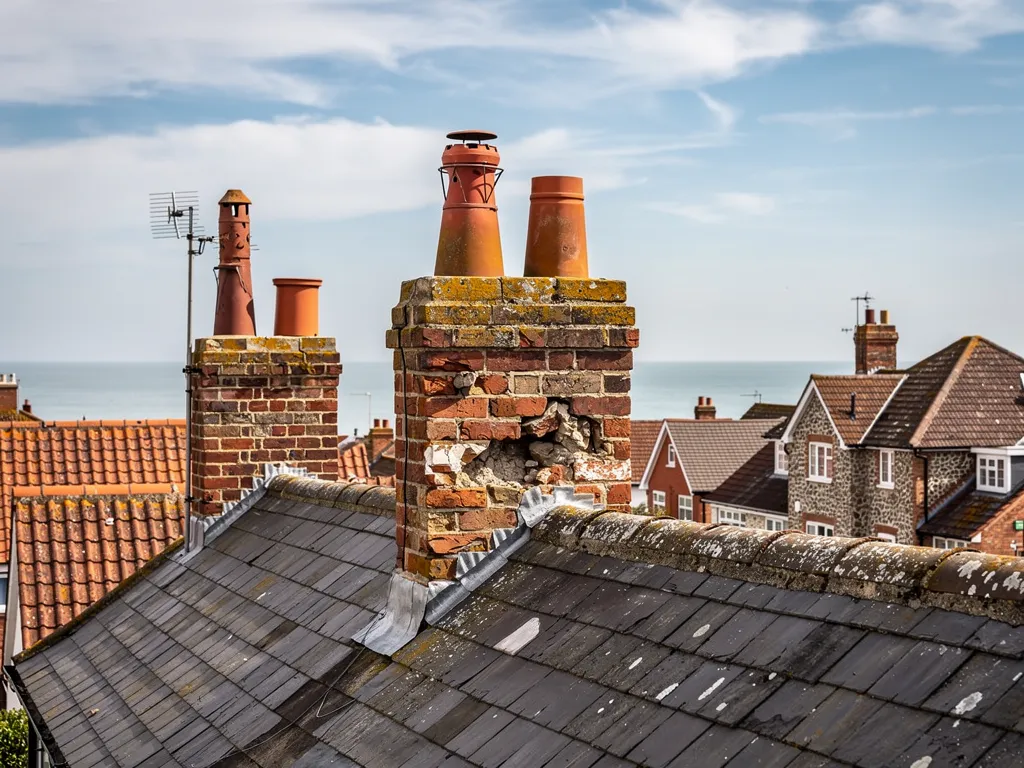
An emergency visit makes the roof safe, and the permanent repair finds the true cause and fixes it. If you have not yet had a visit, our emergency roof repairs page explains how we deal with active leaks. Keep the drying notes and moisture readings so the person doing the repair knows how far the water reached. Roofs on listed buildings or in conservation areas can have added steps, which our guide to emergency repairs to a listed or conservation roof explains. For a chimney that came down in a storm, with brickwork and flashings still damp, see what to do when a chimney falls in a storm.
If you are deciding who pays, and whether you can cancel an agreement signed on the doorstep, read your rights when you call a roofer out urgently. A permanent repair only makes sense once the structure is drying, so we advise waiting until moisture readings fall before the ceiling is closed up again.