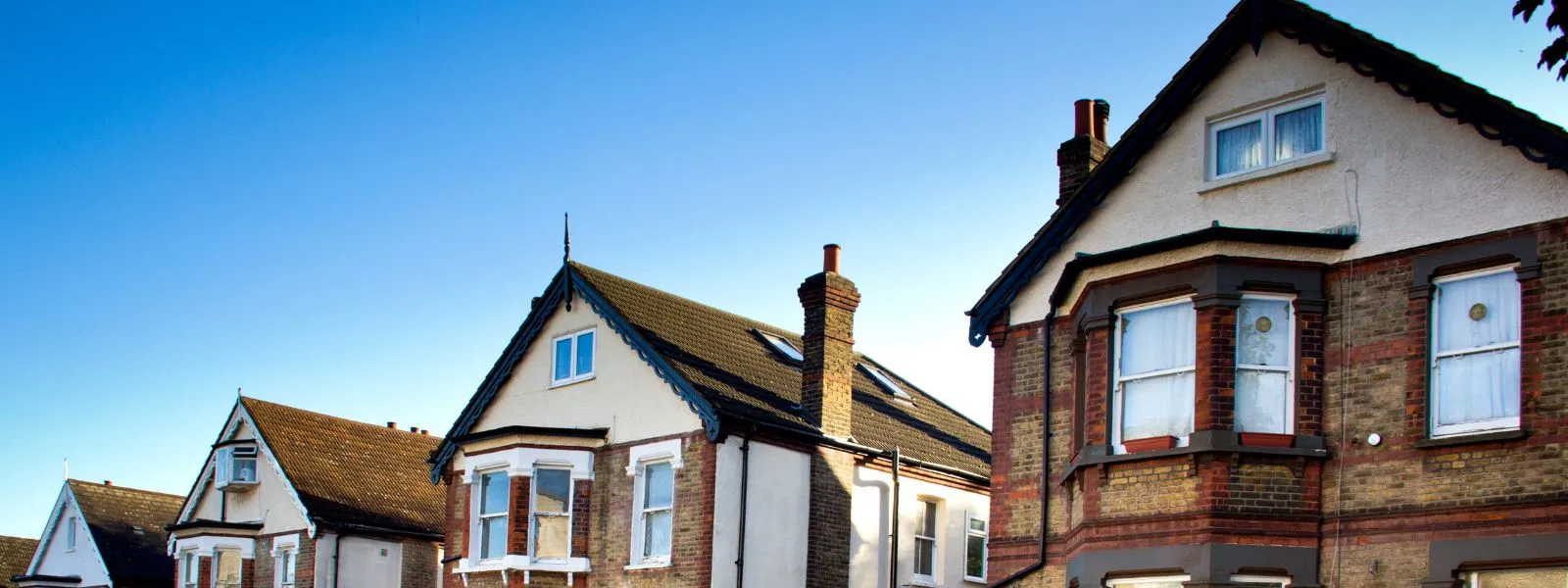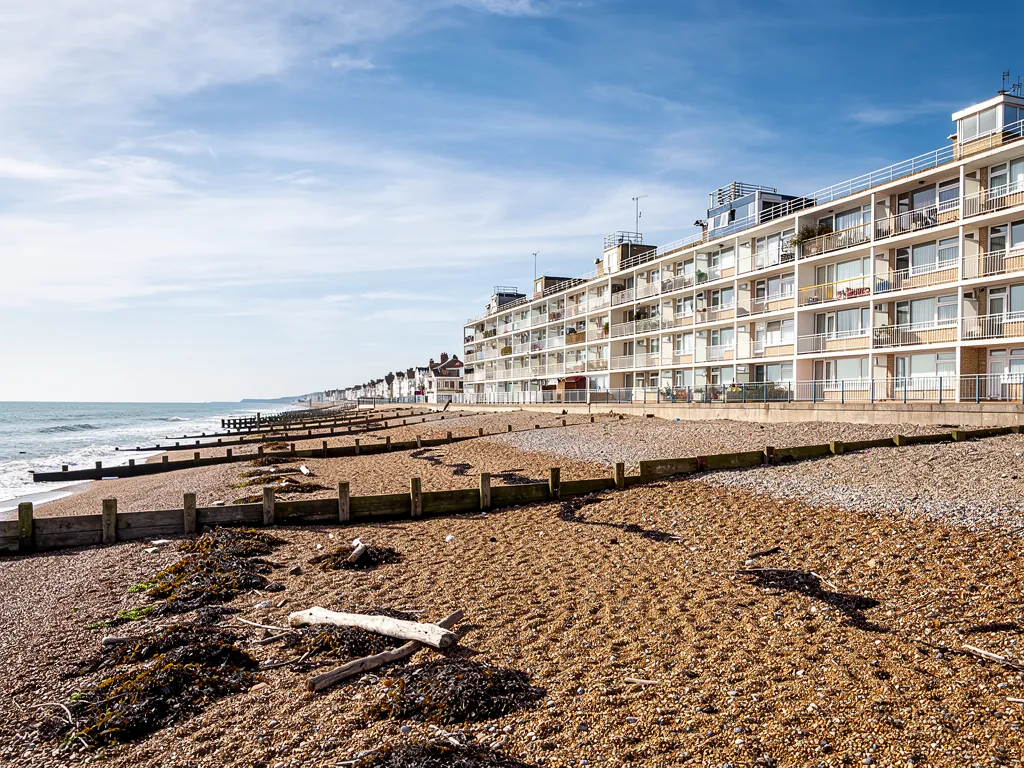
The day after a roof clean, the tiles are at their best, and the growth that was there has gone. But the conditions that grew it have not. Damp air, shade, a north-facing slope and a supply of spores in the wind are all still there, and moss will colonise a clean surface again if it gets the chance. How quickly depends on the roof and the house, and no honest roofer can give you a date.
Most of what slows regrowth is cheap, and a fair amount of it can be done from the ground. Keeping water moving off the roof, keeping the sun and air reaching the slopes, keeping debris out of the valleys and gutters, and looking at the whole thing at sensible intervals will do more than any product.
This guide, part of our roof cleaning and moss removal series, sets out the routine we suggest after a clean. It covers the gutters, the trees, the treatment that may have been applied, how to check the roof yourself without climbing on it, and what a professional inspection involves and costs.
What the first few weeks look like
If the roof was treated with a biocide after the clean, you may see very little change at first, and then some slow changes. The treatment works on whatever growth was left, and the dead material loosens over weeks, not days. You might notice patches of grey or brown that fade as rain washes them off. That is normal, and it means the treatment is working. Please do not go up to scrub it.
If no treatment was applied, regrowth starts from whatever spores and fragments remain in the pores of the tile. Concrete tiles and old clay hold them well. The surface looks clean to the eye while the roots are still there, which is why a thin green tint can reappear on a damp north slope surprisingly early.
Expect some debris to come down. Loose moss that was dislodged, or bits caught in the valleys, may wash into the gutters in the first few downpours. Check the outlets after the first heavy rain, and clear any bits that have collected. It takes a minute and prevents a blockage. Our guide to moss blocking gutters and downpipes explains why that matters.
Keep the garden tidy in the first fortnight too. A wet pile of cleared moss left beside the house can send spores straight back up. We take the waste away when we clear the site, but if any moss from the garden path or the shed roof is still lying around, bag it.
Do not be tempted to put anything on the roof yourself in that period. Mixing a treatment of your own on top of a professional one rarely helps and can stain the tiles.
Gutters, valleys and the water route
Moss grows where water lingers. A roof that drains cleanly is a roof that stays clean for longer, so the most useful habit is looking after the water route.
Gutters need clearing at least when the leaves have fallen and again after the spring seed drop, with extra checks after storms. That is a sensible rhythm, not a rule. A house under a sycamore needs it more often than a house in an open street. Use a scoop, work towards the outlet, and bag what you remove. If you cannot reach, a gutter cleaning visit costs less than the damage a blocked run can do.
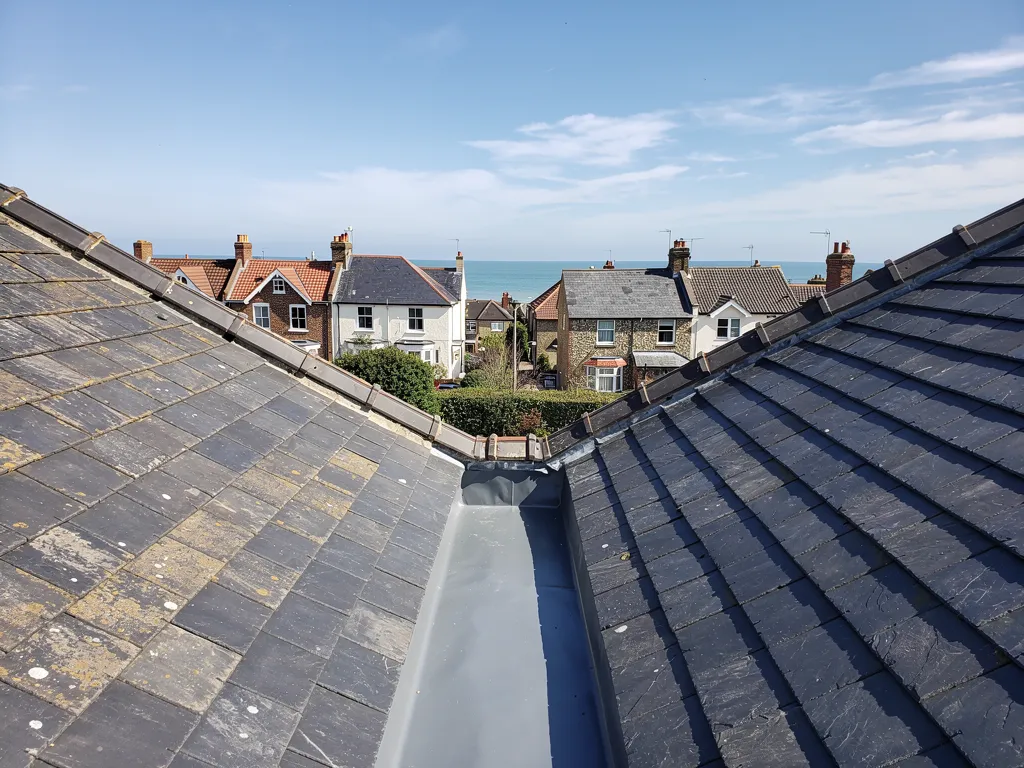
Valleys, where two slopes meet at an inward corner, collect leaves, moss and grit. They carry the water from both slopes, so a choked valley can spill sideways under the tiles. Debris in the open part of a valley can often be seen from an upstairs window or with binoculars. If it is thick, it needs clearing by someone on the roof with a proper ladder or access.
Fall matters on gutters too. Most systems are laid with a tiny tilt to the outlet, of the order of 1:600 to 1:350, and a run that has sagged or slipped off its brackets keeps its puddles even after a good clean. If you see standing water in a dry week, it needs resetting.
Flat roofs and flat sections need the same attention, with extra care for the outlets. Cleaning a flat roof covers the membrane types and what each tolerates.
Last, check that downpipes discharge into a drain or a soakaway, not against the wall. A wall that stays wet feeds green growth that spreads upwards.
Trees, shade and light
Almost every roof that grows moss quickly has something shading it. A tree overhanging the slope drops leaves and twigs, but it also keeps the roof damp by blocking sun and wind, and it drips water onto the tiles for hours after rain. A slope in shade all day takes far longer to dry than one open to the sky.
The remedy is often a pair of loppers or a tree surgeon's visit. Cut back branches that touch or hang over the roof and, if you can, open up the canopy to let the light in. That does more for a north-facing slope than any treatment. Fence panels, tall hedges and a neighbour's conifers have the same effect, though those are conversations rather than jobs.
Before cutting, check two things. Is the tree protected, or is it in a conservation area? If so, you generally need to tell the council before work, so ask the Adur & Worthing planning team. And are there nesting birds? Nests that are in use or under construction are protected by law, so look the tree over first and wait if it is occupied. Timing for the moss itself, nesting included, is covered in the best time to remove moss.
Some shade you cannot change, such as a neighbour's tall evergreens or the shadow of your own gable. In that case, the answer is a regular light brush and a treatment that is reapplied, not heroic cleaning every year. Leaves are the other point: sweeping them off a flat roof or out of a valley before they rot is easier than dealing with a green film afterwards.
Treatments, coatings and zinc strips
A biocide is the usual follow-up to a clean. It is a product that kills spores and algae on the surface and leaves a residue that discourages them for a while. It does not make the roof immune. It buys time, and how much depends on the product, the weather and how shaded the slope is. Our guide to biocide roof treatment explains how it works and what to ask.
Retreatment is a repeat of the same step, done when the first signs of growth return, not on a fixed date. Ask your roofer what the product is, how it was applied, how long it takes to work and whether it is safe for pets, plants and the water butt. Run-off into a pond or a water butt is worth asking about before the work, not after.
Coatings and sealers are sold as long-term protection. We are cautious. A coating over a tile changes how it breathes, can flake, and has to be maintained, and on a historic roof it may need permission. If someone proposes one, ask for the product data and how it is removed later.
Metal strips along the ridge release traces of metal into the rain that runs down the slope, and discourage growth below them. Our page on zinc strips for moss sets out how well they work and where they help. They are cheap to fit at the time of a clean and a poor fit afterwards, since they need a hand on the ridge.
No single product keeps a shaded roof clean indefinitely. The long-term answer is a combination: drainage, light and an occasional light treatment.
Looking at the roof without climbing on it
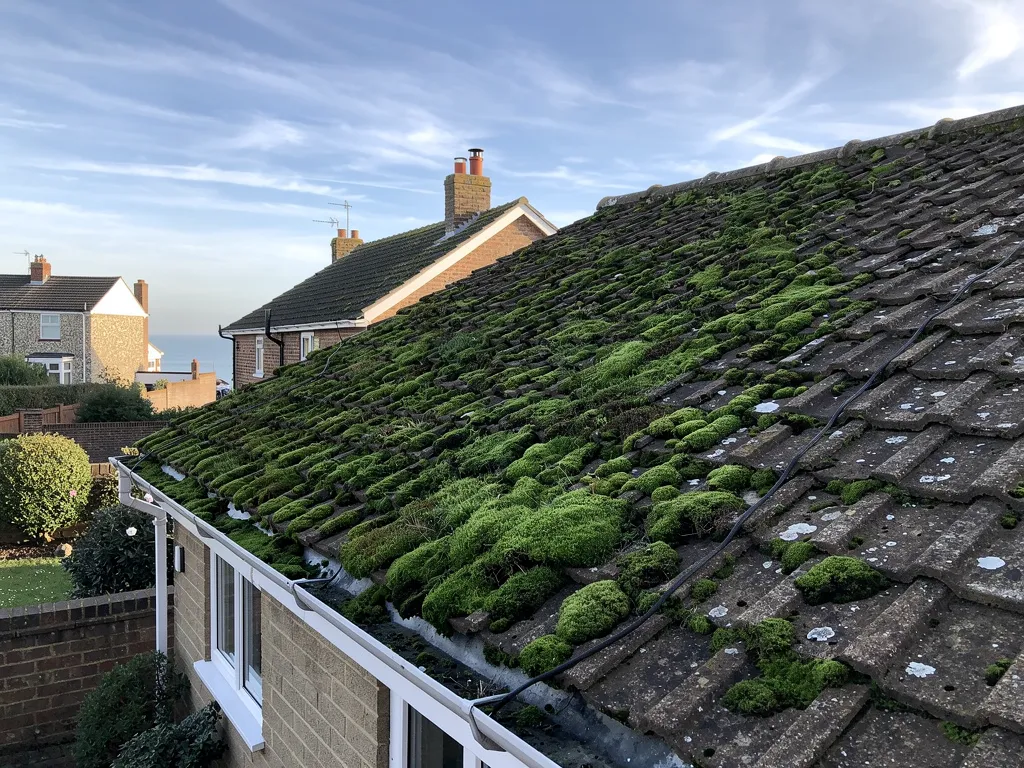
You do not need to go on the roof to check it, and you should not. A walk round the house twice a year, once in autumn and once in late spring, is a good habit, along with a look after any major storm. Stand back far enough to see each slope.
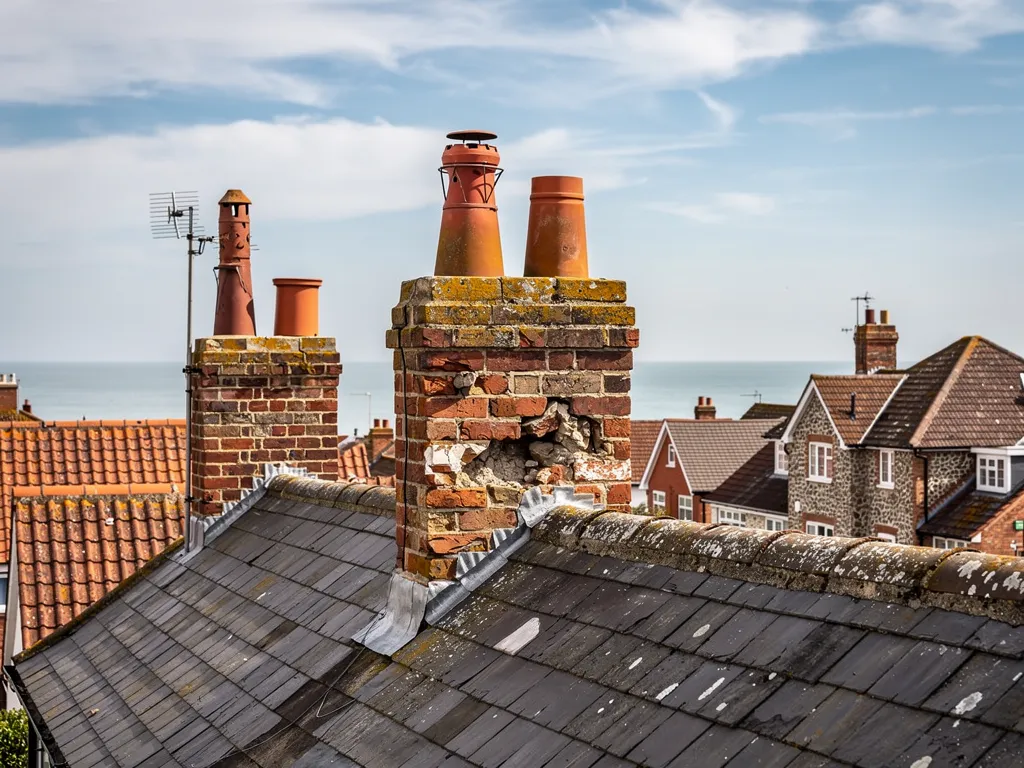
Here is what to look for. A green or black band along the lower courses means the growth is returning. Pale patches where tiles have lost their face can mean the surface is wearing. Tiles that sit proud or have slipped show as a ragged line. Look at the ridge for gaps or missing pieces, at the chimney for cracked mortar and at the lead flashings for lifting. Check the gutters for plants or drips. Binoculars are better than a ladder.
Inside, look at the loft in daylight, safely, from the hatch or from boards, for damp patches on the underside of the roof or the timbers. A smell of damp is also worth noting. Photos with the date on your phone give a record to compare against.
If you are not sure about something, send us the photographs. We would rather say a roof is fine than have you climb to find out. If it turns out to be a fault, we survey it and send a written quote at one total price, with pictures of the problem.
Do not go on the roof yourself. Slate and old tiles break underfoot, wet moss is slippery, and falls from roofs are a serious risk. Leave any step that needs a person on the slope to someone with the right access equipment.
Inspection, repairs and when to book again
A professional inspection is worth having after a bad winter or a big storm, and when you are buying, selling or insuring. MyBuilder's roof inspection guide (updated 21/08/2026) gives a typical UK range of £150 to £250 for a standard inspection, £200 to £400 for a drone survey and £300 to £500 for a thermal one. Those are national figures, not Watertight prices. A cleaning visit already includes a close look at the roof, and the pictures we take go to you.
Should you clean again? There is no fixed interval, and anyone who gives you a number without seeing the roof is guessing. Re-clean when the growth is back to the point where it holds water, lifts tiles or clogs the gutters, and not simply because it looks green. For a sheltered roof that might be several years. For a roof under trees it may be sooner. The same MyBuilder guide gives roof cleaning as starting around £300, with ranges that depend on the roof type, so a light treatment at the right moment can cost less than a full restoration.
Repairs found at a clean should be done promptly. A slipped tile, a cracked ridge or a lifted flashing costs little to put right today and more after the next gale. Where access is the main cost, doing the repair at the same visit saves scaffolding or a tower being put up twice. Our guide to roof cleaning without scaffolding explains when the work can be done from ladders and when it cannot.
To plan the next job, look at what a roof clean costs and the methods roofers use. Nothing is left behind when we go, and the weeks after a clean are the time to watch for regrowth in damp corners.