
Question answered
How long before moss grows back?
The short answer
Moss grows back faster on shaded, damp, north-facing roofs and slower on sunny, open ones, and there is no single timescale that applies to every house. Regrowth starts with fresh spores settling on any damp surface. A treatment after cleaning, trimmed trees, clear gutters and good light all slow the return, while cleaning alone only resets the clock.
No two roofs regrow at the same speed. Light, damp and what overhangs the slope matter more than the cleaning method, so the answer starts with your own roof.
What decides how quickly it returns
Moss spreads by tiny spores that travel on the wind and settle wherever it is damp. A cleaned roof is not protected against them. Whether they take hold depends on whether the surface stays wet and out of the sun long enough for them to start.
Three things matter most. The first is light: a slope that sees little sun stays damp and holds moss easily. The second is moisture, from rain that dries slowly, from shaded gutters that overflow, or from condensation in a poorly ventilated roof space. The third is the surface itself, because old, rough concrete or weathered clay gives spores more to grip than a smooth new tile.
Put those together and you can see why one house is green again quickly while its neighbour stays clear. A cleaning job resets the roof, but it does not change the conditions that made it green in the first place.
Shade, trees and aspect
Trees affect a roof in two ways. They keep sun off the tiles, and they drop leaves, twigs and seeds that sit in valleys and along the eaves and decay into a perfect growing bed. A roof under a mature tree can be fighting a losing battle without some pruning.
Aspect has a similar effect. The side of the roof facing away from the midday sun dries slowest, so regrowth appears there first. Our page on why moss grows on the north side goes into the reasons, and the time before it comes back is usually shorter on those slopes.
Neighbouring buildings, tall fences and walls can cast the same long shadow. If a roof is in shade for much of the day, expect to give it more attention than the sunny side of the street, and plan the upkeep around the worst slope. A single clean every so often will always be less effective than light attention on the slope that needs it.
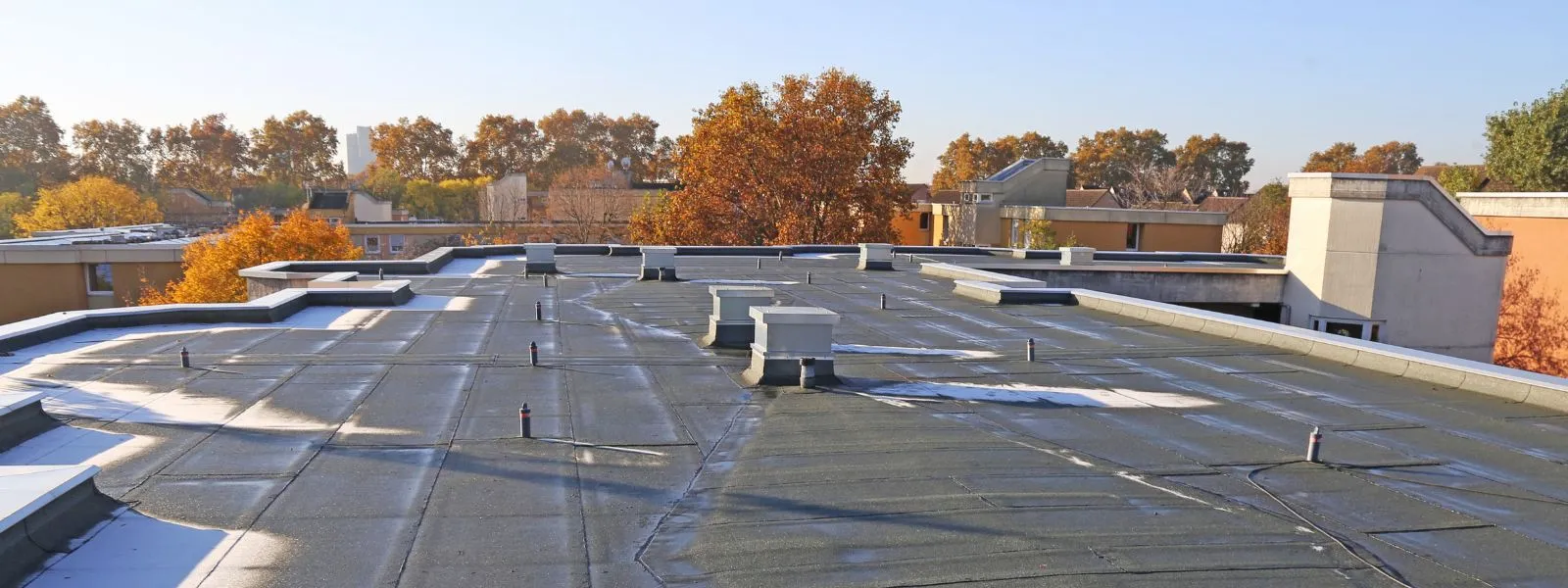
What a treatment does for regrowth
A treatment applied after cleaning leaves a film that discourages new growth. It does not make the tile immune, but it does make life harder for spores, and it can stretch the time before the roof looks green again. It works best on a roof already cleared of loose moss, applied in dry weather as the label asks.
Bleach and homemade mixes do not do this. They tend to lighten what is there and leave nothing behind, as we explain in can you use bleach on roof tiles. A product made for roofs is a different matter, though it still needs the roof to dry out and the shade to be tackled.
Treatments also wear off with rain and weathering, so a protected roof may need another application as time passes. How often depends on the roof, and we would rather judge it from your own tiles than give a figure that does not fit. A dry, mild spell is the right moment to reapply, not the middle of a wet winter.
Coatings and other ways to slow it
Some owners choose a coating that seals the surface. That can change how water behaves on the tile and can slow growth, but a coating is a bigger decision, and not suited to every roof. Read our page on roof coatings before you consider one.
Simpler measures do a great deal. Cut back overhanging branches so more light reaches the slope. Keep gutters and valleys free of leaves. Make sure the roof space is ventilated, so that warm damp air is not condensing on the underside and keeping the tiles wet.
These are practical, low-cost steps, and they tackle the cause rather than the symptom. They are also the ones that tend to get skipped, even though they cost far less than another clean. Roof windows, chimneys and valleys are worth a look as well, because water and debris collect around them and give moss a foothold before it reaches the open tiles.
Knowing when to act again
Light green on a shaded corner is a prompt to watch, not to panic. Act when the growth thickens, spreads into valleys, or starts to lift tiles and fill gutters. A yearly look from the ground in good light is enough to catch it. Our page on how long a roof clean takes shows what is involved if you decide to book another.
Returning growth is normal and does not mean the first clean was poor. Moss is persistent, and a bare slope is simply an open invitation. What you want is to catch it while it is thin, when a gentle clean is enough and the roof has not been left damp for years. Our roof cleaning and moss removal page describes how we plan this with owners, starting from a survey of the slopes.
Regrowth questions
Why is my roof green again so soon?
Usually because the conditions have not changed. Shade, damp and spores from nearby roofs or trees are still there. Trimming branches and treating the cleaned surface both help, and so does clearing the gutters.
Does moss grow back on a roof coating?
It can, on any surface that stays damp and shaded. A coating may slow it, but it does not remove the need to look after the roof, and a shaded slope will still need checking each year.
Tell us about your roof
Describe what is happening and we will call you back to arrange a visit.
- Photographs of what we find
- A written quote with one total price
- Or call 01903 299063
10-year workmanship guarantee, in writing.