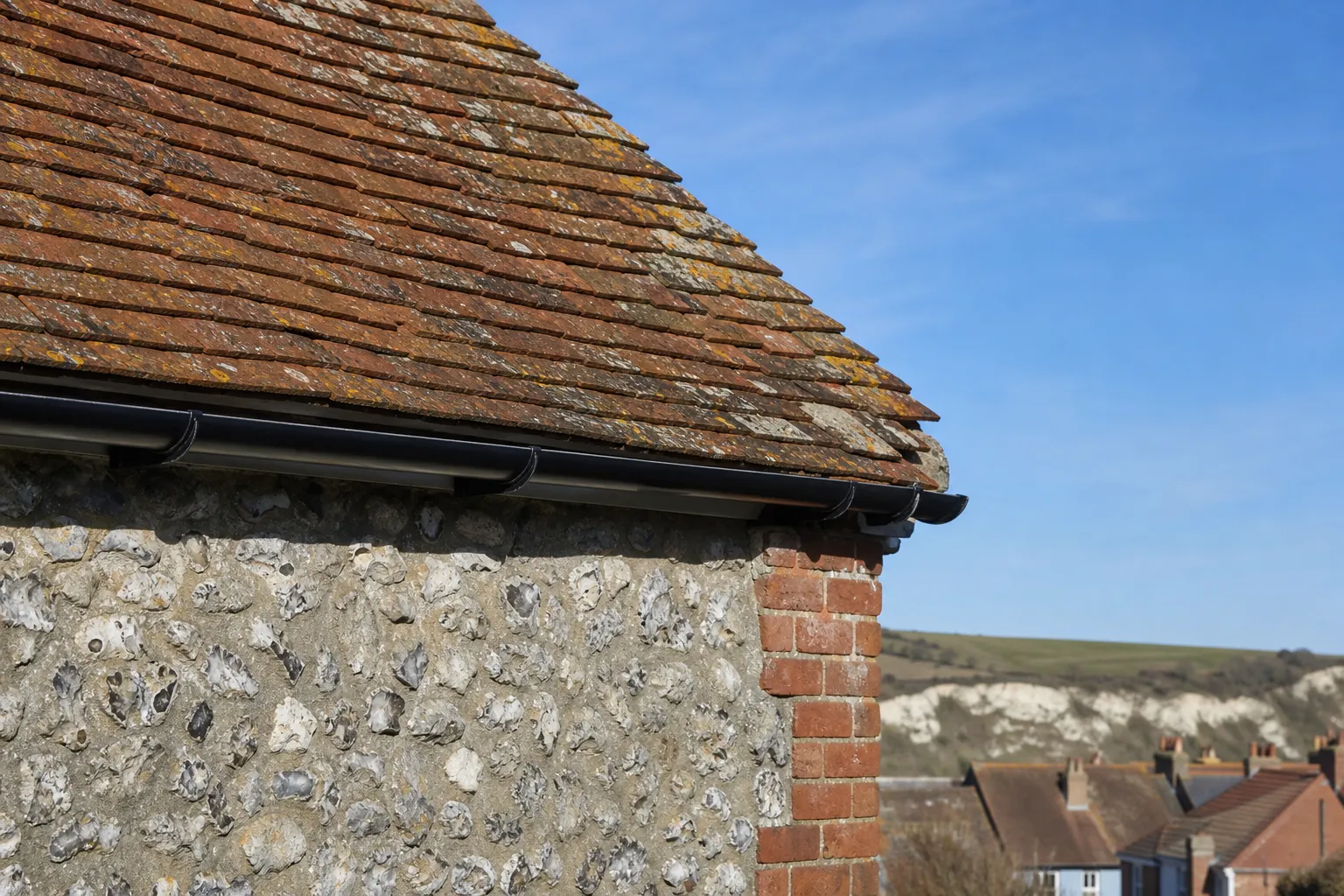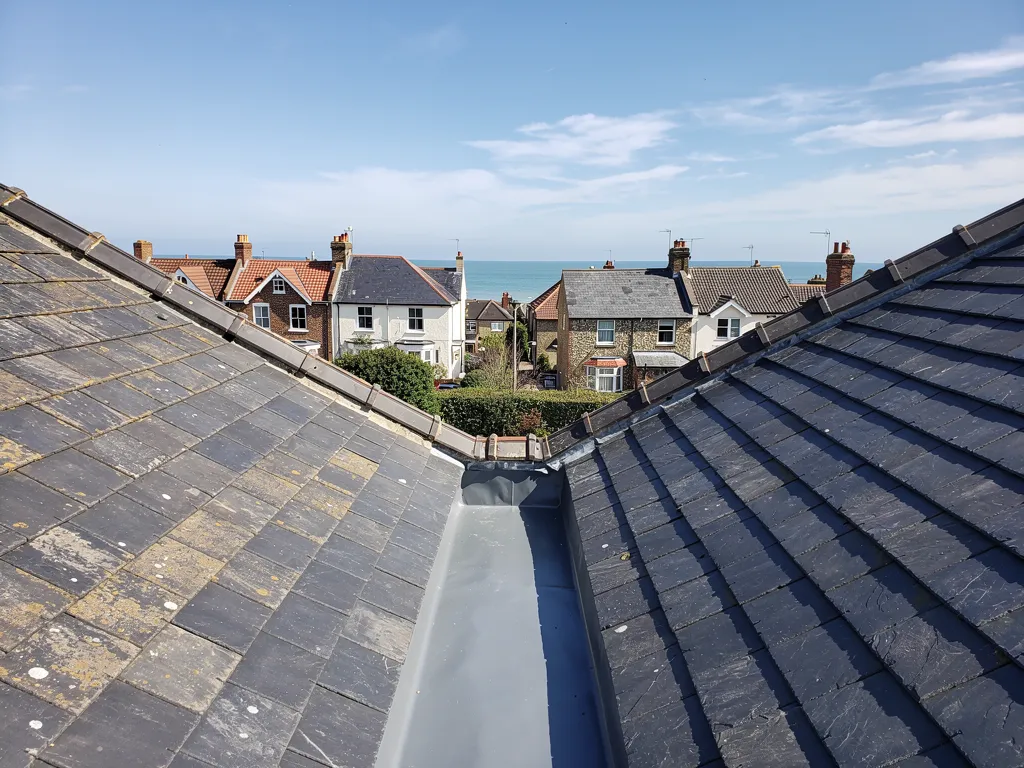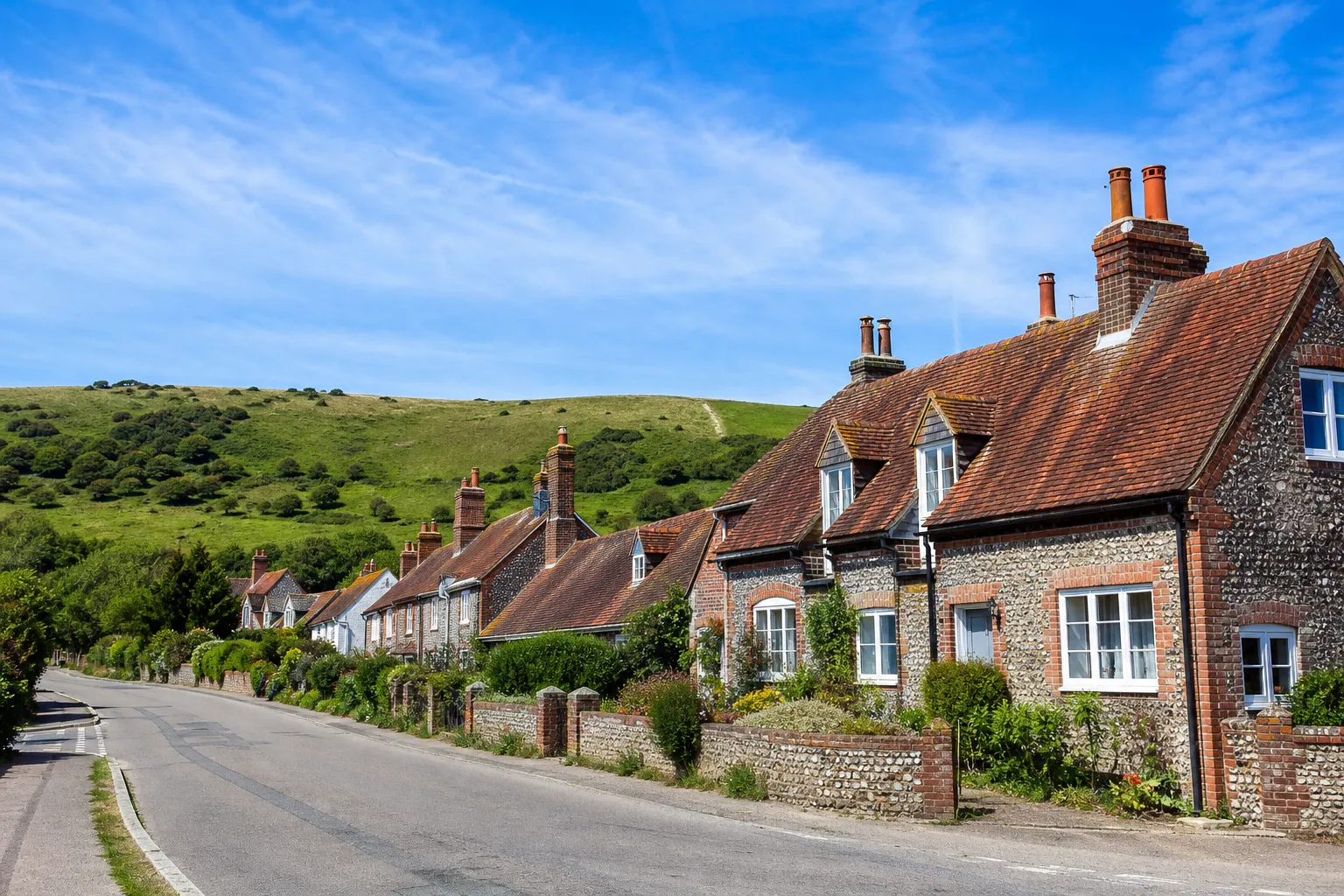
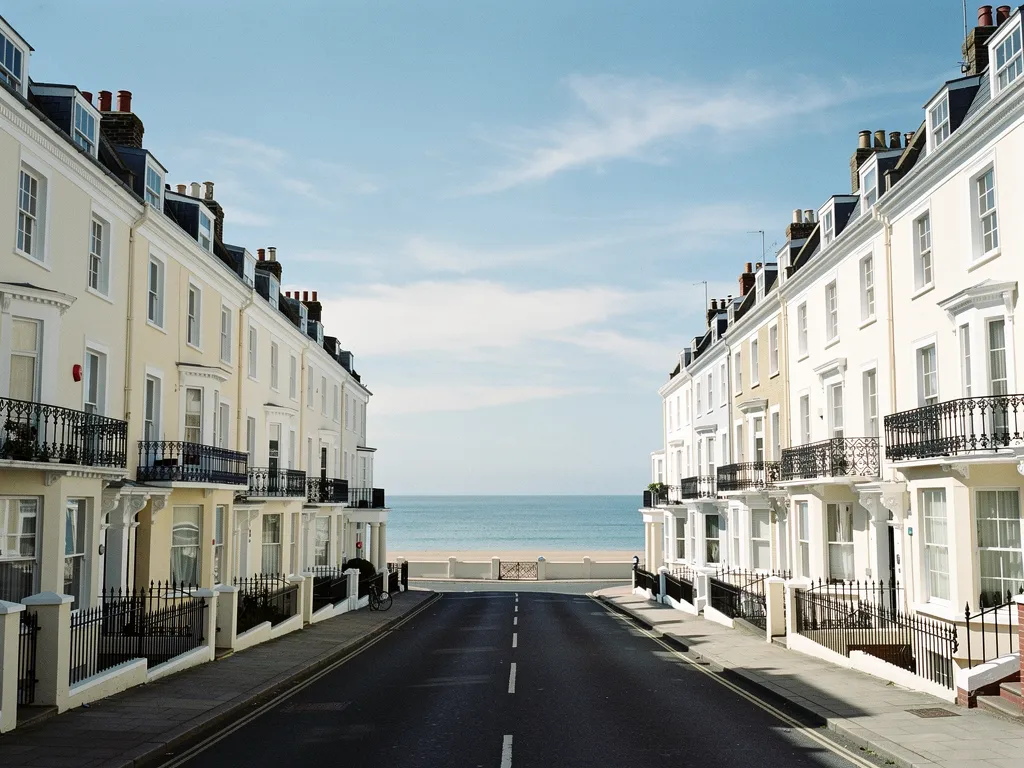
Walk along a Victorian terrace or past a flint farmhouse and the gutters tell you something about the building. Cast iron half-rounds and ogees, with their moulded fronts and chunky brackets, belong to the architecture as much as the windows do. They were made to last and many have. Where one is leaking or rusting, though, it is easy to be told that the answer is a plastic run, because plastic is cheaper to supply and quicker to hang.
That advice can be right and it can be wrong. The decision should rest on what the metal is doing, what the building needs and what rules apply to it. A rusty gutter with sound castings can be cleaned, repaired and repainted for a fraction of the cost of replacing it. A run that is cracked and worn through in several places is a different matter. A listing takes the choice of material out of the owner's hands.
This guide sets out how to read the damage, what restoration involves, when replacement is sound, and how consent works for listed buildings and places of worship. It sits within our wider guide to gutters, soffits and fascias.
Why iron still suits old buildings
Cast iron is poured into a mould and left to set, which gave Victorian foundries the freedom to produce deep, decorative profiles that no extruded plastic matches. The classic shapes are the half-round, the ogee, which has an S-curve in its front, and square and deep-section types with beaded or fluted faces. Each has matching stop ends, angles, brackets and rainwater heads, the box-like funnels where a gutter hands its water to a downpipe.
On old buildings the material works for practical reasons as well as visual ones. Iron is heavy and stiff, so it holds its line along a long run without bellying, and it carries a full load of water without flexing. It does not go brittle in the sun in the way plastic can. If the paint is kept up, an iron gutter can go on for a very long time.
What it asks of the building
The weight is the cost of that stiffness. Iron needs brackets fixed into sound timber or masonry, and the fascia or the wall behind it has to be able to carry the load. Every iron job therefore starts with the fixing. A sound gutter on a rotten board comes down in the end, so the rafter feet and the board get examined first.
The profile also matters when work is done. An ogee gutter replaced with a half-round changes the look of the eaves at once. Where a house is in a conservation area, or is listed, that kind of change has to be thought through, which the later sections cover.
Reading the damage on an old run
Most of what matters can be seen from a ladder, and some of it from the pavement. A run that has been neglected tells its story in a few places, and we go through them in order.
Rust and scale
Surface rust is orange and powdery and can be brushed off to sound metal. Scale is different: thick, flaking layers that come away in sheets and leave pitted metal below. Scale on the inside of the channel, where wet silt sits against the iron, is the usual starting point for a hole. Pushing a screwdriver gently against a rusty patch shows the difference quickly. If the tip stops, the metal is sound. If it goes through, that section is finished.
Cracks, joints and brackets
Cast iron is strong in compression but brittle, and it cracks rather than bends. Frost is a common cause: water left standing in a blocked run or downpipe freezes and splits the casting. A hairline crack that is wet after rain is a sign. Each joint is bolted and sealed, and the seal dries and fails with age, which shows as a drip, a green stain or a line of rust at the joint.
Brackets deserve attention because a gutter that is full of water is very heavy. Look for a sagging line, brackets pulling out of the fascia and bolts that have rusted through. A sag also leaves water standing, which speeds up the damage.
None of these is a reason to condemn a run by itself. What decides the matter is how many sections are beyond saving and whether matching replacements can be found. We record each fault so you can see the same picture we do.
What proper restoration involves
Restoring an iron run is mostly patient preparation. The aim is to get the metal clean, sound and sealed before any paint goes on, because paint over rust only hides it for a season.
The first job is to clear the channel and the outlets of silt and leaves. Next the old paint and rust come off with scrapers and wire brushes, back to bare metal where the film has failed. Any sound metal then gets a primer suited to iron, followed by finishing coats. The inside of the channel is the part owners forget, and it is the part that fails first. It needs the same treatment as the outside.
Joints, brackets and falls
Leaking joints are undone, cleaned, resealed with a suitable jointing compound and bolted up again. Rusted bolts are replaced. Loose brackets are refixed into sound material or swapped for new ones of the same pattern. The run is rehung to a gentle fall towards the outlet, since a level or backward-sloping gutter holds water that rots the iron from within.
Downpipes and the rest of the system
A gutter is only half of the job. Cast iron downpipes, shoes and hoppers rust and crack in the same ways, and a blocked pipe is the usual reason a gutter overflows or splits in frost. Our page on downpipes sets out how they are built and where they fail.
Restoration costs less than replacement when the castings are sound, and it keeps the original profile, which matters on an older building. Done properly, it also leaves you with a run that will give years of service as long as the paint is renewed from time to time. By the sea, keep rinsing off the salty film that settles on the backs of the gutters and the brackets, as explained in salt deposits on fascias and soffits.
When replacement is the sounder choice
Sometimes the metal is beyond help. When several lengths are cracked, holed or scaled through, or when the run has been repaired and re-repaired until little original iron is left, new castings or a different system make more sense than another patch.
The choice is between like-for-like iron and a substitute. New cast iron guttering is still made, in standard profiles, and secondhand lengths can be found from salvage. Both give the correct appearance and weight. They also cost the most of any option, and the new ones need painting as soon as they go up, or even before.
Lookalike materials
Cast aluminium and moulded plastic imitations copy the profiles of iron without its weight. They go up faster, need no painting in the case of factory-finished versions and cannot rust. Up close the detail is softer, and the joints and brackets can look different. On an ordinary house in a street without special status, a good lookalike is often the practical answer. On a listed building it is the wrong one unless the conservation officer agrees.
Our comparison of gutter materials sets uPVC, aluminium and cast iron side by side for cost, weight and upkeep.
Deciding with evidence
We work out which lengths are sound and which are not, and we show you each fault in a picture. If a handful of sections can be swapped for matching castings while the rest is restored, that is usually the least expensive way of keeping the character of the house. Where the whole run has gone, we tell you plainly and set out the options, including the consent question if the building is protected. Our gutter lifespan guide gives a wider view of how long any material should be expected to serve, at how long gutters last.
Listed buildings: when consent is needed
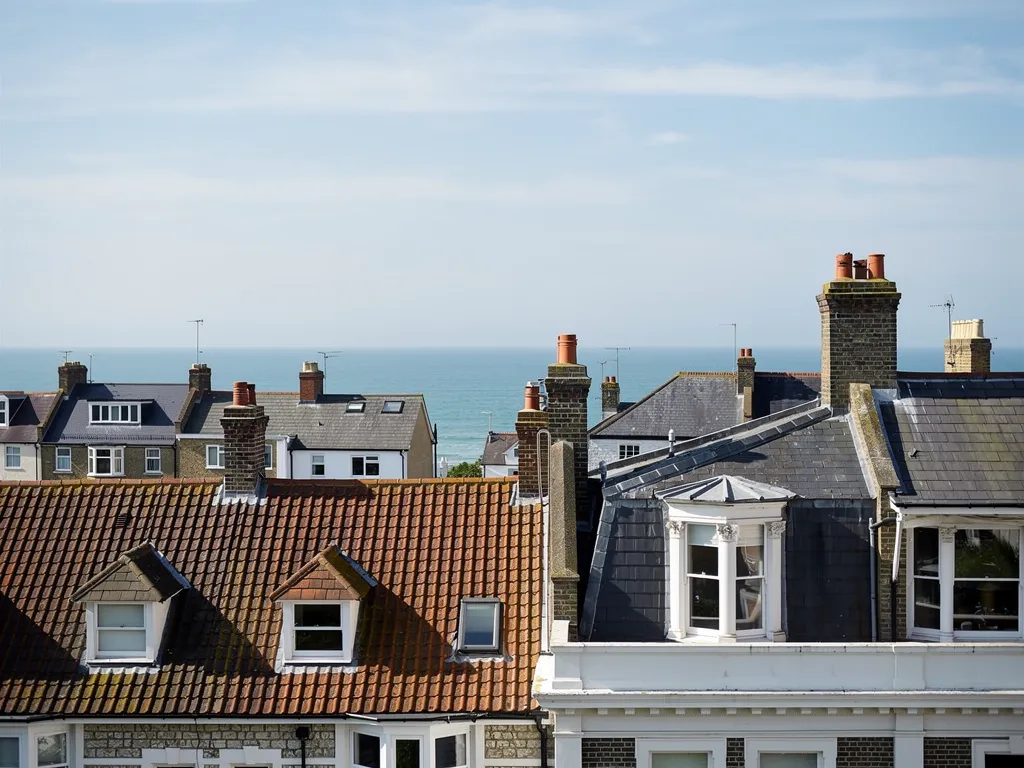
If the building is listed, work to its gutters is not just a matter of choosing a material. The Planning (Listed Buildings and Conservation Areas) Act 1990 forbids alterations that change a listed building's special architectural or historic character unless they are authorised (section 7), and section 9 makes breaching that rule a criminal offence. It is the owner who carries that risk, whoever does the work.
What the councils say
The Adur & Worthing guide to listed building consent lists work that needs it, and one example is a repair done in anything other than matching materials. The same guide adds that sensible maintenance and general repair call for no special action unless an owner wants to alter the building. Clearing, repainting and resealing an iron run with the same profile and material is maintenance. Replacing it in plastic is a change of material.
Inside the South Downs National Park, the Authority draws the line in the same place. Ordinary maintenance and minor mending in place, matched to the original, needs no consent. Once a repair changes the character of the building by altering historic features or replacing them entirely, consent becomes necessary.
Conservation areas and unlisted older homes
A conservation area is not the same as a listing, and iron gutters on an unlisted house are not automatically protected. Some local Article 4 directions remove permitted development rights for particular alterations. Before you change the material or profile of a visible run, put the question to the Adur & Worthing planning team, or to the National Park team where it applies.
Ask first. A short enquiry costs nothing, and we will describe the proposed work for you in the terms the council needs.
Exemptions for worship and ancient sites
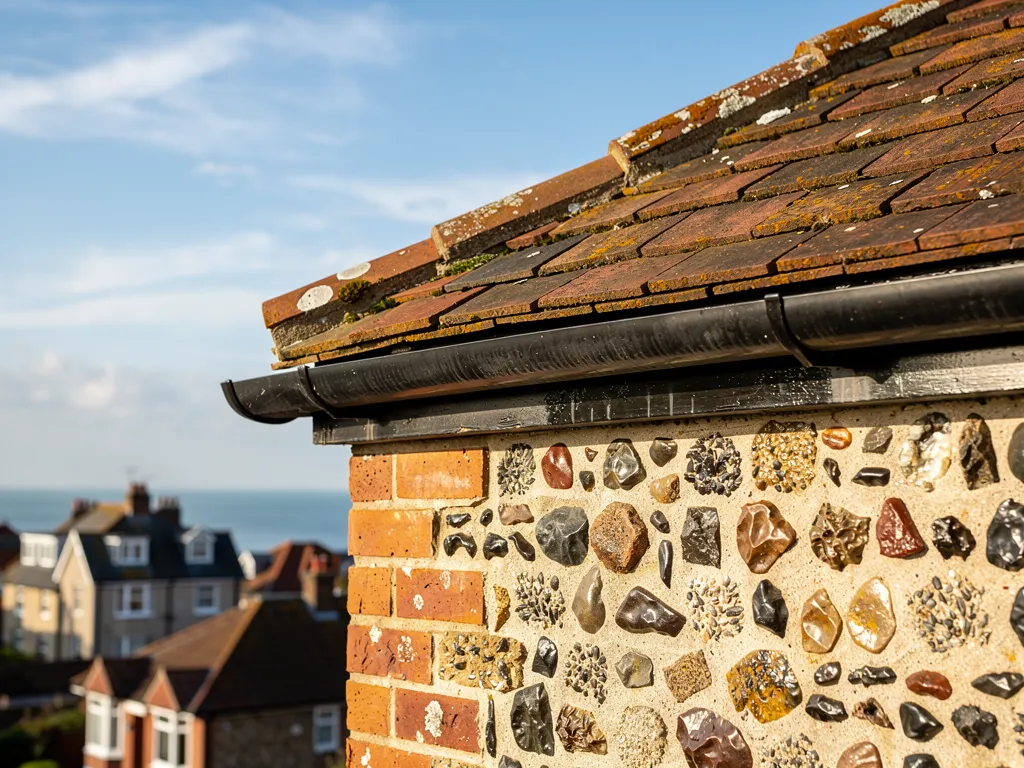
Places of worship and ancient monuments follow their own routes, and it helps to know which applies before any scaffold goes up.
The ecclesiastical exemption
Section 60 of the 1990 Act says the listed-building provisions do not apply to an ecclesiastical building that is for the time being used for ecclesiastical purposes. The detail is set by the Ecclesiastical Exemption (Listed Buildings and Conservation Areas) (England) Order 2010. Under it, a church that is listed and in regular use by one of the five named bodies (Anglican, Roman Catholic, Methodist, Baptist or United Reformed) follows that denomination's own approval route, not the council's. For the Church of England that is its own faculty system.
It is narrower than people assume. Other faiths and denominations, such as the Unitarians and the Quakers, are not covered, and a church that has closed, or a chapel that has stopped holding services, loses the exemption. Those buildings need listed building consent from the local authority like any other listed property.
Scheduled monuments
A scheduled monument, which can include a feature in a churchyard, needs scheduled monument consent for works that repair or alter it, granted at national level, and the ecclesiastical exemption never covers it. Government guidance advises anyone unsure whether consent is needed to ask before beginning work.
For a church or chapel with an iron gutter, the practical step is to find out which route applies before the survey, speak to the person who looks after the building and let the correct body approve the method. We can describe the proposed gutter work, show the condition of the existing run and fit in with the approval process.