The fascia is the long board that runs along the eaves at the foot of the roof, and the gutter hangs from it. Every rafter end sits behind it, so it holds up the gutter, seals the gap beneath the lowest row of tiles and frames the front of the house. When the board is poor, you tend to see it first as flaking paint, a gutter that sags, or a dark stain where water has crept in behind it.
Timber was the only choice for centuries. Plastic boards arrived later and are now on most modern homes. Neither is simply better. Timber can be repaired in small pieces and suits an older house, but it needs paint and attention. uPVC, the rigid plastic used for window frames and boards, needs little care but cannot be mended in the same way, and it looks wrong on some buildings.
This guide compares the two on the points that decide the job: how long each lasts, how each copes with sea weather, how they look, what rules apply to older properties, and what moves the price. This is one part of our wider guide to gutters, soffits and fascias.
What the board actually has to do
A fascia does real work at the roof edge and is far more than trim. It carries the weight of the gutter, plus whatever water is sitting in it after a downpour. It covers the ends of the rafters, which are the sloping timbers that make up the roof frame, and it stops wind from lifting the first row of tiles. On many houses it also forms the front edge of the ventilation gap that lets the loft breathe, together with the soffit, the panel fixed beneath the overhang.
That is why the material matters less than the condition of what lies behind it. A new board screwed to soft rafter ends will not last, whatever it is made of. We look at the rafter feet before anything is priced, and we photograph them so you can see what the board is fixed to.
Where each material is weakest
Timber is weakest where water collects: the bottom edge, the joints between lengths and the end grain, the cut surface of the wood that soaks up moisture like a straw. Once paint cracks at one of those points, damp gets in and rot follows from the inside, where it cannot be seen.
uPVC does not rot, but it moves. Plastic expands in sun and shrinks in the cold, and a board fixed without room for that movement will bow or open at the joints. It can also discolour and become brittle with age, particularly on boards that took a lot of sun.
So the real question is what each material asks of you over the years. Timber asks for upkeep. uPVC asks for correct fitting once and then very little.
How timber fascias behave on this coast
Softwood, usually pine or spruce, is the standard timber board. It is cheap to produce and takes paint well, but it is not naturally durable, so the paint is the protection. On a house with sea weather arriving at the front, the coating faces gales, wet weather, salty air and hot, bright spells in summer. Salt does not rot wood directly, but a film of it holds moisture on the surface and keeps a cracked coating damp.
The good news about timber is that it forgives. If one section has gone soft near a joint, a carpenter can cut it out and splice in new wood, then prime and paint the repair. A board that is sound but tired can often be stripped back, treated and recoated. That repairability is the main argument for timber, and it matters on a house where you want to keep the original profile.
Hardwood boards, such as oak or sapele, last longer between coatings and can be oiled or stained rather than painted. They cost more and are less often fitted on ordinary homes.
What upkeep really involves
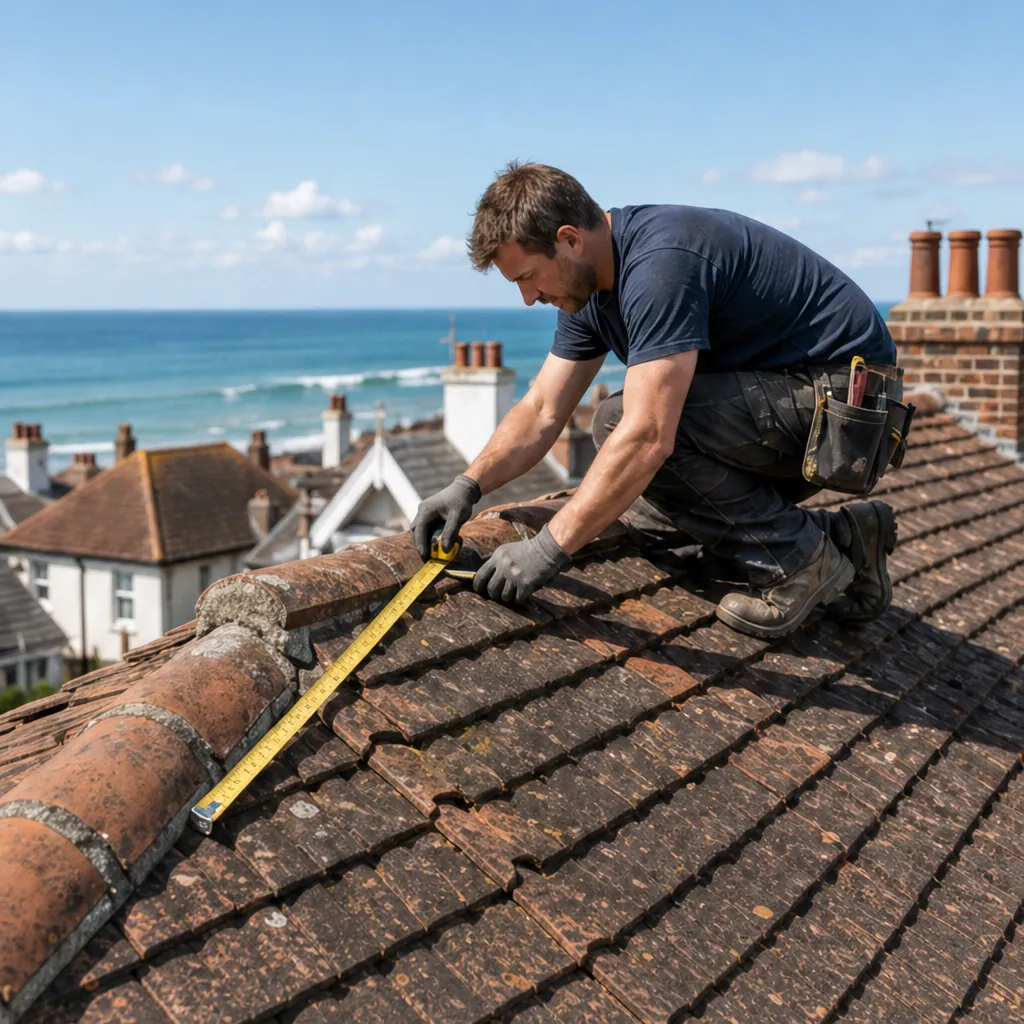
Painting means reaching the eaves, and on a house of two storeys that calls for a tower or scaffold. That is a cost many owners forget when they choose timber for the look. Left alone for too long, a board that could have been repainted for the price of the paint and a morning's work becomes a board that needs replacing.
If you do choose timber, ask for the back and the cut ends to be primed before fixing, and for the joints to be placed away from the most exposed corners. Those two details do more for the life of a timber board than the choice of paint.
What uPVC does well, and what it does not
The strength of a plastic board is that it comes finished. White and the other stock colours need no painting, a wash with water and a soft cloth keeps it clean, and the surface does not absorb moisture. On a long run of roofline that nobody wants to put a scaffold up for every few years, that is a real advantage.
On lifespan, published guidance disagrees, which is itself useful to know. MyBuilder (updated 21/08/2026) says boards like these are usually renewed after somewhere between 10 and 20 years, while a plastics retailer puts the figure at 20 to 40 years. The gap comes from what happens on the day, not from the plastic itself: how well it was fitted, how much sun it took, and whether the board behind it stayed sound. Treat any lifespan as a range and not a promise. We cover it further in our guide to how long uPVC fascias last.
The weak points
The first is the hollow section. A thin plastic board over old timber can hide rot that goes on spreading, because nobody can see it. The second is colour: white can yellow, and a cheap board can fade unevenly, so a mixed roofline of old and new lengths shows. The third is repair. A cracked plastic board is replaced in full, because patching it rarely looks right.
Poor fitting is the usual cause of early trouble. Boards pinned too tightly cannot move, and joints left open let water in behind. A good fit leaves room for expansion, uses proper joint trims and puts the ends where they will not sit in the weather.
Looks, profiles and period houses
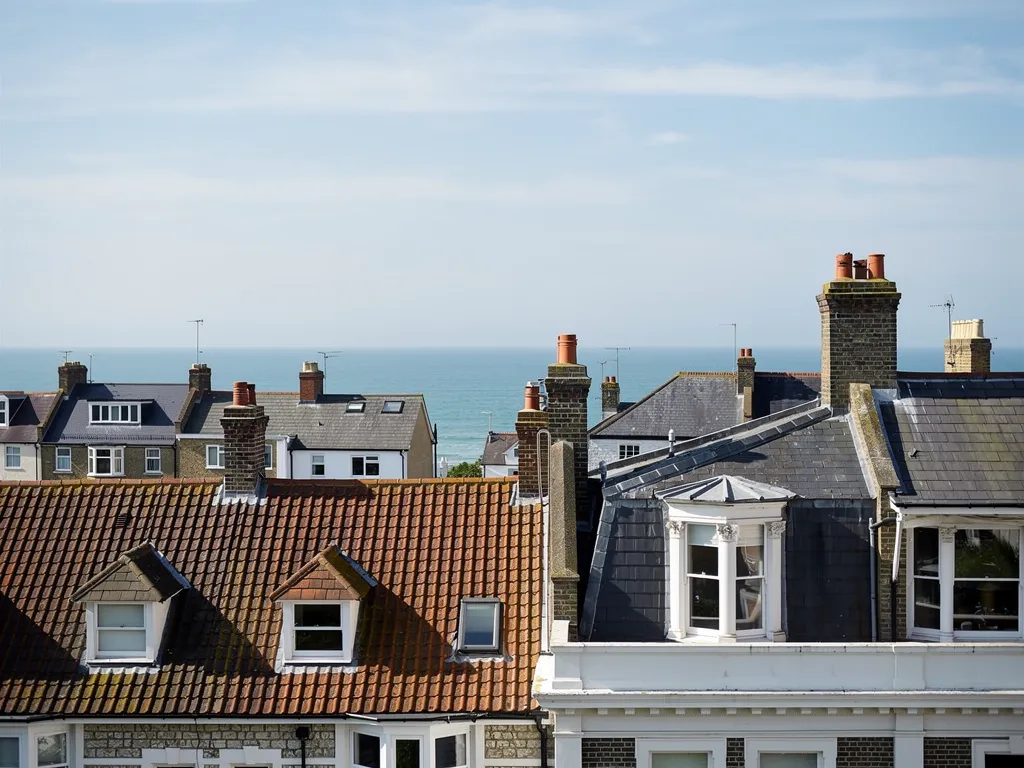
On a modern estate house, a flat plastic board is in keeping, and nobody looks twice. On a Victorian or Edwardian villa the same board can look thin and flat. Older timber boards were often moulded, with a rounded or stepped edge catching the light, and many were deeper than the boards sold in plastic today. The shadow line that those profiles give is part of why an old terrace looks the way it does.
Plastic makers do sell boards with a moulded face, and some come in wood-grain finishes. They have improved, but a close look from the pavement still tends to show the difference, particularly in the corners and the joints. If the house has bargeboards at its gable ends, the decorative boards that follow the slope of the roof, matching them in timber and the fascias in plastic can leave the front elevation looking mismatched.
Colour choices
White remains the most common finish. Black, grey and brown are available in plastic, and a dark roofline is popular on newer homes, though a dark board shows salt deposits and water marks more readily than white. If you are considering that look, our page on anthracite fascias covers it. Timber takes any colour you choose, and you can repaint it later without replacing anything.
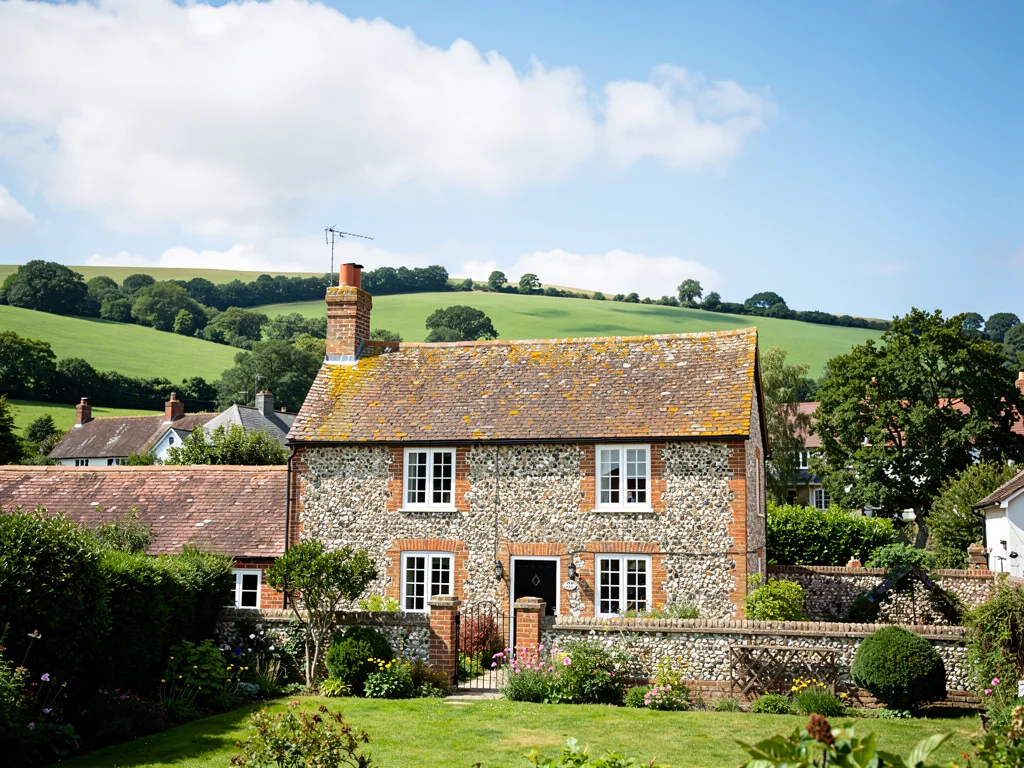
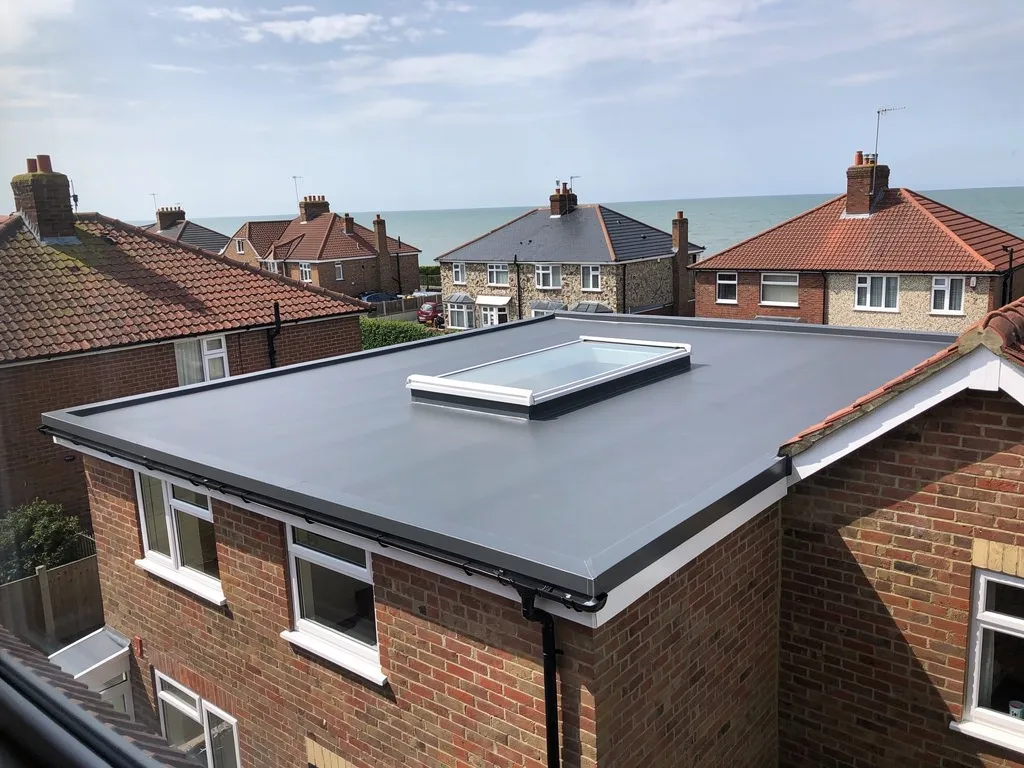
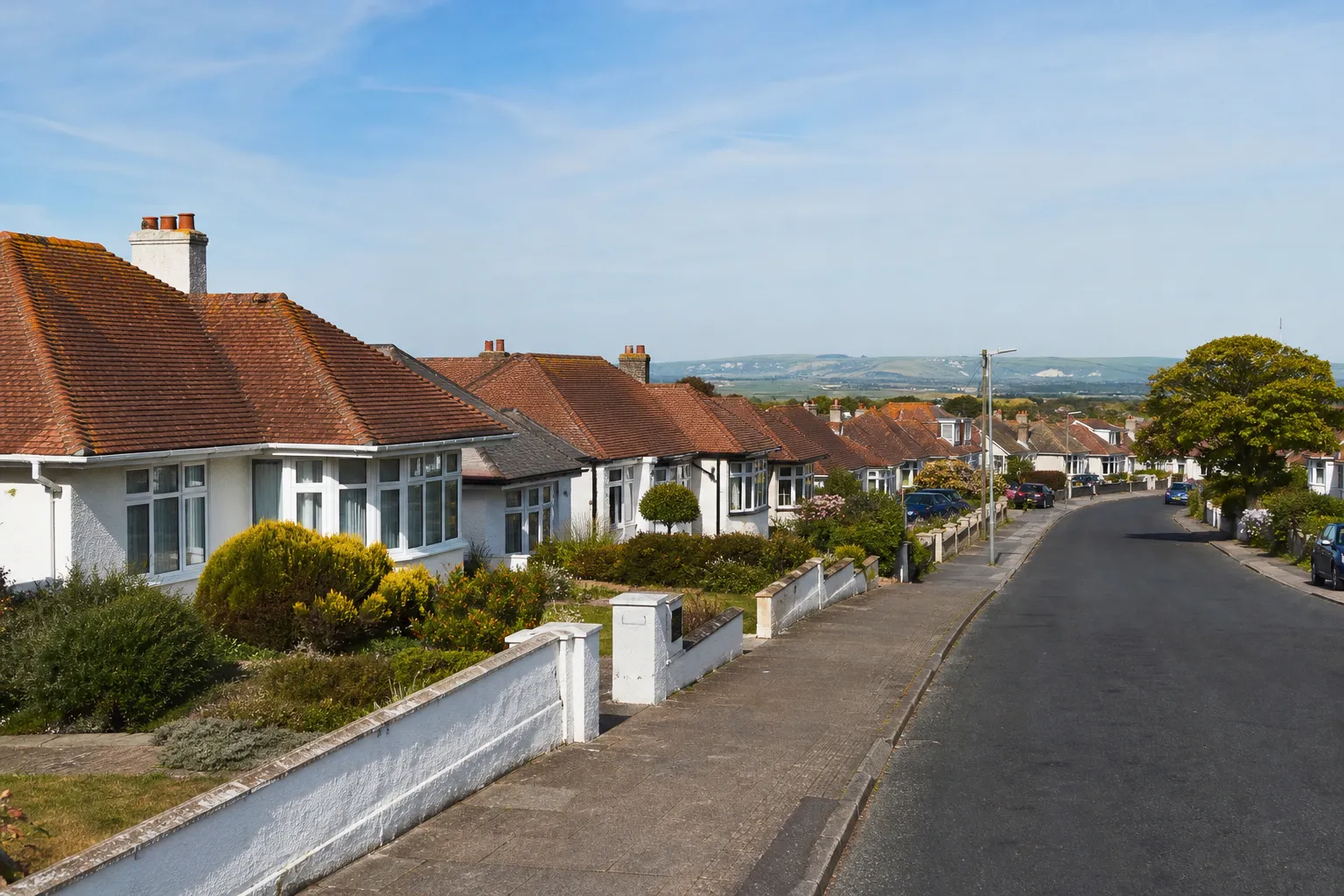
On a 1930s semi along the Goring and Durrington roads, either material can sit comfortably. On a flint cottage or a Regency terrace near the seafront, timber is usually the better visual match, and in some places the planning rules make that choice for you. The next section explains why.
Conservation areas, listed buildings and Article 4
Most owners can swap one roofline material for another without asking anyone. A conservation area, or a listed building, can change that. The rules differ by property, so the answer here is to check, and we help you do that before work starts.
Conservation areas and Article 4 directions
A conservation area does not automatically stop you replacing a fascia. An Article 4 direction can, though. It is a local order that withdraws some permitted development rights, the freedoms that normally let you alter a house without applying. Adur & Worthing Councils explain that in some conservation areas their directions take away the usual rights to make changes, with replacement roof tiles and windows given as examples. Old Shoreham and Kingston Buci in Adur, along with Warwick Gardens, Western Row and Warwick Place in Worthing, each carry their own wording, and the wording of your own direction decides whether a change of fascia material falls inside it. Read the council's Article 4 directions page, or ask the Adur & Worthing planning team.
Listed buildings
On a listed building, the test is whether the work affects its character. Under the councils' listed building guide, a repair that brings in a different material counts as work needing consent. Inside the South Downs National Park, the Authority separates upkeep from alteration: tidy mending of what is already there is fine, while changing or replacing historic fabric is not. In practice that means a rotten timber fascia on a listed house is usually repaired or renewed in timber, and a switch to plastic needs consent first.
Where any doubt exists, we suggest you contact the planning team before ordering boards. A short email costs nothing, and an enforcement notice costs a great deal.

Cost, and which board suits the house
On price, MyBuilder (updated 21/08/2026) gives a typical UK range of £80 to £150 per metre for a fascia and £100 to £180 per metre for a soffit, and around £150 per metre when the two are done together. That guide does not split the figures by material. Your own price depends on the access, the length of roofline, whether the gutter comes down and goes back, and whatever turns up once the old board is off. Ask whether each quote covers VAT and scaffold hire. Our written quote is issued after the visit, with one total at the bottom.
Looking at it over the years, plastic usually costs less to keep up, while timber costs less to repair when only a section has failed. If the existing boards are sound and only the paint has gone, a repaint may be all the house needs.
Covering over old boards
Plastic capping, a thin shell that fits over an existing timber fascia, is a cheaper route in some cases. It suits only boards where the timber is sound. It is only right where the timber underneath is sound, since it hides the board and holds moisture against it if it is not. Fascia capping is covered on its own page, and the roofline maintenance guide shows what ongoing care involves. Gutters are a separate decision, set out in gutter materials compared.
How we decide
We look at the rafter ends and the board, photograph both, and propose a repair no larger than the fault demands. Where the material choice is open, we say which we would fit on your house and why.