When a roofer says a flashing will be in Code 4, or a flat roof in Code 6, they are naming the thickness of the sheet. The numbers run from 3 to 8, the colour used to mark the sheet changes with each, and the higher the number, the thicker, heavier and dearer the lead. It is a simple system, but it is the single most useful thing to understand before you read a lead quote, because two prices for the same flashing can differ only in the code behind them.
The figures here come from Leadworx's explainer on lead sheet codes and the Royston Lead brochure for cast lead sheet, and the sheet is made to BS EN 12588.
We cover what the number means, the full table, why Code 4 has become the standard for general flashing, the lighter and heavier ends of the range, and how to confirm on site that the lead going on your roof is the lead you were quoted for.
What the code number actually tells you
A lead code is a weight class. Each code corresponds to a nominal thickness in millimetres and a weight in kilograms for every square metre of sheet, and the two move together because lead is a very dense metal. Code 4, for example, is 1.80 mm thick and weighs 20.41 kg per m². Step up to Code 5 and the sheet is 2.24 mm thick at 25.40 kg per m². Each step adds weight you can feel when you lift the roll.
The code matters because lead is dressed by hand and then asked to survive movement. It grows in the heat and shrinks again in the cold, and a thicker sheet stands up to that cycle better than a thin one, and takes a firmer shape when it is bent over a joint. Thickness also decides how much metal there is to wear before the sheet is thin enough to fail.
That is why the code is a decision about the job, not a quality mark. A thicker code is not automatically better. A soaker, the small piece of lead folded under each course of tiles, has to bend sharply and sit flat, and a heavy sheet is awkward for it. A big flat roof has the opposite need: it benefits from the extra thickness. So the question to ask is which code suits each part of the work, not which is the heaviest.
The colour is a trade shorthand. Royston Lead marks each code with its own colour, so the colour on a roll tells a person on site which code they are holding without reaching for a measure. The next section lists them all.
Where the rest of the system comes from
The thickness and weight figures in this guide are those published by Leadworx and Royston Lead. They are typical manufactured sheet values, and a supplier's own specification takes precedence over any table.
Code 3 to Code 8 in one table
This table sets all six codes side by side. The colours are those listed by Royston Lead, and the typical uses are Leadworx's. They are guidance for choosing a code, not a rule that forbids another, and a particular building may call for something different.
| Code | Thickness | Weight per m² | Colour | Typical use |
|---|---|---|---|---|
| 3 | 1.32 mm | 14.97 kg | Green | Soakers, light duty |
| 4 | 1.80 mm | 20.41 kg | Blue | Light duty, general |
| 5 | 2.24 mm | 25.40 kg | Red | General, vertical, pitched |
| 6 | 2.65 mm | 30.10 kg | Black | Large roofs |
| 7 | 3.15 mm | 35.72 kg | White | Heavy duty |
| 8 | 3.55 mm | 40.26 kg | Orange | Heavy duty |
Sources: Leadworx, Lead Sheet Codes Explained; Royston Lead cast lead brochure.
Reading across, three patterns are worth noticing. The jump between neighbouring codes is small in thickness, under a millimetre every time, but it adds several kilograms to every square metre, so a large roof in Code 8 instead of Code 6 carries a lot more metal. The lowest codes are kept for the parts of a roof that need to fold and tuck, and the highest for surfaces that are walked on, weathered by sun and rain, and expected to last. And because weight is what the supplier charges for, the code you choose shows up in the price, a point our guide to how much lead roofing costs develops with real figures.
One caution on the colours. They help a fitter on site, but the delivery note is the proper record, and a colour on its own should not replace asking for the code in writing.
Why Code 4 became the everyday flashing grade
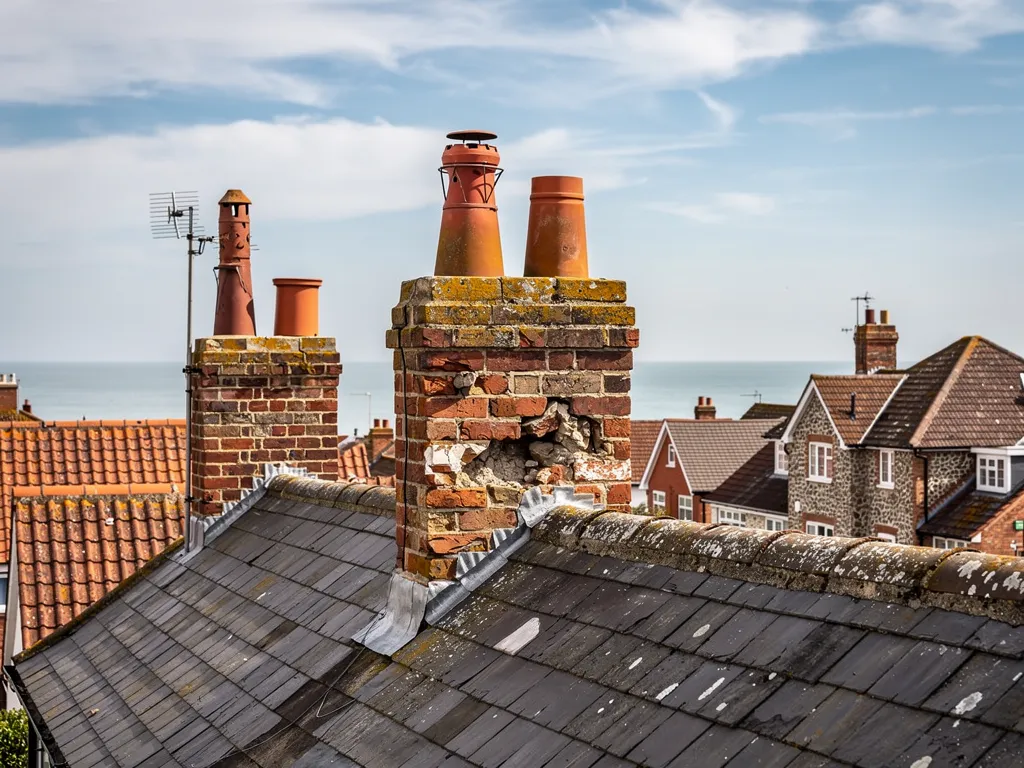
Leadworx reports that Code 4 is now the default grade for flashing. At 1.80 mm it is thick enough to hold a dressed shape and sit tight into a joint, and thin enough to be worked round a chimney or along a stepped wall without fighting the person who is shaping it.
On a typical house that means the lead along a gable wall, the strip where a roof meets a taller wall, the apron at the front of a chimney and the cover flashing over a dormer window are commonly cut from Code 4. Our guide to types of lead flashing explains where each of those sits and how each fails, so you can see why one kind of detail takes a particular weight.
That does not make Code 4 right everywhere. Leadworx puts Code 5 on general, vertical and pitched duty, and Checkatrade's roof repair guide quotes its per-metre flashing prices for Code 5. A sheltered, low-level flashing can sit happily in Code 4. A long exposed run on a tall building, or one that will be hard to reach again, is often better in Code 5, because the extra thickness costs a modest amount at the outset and removes a callout later.
Why a specification matters on the coast
We work on exposed houses facing the sea, where flashings are tested by gales and driving rain, and where a repair has to survive the next storm. We choose the code to suit the detail and the exposure, name it in the written quote, and dress the lead so it is held into the joint properly, not sealed over with mastic.
Code 3 and the soaker
Code 3 is the lightest on the table, at 1.32 mm and 14.97 kg per m². Royston's brochure describes it as recommended for lead soakers only, and that is the way to think of it. A soaker is a small rectangle of lead, bent to an L shape, which sits under a tile or slate where the roof runs up against a wall or a chimney and turns the water back onto the roof. Each one is folded to follow the shape of the course it lies in, so it needs a sheet that bends cleanly and stays flat.
Soakers work in partnership with a step flashing, the stepped strip that is let into the wall above. The soaker sits beneath the tiles, the flashing covers its upper edge, and water is thrown out onto the surface of the roof instead of into the building. On a house with a roof that has been recovered once or twice, the soakers are often the part that was never touched, because they are hidden, and the part that has gone.
You cannot see a soaker from the ground. What you can sometimes see is the result of a soaker failing: a damp patch on the wall inside beside a chimney breast or a gable, with no visible fault on the outside. When we survey a stack, lifting a tile or two to check the soakers is one of the first steps, and the photographs go with the quote.
Do not assume that Code 3 is a cheaper way to do any other job. On a flashing, in a valley or on a flat surface it is too thin, and it will crack and fatigue sooner than a heavier code. The same code in the right place is perfectly good. In the wrong place it is a short life dressed up as a saving.
Codes 6, 7 and 8 for large roofs and heavy duty
At the top of the table, the weight climbs fast. Code 6 is 2.65 mm and 30.10 kg per m², and Leadworx lists it for large roofs. Codes 7 and 8, at 3.15 mm and 3.55 mm, are its heavy duty grades. A sheet in Code 8 weighs well over two and a half times as much per square metre as the Code 3 used for a soaker.
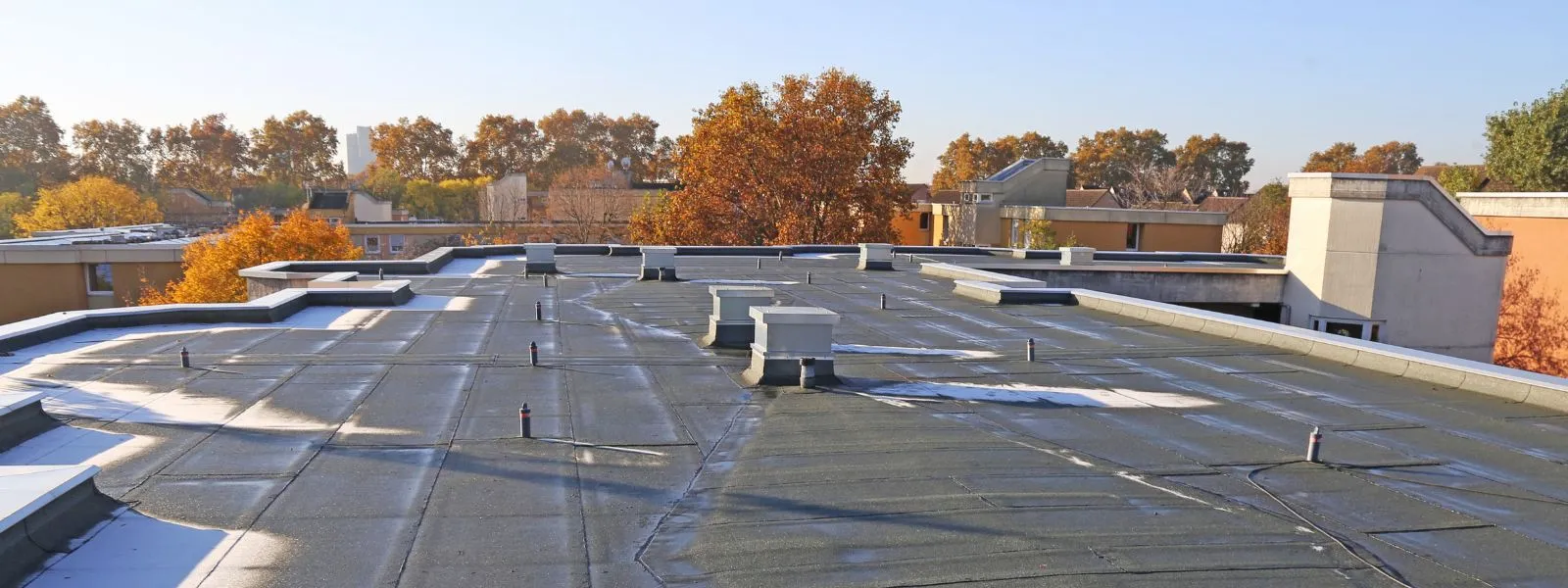
This is the territory of lead flat roofs, parapet gutters and similar surfaces where lead is the whole covering, not a seal at a joint. Our guide to lead flat roofs, rolls, drips and bays shows how those surfaces are put together. On a surface that large, thickness buys two things. Lead creeps slowly downhill and fatigues as it moves in the sun, and a thicker sheet has more in reserve. A large area also has to cope with foot traffic during maintenance, which a thin sheet would show for ever.
The weight is a reason to think before specifying heavy codes on an old building. A roof deck and its structure have to carry the lead, and where the existing frame is light or the timbers are tired, the survey needs to check that before the order goes in. The same applies where a house is changing from a lighter covering to lead.
Longevity improves too. MyJobQuote gives flashing a life of over 80 years, and over 100 years in the higher codes, while Less quotes 50 to 100 years for a lead flat roof. Treat both as typical spans, not guarantees. How a given roof fares depends on its exposure, the workmanship and its upkeep, and the higher codes simply give a good installation more material to draw on.
Checking the code on your own roof
Nobody needs a micrometer on the ladder to be sure of the lead going on the roof. Four checks do the job.
Ask for the code in writing, against each part of the work. A quote that says only "lead flashing" leaves the code open, and the flashing, the soakers and the valley may each take a different one. Our survey photographs and written quote say which code goes where.
Look at the delivery. The supplier's delivery note should name the code, and the colour marking on the roll lets you match what is on the drive to the table above. Blue is Code 4 and red is Code 5 in Royston's scheme.
Feel the weight. A manageable piece of Code 3 or Code 4 is easy to lift and bend by hand, while Code 6 or above will feel heavy and resist. If a quote promises heavy-duty flat roofing and the material that turns up bends like foil, ask why.
Compare like with like on price. Per-metre and per-m² figures are only comparable when they refer to the same code. Check whether any quote you have includes VAT and scaffolding as well, since both change the total.
Our lead roofing service covers flashings, valleys and flat roofs, and it is the place to start if you are weighing up why a roofer might still choose lead at all. On lead, good work starts with specifying the right code for the right place.