Ask three people how much does lead roofing cost and you will get three different numbers, and each can be right. A lead flat roof over a porch is measured in square metres of sheet. A flashing along a wall is measured in metres of run. A chimney is often one fixed repair, because the lead around it is a handful of shaped pieces rather than an area. The unit changes the number before the quality of the work comes into it.
The ranges on this page come from published cost guides, and each one names its source and date. Read each as a typical UK range, never as a Watertight price, because no guide can account for your roof, your height from the ground or what the leadwork is hiding. Our written quote comes after a survey, as a single total.
We take the three common jobs in turn: flat roofs per m², flashing per metre and chimney leadwork. Then we cover what moves each figure, which jobs repay a bigger spend, and what to check in a quote before you say yes.
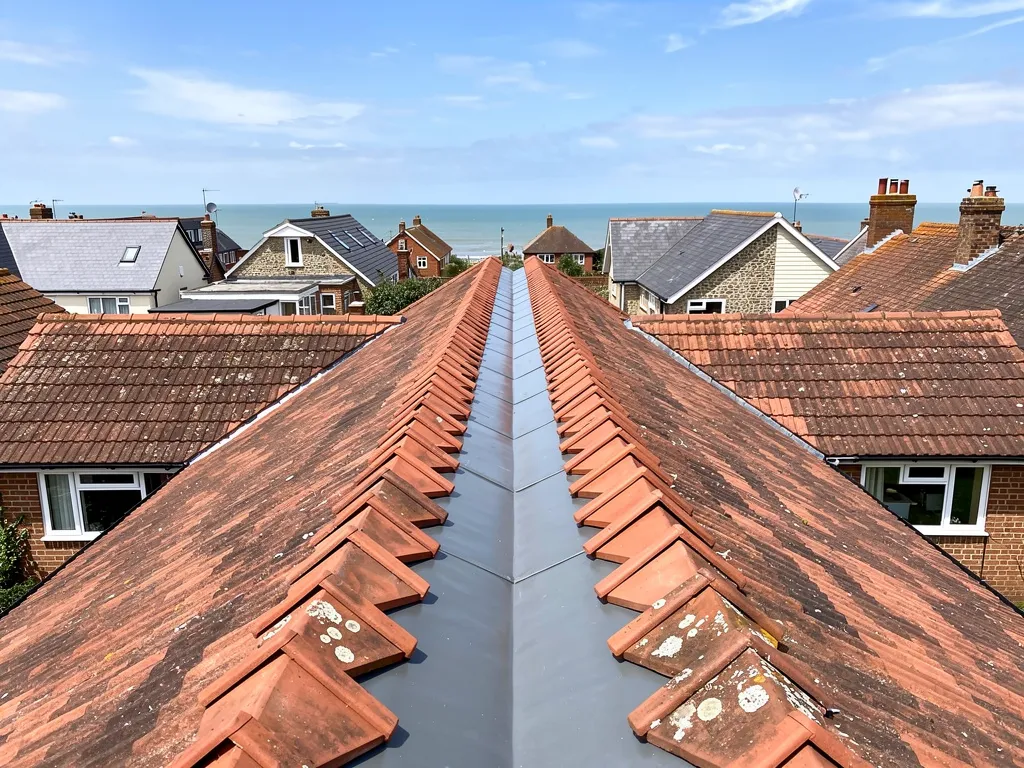
Lead flat roof cost per m²: why it sits at the top
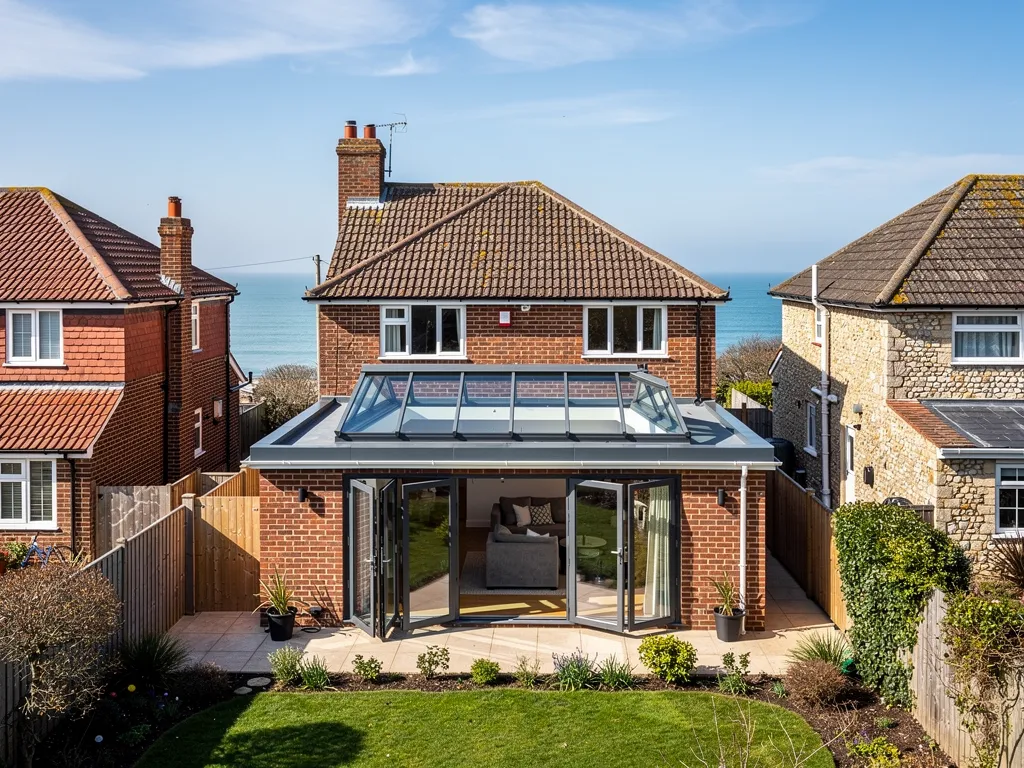
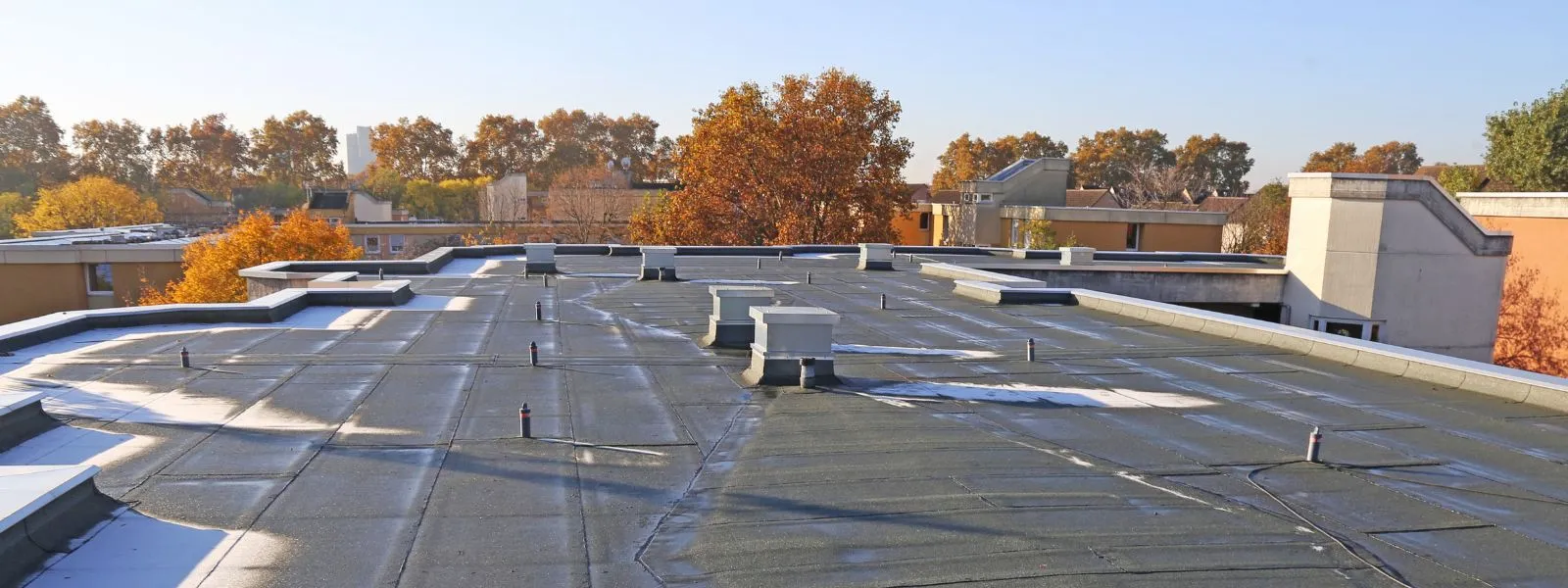
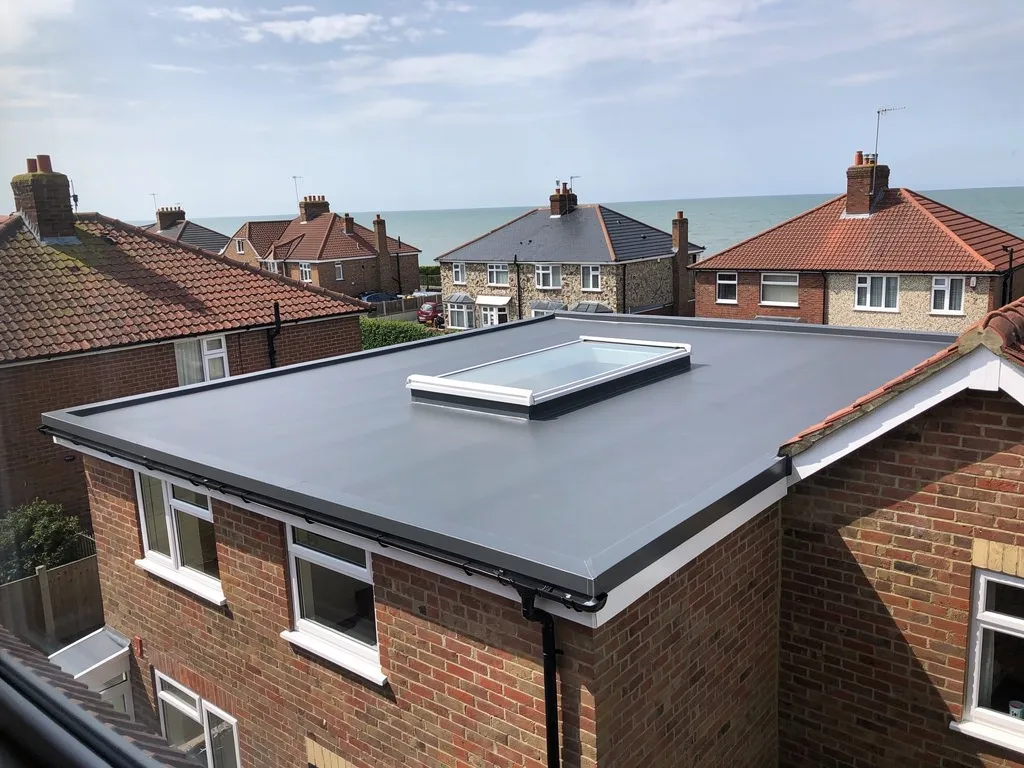
Of all the common flat roof coverings, lead costs the most per square metre. MyBuilder's flat roof guide (updated 21/08/2026) gives typical UK ranges of £70 to £100 per m² for felt, £90 to £130 for EPDM (a synthetic rubber membrane), £95 to £150 for GRP (glass-reinforced plastic, sold as fibreglass) and £150 to £200 or more for lead. So a lead roof cost per m² of £150 to £200+ is roughly double a good felt or EPDM job, and it is worth understanding why before you decide that is too much.
The first reason is the metal itself. Sheet lead is heavy and priced as a raw commodity, and a roof surface needs a thick code of it. Our guide to lead sheet codes shows how a heavier code adds weight, and weight is what you pay for by the tonne. The second reason is labour. Lead is not laid in one sheet. It is cut into bays, joined over rolls, stepped at drips and dressed into every corner by hand, and that takes a skilled person far longer than unrolling a membrane.
The third reason is how long the finished roof lasts. Less quotes a lead flat roof at 50 to 100 years, against 20 to 30 years or more for EPDM (GreenSpec and Less give those figures) and 25 to 40 years for GRP. A higher price paid once can compare well with two or three lower-priced roofs over the same stretch, particularly on a small roof such as a porch or a bay where the area is modest and replacing it is a nuisance.
Our guide to lead roof lifespan goes into what shortens or extends that range. All the figures here are typical UK ranges, and a written quote follows the survey.
Lead flashing cost per metre: aprons and steps
Lead flashing seals the meeting point of roof and masonry, whether that is a garden wall, a chimney stack or a dormer cheek. It runs along an edge, so it is priced by the metre. Checkatrade's roof repair guide (updated October 2026, prices exclusive of VAT) gives a typical UK range of £50 to £70 per metre for Code 5 lead flashing, and £80 to £120 per metre for stepped flashing.
Stepped flashing costs more for a plain reason: the work is slower. A straight run of lead along a flat edge can be measured, cut and dressed in one pass. A stepped flashing follows the staircase of brick courses where a sloping roof meets a gable wall, so each step has to be cut, shaped and tucked into its own joint. The metal used is similar. The hours are not. Our guide to the types of lead flashing shows where an apron, a step and a soaker each sit, and why a house might need more than one kind.
What a metre price leaves out
A per-metre figure assumes you can reach the edge and that the wall behind is sound. It does not cover raking out and repointing a badly decayed mortar joint, replacing the soakers (small folded strips of lead that slide beneath the tiles), or lifting a few courses of tiles to get at the old lead. Those are what a survey finds, and that is why our quote, once the survey is done, is a single total.
| Item | Typical UK range |
|---|---|
| Code 5 lead flashing, per metre | £50 to £70 |
| Stepped lead flashing, per metre | £80 to £120 |
Source: Checkatrade roof repair cost guide, ex VAT, updated October 2026.

Chimney leadwork: a patch, a replacement and the scaffold
A chimney is wrapped in lead on all four sides, and that lead is the first thing to tire. It usually includes an apron at the front, step flashings and soakers along the sides, and a back gutter or saddle on the upslope side that carries water round the stack. MyJobQuote (updated 22/09/26) gives typical UK ranges for this work: £150 to £250 for a patch repair, and £350 to £460 for full replacement of the leadwork when no scaffold is needed, rising to £700 to £920 when scaffold is included.
The difference between the two replacement figures is the scaffold, and it is a large share of the bill. MyBuilder's scaffolding guide (updated 21/08/2026) puts the cost of scaffolding a chimney at £400 to £900, and a standard two-storey house setup at £850 to £1,200. A chimney at the ridge of a tall house almost always needs a platform, because working from a ladder at that height is neither safe nor practical. If the roof is getting other work at the same time, the scaffold serves both, and the added cost of the lead falls.
When a patch is the right answer, and when it is not
A patch suits a single lifted corner or a short split in otherwise sound lead. It fails to cure a flashing that has worked loose along its whole length, or one that was never chased into the brickwork in the first place. We tell you which you have, and we show you the photographs of your own chimney with the quote. If the problem is that the flashing has been sealed with a bead of mastic instead of being tucked into the joint, patching on top only repeats the fault.
For a worked example of what we look at on the stack itself, see our guide to lead flashing repairs.
What moves a lead price up or down
Four things move almost every lead quote, whatever the unit.
Access comes first. A porch roof reached from the garden costs less to work on than a parapet gutter four storeys up, and the scaffold figures above show how fast height adds cost. Once a scaffold is needed, it is usually the biggest single factor after the area of lead.
The thickness of the sheet comes next. A flashing in a heavier code costs more per metre than a lighter one because there is more metal in it, and a lead flat roof in a heavy code costs more than a lighter one for the same reason. The right code is a matter of the job, not of spending more: a thinner code suits a soaker, and a heavier code suits a large flat roof. The lead codes guide sets this out code by code.
Third is what the survey finds underneath. A rotten roof deck has to be replaced before new lead goes down, and a flashing set into crumbling brickwork needs the joint reworked first. Neither is visible from the ground, which is why we inspect before pricing, with pictures from the roof sitting beside the figure.
Fourth is the number of details. A plain run of flashing is quick. A roof with a dormer, two chimneys and an awkward junction with next door is not, even when the total length is the same. Each junction is its own piece of shaped lead.
The finish
New lead is bright and then weathers to a dull grey as it ages, a process explained in our guide to lead patination. A decision about whether to treat the surface is small compared with the figures above, but worth settling before the work starts.
Repair or replace: where the money goes furthest
Lead is one of the few roofing materials where spending more on the first job can lower what you spend over the life of the building. MyJobQuote notes that lead flashing can last for over 80 years, and over 100 years in the higher codes. A tile can slip in a gale and a membrane can split under a ladder, yet well-dressed lead that is fixed properly keeps working while everything round it is renewed.
That does not make replacement the answer to every problem. If a single flashing has lifted and the rest of the leadwork is sound, a repair that tucks it back and repoints the joint is the smaller job, and it is the one we recommend. If the lead has split along its length from years of movement, or has already been patched more than once, further patching adds cost without fixing the cause, and replacing the run is cheaper in the long term.
On a lead flat roof the same sums apply, scaled up. A small split at a drip can be repaired. A roof with cracks across several bays, or with a deck that has gone soft beneath, is at the stage where relaying the bay costs less than repeated callouts. Our guide to lead flat roofs explains how those bays are built and what failure looks like.
The point is to match the size of the job to the size of the fault. Our advice is the smaller repair whenever it genuinely cures the leak. The difference can be real: for a typical chimney patch, the range above is a few hundred pounds, whereas a stack that needs a full relay with scaffold can cost several times that.
Reading a lead quote before you accept it
Lead quotes vary, and not always because one firm is dearer. Some leave things out. A few questions will tell you whether two quotes describe the same job.
Ask which code of lead is specified and for which part of the work. A price for Code 3 on a flashing that ought to be Code 4 or Code 5 is cheaper for a reason, and the thinner sheet will not last as long. Ask what happens to the old lead and the waste, because a site should be cleared and the waste taken away. Ask if scaffold is included, since the gap between £350 to £460 and £700 to £920 for chimney work is precisely that item, and whether VAT is in the total, because many published ranges, Checkatrade's among them, are stated before VAT.
Ask to see the cause. We photograph the lifted flashing or the split bay in place, because seeing the actual fault matters before any number is discussed. A quote that arrives with no evidence of what is being repaired is asking you to take the fault on trust.
After we have surveyed the roof, the price we put in writing is a single sum, set fairly, and it names the lead code, the areas covered and whether scaffolding is included.
Last, ask about the weather. A roof that is leaking now is made safe first, and the full repair follows once the weather allows. If a flashing has lifted in a gale, that temporary make-safe protects the building while the proper repair is planned, priced and booked in. For the larger picture of what we do with lead, our lead roofing page covers the services from flashings to flat roofs.