
Question answered
Condensation on a roof window
The short answer
Condensation on a roof window forms when humid air from the room touches cold glass or a cold frame and turns to water. Ventilation is the usual cure: open the trickle vent or ventilation flap, run extractor fans, and keep steam out of the room. A poorly ventilated roof void can add to the problem, and a genuine leak is sometimes mistaken for it.
Water on the room side of a roof window is almost always moisture from inside the house meeting cold glass. The cure is mostly ventilation, though the roof itself can play a part.
Why a roof window gathers water
Air holds moisture, and warmer air holds a good deal more of it. Once humid air meets glass chilled below the temperature at which it can hold its moisture, the surplus drops out as liquid. A roof window is a large pane set at an angle, often the coldest surface in a loft room, so it collects water before anything else does. Breathing, cooking, showers, laundry drying indoors and unflued heaters all add to the moisture in the room.
The water gathers on the glass, runs to the lower edge and soaks the sill and lining if it is never wiped away. Over time that can darken the timber, lift paint and encourage mould. The trouble lies in the air of the room as much as in the window, which is why swapping the window rarely cures it alone. A well-fitted frame with insulation around it will run warmer, and that helps, but ventilation does most of the work.
Trickle vents and the ventilation flap
Many roof windows carry a small ventilation flap or trickle vent in the head of the frame. It lets a controlled stream of fresh air through even with the sash shut, and the gap is deliberate, not a defect. Opening it, particularly in bedrooms overnight and in rooms where steam is made, carries damp air out before it reaches the glass.
If yours is kept shut, or has never been used, try it for a few weeks and watch the pane. Extractor fans in the bathroom and kitchen help, and a short burst of airing after a shower does more than a fan left ticking over. Lids on pans and a door kept closed on the steam also make a difference. Where the window is out of reach, a motorised opener can make the habit easy to keep; see electric and solar roof windows.
When the roof void is part of it
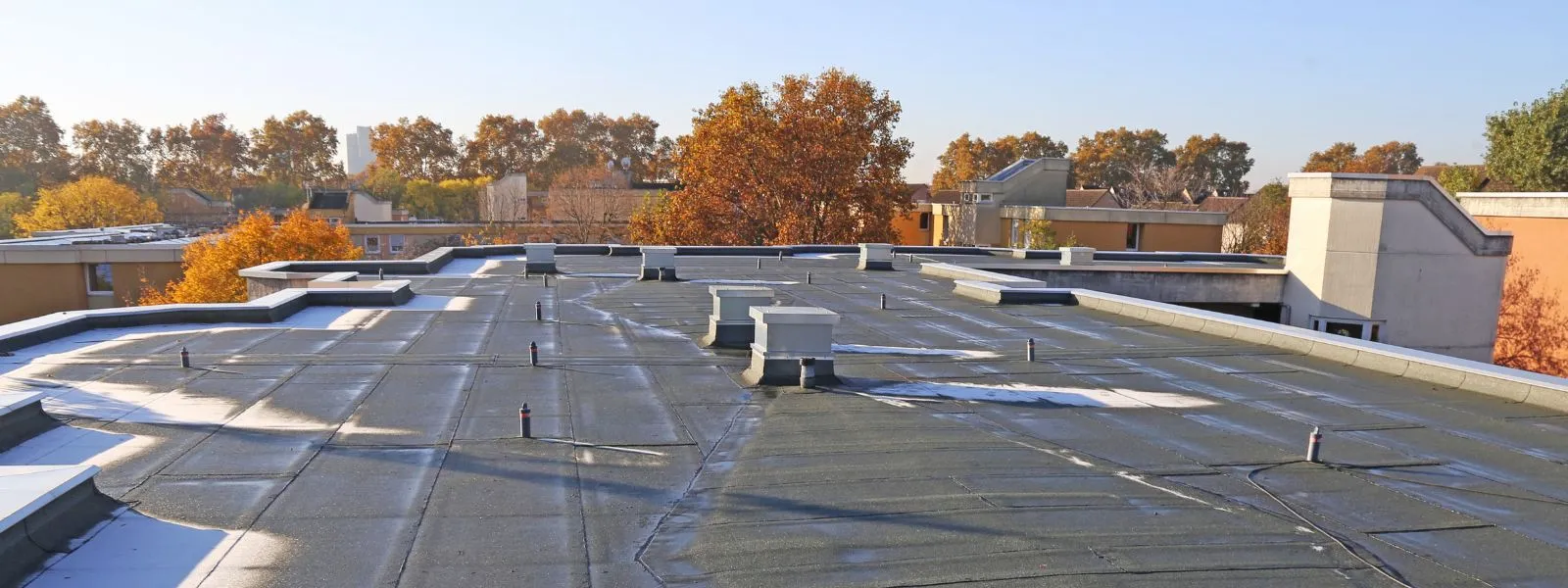
A roof window sits in a roof with its own ventilation needs. Marley's guide to cold roof ventilation, which draws on BS 5250, gives these figures for a roof lined with high-resistance underlay: a 25 mm gap along the eaves when the pitch is 15° or less, and 10 mm when it is steeper. A further 5 mm run is wanted at the top where the pitch is above 35°, the span is over 10 m, or the slope is a single pitch against a wall. Beneath a low-resistance underlay, with a well-sealed ceiling, the guide treats the normal gaps in eaves construction, about 3 mm, as enough, provided the certification conditions are met.
Insulation pushed hard into the eaves, a blocked vent, or a ceiling with gaps round light fittings can all upset that balance, so that moist air reaches cold timber and glass. A loft conversion shifts the picture again because the insulation line moves, so the ventilation route should be checked as part of the job and not left until afterwards.
Telling it from a leak or a failed pane
Condensation follows the weather and the household routine. It is worst on cold mornings and after showers, it shows as a film or beads on the room face of the glass, and it fades as the room warms. A leak follows rain and wind, stains the lining, and can show in a well-aired room. For the tell-tale marks of a true leak, read why a roof window leaks.
Moisture lodged inside the sealed unit, between the two sheets of glass, is neither of these. It cannot be wiped away, and it means the unit has failed; see misted roof window glass. If your window has a damp sill and a clear pane, ventilation is the likely cure. If it has a cloudy pane that never clears, the glazing is the problem, and a fan will not help.
What to try, and when to ask for a survey
Start with habits: use the vent, ventilate wet rooms, and wipe the glass and sill so the timber stays dry. Keep curtains and blinds from sealing the window off from room air, since a blind pulled tight can create a cold pocket against the glass. Check that loft insulation is not covering the eaves vents.
If the water returns every cold morning despite those steps, or the lining is staining, a survey is worth having. The visit covers the window, the lining, the insulation around the frame and the roof void, with pictures of the findings to go with the quote. A cold spot at the frame, or a gap in the vapour seal, is a fitting fault and not a housekeeping one. Tubular light shafts have condensation issues of their own; see sun tunnels. The full range is on the skylights and roof windows page.
Damp glass in a loft room: two questions
Is condensation on a roof window a sign the window is faulty?
Not by itself. Cold glass and damp air will do it on any window. It becomes a fault if the water is trapped between the panes, if the frame drips because of a missing seal or an insulation gap, or if this window is the only place in the house where it happens every day.
Will a dehumidifier help with a streaming roof window?
It can pull moisture out of a loft room with poor airflow, and it is a reasonable stopgap in winter. It treats the symptom, not the cause, so keep the vent open and the extractors working as well, and have the roof void looked at if the problem keeps coming back.
Tell us about your roof
Describe what is happening and we will call you back to arrange a visit.
- Photographs of what we find
- A written quote with one total price
- Or call 01903 299063
10-year workmanship guarantee, in writing.