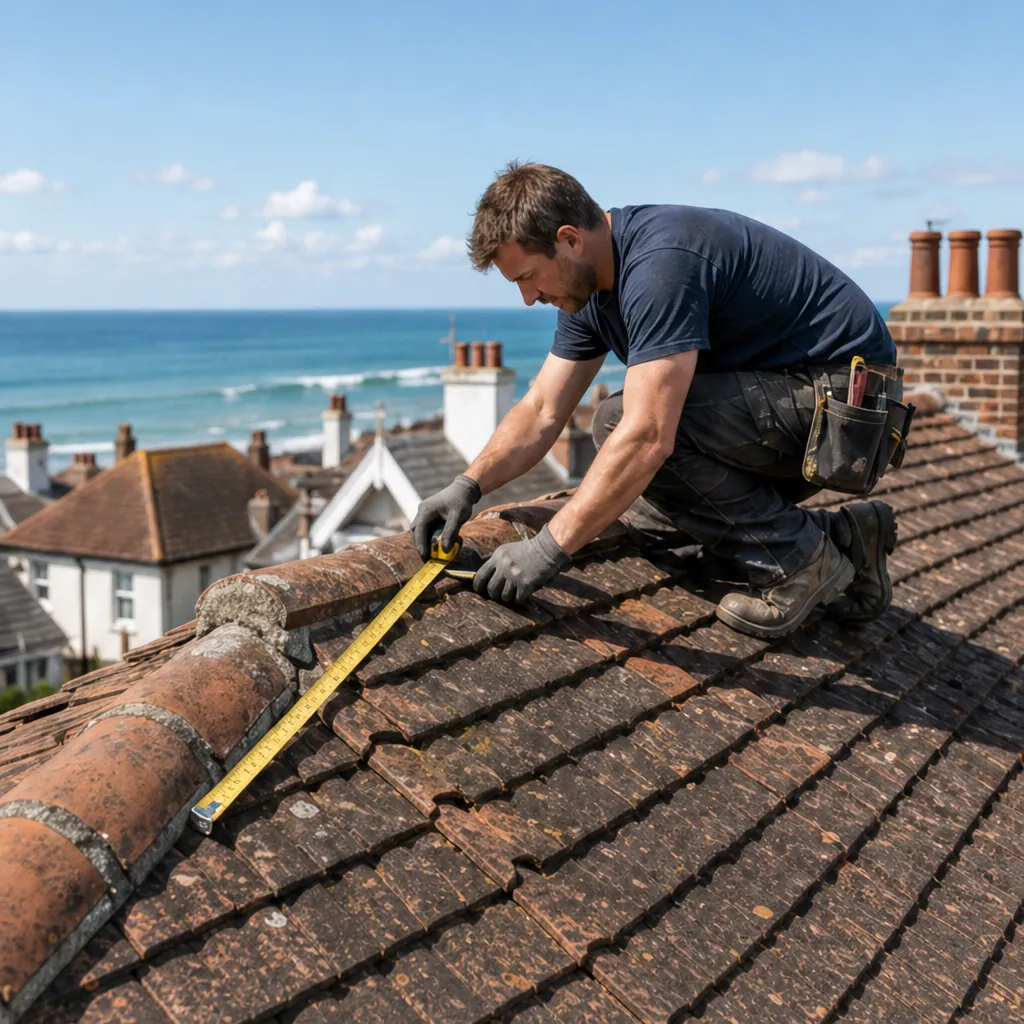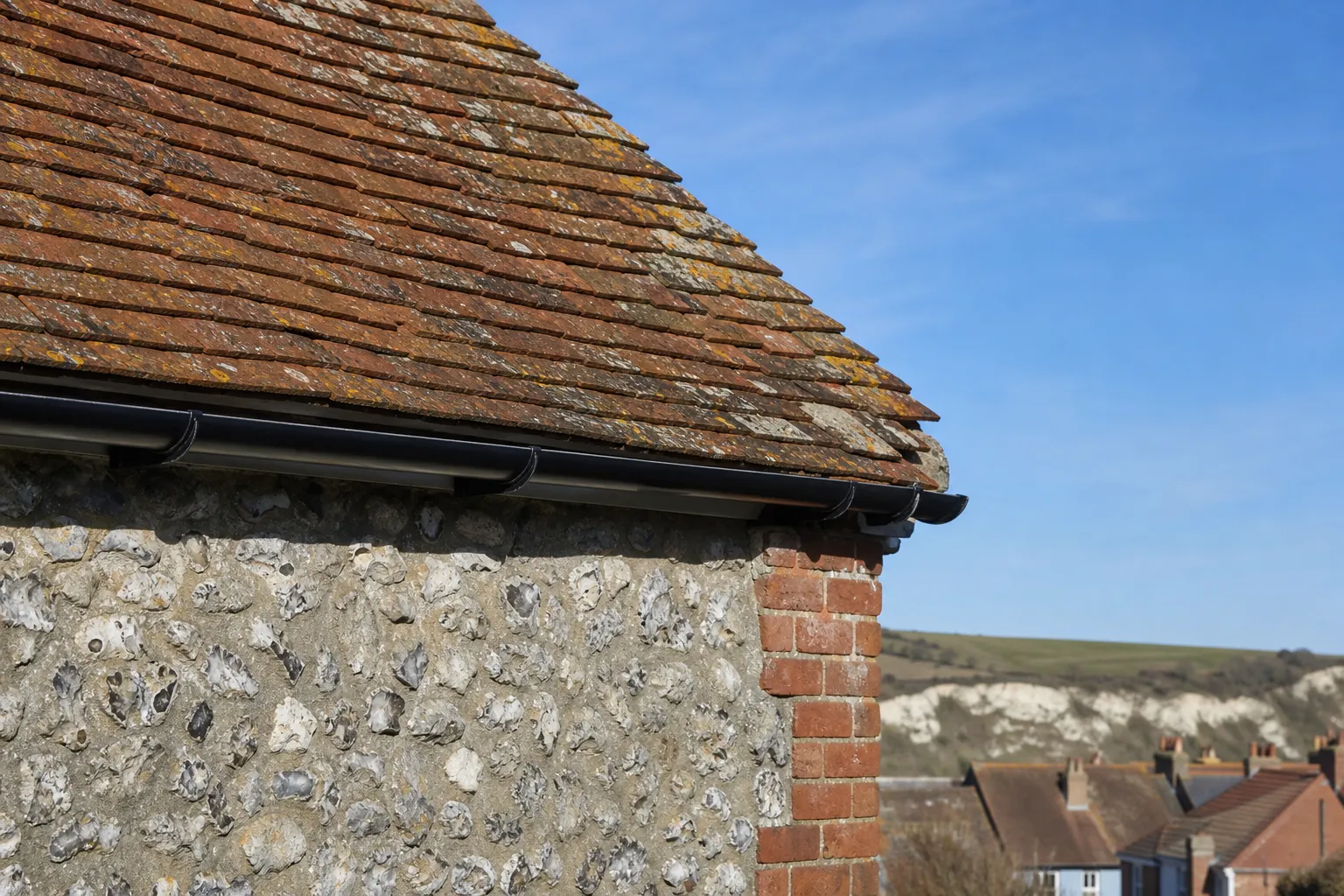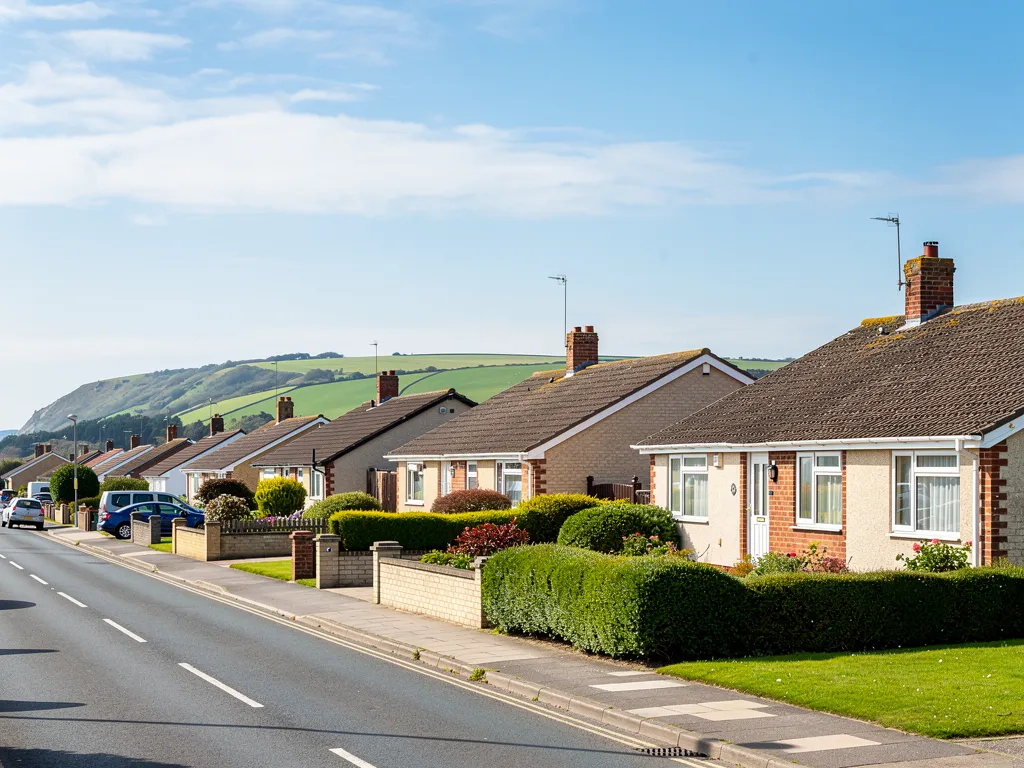
Tiled roofs get repaired by the patch. A handful of slipped tiles, a split ridge cap, a run of broken nibs along one slope: each is a small job with its own price logic. That is unlike a flat roof, where one fault can mean re-covering a whole deck, and unlike a full re-roof, where everything comes off.
This guide covers tiled and slated pitched roofs only. For the repair prices across every kind of roof, from felt to lead, see our roof repairs service, which holds the general price guide. Here the question is narrower: what do concrete tiles, clay tiles and slate cost to put right, and why do the figures differ? The wider picture of pitched work sits on our pitched roofing page.
The numbers below are typical UK ranges from third-party cost guides, each named with its date. They are not Watertight prices, and they cannot account for a roof nobody has seen. Pitch, height, the state of the battens beneath, how easily a matching tile turns up and what has to be erected to reach the work all move a real figure. After our survey, the price follows in writing as a single figure for the job.
Per-square-metre repair rates for concrete, clay and slate
Checkatrade's roof repair cost guide (updated 10/26, with its price table last updated June 2026) gives repair rates per square metre of roof worked on, all excluding VAT. Three of them matter for a pitched roof.
| Covering | Typical repair rate per m² |
|---|---|
| Concrete tiles | £90 to £120 |
| Clay tiles | £110 to £160 |
| Natural slate | £150 to £220 |
The area is the patch being repaired, not the whole roof. A section of eight or ten square metres where tiles have slipped is priced on that area, with access and any hidden repairs added on top. Stretch the same rates across a whole slope and the total climbs fast, which is why a repair that reaches a big share of the roof starts to look like a re-roof.
The same guide puts roofers at £35 to £45 per hour or £280 to £360 per day. That explains much of the table, and it is why two jobs with the same number of tiles can price differently. Lifting tiles, inspecting the battens under them and laying everything back neatly is slow, careful labour, so the rate is mostly time rather than material.
VAT is added on top, and a table makes that simple to miss. The standard rate is 20 per cent (GOV.UK), so a quote that matches a Checkatrade figure on paper may be a fifth higher once VAT goes on. Whenever two quotes sit side by side, check whether each one includes it, and whether each one includes access. A gap between them is often explained by one of those two items rather than by the roofing itself.
Why clay costs more to repair than concrete
The gap in the table has ordinary causes. Clay tiles come in more shapes, colours and finishes than concrete, and a hand-made or reclaimed tile that matches an old roof can take time to find. Several makers produce plain tiles that look near-identical and differ in size by a few millimetres, enough to leave a gap in a course. Our guide to roof tile types explains how plain, interlocking and pantile profiles differ, and why a replacement has to share the profile of what it sits beside.
Concrete tiles are made in long production runs, and the common profiles stay available for years. A replacement is usually quicker to source and quicker to lay, because one large interlocking tile covers a good deal of slope.
Natural slate tops the range for reasons of its own. A slate is cut and hung rather than lifted and re-seated. A slipped one is mended with a slate hook or replaced with a fixing that suits the pitch, and batches vary in colour and thickness. On an older Worthing terrace, a few sound slates from a hidden part of the same roof are often the best match available.
What the survey checks first
Before pricing a patch we look at the battens beneath, because a new tile cannot hold on rotten or split timber. If the slope has several soft battens, the sensible repair is wider than the visible damage, and we show the photographs so you can see why. A repair that sorts the tile but leaves a failing batten has not dealt with the way in.
Slipped and cracked tiles: what a small call-out costs
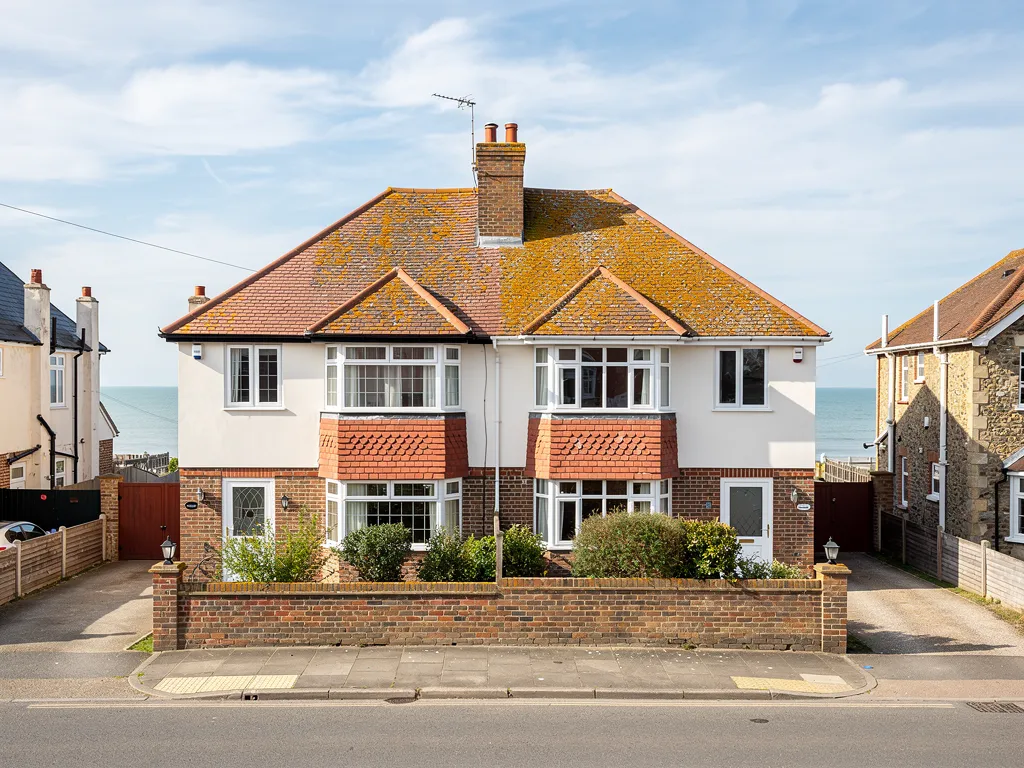
MyBuilder's roof repair guide (updated 21/08/2026) puts typical minor repairs at £100 to £300, moderate repairs at £500 to £1,000 and major repairs at £2,500 or more, within an overall range of £150 to £1,500 for roof repair. One slipped tile or a pair of cracked ones belongs in the first band, as long as the roof can be reached from a ladder and the cause is plain.
Not every slipped tile is a one-tile job. A tile slides when its nail has corroded or pulled out, when its clip has opened, or when the batten beneath has split. If one has gone, its neighbour often shares the fault. We look at the tiles either side and the course above before deciding that a single replacement will do, because the aim is a sound slope rather than a tidy-looking one.
Storm damage
MyBuilder gives £500 to £1,500 as a typical range for storm fixes. A gale can displace tiles across a whole slope, break a ridge line or lift a verge. A storm repair often begins as a make-safe to stop water entering and finishes as a proper repair once the weather allows. Stopping the water comes first, and tracing what failed follows.
Cracked, chipped and frost-damaged tiles
A hairline crack in a tile that still sits tight may be left and watched. A tile cracked right through, or one that has lost a corner where water can enter, should come off and be replaced. The extra cost of replacing is small next to the cost of a stained ceiling and a drying-out job, so we say which tiles fall into which group when we send the photographs.
Ridge and hip repairs on a tiled roof
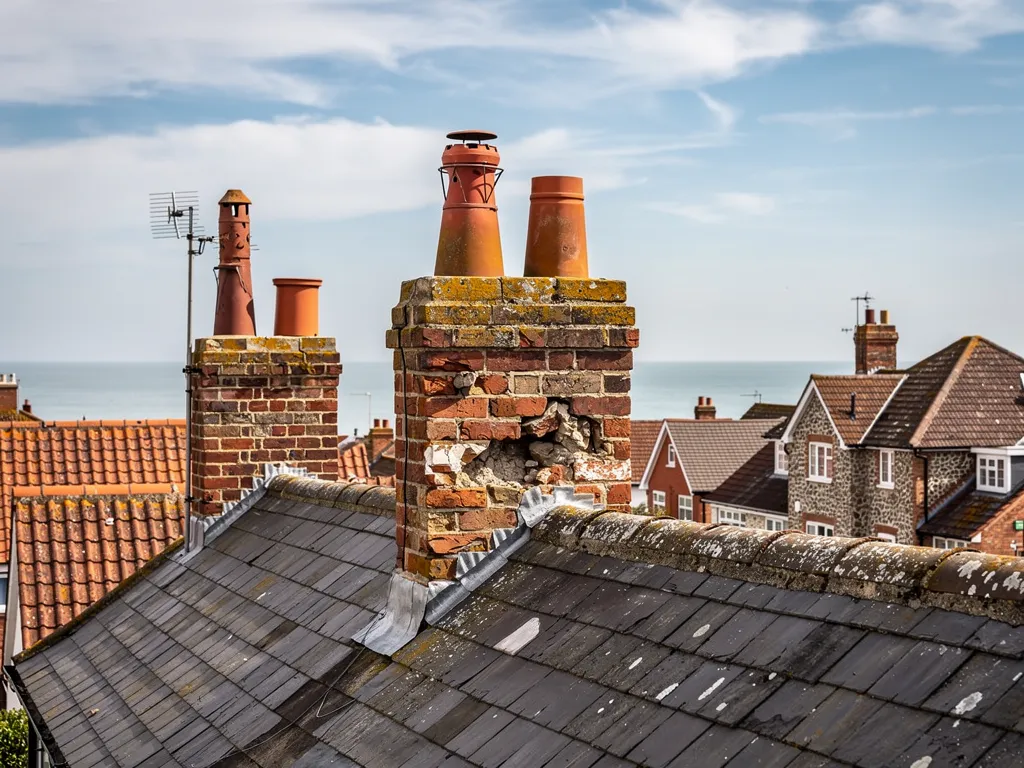
Ridge and hip tiles cap the high lines of a tiled roof. Standing proud of the slope, they face the full force of a gale, and a hard winter tends to show there first. Historically they were bedded on mortar, which cracks and loosens over time, and a ridge can look sound from the road while the bedding beneath has gone.
MyBuilder's slate roof guide lists £300 to £600 to re-bed or renew ridge tiles, against £200 to £400 to repoint ridge or hip tiles. A separate MyBuilder guide to dry ridge systems quotes £40 to £60 per linear metre for a dry system, with a typical job between £500 and £1,000. A dry system clips the ridge down and ventilates it, in place of mortar. Checkatrade gives £50 to £70 per metre for dry ridge and £70 to £100 for dry hip.
Bedding on mortar by itself has stopped being enough under the 2014 revision of BS 5534, which adds a mechanical fixing to every ridge and hip tile. A repair therefore means more than patching the bedding. Our guide to tile fixing in coastal wind explains why the fixing matters near the sea.
Repointing or re-bedding
Repointing suits a ridge that is solid underneath and has lost only its surface pointing. If the mortar has failed along most of the run, or the ridge tiles are themselves cracked, re-bedding with mechanical fixings costs more than repointing but should last longer. The verge, the tiled finish running up the side of a gable end, deserves a look on the same visit, since the same gusts work at both.
Where a single stretch of ridge is the only fault, it can be priced as a contained patch rather than a whole roof's worth of work.
Access: ladders, towers and scaffolding
The lowest-cost tile repair is the one reachable from a ladder. On a low-eaved bungalow, a ladder and a crawling board may be all a few slipped tiles need, and the job is over in a short visit. A two-storey house, a roof set behind an extension, or damage high on the slope changes the arithmetic.
MyBuilder's scaffolding guide gives around £850 to £1,200 for erecting a typical two-storey house and £400 to £900 for a chimney. Checkatrade quotes around £875 a month on a semi. On a minor repair, the scaffold can cost more than the roof work, so whether it is needed is a big part of the price. Some jobs can be done from a tower or a platform at a lower cost, and we say in the survey which kind of access the repair needs.
The scaffold licence
Section 169 of the Highways Act 1980 makes a written licence necessary when scaffolding obstructs the road or pavement. In our area the licence is granted by the county, West Sussex, the scaffolding firm applies, and the council wants 10 working days' notice at least. Inside Brighton and Hove the licensing is handled separately. All that notice is one reason a repair needing scaffolding is seldom quick.
Read any quote for what it includes. Check that scaffolding is in it, and whether the licence is covered. A figure that leaves access out can rise sharply once the scaffold is booked. When we quote, the access needed is part of the one total, so you know what you are agreeing to before anyone starts.
When tiled roof repair stops making sense
Repair is the right call when the roof is sound apart from a local fault. It stops being right when faults turn up everywhere, when the tiles have gone brittle across the slope, or when the underlay beneath has perished. Then the costs stack up: three or four separate repairs over two winters can add up to more than doing the slope once.
For comparison, MyBuilder gives a typical UK range of £5,000 to £12,000 for a new roof, with a semi-detached gable at £5,000 to £8,000 and a hipped roof at £8,000 to £12,000. Checkatrade's UK average is around £8,000. When repair bills start to approach a third of those figures, it is worth weighing them against a quote for recovering.
What we look at to decide
We check how many tiles are loose or cracked, how the battens and underlay look from inside the loft, whether the ridge and verges are mechanically fixed, and how the pitch compares with the covering's lowest allowable slope, as set out in our short answer on the minimum tile pitch. When a repair genuinely solves the problem, that is what we recommend. When it does not, we describe what recovering involves and why.
Either way, our survey photographs show your own roof, the written quote gives one total, and the price is good and fair for the work. The scaffold may already be up, which makes it the sensible moment to look over neighbouring slopes as well, and the waste leaves with us when we go, with the site left clear.