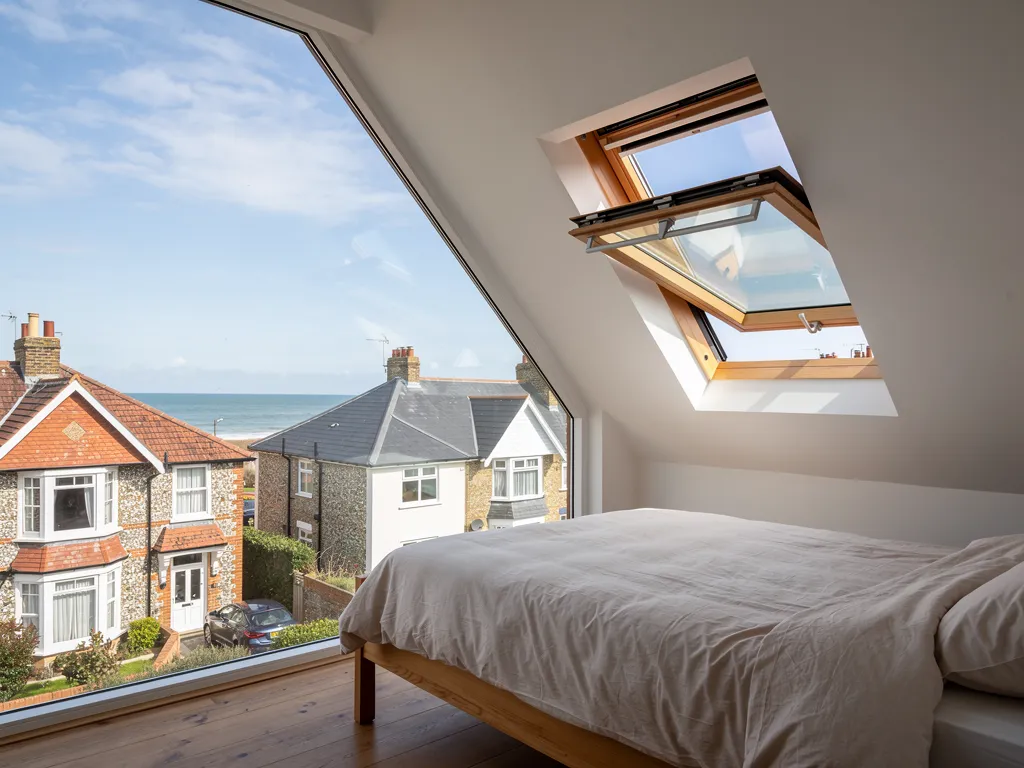
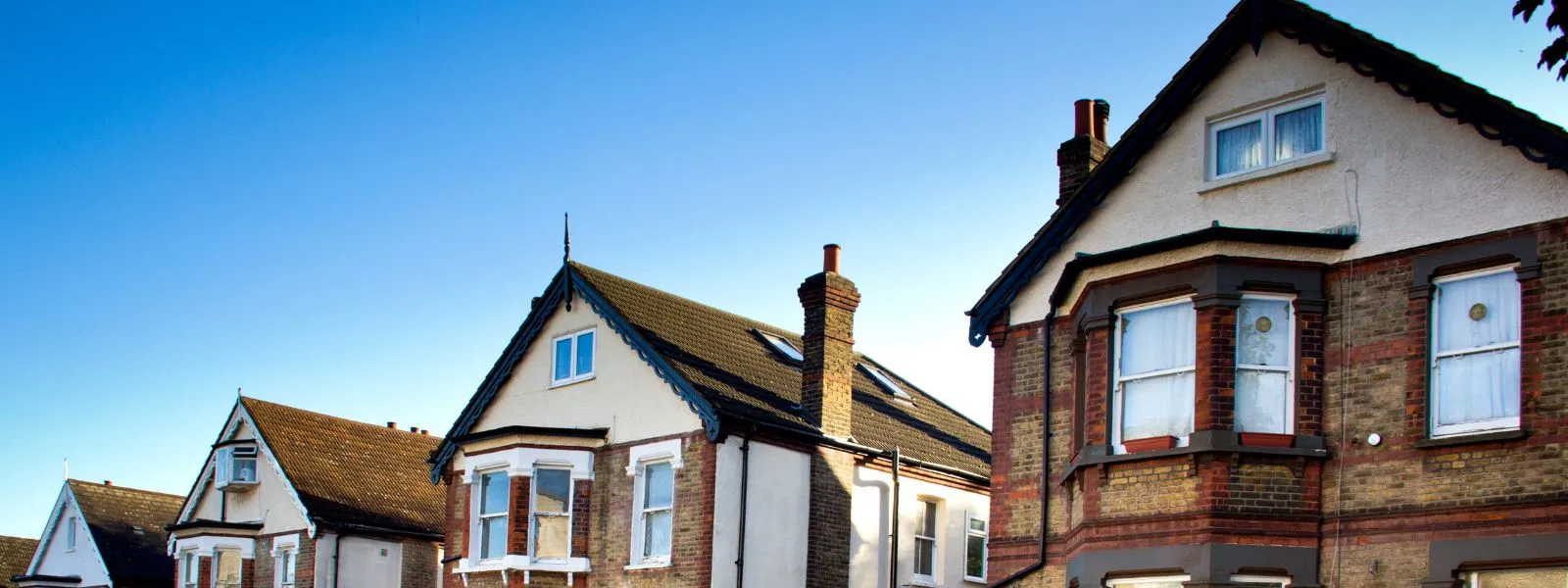
Welsh slate is the traditional covering on Victorian terraces and villas along the Sussex coast, carried here when they went up. A merchant's catalogue today offers Welsh and Spanish slate side by side, so a homeowner re-slating a roof is often asked to pick a quarry before anyone has said what the pick changes.
It changes less than people expect, and more in a few particular cases. Both are natural slate, and both make a long-lived covering when fixed properly. The published lifespans overlap instead of sitting apart. From the pavement, one is often mistaken for the other. Where the choice does bite is on a listed building, inside a conservation area, or on a roof that has to match slate already there.
This guide sets the two against each other on lifespan, appearance, cost and consent, then explains why the fixing decides more than the label on the pallet. After a survey, we hold samples against your own roof before you commit.
What you are really comparing
Welsh slate is quarried in Wales and Spanish slate in Spain. Both are rock that splits into thin sheets along natural planes, which is why a slate roof is thin and long-lived at once. Neither is manufactured, and neither is a different class of covering. A slater lays them over the same battens and underlay, on the same fixing rules.
That sameness is worth holding on to, because sales talk around each tends to suggest a gulf. The useful comparison is between individual products, not countries. Slate varies from quarry to quarry and grade to grade, so ask the supplier for the dimensions, thickness range and test data of the exact slate on offer before asking where it was cut.
Grade and size count as much as origin
Slates are sorted before sale. A cheap, thin, uneven batch from one country can be a poorer buy than a well-sorted batch from the other, and the reverse holds just as well. Size feeds into the fixing too, because a longer slate allows a different headlap, the amount each slate is tucked beneath the courses higher up.
So we do not recommend an origin before looking at the roof. A steep, sheltered slope in a village behind the Downs has different needs from a shallow one facing the sea. Pitch, exposure, the slates already there and the planning position come first, and the quarry follows.
Lifespans as published
Published figures are the best evidence available, and they need careful reading. MyBuilder's slate guide (updated 21/08/2026) quotes 80 to 100 years or more where slate is installed well, describes Welsh slate as often outliving a century, and gives Spanish slate 75 to 100 years. Checkatrade (last updated September 2026) allows anything from 50 to 200 years for a slate roof, with most easily passing 100.
Side by side, the Welsh figure sits a little higher and the Spanish range starts a little lower, yet the two overlap along most of their length. A Spanish roof reaching 100 years is inside the published range. A Welsh roof that fails early points to workmanship, exposure or poor sorting. None of these is a promise; each is a typical range.
What actually ends a slate roof
The slates are rarely the first part to go. The nails corrode and let go, which is called nail sickness. Lead flashings and valleys wear out. Battens and underlay age. A roof with sound slates and tired fixings is stripped and relaid with the same slates, and that is why salvage sits at the heart of any re-slating job.
Treat a century-long figure as a claim about the slate, not the roof. When quotes arrive, compare the fixings, the underlay and the lead, because those decide whether the slate gets to use its full life.
How each one looks on the roof
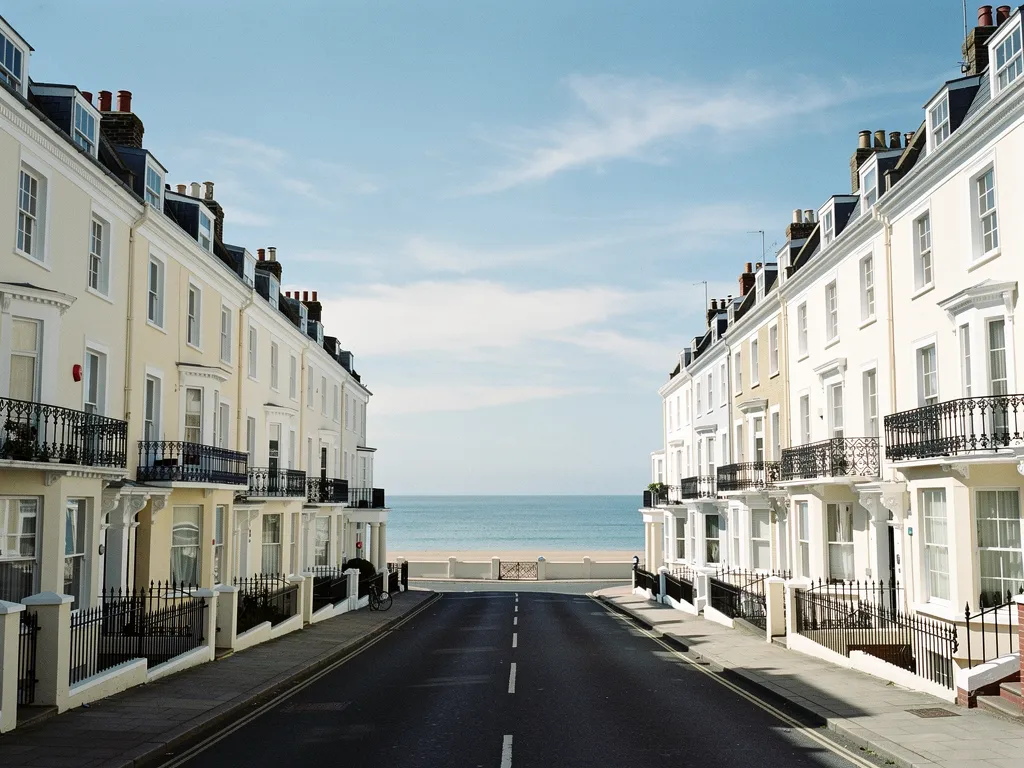
Appearance is where people expect the biggest gap, and where we ask you to trust a sample over a description. Natural slate is never one flat colour. Each batch has its own range of shade and surface texture, and two pallets from the same country can read quite differently once up. Roofs also change with age, so a new roof next to an old one looks different for a few seasons whichever you pick.
On a Victorian street you will often see Welsh slate laid in regular, even courses, with a slight sheen in wet weather. Spanish slate comes in a similar spread of tones, and from the road the two can be hard to separate. When the eye does catch a difference, it is usually the surface and the cut edges.
Ask for the sample on the day
The reliable method is to see the actual slate. At a survey we can hold samples against the existing roof and look in daylight and shade, wet and dry. A damp morning tells you more than a brochure, because sea light and damp air change how a roof reads.
Repairs follow a different logic. If ten slates need replacing on a roof of old ones, matching what is there beats buying new from a preferred country. Reclaimed slate of the same size and age often blends best, and our note on matching old slates explains how.
Cost, and why origin is a poor guide to it
Cost is where many people start, so here is what the published ranges say. MyBuilder's slate guide (updated 21/08/2026) puts a re-slate at £100 to £180 per m², a typical UK range, and it treats slate as one category. Checkatrade's repair table (June 2026) lists natural slate repairs at £150 to £220 per m², excluding VAT. These are national ranges from third-party guides, not Watertight prices, and neither separates Welsh from Spanish.
A national guide therefore cannot settle a Welsh against Spanish quote. On a real roof the price turns on plainer things: the roof's size and complexity, from hips and valleys to dormers, plus the scaffold, the slate size and grade, and what the survey finds beneath. Rotten battens or missing underlay add to the bill.
Compare like with like
When two quotes differ, look at what is supplied before the country. Is the slate the same size? Is the underlay the same? Are old slates reused or replaced? Does the figure include VAT and scaffolding, and lead where the roof needs it? A quote that looks lower because it omits the scaffold or the new battens is not lower.
From the survey you get photographs and a written quote giving one total, and our pricing is good and fair. For the wider numbers see what a slate roof costs, and for the drawbacks worth weighing, the disadvantages of slate.
Conservation areas, listed buildings and matching what is there
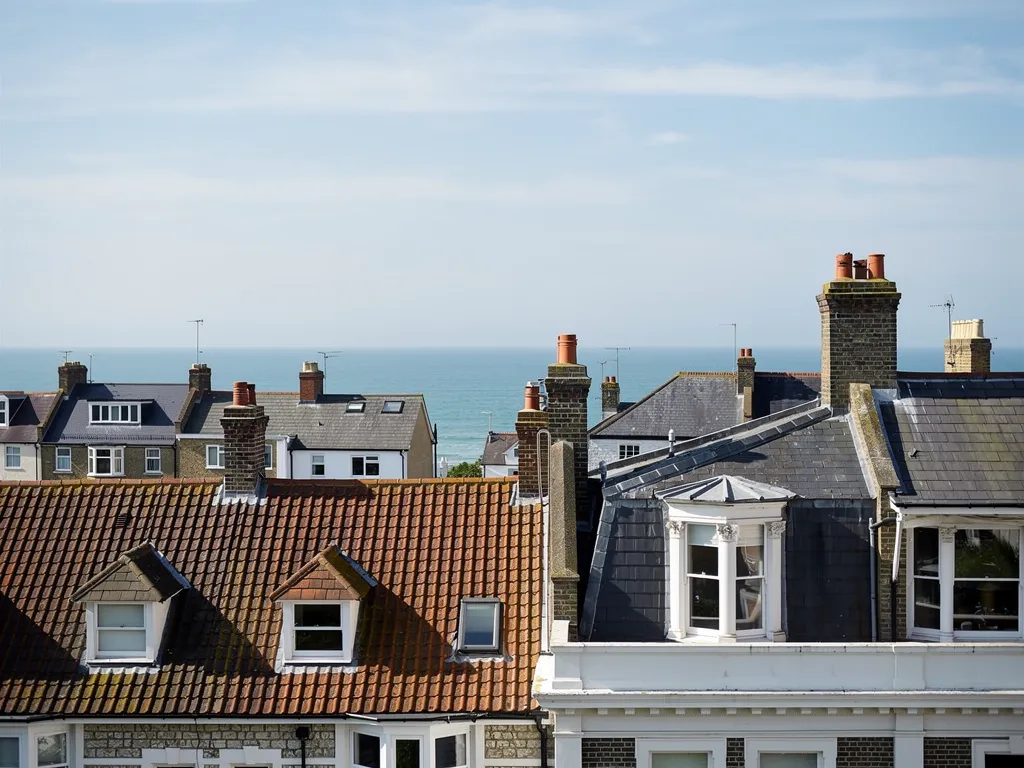
Planning control seldom applies when the same covering goes back on a typical house, since its appearance stays put. Two caveats bite on slate: a listed building, and an Article 4 direction that withdraws rights a house would otherwise have.
On a listed building, Adur & Worthing's own guidance counts repairs made in different materials as work that needs listed building consent. Inside the National Park, the South Downs National Park Authority puts it this way: ordinary maintenance and minor patching that restores the same thing needs no consent, but changes or full replacement of old fabric that give the building its character do. For a listed roof, the existing slate is the starting point: its origin, size and finish. If you are unsure, ask the Adur & Worthing planning team before ordering anything.
Local Article 4 directions
Some conservation areas near Worthing have directions that reach roofs. The Worthing direction for Warwick Gardens catches altered roof slopes, in form or in material, for houses that face a street or green. Across Old Shoreham and Kingston Buci, the directions take away the Class C right, with roof coverings named, wherever a house side fronts a road or path. In those places a new material can need permission even when the job looks like a repair.
Not every area is the same. Two Worthing directions, for Ambrose Place and Cowper Road, leave roofs untouched. Because the detail changes street by street, we set out the position for your address before the quote. Our page on slate in conservation areas goes further.
Why the fixing matters more than the quarry
A good slate laid badly does worse than an average slate laid well, and on this coast gales test every fixing. Cupa Pizarras, a Spanish slate producer, writes that BS 5534:2014+A2:2018 sets a lowest pitch of 20 degrees for natural slate laid in moderate exposure, with a 500 mm slate and a 115 mm overlap. Its guidance adds that hooks are unsuitable below 25 degrees. These are limits for the product, and the maker's own data sheet still governs.
The headlap keeps driving rain from travelling up under a slate. On Cupa's table for sheltered and moderate sites, a 500 x 300 slate needs 115 mm at 20 degrees, 95 mm at 25 degrees and 80 mm at 30 degrees. A shallower roof needs more overlap, and the 600 x 300 and 500 x 250 sizes have no value in that table below 25 degrees.
Nails, hooks and what you cannot see
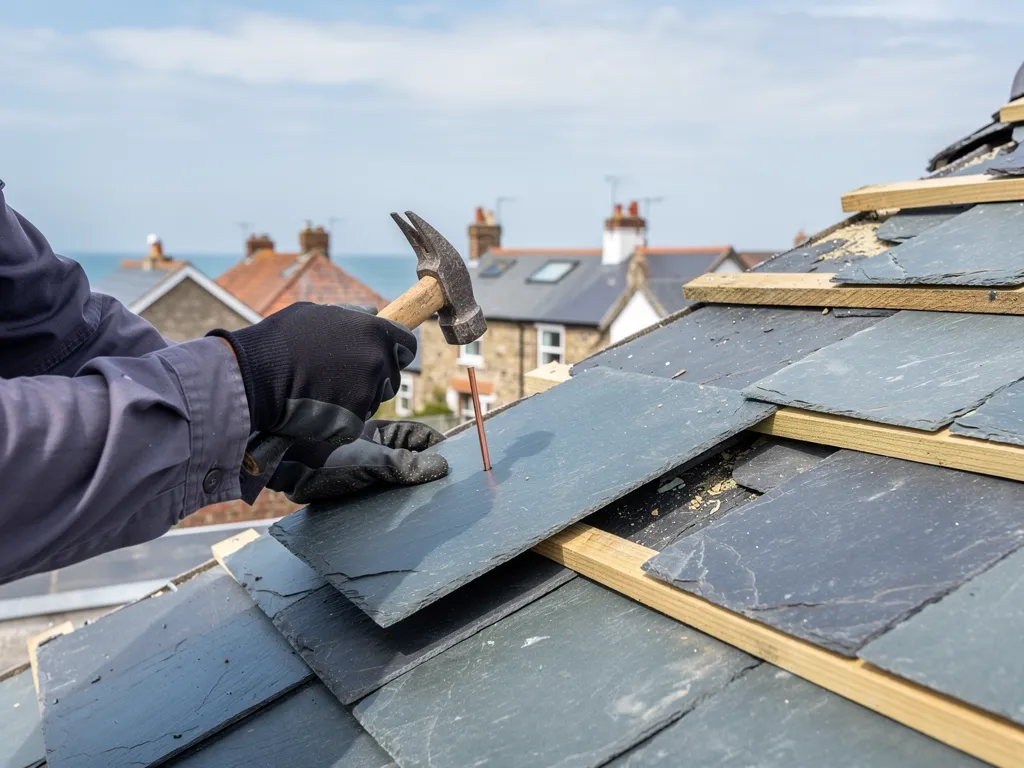
A slate stays put through nails driven through it or hooks that grip its tail, and pitch and exposure decide which suits. Our pages on hooks against nails and minimum pitch take each in turn.
The lesson for this decision is that identical slate can give two different roofs. Ask any roofer how yours will be fixed, what headlap applies at your pitch, and what goes beneath. Those answers matter more than origin. The whole job is described on our slate roofing page.
Making the call on your own roof
Four situations tend to come up. On a listed building, or in a conservation area with a roof direction, match what is there and speak to the planners first. When repairing a roof that already has slate, match size, colour and age, with reclaimed slate where it blends best. For a full re-slate of an ordinary house either origin is reasonable, and samples, sizes and the quote decide it. If money is tight, spend it first on sound battens, underlay, fixings and lead.
Also look at the neighbours. On a terrace where every roof is the same Welsh slate, one house in a lighter, smoother Spanish slate stands out, even if only slightly. Along a row of newer houses with mixed roofs, nobody notices. Standing in the road and looking is as good a test as any.
What we do before you decide
We survey the roof, photograph the slates, fixings, underlay and lead as they are, and show you the pictures. We then bring samples that suit your pitch, exposure and consent position, and talk through the trade-offs in plain words, and we put forward the lightest job that deals with the cause.
A written quote then gives one total, with the sample slates and the fixing method named in the same document. A few photographs of your slates and a note of the house's age make a good first message to us. If you are weighing slate against another covering, natural or man-made slate covers that choice.