A roofer asked to price a slate roof is often asked a second question within minutes: could it be done in something cheaper that looks the same? The covering people have in mind is man-made slate, a factory product, commonly fibre cement, cut into slate-shaped tiles and sold in a range of colours and finishes.
It is a fair question, and the right answer varies with the house. For some roofs a man-made slate is a sensible, well-behaved covering. For others, anything listed or in a protected street above all, it is the wrong material before price comes into it. The differences that count are not the ones brochures lead with. They are the evidence for lifespan, the load on the rafters, the way each ages, and what the planners accept.
This guide takes those in turn, flags one safety point for older sheet roofs, and shows how we weigh the choice at a survey. Where a figure appears, it comes from a named published guide and is a typical range.
What each material is made from
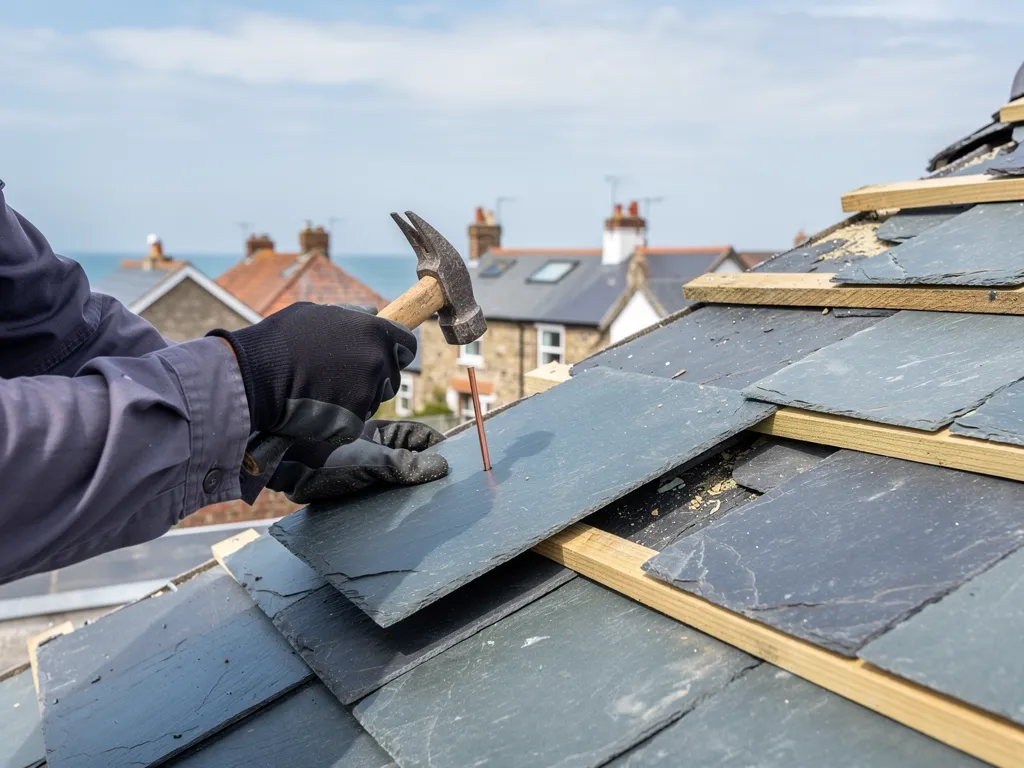
Natural slate is rock. It is quarried, split along its natural layers into thin sheets and trimmed to size, with nothing added. Each slate keeps the character of the stone it came from, which is why no two are alike and why a new roof can look settled the day it is finished.
Man-made slate, also called artificial or fibre cement slate, is manufactured from a mix of materials and cut or moulded to a regular shape. That regularity is part of the appeal: sizes and thickness are consistent from one slate to the next and the colours are controlled. Several different products are sold under the one name, and they behave differently, so the product matters more than the category.
Why the product name is not enough
When a quote says only man-made slate, it tells you very little. Ask for the manufacturer, the product name and its technical data sheet, which gives the size, weight, minimum pitch, the fixing method and the maker's warranty terms. A warranty records what a manufacturer will stand behind. It is not the same as a lifespan.
The same discipline applies to the natural kind, which is why our guide to Welsh against Spanish slate asks you to look at grade and size, not only origin. For either, the paperwork for the actual product tells you more than the category does.
Lifespan, as far as the evidence goes
For natural slate the published evidence is strong. MyBuilder's slate guide (updated 21/08/2026) reckons a slate roof laid well will give 80 to 100 years or longer. Checkatrade (last updated September 2026) gives 50 to 200 years, with most easily passing 100. These are typical ranges, shaped by exposure, workmanship and upkeep.
For man-made slate, the figure to look at is the manufacturer's warranty, and a warranty period must not be read as the number of years a roof will last. A product's real life depends on how it is fixed, how exposed the roof is and how it is looked after. Ask the maker what the warranty covers, for how long, and what it demands of the fixing and the maintenance.
Where the failures usually come from
On natural slate the slate itself usually outlasts the nails, the battens and the lead, so repairs tend to be about fixings and flashings. On a man-made product the first concerns differ: whether the surface weathers evenly, whether corners hold, and whether it has been fixed to the data sheet.
For a house you will keep for decades, that argues for asking how the product was tested. For one you may sell in a few years, the question might be which finish a buyer's surveyor will read as sound. We lay out the options at the survey using photographs of your own roof.
Weight, structure and Building Regulations
Weight is one of the biggest practical differences, and it is why one covering cannot be swapped for another on a whim. Slates vary by product and size, and the data sheet gives the figure for each. We offer no general comparison, because a thin natural slate and a thick man-made one can come out closer than you would expect.
The rules care about the change. Under the Planning Portal's test, a new covering that raises the roof covering's weight by 15 per cent or more needs approval, while Approved Document A calls a rise beyond 15% a significant change in loading. Strengthening a structure that cannot cope is classed as a material alteration. The Portal also asks for approval when the new covering would perform very differently in a fire.
Re-covering in the same material
Natural slate relaid as natural slate of similar weight seldom raises any of this. Moving to a markedly heavier or lighter product does, and the Planning Portal suggests a word with a structural engineer or surveyor first. Where the change is notifiable, we explain it and handle the Building Regulations notification with your building control body, which is the shared Adur & Worthing team or a registered building control approver.
Pitch belongs to the same check. BS 5534:2014+A2:2018 indicates a lowest pitch of 20 degrees for natural slate under the conditions Cupa Pizarras sets out, and each man-made product carries its own figure on its own data sheet. Our page on minimum pitch for slate gives the detail.
Appearance and how each ages
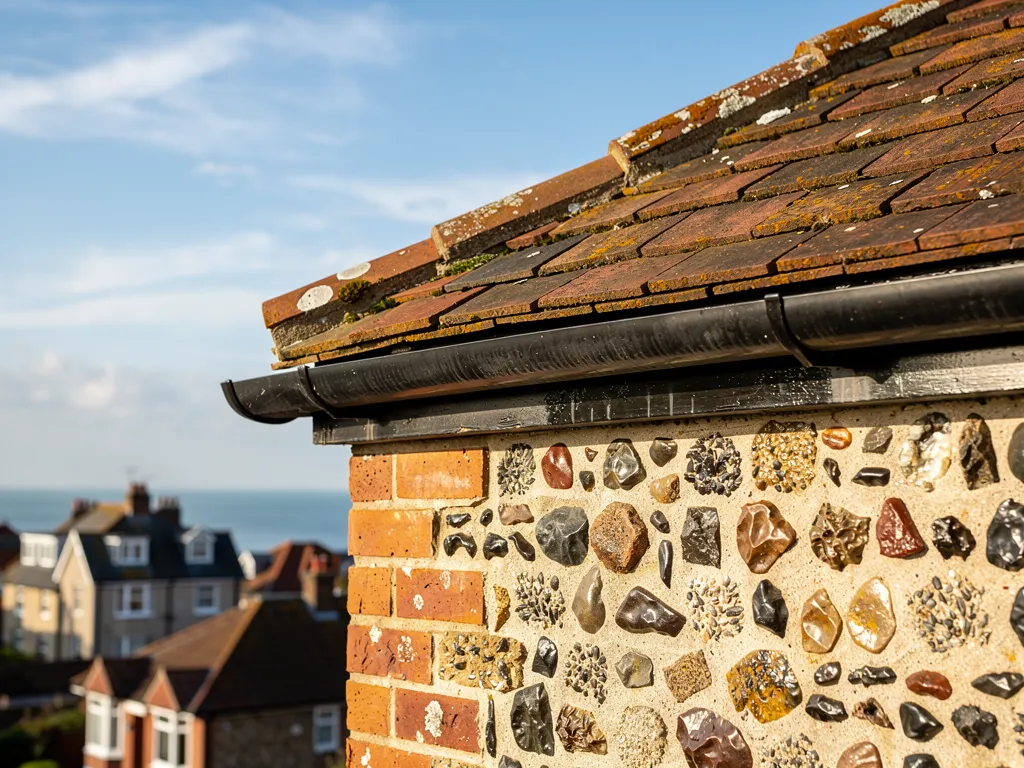
Close up, the two are easy to tell apart. Natural slate has a layered, slightly uneven surface and edges that show the split. A man-made slate is flatter and more uniform, with colour mixed into or applied to the product. From the road a good one can pass for natural, and a poor one cannot.
The gap grows with time. Natural slate weathers along with its neighbours, so old and new blend within a few years. Man-made slates are meant to weather evenly, though how they do so depends on the product, and a finish may shift colour in ways the sample board never showed. Ask the supplier for a roof where the product has been up for ten years, and go and look at it.
Judge it in your own light
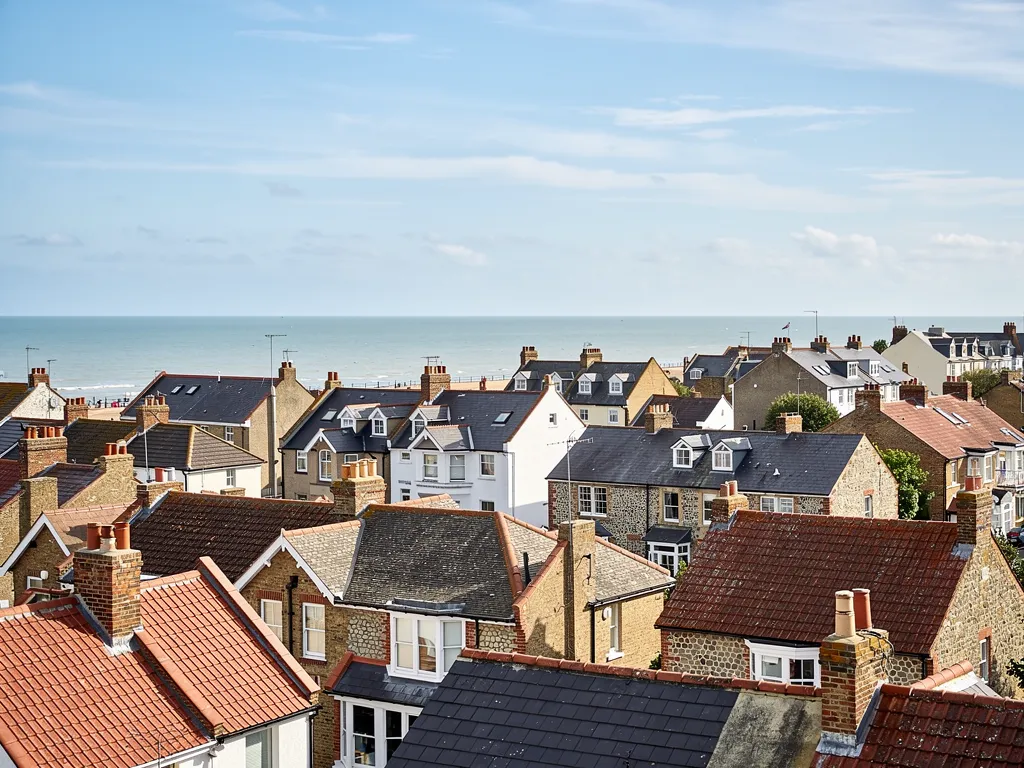
Sea light, damp air and the neighbours' roofs all change how a covering reads. We take samples to a survey and hold them against your existing roof, wet and dry. We look at the street as well: a terrace where every house wears natural slate will notice the one that does not, whereas a row of mixed newer roofs will not.
For a repair the principle is simpler: match what is there. A handful of man-made slates dropped into a natural roof tends to show, because surface and colour differ, and patchwork looks worse than age. Reclaimed natural slate of the same size usually serves better, and our note on matching old slates explains how we find it.
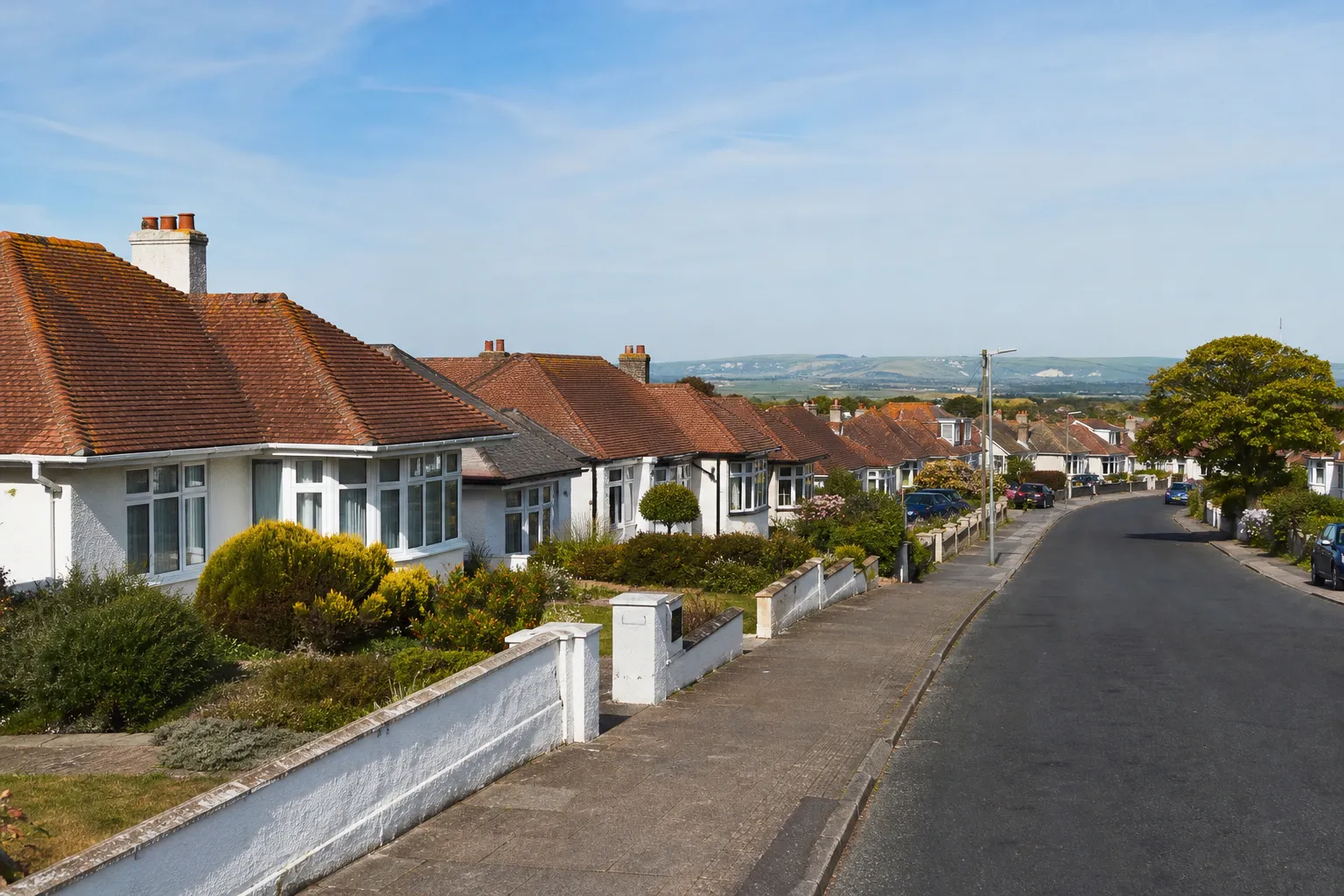
Planning rules for a slate roof in a protected street
Relaying the same covering on an everyday house normally sits outside planning control. The caveats start once the material changes. On a listed building, Adur & Worthing's guidance lists repairs done in a different material among the works that call for consent, and the South Downs National Park Authority separates routine repair in the same material from changes or full replacement of historic fabric. A man-made slate on a natural slate roof is the sort of change the first group means.
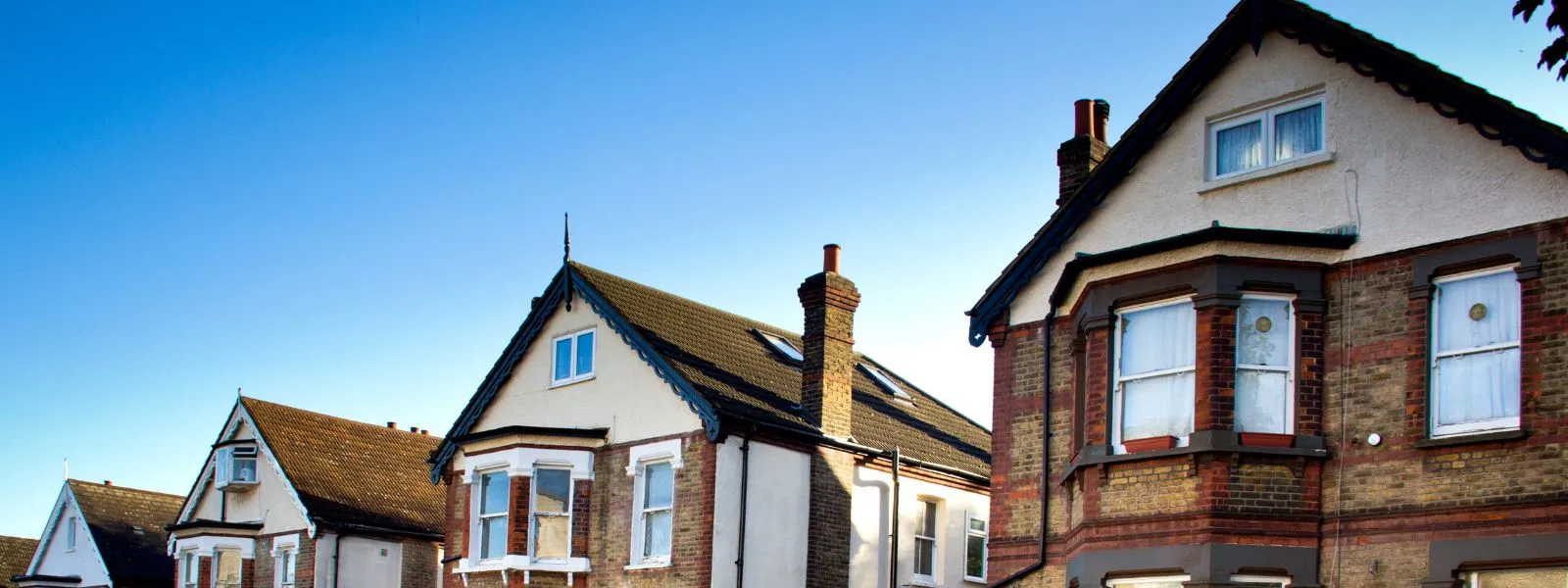
Article 4 directions carry the question to ordinary houses in some streets. Warwick Gardens in Worthing has one that reaches changes to a roof slope's form or material at the front of a house. Old Shoreham and Kingston Buci withdraw the Class C right, roof coverings included, on sides of a house fronting a road or path. Where one of these applies, swapping natural slate for a man-made one may need an application first.
Not every area is covered
Ambrose Place and Cowper Road have directions that leave roofs alone, and a conservation area on its own does not mean permission is always needed to re-roof. The detail runs street by street, and the councils hold the notices. We check your address before the quote and, if permission looks likely, tell you which covering the planners tend to accept.
For a protected house, ask the Adur & Worthing planning team first. Our guide to slate roofs in conservation areas takes you through it.
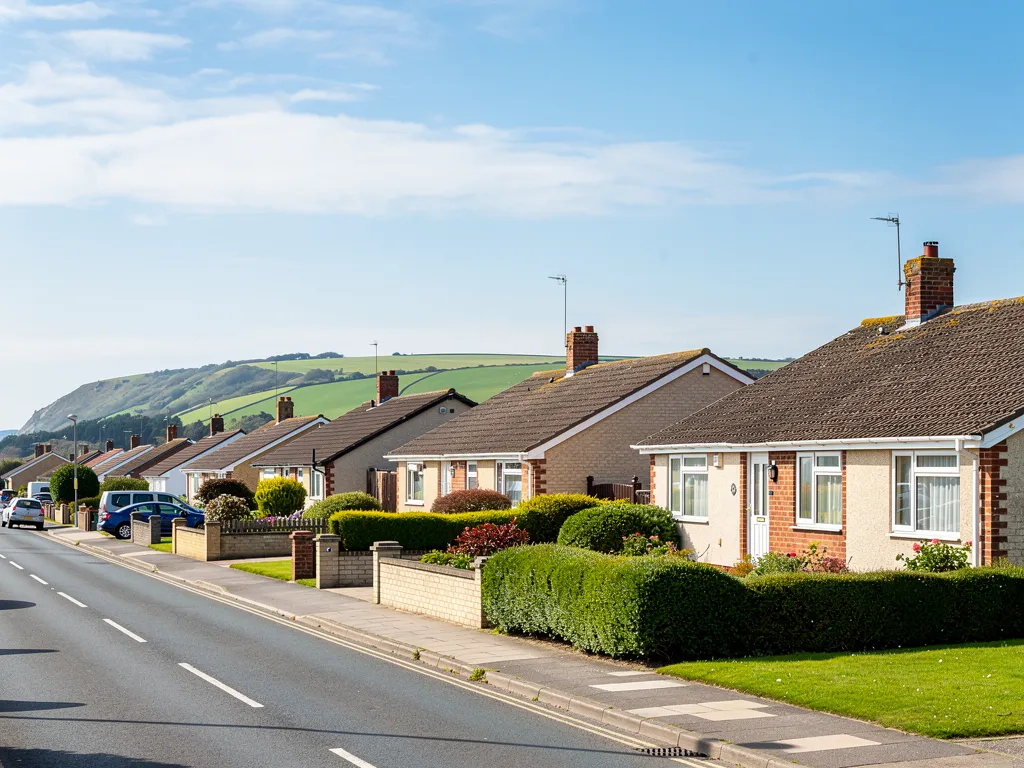
Older sheet roofs and a safety point
One safety point belongs in any comparison of man-made coverings. Some older roofs that resemble fibre cement slate or sheet may contain asbestos. HSE's advice for any building built or refurbished before 2000 is to assume it contains asbestos. You cannot tell by looking, and only testing settles it.
It matters because of what comes next. Taking asbestos cement off a roof with care, sheeting included, is non-licensed work in HSE's terms, provided the sheets come away in one piece. Once the material is substantially damaged or breaks up, the work turns notifiable non-licensed, and HSE warns that such a roof is always fragile underfoot. Household asbestos waste needs a consignment note, completed by the contractor as waste producer.
What we do on an unknown roof
If a house of that age could be wearing asbestos cement, we pause before anything is lifted or walked on. We do not break, drill or scrape it, and we talk you through the sensible routes: a test, careful removal under the HSE rules, or leaving it and overlaying. HSE asks whether sheets can be overlaid with non-asbestos material in place of removal, and sometimes that is the lower-risk answer.
None of this concerns genuine natural slate, which is rock. It is simply a reason to know what is on your roof before comparing prices. Photographs of the covering and the age of the property help, and our slate roofing page describes the wider work.
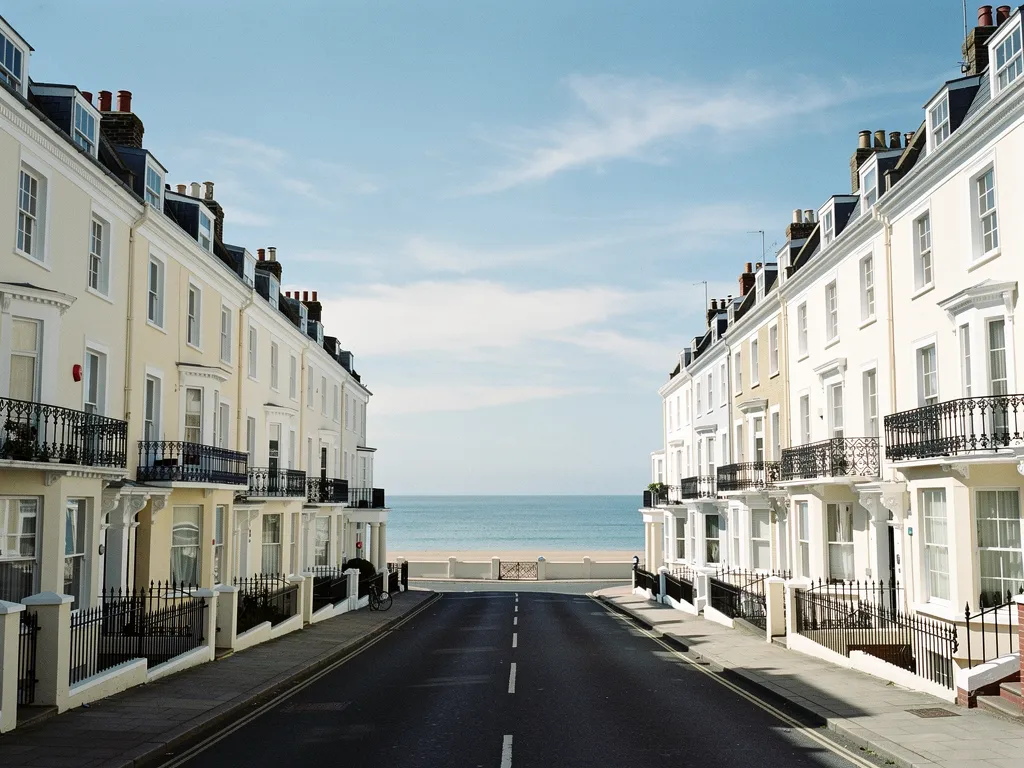
Cost, and how we weigh it with you
Published costs are only a rough guide. MyBuilder's slate guide (updated 21/08/2026) puts a re-slate at £100 to £180 per m², a typical UK range. Man-made slate is priced product by product, and the sum on a real roof turns on area, pitch, scaffold, which covering is chosen and what the survey uncovers beneath. Rotten battens or missing underlay can add more than the choice of slate.
Spread the cost over the roof's life as well. A covering cheaper to lay but sooner to replace is not cheaper, and a dearer one that lasts longer may be. That sum cannot be done without the roof in front of us.
The questions that decide it
We begin with the points that settle most cases. Is the house listed, or sitting under a roof direction? What is on the roof now? How heavy is it, what can the structure carry, and what are the pitch and exposure? If the first two point to natural slate, the decision is made. If not, we show you samples of each, compare their data sheets and set out the trade-offs in plain words.
The quote arrives in writing once we have surveyed, as one total with the photographs alongside; our pricing is good and fair. We recommend whichever covering properly solves the problem, and the quote names the covering and the underlay. Related reading: what re-slating involves, how slate repairs work and what a roofer charges per slate.