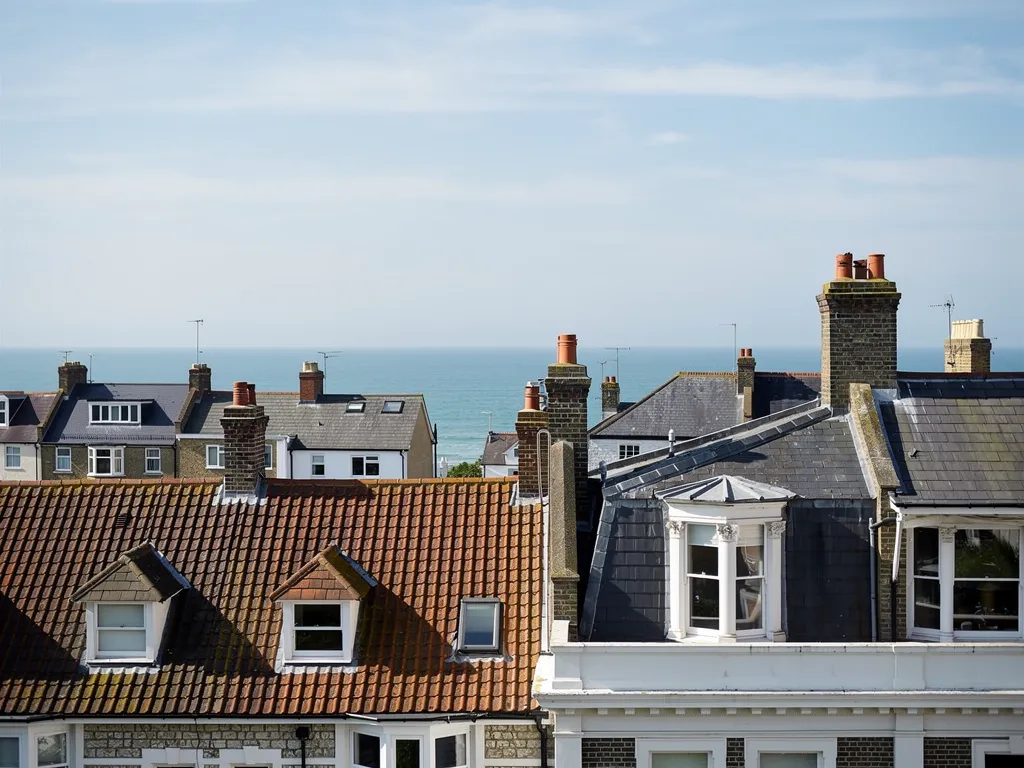
A listed roof is not simply an old roof. It is part of the reason the building is protected, and the listing covers the way it was made as well as how it looks. Hand-made clay tiles, stone slates, thick timber rafters and lime-based pointing are all parts of that fabric, and they were built to breathe. Foam that bonds to the underside of a covering like that changes how the whole roof behaves.
That is the thinking behind the guidance from the Royal Institution of Chartered Surveyors. Its consumer guide on spray foam insulation, dated March 2023, is blunt about protected buildings: permission has to be obtained first, and it is not enough to have a willing installer. The wording is about consent as much as about the foam, which matters, because whoever sprayed it may never have asked anyone.
Owners of listed houses meet this problem in two ways. Some are thinking of insulating and want to know whether foam is allowed. Others bought a home, or inherited one, and found foam already under the slopes. This page speaks to both. It explains the rule, the consent route, the damage foam can do to historic roofs, and the sensible first steps. It is general guidance; the council's conservation officer decides what a particular building needs.
What the surveyors' guidance actually says
The RICS consumer guide on spray foam insulation is written for owners, not for specialists, and its position on historic property is short. Installing foam in a listed building, or in any other protected building or structure, has to wait for prior consent. That is a statement about permission. It does not say every listed roof is unsuitable in every case; it says the decision is not the installer's or the owner's to make alone.
The same guide cautions that taking foam out later may harm the existing structure. For a listed building that cuts two ways. Foam fitted without consent may be a problem for the owner, and removing it carries a risk to the very fabric the listing protects. So the safest moment to ask questions is before any foam is sprayed.
It is worth knowing what the guide does not say. It does not set a date after which foam became acceptable in listed homes, and it does not list roof types that pass. Anyone who tells you foam is fine on a listed roof without mentioning consent is leaving out the main point.
Protected buildings beyond the listed ones
The guide's phrase covers more than listed houses. A building in a conservation area, a church, a barn that belongs to a listed farmhouse and a garden building within a listed property's grounds may each raise the same question. If your property has any kind of heritage protection, ask the council before you let anyone start. Around Worthing that means Adur & Worthing Councils, the district council for your village, or the South Downs National Park Authority when the Park is your planning authority. Our spray foam assessment and removal page gives the wider picture.
How listed building consent applies to a roof
The governing law is the Planning (Listed Buildings and Conservation Areas) Act 1990. Section 7 forbids works that would alter a listed building in a way affecting its special historic or architectural character without authority, and section 9 makes breaking that rule an offence. Authorisation normally comes as listed building consent from the council acting as planning authority.
Councils separate repair from alteration. Adur & Worthing Councils include repairs in the wrong materials among the works needing consent, yet treat sensible upkeep as something owners can simply get on with. The South Downs National Park Authority takes the same line: routine upkeep and minor repairs that match the original need nothing extra, whereas anything that changes or wholly replaces historic fabric, so altering the building's character, needs consent.
Insulating under a roof is a change of method, not a like-for-like repair, so it is a question to put to the council, not to assume. Owners sometimes hope that because nothing changes on the outside, nothing needs approval; the councils' guidance does not support that hope. Whether a particular scheme would be treated as affecting character is a judgement for the conservation officer, and we do not second-guess it.
Churches and chapels
Some places of worship sit outside the usual consent system. Churches in active use by the denominations named in the ecclesiastical exemption follow their own internal process instead, which for the Church of England is a faculty. A closed church does not keep that exemption, and nor does a building used by a faith outside the exemption. If you care for a church roof, check which route applies before any insulation is discussed.
Why historic roofs and foam sit badly together
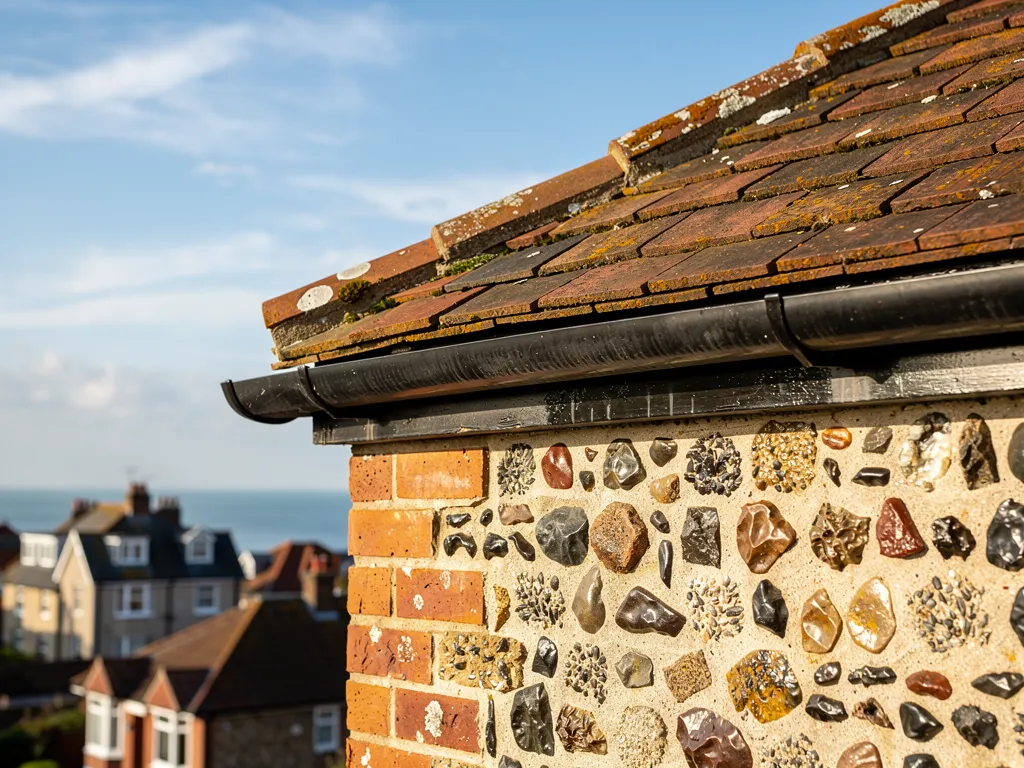
Historic roofs were designed to shed water and to dry out again. Slates and clay tiles overlap loosely, there is often no underlay at all, and air moves through the gaps and over the timbers. A damp spell soaks into the wood and lime, and a breezy day dries it again. The structure works because it can do both.
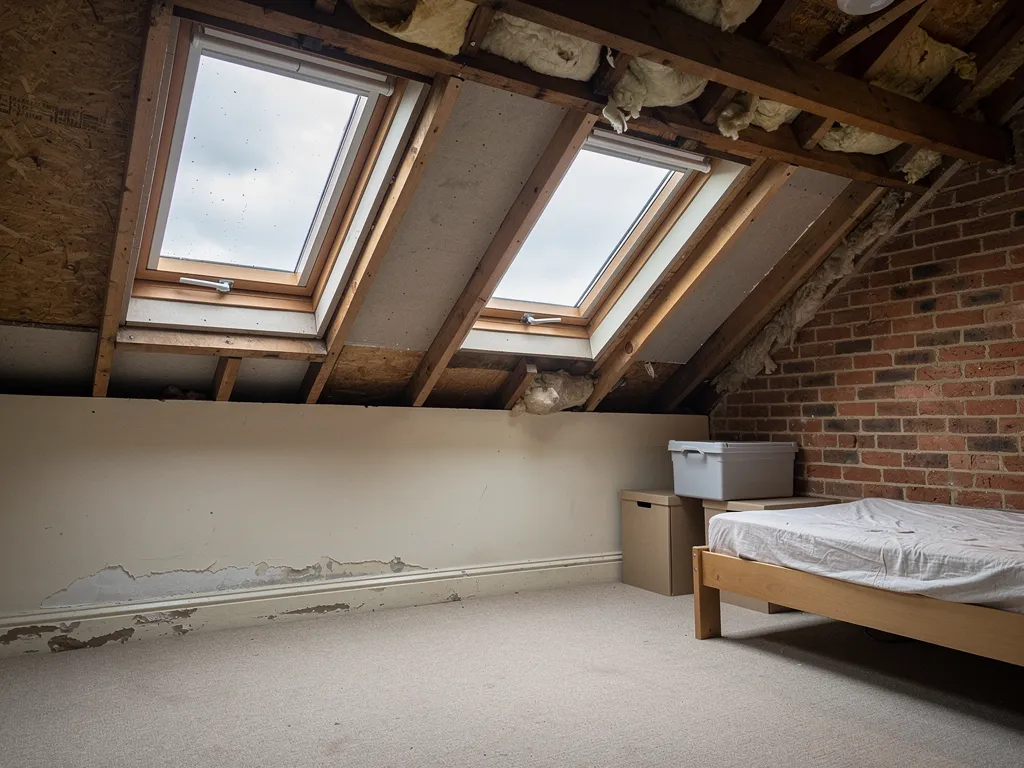
Foam changes that. Applied against the back of the covering, it can fill the gaps, seal the joints between slates and rafters and stop the roof drying the way it was designed to. The RICS guide links incorrectly installed insulation with dampness, such as uncontrolled condensation. In an old roof that can mean timber that stays wet for long periods, with the rot that follows, and nobody sees it, because the foam hides the structure.
Hand-made tiles and stone slates add a second concern, and it is a practical one. Many have an uneven back, and foam keys into that surface. Taking the foam off may lift or crack pieces that can no longer be bought new. Where the roof is Horsham stone, the supply of matching stone is limited, so a damaged slab is a real loss, not a routine replacement.
Signs to look for
Warning signs from inside the loft include a sweet, musty smell, dark patches on rafter ends, white powdery salts on the masonry beside the roof edge, and damp ceilings below. Outside you might see slipped or lifted slates, or moss growing in lines that follow the rafters. Any of these deserves a proper look before you decide anything.
If the foam is already there
Finding foam under a listed roof is unsettling, but it is a problem with a method. Start by finding out what was done and when. Look for an invoice, a data sheet, a guarantee and any correspondence with the council. Ask the seller's solicitor, if you have just bought, what was said about the work, since a seller who sprayed foam without consent should have disclosed it.
Next, get an independent record of the roof's condition. An inspection by a roofer, supported where needed by a building surveyor with heritage experience, will photograph the foam, note its type and look for moisture and timber damage. The guide to spray foam inspection reports explains what such a report contains and why lenders and buyers ask for one.
Then contact the council's conservation team. It is better to raise the issue yourself than to have it discovered during a sale. Councils differ in how they treat unauthorised work, and we cannot say how yours will respond, but the council can tell you what consent route is open and what it would expect to see.
Do not strip it yourself
Resist the urge to pull the foam off with a scraper. Hardened foam bonds hard to timber and slate, and an enthusiastic removal can do more harm than the foam did. If removal is the right outcome, it should be planned, with the roofing method agreed in advance and, where the building is listed, with the council's views known first.
Anyone who offers to remove foam from a listed building without mentioning consent has skipped the first question. We begin with the survey and the paperwork, and you see pictures of your own slopes before we recommend a thing.

What replaces foam on a protected roof
If the foam goes, the roof needs a way to be insulated and to breathe that suits the building, and this is where conservation advice earns its keep. For many historic roofs, the options sit at the ceiling or between and over the rafters with materials that let moisture move, rather than a sealed layer against the covering. What suits a given house turns on how the roof was built, what is already in place, and what the council will accept.
Keep the covering itself wherever you can, because a roof that still sheds water has earned its place. Original slates, tiles and stone slabs are part of the listing, and good ones are worth retaining, cleaning and re-laying in their own pattern. When a piece has to be replaced it should match the existing material. This is the same test the councils apply, and it is also the route that is least likely to need fresh consent.
A ventilated roof space with a breathable membrane and mineral-wool or natural-fibre insulation is a common approach, though no single specification suits every building, so the specification follows the house. The conservation officer will often have views on what has worked on similar houses nearby, so put the question before any design work starts.
Planning the work in the right order
Sequence matters on a protected roof. First the survey, so the condition is known. Then any consent conversation with the council. Then the removal, done by hand with care for the slates beneath. Then repairs to the timbers and covering, and only then the new insulation. Rushing the order is how a second round of damage happens.
Cost is driven by roof area, access, the volume of foam and whatever the survey turns up. Our page on spray foam removal cost sets out typical UK ranges, and the quote that follows our survey is one total price.
If you were not told about the consent rule
Many owners learn about the consent rule after the foam is in. If an installer sprayed a listed roof and never mentioned consent, that omission may matter to you, and it is worth recording what was said at the time. Keep the quote, the emails, the website pages that persuaded you and any photographs from the day.
Under the Consumer Rights Act 2015 services must be delivered with reasonable care and skill, and one remedy when they are not is the right to require the work to be done again. Whether a particular job met that standard depends on the facts, and we are not in a position to judge a dispute between you and another firm. Our page on spray foam mis-sold and your rights goes through the steps, from writing to the installer to using an alternative dispute resolution scheme.
For a listed building there is a second, separate track. The consent question is between the owner and the local authority, whatever happened between the owner and the installer. Sorting out one does not settle the other, so it helps to deal with the conservation team in parallel with any complaint.
Selling or remortgaging
If you sell, expect the question to come up. Buyers' surveyors look at listed roofs closely, and a lender will have its own policy on foam. Having the inspection report, the council's response and a plan for the roof ready in advance makes a nervous buyer far easier to deal with.
Ask your conveyancer how to describe the foam on the property forms, and do not guess. Accurate, early disclosure serves a seller better than an awkward discovery.