

Roofers in Amberley

Amberley stands on a greensand ridge between the Downs, the Arun and the Wildbrooks. Its castle, church and conservation area touch many roof decisions, so we begin with a survey and photographs.

Thatched houses, listed buildings and a low greensand ridge

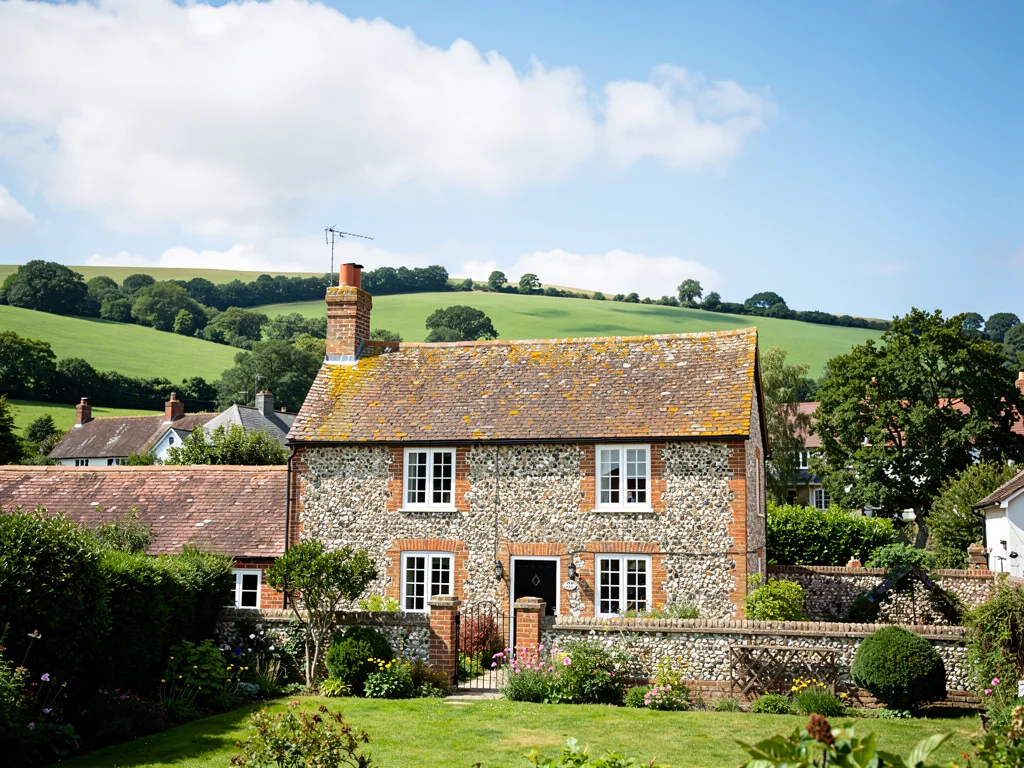
  • Thatch beside a tiled roof

    Thatched houses in the old village

    The Neighbourhood Development Plan says most of the parish's thatched houses stand inside the conservation area. Tiled porches, extensions and chimney stacks beside them still need sound flashings and gutters, and we check those joins whatever the main covering is.

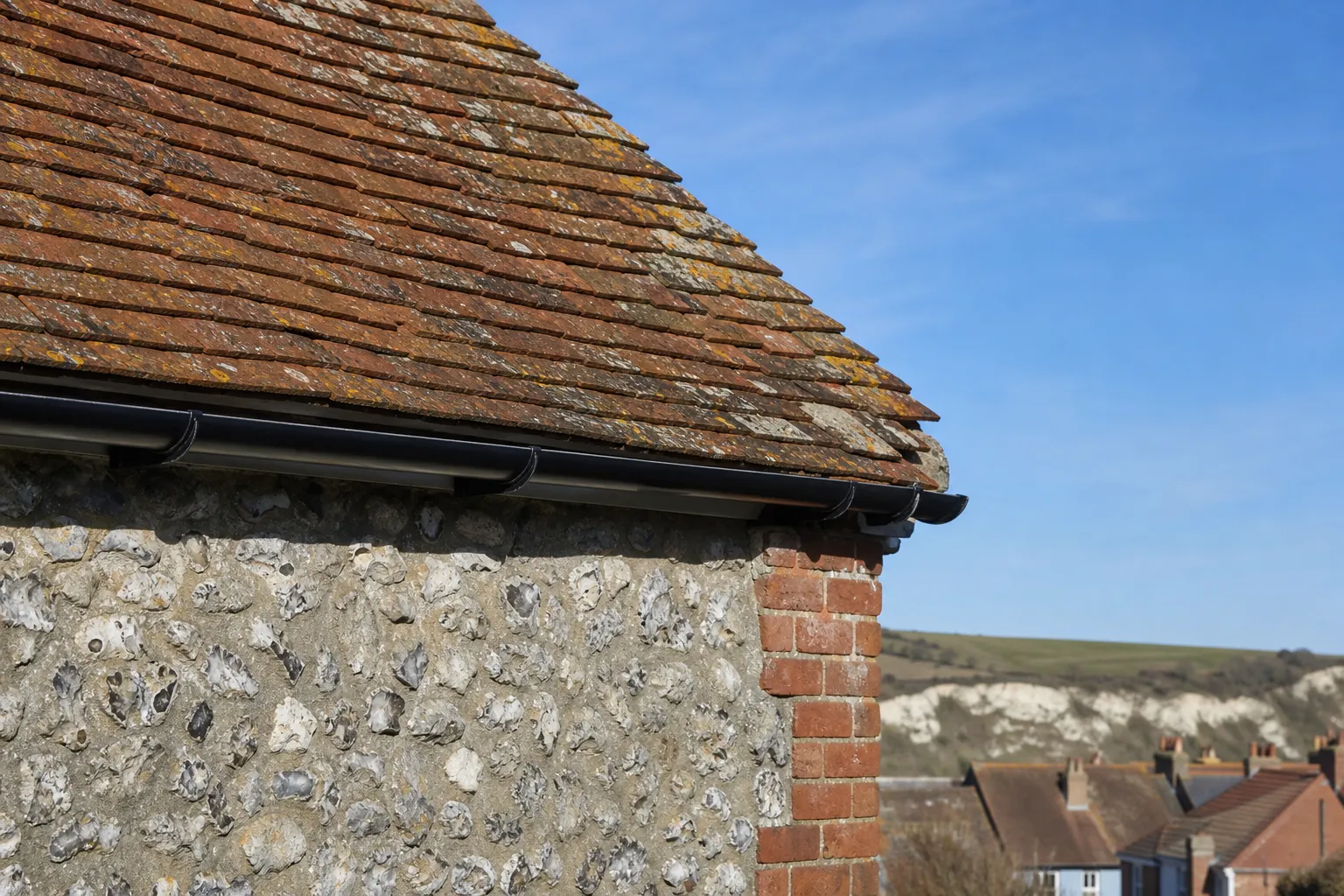
  • An old tiled roof near a church

    Listed buildings from castle to cottage

    The parish has 65 Grade II listed buildings and three Grade I: Amberley Castle and the churches of Amberley and North Stoke.

    Read more about Listed buildings from castle to cottage

    A repair on a listed roof should use matching materials, and work that alters its character needs listed building consent.

  • Tiled roofs below a chalk down

    A low ridge, the Downs and the Wildbrooks

    The village sits on a low greensand ridge, hemmed in by the Downs to the south, the River Arun to the west and the Wildbrooks to the north.

    Read more about A low ridge, the Downs and the Wildbrooks

    Roofs on a ridge meet the wind from several directions, so we check ridge, verge and fixing details against the site.

Street map of Amberley, north-west of central Worthing, with a pin on the town.

Rules that sit over a roof

Planning authority
South Downs National Park Authority
Councils
Horsham District Council and West Sussex County Council
Conservation area
Amberley Conservation Area, with more than 60 listed buildings (Neighbourhood Plan)
Article 4
Not confirmed; ask the South Downs National Park Authority before changing a covering
Listed examples
Amberley Castle and St Michael's Church, both Grade I
From central Worthing
13.9 road miles, north-west, about 23 minutes by car

Amberley roofs

Roofs between the Downs and the Arun

Consent, lead and the upkeep of old village roofs, from the castle walls to the conservation area lanes.

Chapter one

Re-roofing inside a National Park conservation area

Amberley's planning authority is the National Park, and its old village is a conservation area, so the first question is always consent.

Planning in Amberley is the business of the South Downs National Park Authority, which is the statutory planning authority for the Park and, for this part of Horsham district, deals with planning and enforcement itself rather than leaving them to the district council. The old part of the village is a conservation area with more than 60 listed buildings, the Neighbourhood Development Plan records. So before any talk of tiles, battens or lead, we ask which of three groups your house falls into: an ordinary house, a house inside the conservation area, or a listed building. The answer decides who has to be asked, and when.

At a glance

  • The National Park Authority handles planning in Amberley
  • Matching repairs are not usually development
  • A listed roof calls for matching materials and consent
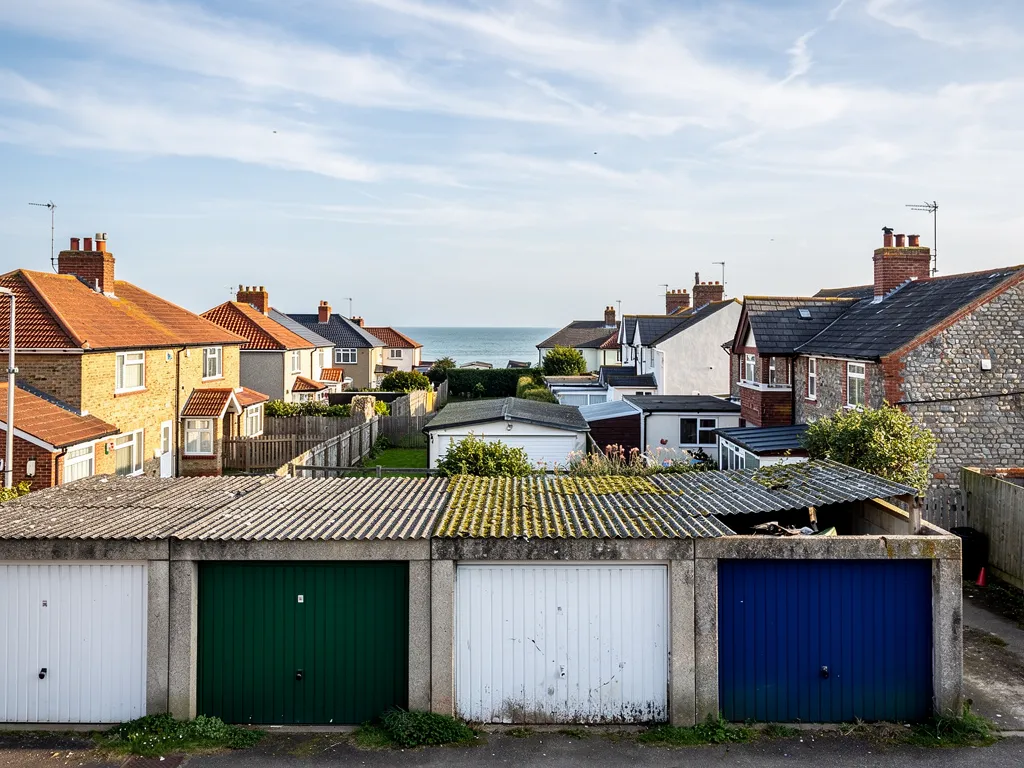
Row of concrete sectional garages with weathered grey corrugated roofs

1.1 Matching repairs come first

Putting back the same covering generally does not count as development, because work that leaves a building's outside appearance unaffected sits outside planning control. The checks that matter are listing and any Article 4 direction. No direction is confirmed for Amberley, so ask the National Park Authority before changing a covering's material, colour or pattern. We photograph the roof before we start, which gives the planners a record of what was there.

Row of concrete sectional garages with weathered grey corrugated roofs

1.2 Listed roofs and the two churches

The Authority's guidance separates upkeep from alteration: routine maintenance and small in-place repairs in matching form need no listed building consent, whereas repairs that change or fully replace old fabric, and so touch the building's character, do. Amberley Castle and St Michael's are both Grade I. St Michael's is a Church of England church, so work there follows the Church's own faculty process under the ecclesiastical exemption; a house, barn or castle range goes the listed building consent route instead. Roof windows and dormers follow their own rules inside the Park, set out in our South Downs planning guide.

Planning consent is a separate matter from Building Regulations. A re-roof needs a building control application only beyond the Planning Portal limits: 25 per cent of the building envelope or 50 per cent of the roof. Wildlife law also protects bats and nesting birds, so before stripping an old village roof we search it for signs of either.

The written quote follows the survey and comes with photographs taken on your roof. If a covering has to change, because a worn tile pattern is no longer made, we explain the closest match and what to put to the Authority before work begins.

What people sayLiving inside the National Park means no roof can be repaired without planning permission.

What is trueRepair and like-for-like re-covering rarely need planning permission even in the Park; listing and any Article 4 direction are the checks to make.
Chapter two

Lead, chimneys and stone walls on old Amberley roofs

Where an old roof meets a chimney or a wall, lead does the sealing, and that is often the first place we look.

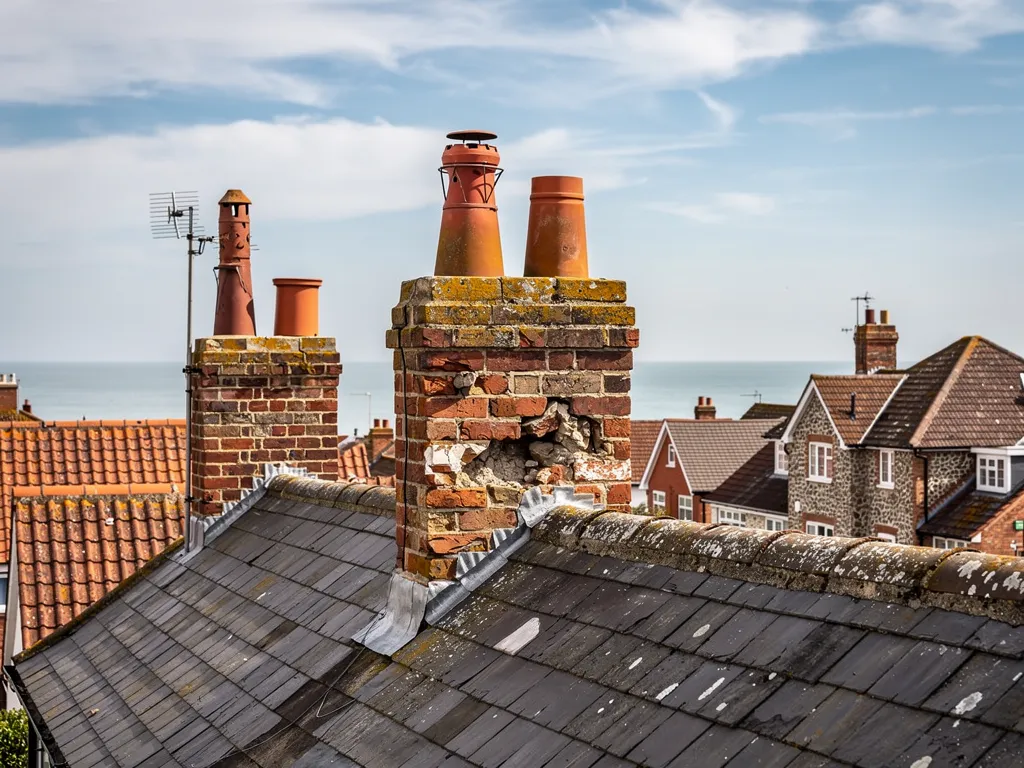
Victorian terrace chimney stacks with spalled bricks and old lead flashing

Old buildings have more joins than new ones. A cottage that has been extended twice, a stack that rises through the slope, a gable that abuts a neighbour: each is a place where tiles stop and something else has to keep the water out. In a village with a castle, a church dating from the early 1100s and a conservation area of listed houses, those joins are often old themselves, and they have usually been patched more than once. We look first at the patches, because a patch laid over a failed join hides the fault without removing it.

At a glance

  • Code 4 is the everyday weight for flashing
  • Lead flashing can outlast the tiles around it
  • Removing a chimney from a party wall brings notice duties
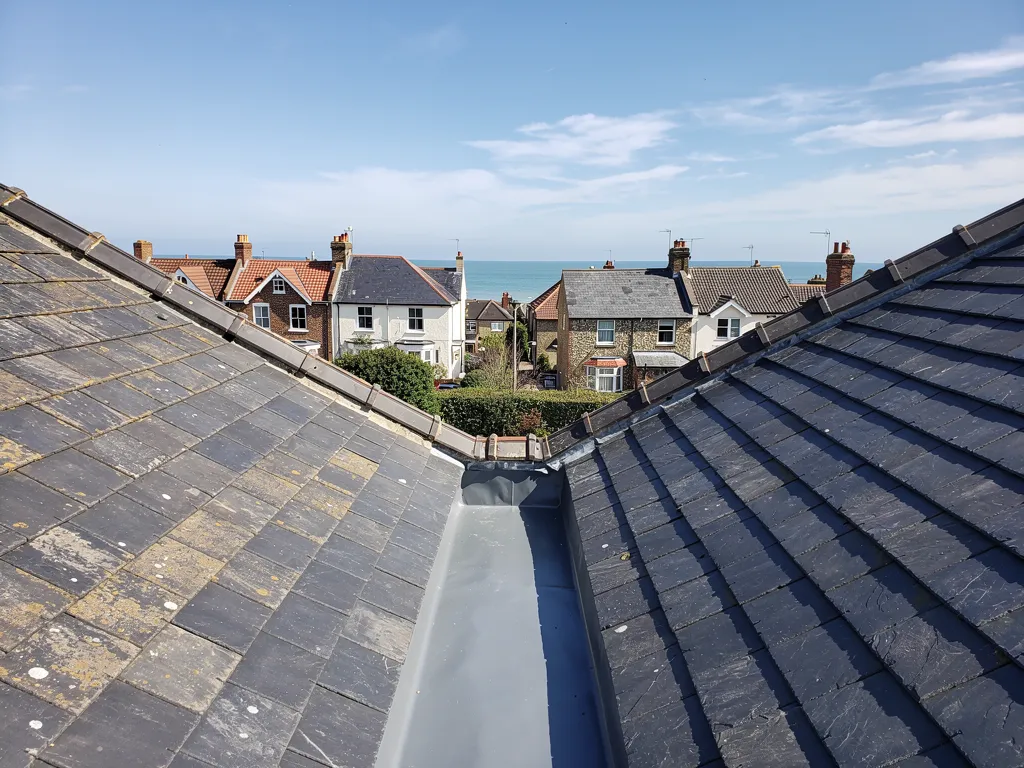
New lead valley between two slate roof slopes

The walls matter as much as the lead. A flashing is tucked into a joint cut in the masonry, and where that joint has crumbled the lead has nothing to grip, so the pointing and the metal are mended together. On old walls we match the mortar to what is already there instead of reaching for whatever mix is to hand.

2.1 Choosing the lead

Lead sheet comes in codes that denote thickness. Leadworx lists Code 3 for soakers alone, Code 4 as the weight most often chosen for flashings, Code 5 for pitched and vertical work, and Codes 6 to 8 for large or heavy-duty roofs. MyJobQuote gives a lifespan above 80 years for lead flashing, and above 100 for the higher codes. So a flashing dressed in the right code into a sound joint is not a stopgap; it is a repair meant to outlast the tiles beside it. Our lead roofing page explains the codes and the dressing.

New lead valley between two slate roof slopes

2.2 Stacks and shared walls

A chimney stack takes weather on every face. Its pointing opens, its flashing lifts, and water follows the flue down into the house, often showing as a stain on the chimney breast inside. We check stacks from the ground and from a ladder, then record the state of the pointing, the flashing and the flaunching, the sloping mortar that seats the pots. Our chimney repairs page covers the options from repointing to a rebuild.

Taking a chimney out of a party wall is notifiable work under the party wall rules: GOV.UK says the notice must reach the neighbour at least two months, and no more than a year, ahead of the works, and that no reply is not agreement. Removing a chimney breast always needs Building Regulations approval. For a listed house, ask the National Park Authority before any chimney change.

Lead sheet codes for an old roof

Code 3, 1.32 mm
Soakers only
Code 4, 1.80 mm
Usual weight for flashings
Code 5, 2.24 mm
Pitched and vertical work
Code 6, 2.65 mm
Large roofs
Flashing lifespan
Above 80 years, above 100 for higher codes (MyJobQuote)

Source: Leadworx, Lead Sheet Codes Explained; MyJobQuote, fetched October 2026

Chapter three

Keeping an old Amberley roof sound for longer

Regular, small attention to gutters, ridges and flashings tends to cost less than a rebuilt roof, and suits a village of old buildings.

An old roof rarely fails all at once. It loses a tile, a gutter clogs, a flashing lifts a little, and the damage accumulates until a ceiling stains. The moment to deal with any of that is early, and the survey is how we find it. Roof inspections run from about £150 to £500 on MyBuilder's guide, with drone surveys at the upper end, and a survey that finds nothing wrong is useful too: you hold photographs of a sound roof, which helps if you ever sell or insure.

At a glance

  • Gutters and moss get checked before anything else
  • Pressure washing can damage delicate tiles
  • A survey from £150 to £500 is a typical UK range

3.1 Gutters, moss and the first checks

On a roof with shade or overhanging trees, we look at the gutters first, since a blocked gutter sends water back under the lowest tiles. Moss comes next. MyBuilder puts manual scraping at roughly £5 to £10 per m², and cautions that high-pressure water can harm fragile tiles, so on an older covering we favour careful hand work. Our roof inspections and surveys page lists what the survey covers.

3.2 Costs for an older house

Checkatrade gives roughly £160 to £210 per m² for a stone slate roof, a general average for the covering. Lead flashing replacement on a chimney is typically £350 to £460 without scaffold, according to MyJobQuote, and moderate roof repairs run between £500 and £1,000 on MyBuilder. Each is a national guide, not our price. The right answer on an old roof is often the smaller repair, and we put the reasoning in writing with the photographs.

3.3 Between surveys

A ground-level look after a gale costs nothing. Scan the ridge for gaps, the slopes for tiles sitting proud, and the gutters for sagging runs. Please stay off the roof; if water is getting in, ring us and the first job is making it safe. If a listed building is involved, consent comes before any change of covering, and we keep a photographic record of the roof as found, so the work can be shown to match.

Typical UK costs for upkeep of an older roof

  • Moderate roof repair£500 to £1,000
  • Chimney repointing£500 to £2,000
  • Chimney lead replaced, no scaffold£350 to £460
  • Stone slate, per m²£160 to £210

After the survey, a written quote gives one total; when weighing quotes, ask whether each includes VAT and the scaffold. Source: MyBuilder (21/08/2026); MyJobQuote (22/09/26); Checkatrade (September 2026).

Amberley roof questions, from the castle to the Wildbrooks

My Amberley house is listed: can a worn covering be replaced with new tiles?

Not without checking first. The Authority treats small in-place repairs in matching form as maintenance needing no listed building consent, but replacing old fabric in a way that changes the building's character does need it. Ask the Authority before you commit. We photograph the roof as found and match the existing covering, so the planners can see exactly what is there and what we propose.

Who decides roof planning questions in Amberley: Horsham or the National Park?

For this part of Horsham district, the South Downs National Park Authority is the planning authority and handles planning and enforcement itself. Horsham District Council remains your council for other services. Take conservation area, listed building and Article 4 questions to the Authority, and keep its reply with your papers in case the house is later sold. On Building Regulations, we explain whether your job is notifiable and make the notification where it is.

Is it safe to pressure wash a mossy tiled roof in Amberley?

Take care. MyBuilder cautions that high-pressure water can harm fragile tiles, and prices manual scraping at around £5 to £10 per m². On an old covering we choose hand methods, because a washed-off tile surface cannot be put back. We also clear the gutters afterwards, as moss and debris end up in them. A survey tells you whether cleaning is worth doing at all, or whether the covering underneath is the real concern.

Will a lead repair on an old Amberley chimney last?

Properly dressed lead should. MyJobQuote gives lead flashing a life above 80 years, and a patch typically costs £150 to £250 against £350 to £460 for full replacement without scaffold. We replace only what has failed, in the right code, and leave sound lead alone. The photographs we send show the joint before and after, so you can see the new lead tucked into a sound joint.

Tell us about your roof

Describe what is happening and we will call you back to arrange a visit.

  • Photographs of what we find
  • A written quote with one total price
  • Or call 01903 299063

10-year workmanship guarantee, in writing.

Call Get a quote