
Chapter one
Reading a roof on a newer Uckfield estate
Uckfield grew from 916 people in 1811 to 15,033 in 2021, and each wave of building left roofs of a different age.
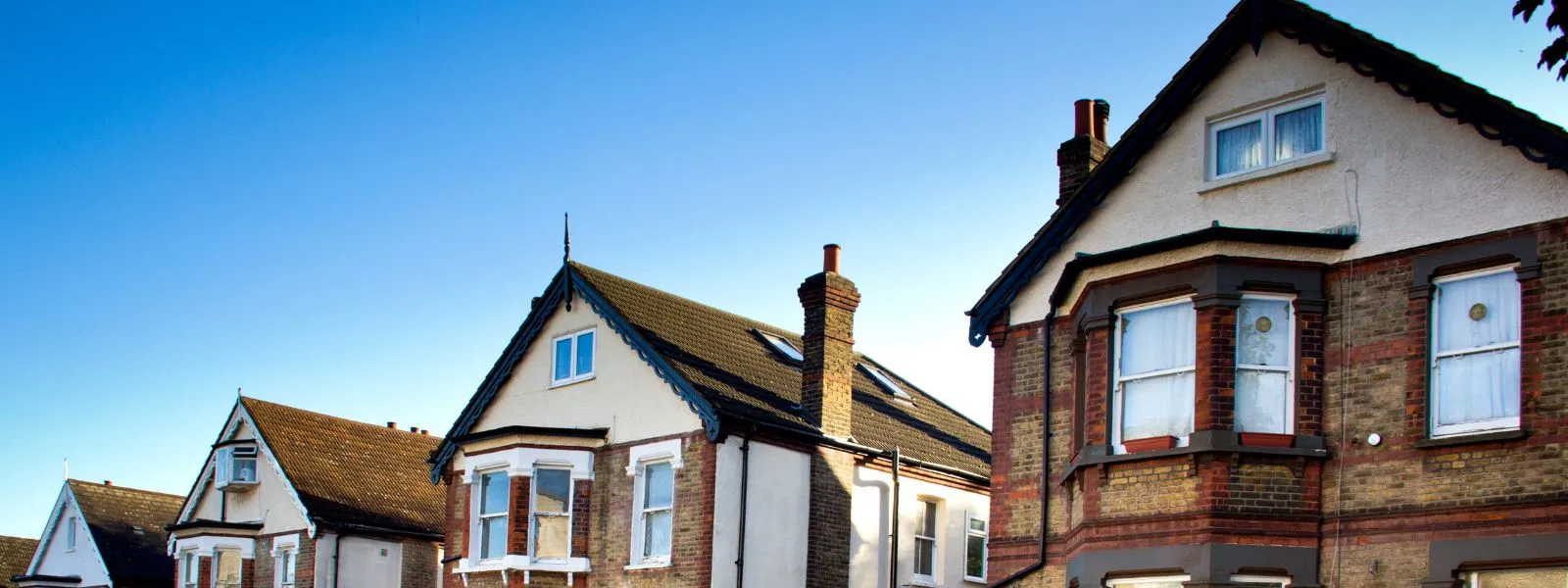
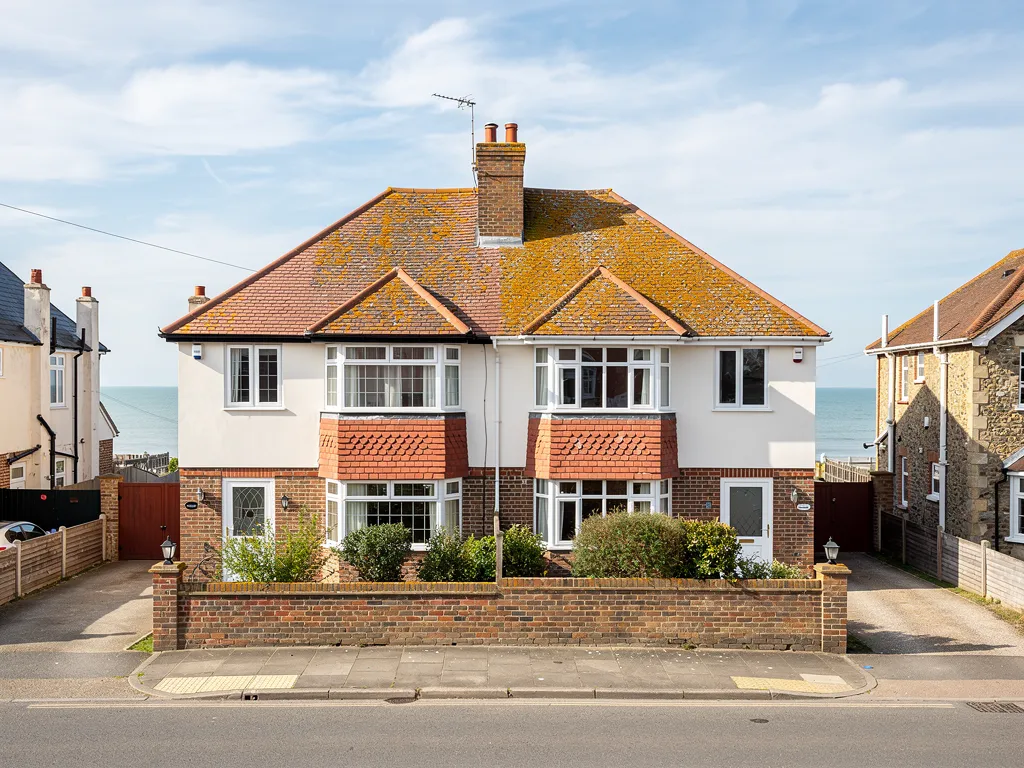
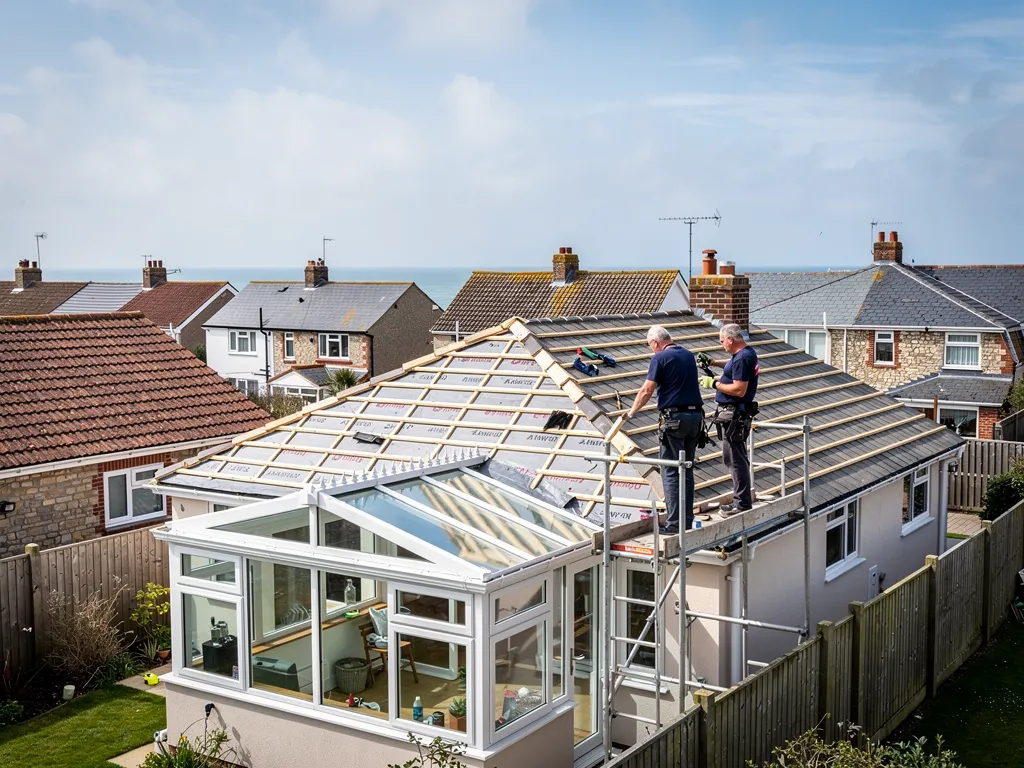
Uckfield has grown at speed. Its population rose from 916 in 1811 to 3,555 in 1931 and 15,033 in 2021, and the newer estates include Hempstead Fields, Harlands Farm, Rocks Park, West Park, Manor Park and Ringles Cross. A town built in waves has roofs of every age, and each age fails differently. An older roof gives up at the fixings: nails, battens and bedding. A younger one gives up at the details, the places where one part of the roof meets another. Before deciding what to look for, we work out which kind of roof we are standing on, then photograph every fault so the quote arrives with evidence from your own house.
At a glance
- Older roofs fail at nails, battens and bedding
- Younger roofs fail where one part meets another
- Eaves ventilation depends on pitch
1.1 Valleys, flashings and chimneys
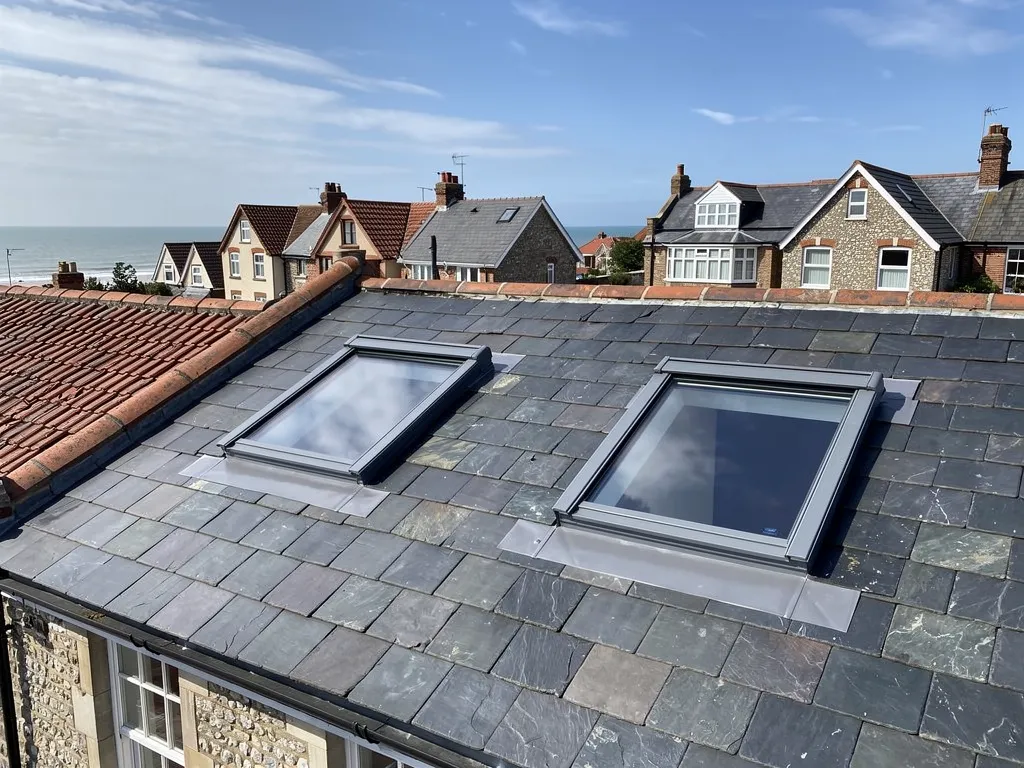
Where two slopes run into each other at an inside angle they form a valley, a channel that collects water from both and carries it to the gutter. Flashings, thin strips of lead or other metal that bridge the gap between roof covering and brickwork, protect each junction in the same way. These are the details where estate roofs most often leak. Water can then run along a rafter before it drips, and a brown ring on a bedroom ceiling may sit metres from the real fault. Starting at the stain, we follow the water uphill, inspect the valley and each junction on the way, and put right the real source. Our chimney repairs page covers stacks, flaunching and the lead around them.
1.2 Underlay, ventilation and condensation
Not every stain is a leak. Marley, drawing on BS 5250, says a cold pitched roof with a high-resistance underlay needs a continuous 10mm gap along the eaves for ventilation where the pitch is over 15 degrees, and 25mm where it is 15 degrees or less. When insulation is pushed hard into the eaves, that gap closes, moist air rising from the house meets the cold roof timbers and turns to water, and timbers go wet without a single tile at fault. In the loft we look for damp rafters, blocked eaves vents and moisture that follows the insulation, because there the cure is airflow, not new tiles. Where the loft is boarded out or the eaves are stuffed with insulation, the report notes it, since moving it is simple and can protect the timbers.
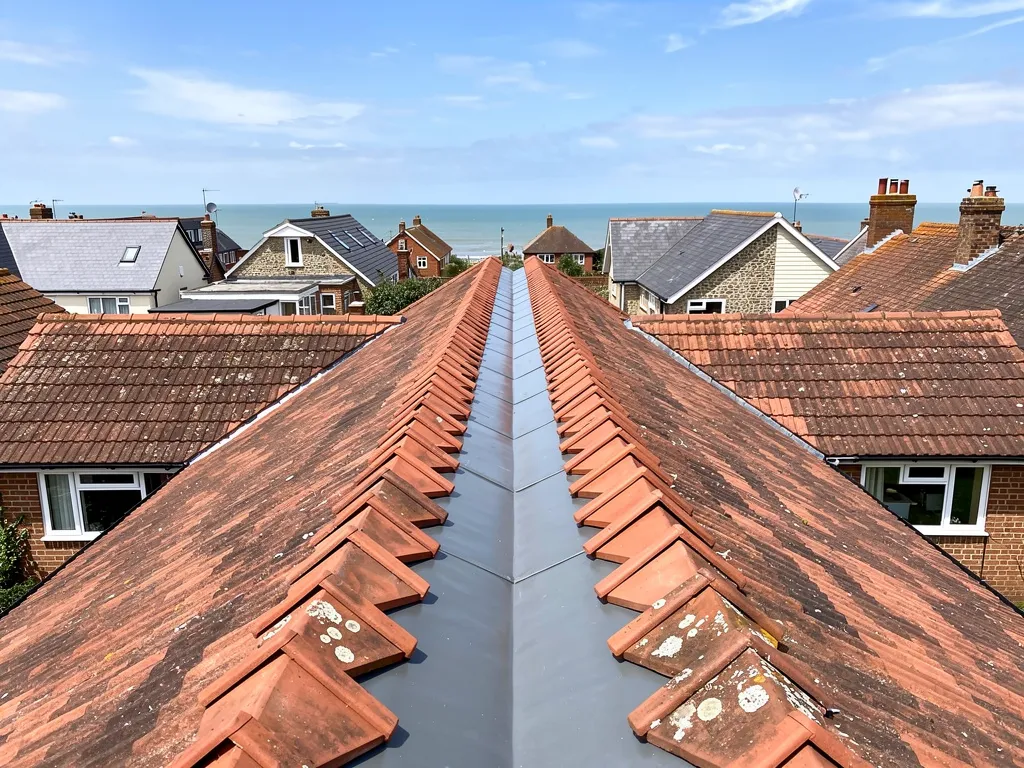
Fig. 1 On the survey Split lead and stained timber in a valley