
Question answered
Is lead roofing safe?
The short answer
A finished lead roof is generally safe to live under, because the metal sits sealed on the outside of the building and is not something you handle. Lead is toxic if swallowed or breathed in as dust or fume, so the care belongs to the work itself: cutting, dressing, heat and clearing away. Rainwater run-off is the other question, and it is sensible not to collect it for drinking.
A finished lead roof is a sealed metal sheet that most households never touch. The care comes in at the work stage and with rainwater, and both are easy to manage.
Living under a lead roof
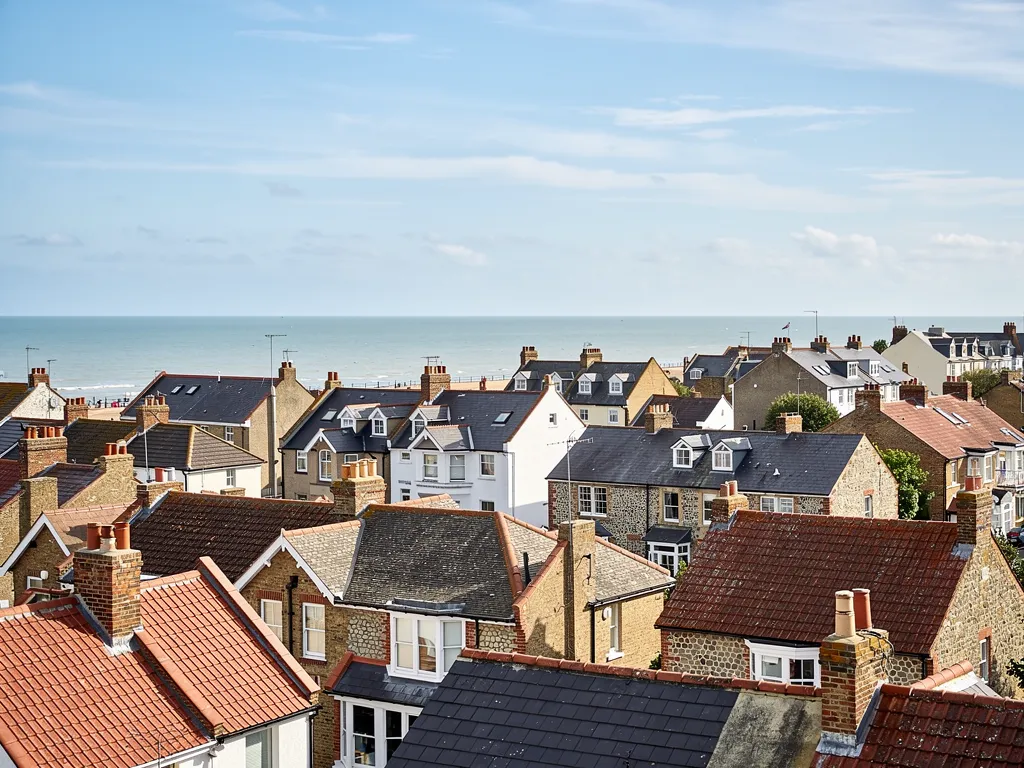
Once the lead is fixed, you are not in contact with it. It sits on the outside of the building, above the insulation and the ceiling, and nothing about its everyday presence needs managing. It has covered roofs for a very long time, and many houses and churches in Sussex carry it.
Lead itself is a toxic metal, which is why it is treated with respect in every trade that uses it. The risk comes from getting it into the body, by swallowing it or breathing in dust or fume. A sheet lying undisturbed on a roof does neither.
The things that can change that are fire, heat work and abrasion, and these belong to the work stage, not the life of the roof. Anyone with a particular concern, such as a pregnant household member or a young child who plays near the work, should speak to their GP or the local environmental health team.
Rainwater running off lead
Rain that runs over lead carries away a little of the surface, and the white film that forms on weathered lead is lead carbonate, which is why we would not suggest collecting that water to drink. A garden butt used to water ornamental plants is a smaller question, but we would not use the water on vegetables or fruit without advice.
If you are unsure, ask Adur & Worthing Councils' environmental health team or your water supplier. They are the right people to say what suits your situation.
Ordinary gutters and downpipes carry lead roof water away with the rest of the roof's run-off, and nothing needs to be done to them. The point only comes up if someone plans to store or drink the water. A normal domestic arrangement, with drains taking everything away, raises no concern we need to flag, and it does not call for any change to a roof that is otherwise in good order.
Handling, cutting and dressing on site
This is where care really counts. Cutting and dressing lead makes small particles and offcuts, and these end up on hands, clothing and surfaces. A roofer working with lead should wash before eating or drinking, keep food away from the work and not smoke on the roof.
Offcuts and clippings are collected and taken away rather than dropped into gutters, and a tidy site matters for the same reason. A child or a pet should not be able to pick something up from the garden. We clear the site and remove the waste when we finish.
Lead sheet is sold in codes, with code 3 the thinnest at 1.32 mm and code 5 at 2.24 mm. Thickness has no bearing on the health question. The point is that the work should be done by someone who knows how to handle the metal, with tidy habits at every stage. The page on the lead code for flashing covers the thickness side.
Heat work and old lead
Heat is the stage that needs the most care. Lead melts at a low temperature, and welding or burning it, where the joint is made with a flame, can give off fume. This calls for good working practice, such as working outdoors, keeping the flame controlled and avoiding breathing the fume. It is a tradesman's concern rather than an occupier's.
Old lead coming off a roof needs thought as well. It is valuable as scrap, but it should be collected as it is lifted, not left to fall into the garden, and it should never be burned. Dust from very old, decayed sheet is best kept damp and swept up with care.
If you are tempted to remove old lead yourself, wear gloves, wash afterwards and keep children away. We would rather you called us. The page on lead soakers shows how small pieces of lead are tucked into a roof, and the overview is on our lead roofing page.
Is lead the right choice for your roof?
For most houses, yes. Lead is durable and can be dressed to details that other metals struggle with. One MyJobQuote cost guide puts lead flashing beyond 80 years, and Less quotes a lead flat roof at 50 to 100 years, so a single job can serve for a very long time.
Some owners prefer a different material, whether from worry about the metal or to cut theft risk. That is a fair choice, and the right answer depends on the building, the details and any consent that applies.
Ask any roofer how they work with the metal, how they clear up and where the offcuts go. At the survey we photograph your own roof, tell you what suits it and send the quote in writing as one total figure. If cracking is your concern, read why roof lead cracks, which covers movement, length and fixing. The other pages in this section go through the questions owners ask before choosing the metal.
Lead on the roof: two more questions
Is it safe to touch weathered lead on a roof?
A brief touch is not a concern, but wash your hands afterwards, particularly before eating, and keep children away from loose sheet or offcuts. The better rule is to leave roof work to people who handle the metal for a living.
Does lead affect the loft or the air in the house?
A sealed lead roof sits outside the building, above the insulation, and does not give off anything into the rooms below. Dust and fume come from cutting, heat work and disturbing old sheet, not from lead lying in place.
Tell us about your roof
Describe what is happening and we will call you back to arrange a visit.
- Photographs of what we find
- A written quote with one total price
- Or call 01903 299063
10-year workmanship guarantee, in writing.