
Question answered
What lead code is used for flashing?
The short answer
Code 4 lead is the standard choice for flashing on a house roof. It is 1.80 mm thick and weighs 20.41 kg/m². Code 3, at 1.32 mm, is meant for soakers alone, the small hidden pieces under tiles, and not for exposed flashing. Code 5 is the step up when a detail is larger, more exposed or runs up a wall. The survey decides the code and the quote names it.
For most flashing work on a house, code 4 lead is the standard, while thinner code 3 is kept for soakers. Here is what the numbers mean and when a heavier code is worth having.
What the number on a roll of lead tells you
Lead sheet for roofing is made to BS EN 12588 and sold by code. The code is a shorthand for thickness and weight: the higher the number, the thicker and heavier the sheet. Cast lead from Royston, for one, is colour-coded so a fitter can tell the rolls apart at a glance.
| Code | Thickness | Weight | Colour |
|---|---|---|---|
| 3 | 1.32 mm | 14.97 kg/m² | Green |
| 4 | 1.80 mm | 20.41 kg/m² | Blue |
| 5 | 2.24 mm | 25.40 kg/m² | Red |
| 6 | 2.65 mm | 30.10 kg/m² | Black |
Source: Leadworx and Royston Lead, 2026. A bigger number costs more per metre because there is simply more metal in it. Colour and stamps help on a new roll, but once lead is fitted the only sure check is the thickness at a cut edge. A roofer who quotes by code should be able to say which one they mean for each detail. Codes 7 and 8 exist for heavy duty work, though a house roof seldom calls for them.
Why code 4 became the everyday flashing
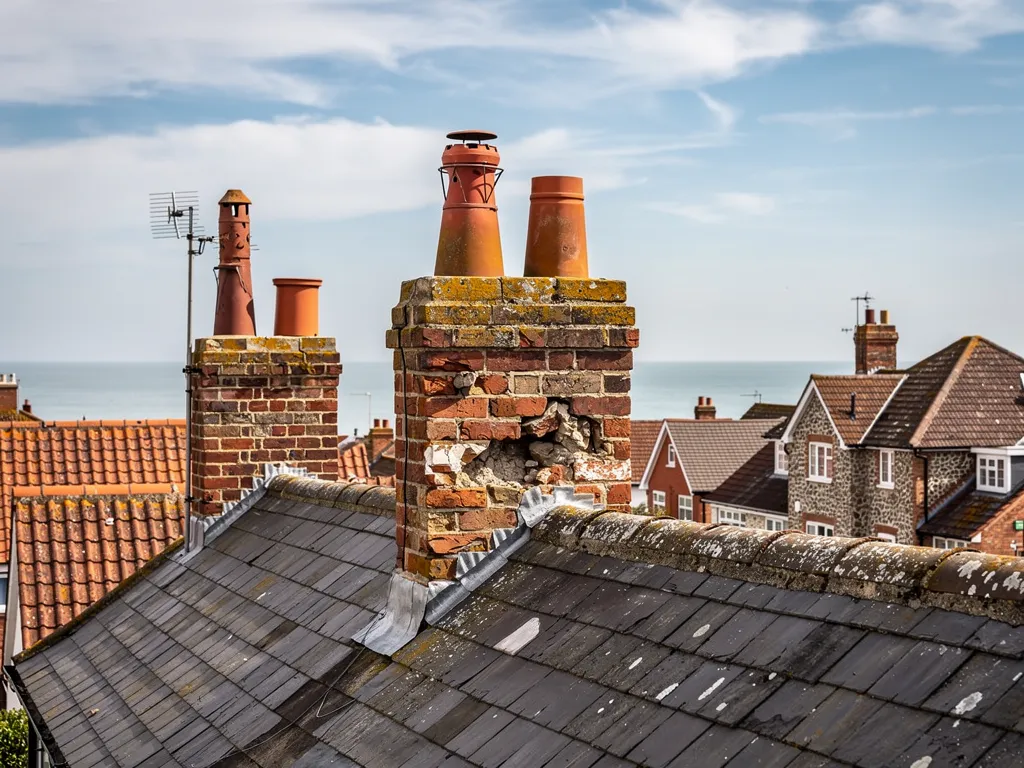
Flashing is the lead dressed over the joint where sloping tiles finish against a gable end, a stack or the side of a dormer. Leadworx says code 4 has become the standard choice for everyday flashing, and that matches how the trade works: it is thick enough to hold its shape through years of sun and cold, and thin enough to be dressed tightly into the corners of brick and tile without splitting.
Most step flashings up a gable wall, chimney side flashings and short aprons on an ordinary house sit comfortably at this weight. They are small pieces, held at regular points, and they are not asked to carry much water.
Longevity matters too. One cost guide, MyJobQuote, puts lead flashing at over 80 years, and over 100 years for higher codes. Figures like that are ballpark ranges and not guarantees, because the workmanship and the wall behind decide how a flashing ages.
Where code 3 belongs, and where it does not
Royston marks code 3 as suitable for lead soakers only. A soaker is a small bent strip tucked beneath the tiles or slates beside a wall, one per course, and it carries water out over the covering. Soakers are hidden, protected and dressed to a gentle bend, so the lighter sheet does the job. Our page on what lead soakers are explains how they sit.
Using code 3 for the exposed flashing above them is a different matter. That strip is the part that takes sun, rain and the movement of the wall, and a thinner sheet has less margin if it is bent hard or caught by wind. A thinner sheet gives the weather less to work through before it splits, and the folds are where it gives up first. If you find code 3 used on a chimney flashing, treat that as a reason to ask questions at the survey.
When to go heavier than code 4
Leadworx points code 5 at general, vertical and pitched work, and the larger codes at bigger roofs and heavy duty. In practice the decision follows the detail. A long, tall chimney flashing, a wide valley lining or a flashing in a very exposed spot is worth moving up a code, because the sheet is asked to span or resist more.
Cost scales with the metal. Checkatrade, in its roof repair guide updated in June 2026, gives typical UK figures of £50 to £70 per metre for code 5 flashing and £80 to £120 per metre for stepped flashing, both excluding VAT. Those are national guide figures and not our prices. What a particular roof needs depends on access, the length of wall and what turns up once the old lead is lifted.
Where two slopes meet in a valley, the water from both arrives in one channel, so the code matters in much the same way. The detail is in lead valleys.
How we choose the code on your roof
We look at each detail before we name a code. The survey notes the length of every run, how exposed it is, the state of the wall joint and whether old lead is code 3 that has been used in the wrong place. Photographs of those details come with the written quote, which shows a single total price, and the code is stated on it.
Fixing matters as much as thickness. Good lead in a crumbling joint still comes away from the wall; see lead flashing pulling out of the wall.
If you already have a quote that does not name the code, ask for it in writing. Any roofer fitting lead should be able to say in one line which code goes where. Our lead roofing pages cover the other details, from valleys to parapet gutters.
Choosing a lead code: two quick questions
Can a thin code 3 sheet be used for a chimney flashing to save money?
It is not recommended. Royston limits code 3 to soakers, and chimney flashings are exposed to weather and wall movement. Code 4 is the usual weight for that job, and code 5 is worth considering on a tall or very exposed stack.
How can I find out which code is already on my roof?
A roofer can measure the thickness at an exposed edge, since each code has a known thickness. From the ground you cannot tell. If we are surveying the roof we will measure it and record the finding with the photographs.
Tell us about your roof
Describe what is happening and we will call you back to arrange a visit.
- Photographs of what we find
- A written quote with one total price
- Or call 01903 299063
10-year workmanship guarantee, in writing.