
Question answered
My roof is still leaking after a repair: what now?
The short answer
If your roof still leaks after a repair, there are two likely explanations: the work treated a symptom and missed the true cause, or a separate fault was hidden behind the first. Record when and where it drips, then contact the roofer in writing. Under the Consumer Rights Act 2015, work has to be done with reasonable care and skill, and you can ask for it to be done again.
A leak after a repair is frustrating, but it has a reason. Either the first job missed the real way in, or a second fault has shown itself now the first is closed.
Missed cause or second leak
The two look identical from the ceiling and mean very different things. A missed cause means the water enters at the same place or by the same route as before, and the work either did not reach it or treated only where the stain showed. A second leak means a different fault, often elsewhere on the roof, that stayed quiet until the first was closed or until the wind came from a new direction.
Location and timing tell them apart. If the new drip lands in the same spot as the old one and answers to the same weather, suspect a missed cause. If it is somewhere else, or only appears in a gale from a new quarter, suspect a second fault. Finding a roof leak sets out how water is traced, and why the stain is seldom under the hole.
Why a first repair can miss
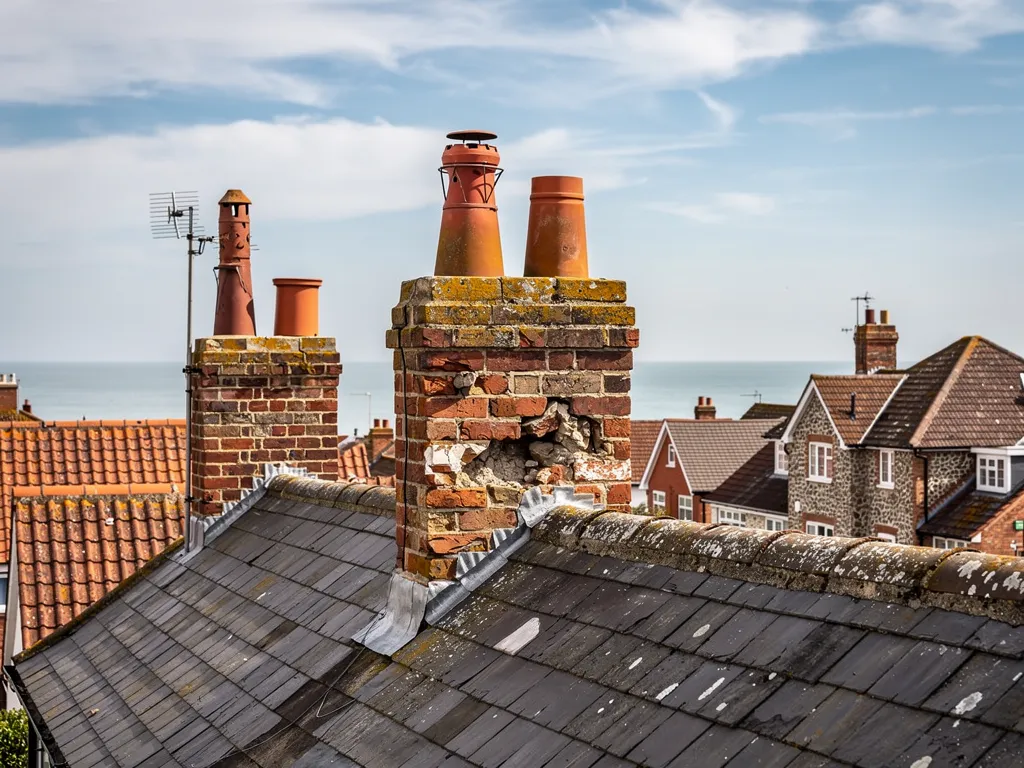
Water travels. It can run along a rafter, down the back of a flashing or across the boards for a metre or so before dripping through a ceiling, so the mark is rarely below the fault. A repair made directly above the stain can easily be in the wrong place. Sealant is the usual culprit: a bead over a lifted flashing can close the visible gap and leave the water to find another route behind it.
Sometimes the roof is innocent. Condensation, a leaking gutter or a plumbing fault can imitate a roof leak, and treating the covering does nothing for them. If your damp is wide and low-level and not a single patch, read condensation or a leak before deciding the repair failed. Either way, the cause has to be proved, not presumed.
What to record before you call
Facts help whoever returns to the job. Write down the date and hour the drip began, the weather before and during it, which room and which part of the ceiling are affected, and whether it falls steadily or only in gusts. Take dated photographs of the stain and, where you can do so safely, of the loft above it.
Put a bucket under the drip with a towel around it and move valuables out of the way. If water is reaching a light or socket, have that circuit isolated at the fuse board and stay clear. Do not climb onto the roof in bad weather to look. A visit in dry weather still reveals a good deal, because tide marks on timber last for days. What to do when your roof leaks covers the first steps in more detail.
Your rights if the repair did not work
Section 49 of the Consumer Rights Act 2015 requires reasonable care and skill from anyone who provides you with a service. Section 54 sets out the remedies, including repeat performance, so you may ask the trader to do the service again, at no extra charge, if it fell short.
Put the request in writing, attach your dated notes and photographs, and give the roofer a fair chance to attend and look. That is usually the quickest route and often settles matters. Keep copies of every message, and note the date of each call, so the sequence of events is clear to anyone who reads it later. A return visit is not an admission of anything; a good roofer wants to learn what was missed. If nothing is resolved, how to complain about a roofer sets out the steps. This is general information, not legal advice, and your own contract and circumstances matter.
How a second visit should go
A proper return visit starts with a question, not a defence. The roofer should examine the earlier repair, check whether it is intact, and then trace the water again from the inside, because the loft will usually show whether the old route is still active. If it is dry there and wet elsewhere, the fault is new.
You should be shown photographs of what is found, and any further work should arrive as a written quote giving a single total. Where the cause was missed, a good roofer says so plainly and explains what was overlooked. Drying matters afterwards: wet insulation and timber hold water for a long time, so a stain can linger after the source is closed. If the insulation is already soaked, read wet loft insulation, and for the wider range of leak repairs see our roof repairs page.
A repair that did not hold: two questions
How long should I wait before deciding a repair has failed?
Judge it by weather, not by days. If the drip returns in the same conditions as before, such as the same wind direction and a similar downpour, the repair is suspect. Wet plaster and insulation can keep a stain damp for some time after the roof is sound.
Do I have to pay again for the roofer to come back?
If the original work was not done with reasonable care and skill, the Consumer Rights Act lets you require repeat performance. If the new leak is a different, separate fault, a fresh survey and quote may be needed. A written record from the first visit makes it easy to see which applies.
Tell us about your roof
Describe what is happening and we will call you back to arrange a visit.
- Photographs of what we find
- A written quote with one total price
- Or call 01903 299063
10-year workmanship guarantee, in writing.