
Chapter one
Roofs on the 1930s settlement smallholdings
A single 1935 scheme left Almodington a scatter of modest houses and outbuildings, so each roof is read on its own merits.
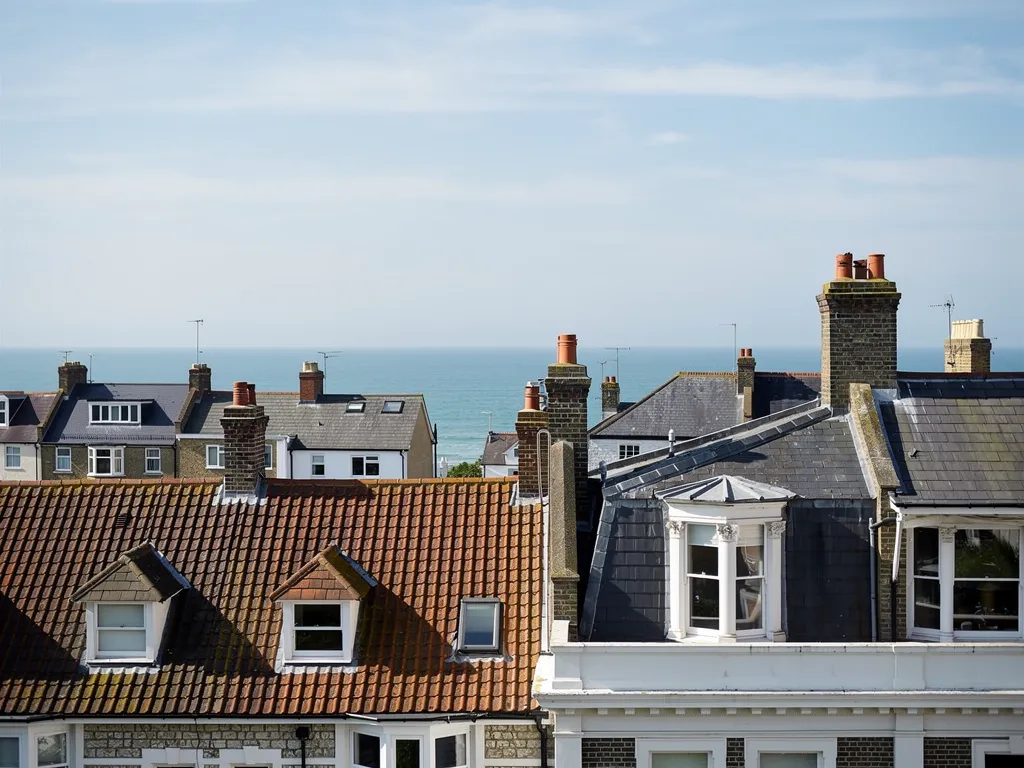
In 1935 the Land Settlement Association bought farms around here, Batchmeres Farm among them, to create about 130 holdings of four to five acres, each with a house, greenhouses and piggeries, for unemployed men from the north-east and South Wales. Chichester District Council's Somerley appraisal tells the story and adds that the smallholdings have largely become commercial nurseries. For a roofer the interest lies in what the scheme left behind: a scatter of modest houses and a great many outbuildings, built as part of one plan and all now many decades old. Nobody should assume what covers any single one of them. The survey reads the roof in front of it.
At a glance
- The 1935 scheme created about 130 holdings
- Each holding had a house, greenhouses and piggeries
- Assume asbestos in buildings from before 2000
1.1 The house roof
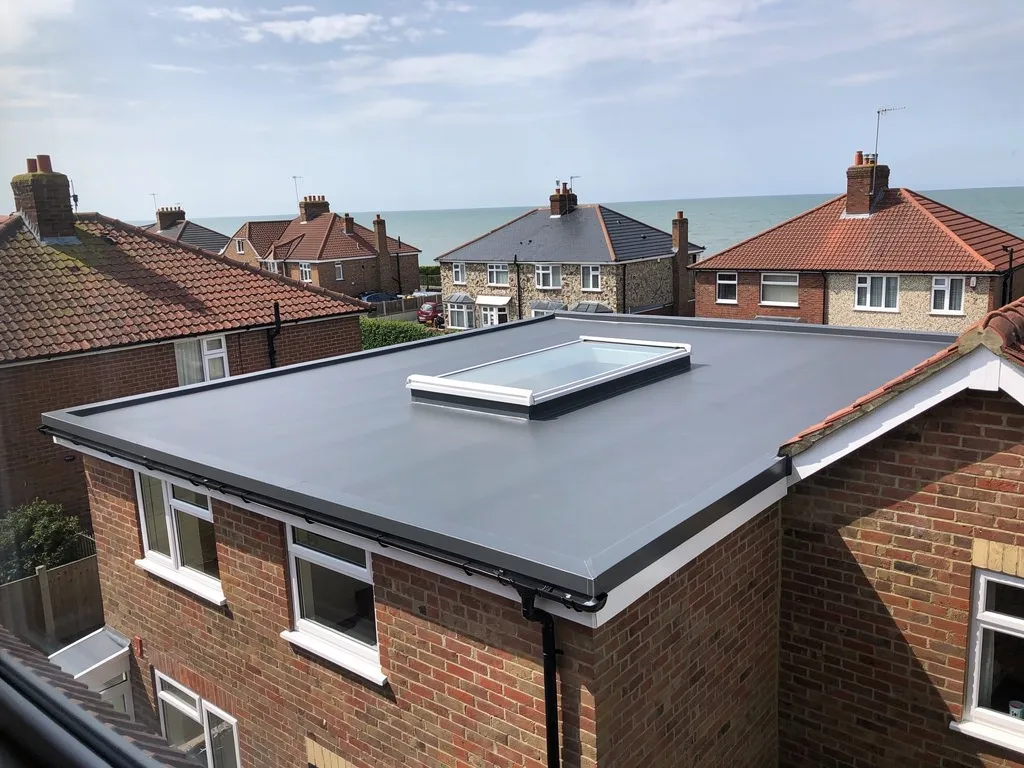
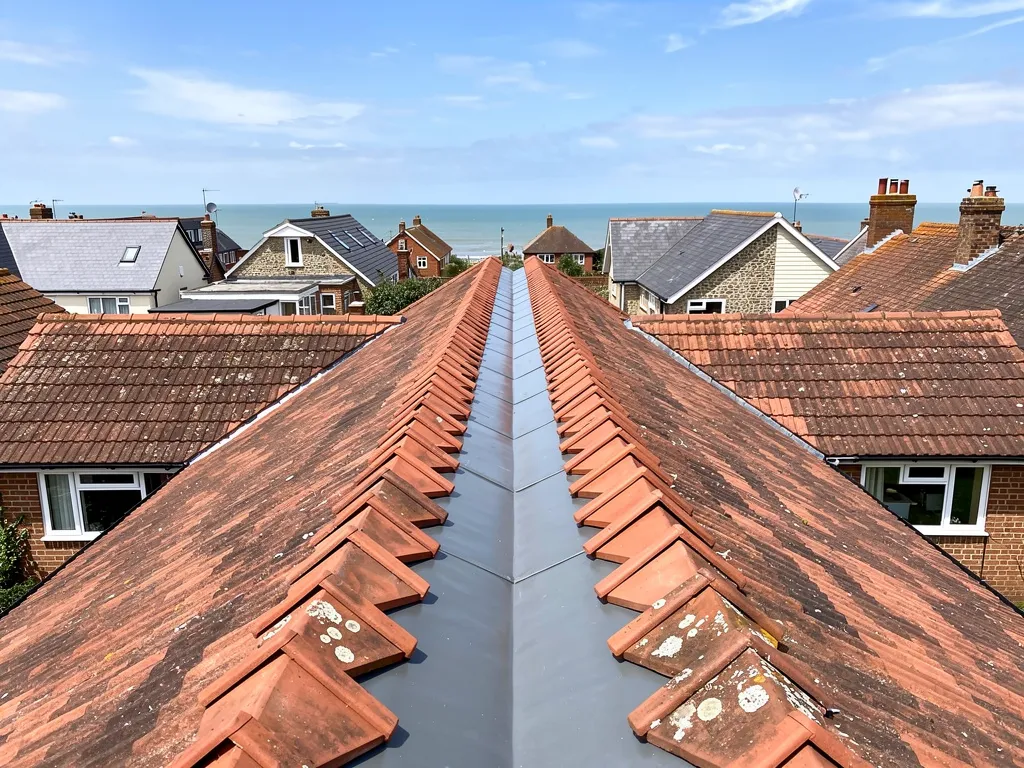
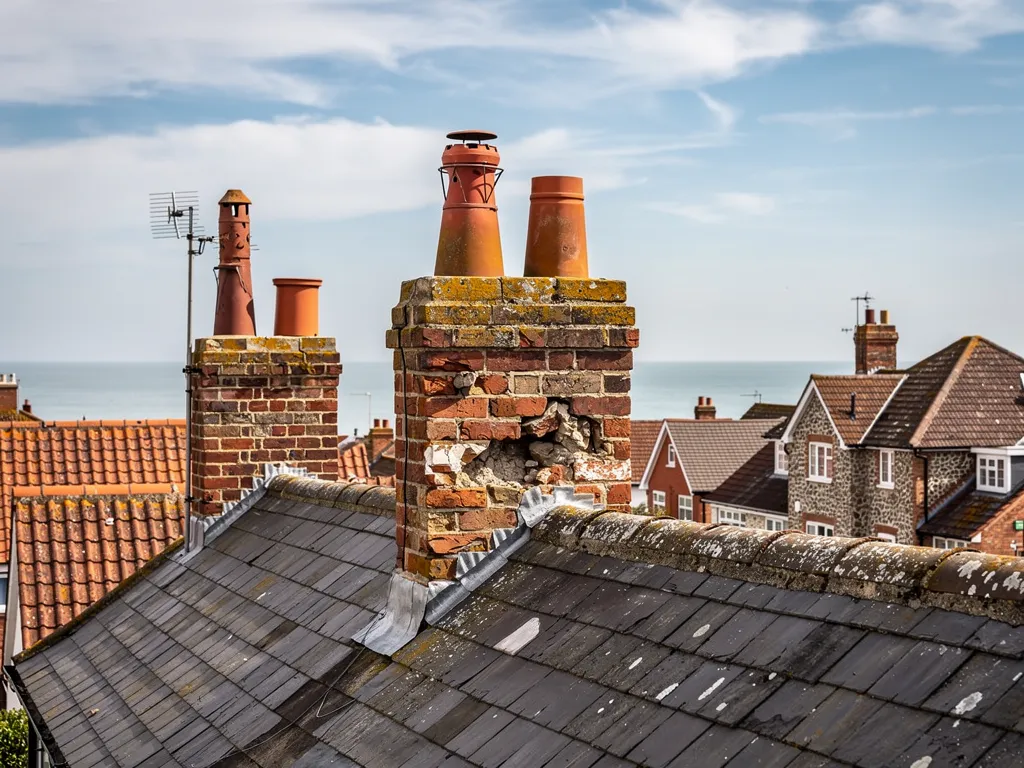
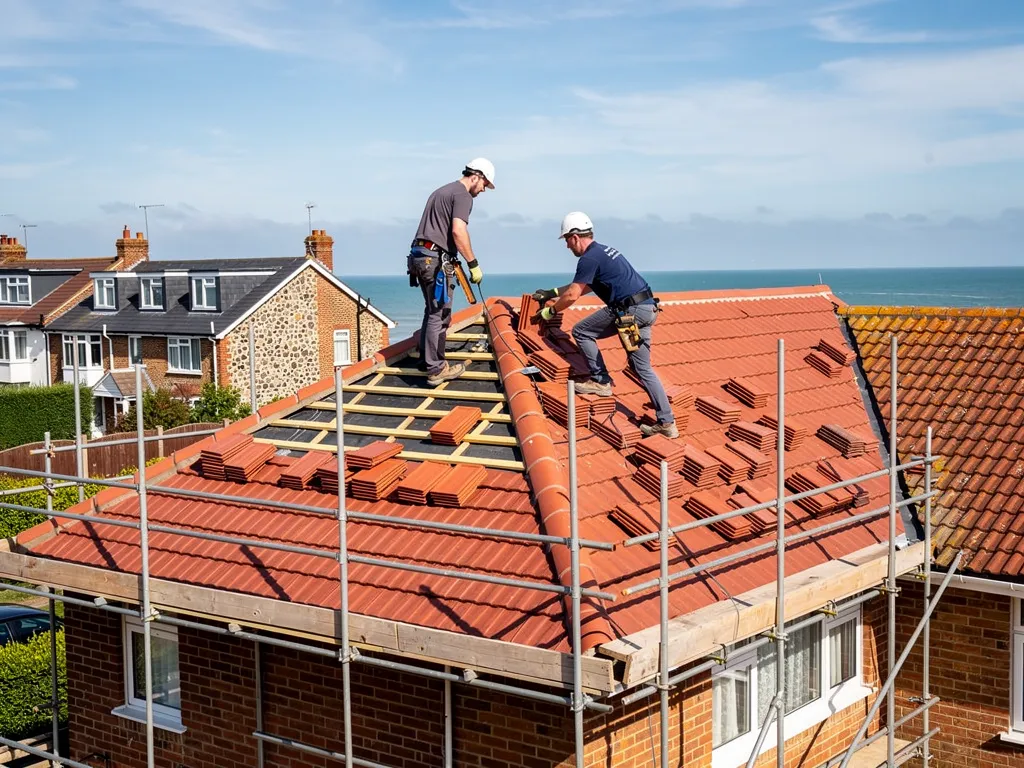
On a house of that age we work through a short list of likely faults: ridge and hip tiles whose bedding has let go, flashings where the roof meets a chimney or a flat-roofed extension, and timber at the eaves that has sat wet behind a leaking gutter for years. We begin in the loft, trace any stain to its source and photograph the fault before talking about price. A damp patch in a bedroom is rarely under the hole, so the cause may sit on a different slope or lower down. If one bad flashing is the problem, one flashing is replaced, and if the tiles are sound but the ridge is not, the ridge is rebuilt and the tiles stay. Our roof repairs page explains how we tell a repair from a re-cover.
1.2 Sheds, stores and old sheeting
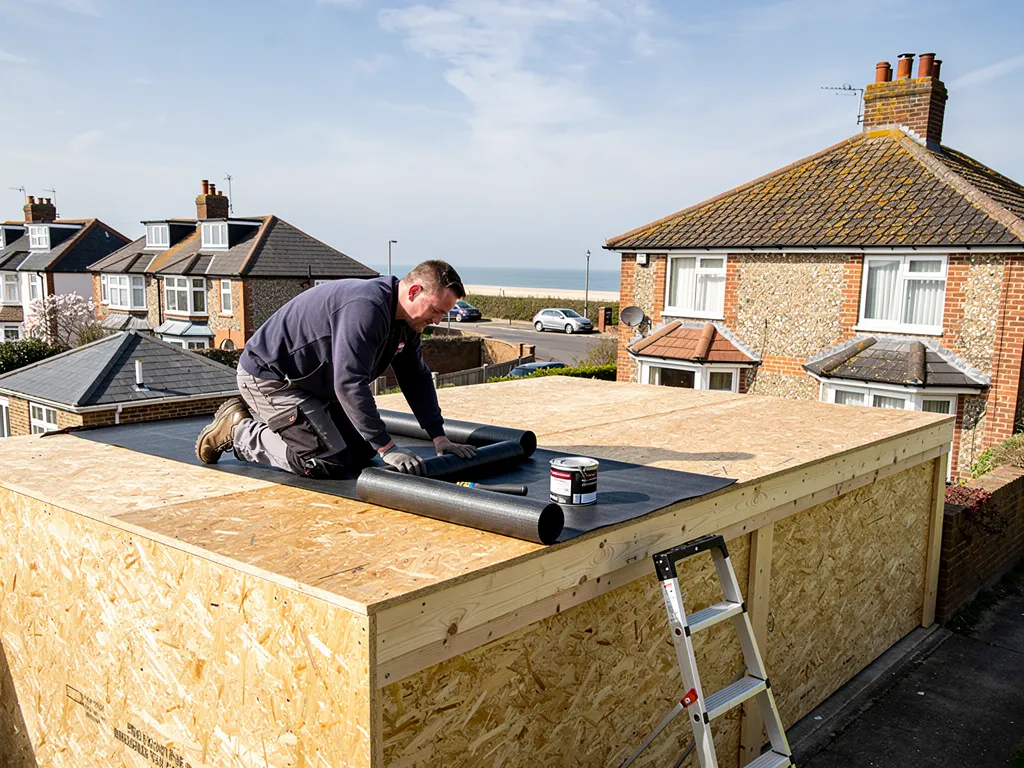
Outbuildings from this period may carry sheet roofing of unknown kind, and for anything put up or refurbished before 2000 HSE says to presume asbestos is somewhere in it. Cement sheeting that has weathered yet stayed intact can be taken off with care as non-licensed work. If a sheet has cracked into pieces, the work moves into the notifiable non-licensed category, and notice goes in before anyone starts. HSE adds that cement roofs of this kind are fragile without exception, which is why nobody should stand on one to inspect it. Old soffits may hide asbestos insulating board, and nearly all removal of that board is licensed work. Waste from a home needs a hazardous waste consignment note. So we ask what the building is, test where it matters, and set the route out for you before any quote is written. If a roof is covered in sheets and you cannot tell what they are, send us photographs and leave them untouched in the meantime.
How asbestos in an old outbuilding roof is treated
| Situation | Treatment |
|---|---|
| Cement sheet, sound, carefully removed | Non-licensed work |
| Sheet substantially damaged or broken up | Notifiable non-licensed work, notice before starting |
| Insulating board in an old soffit | Most removal is licensed work |
| Asbestos waste from a home | Consignment note needed |