Roofers in Beare Green

Beare Green grew from a Surrey common into a village split by the A24, with a railway station and a church turned village hall. We read each roof by its own parts and photograph it.

Three Beare Green roofs, either side of the A24

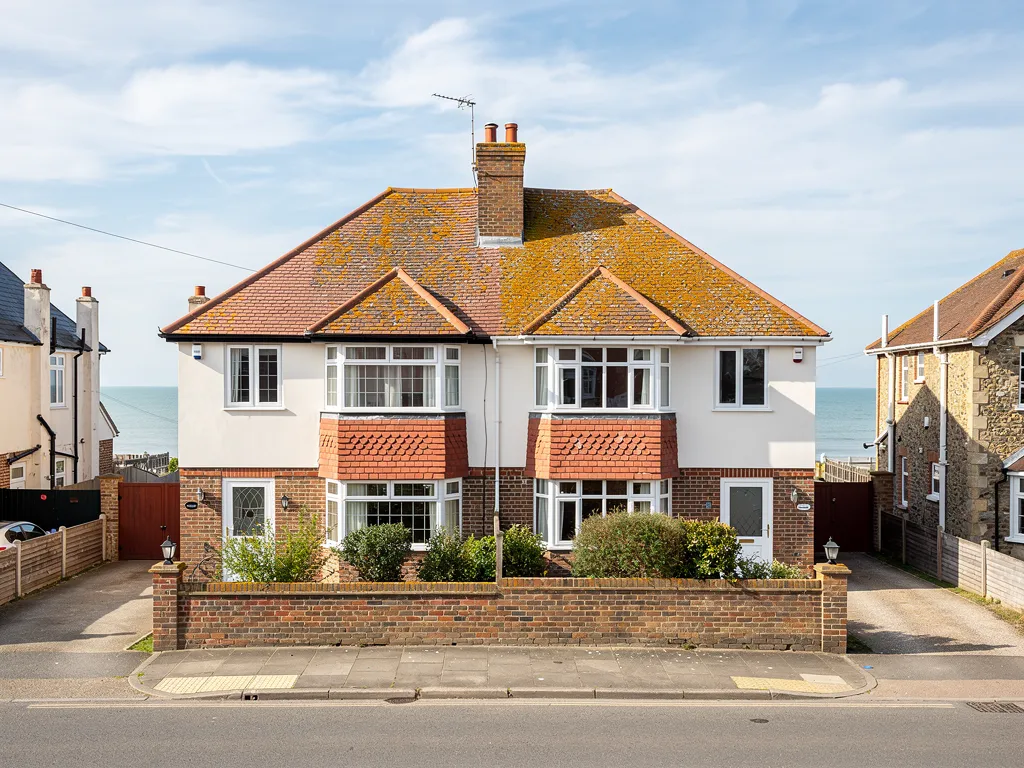
  • Tiled house roofs in a row

    Two halves of one village

    The original Beare Green lies east of the A24 dual carriageway. The larger part, with the shops and the station, lies to the west.

    Read more about Two halves of one village

    Two halves built at different times give roofs of several ages, each judged on its own evidence.

  • An older tiled house roof

    Houses since the railway came

    Holmwood Station opened in Capel parish in 1867. Houses built in the years since then span many decades, so we meet roofs of many ages here and read each by its battens, nails and underlay, not its street.

  • A community hall roof

    A church that became the village hall

    Christ Our Hope, built in 1971 as a Roman Catholic church, is now the village hall. A building of that age that has changed its use needs its roof, gutters and insulation checked against what it does today.

Street map of Beare Green, north of central Worthing, with a pin on the town.

Local records for Beare Green

Planning authority
Mole Valley District Council
Councils
Mole Valley District Council and Surrey County Council
Parish
Capel; the parish church is St John the Baptist, Church of England
Common
One of Capel parish's open commons; the name Beare appears in 14th-century court rolls
Village hall
Christ Our Hope, built in 1971 as a Roman Catholic church
From central Worthing
29.4 road miles, north, about 41 minutes by car

Beare Green roofs

Common, railway and the A24

A village that grew in stages asks three different roofing questions, about age, use and the choice between mending and replacing.

Chapter one

Roofs of every age either side of the A24

The village runs from the old common to the station, so we read each roof by its own parts, not its postcode.

Beare Green began as one of the open commons of Capel parish, and its name turns up in the 14th-century court rolls. Today the original village lies east of the A24 dual carriageway, while the larger part, with the shops and the station, sits to the west. Holmwood Station, on the Portsmouth line, opened in Capel parish in 1867. A place with that history was not built in one go, so we never guess a roof from the address. We read what is in front of us.

At a glance

  • The old village lies east of the A24
  • The shops and station are to the west
  • Underlay, nails and battens date a roof better than its street

1.1 What a survey reads

The covering is only the top layer. Under it sit the battens, thin timber strips running across the rafters that the tiles hook onto, then the underlay, the sheet that catches wind-blown water, and beneath that the rafters and the fixings that hold everything down. Old battens go soft where they have stayed damp, and a nail rusted down to a stub no longer holds a tile in place. Underlay from past decades can be brittle, torn or missing. Wherever we can lift a tile, we do, and photograph what lies underneath, because a roof that looks fine from the drive can be hanging on by a handful of sound nails.

1.2 Different ages, different weak points

The table sets out where roofs of different ages tend to give up first. It shows what we look at, not a forecast for any particular house. Lead flashings and valleys deserve attention on all of them, as does the point where the roof meets a chimney. Our roof repairs page explains how we trace a leak from a stain on the ceiling back to the opening, which is seldom directly above it.

1.3 Nothing assumed from the date

A house built generations ago may have been re-roofed since, and a newer one may have been built with a weak spot. We therefore treat the age of a house as a clue, never as the answer, and we say which parts of the roof we could reach and which we could only see from below. The photographs we take of the battens, the underlay and the flashings are the evidence, and you can see exactly what we saw before you decide anything.

Where roofs of different ages tend to fail first

Roof ageOften weakestWhat we check first
Railway-age and VictorianFixings, valley lead, chimney flashingsNails, battens and lead round the stacks
InterwarRidge and hip bedding, bay window leadRidge fixings and the lead over bays
Post-war to the 1970sPerished felt, rusted fixings, flat-roofed additionsUnderlay condition and the flat roof joint
More recentBlocked outlets, loose flashings, unsecured ridge partsGutters, flashings and ridge clips

Chapter two

A church built in 1971, now the village hall

When a building changes what it is used for, its roof, gutters and insulation deserve a fresh look.

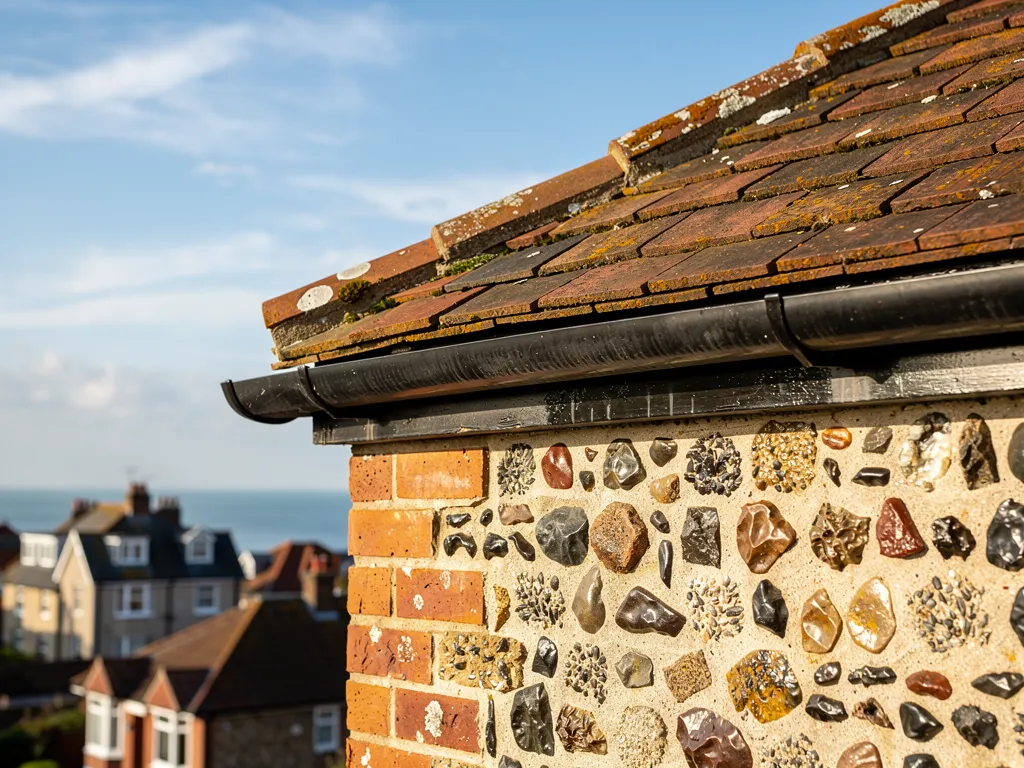
Knapped flint wall meeting the eaves of an old clay tile roof

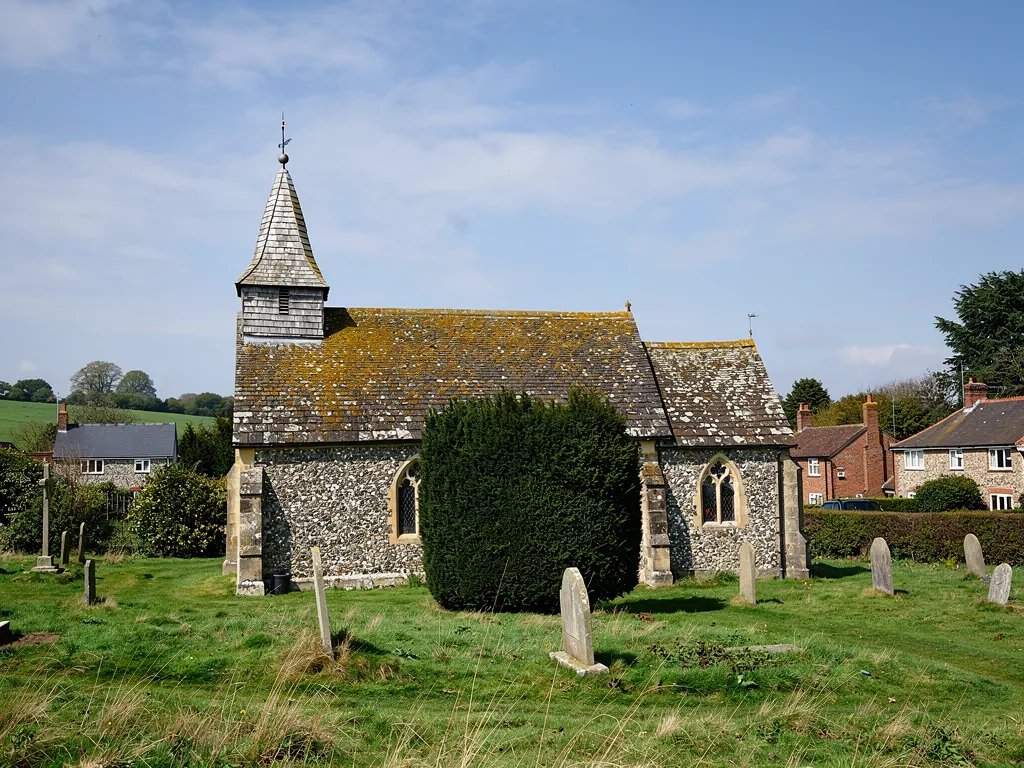
Christ Our Hope, the Roman Catholic church that Beare Green built in 1971, is now the village hall, while Capel's parish church, St John the Baptist, serves the parish for the Church of England. A building of 1971 is in its fifties, old enough that its first gutters, flashings and covering are nearing the end of their first life. When it changes use, the roof is asked to do a different job: more people under it, different heating, longer opening hours and, quite often, new fittings fixed to the structure.

At a glance

  • Christ Our Hope was built in 1971
  • Capel's parish church is St John the Baptist
  • Church exemption ends when worship in the building ends

2.1 What we check on a community roof

We begin with the outside edge. Sagging gutters, downpipes that discharge onto a wall and fascia boards that have soaked up water are all easy to see and costly to ignore. Next we look at the junction between the main roof and any later addition, because that is where leaks cluster. Public buildings bring their own demands too: edge protection and ladders have to be arranged around bookings, floors and fittings below need covering, and the people who run the hall need to know which days the work will be noisy. We agree all of that with whoever holds the keys before anyone climbs. Inside, ceiling stains in a hall are read against the roof plan above, so we follow the water to the opening and do not just treat the mark. Our commercial roofing page covers larger and flatter roofs on public and business buildings.

2.2 Consent when worship stops

For a listed Anglican church that is still used for worship, the Church's own faculty system stands in for listed building consent, and the Roman Catholic Church runs a procedure of its own. Government guidance says that for denominations other than the Church of England, the exemption ceases, and local authority controls apply, from when a building stops being used for worship. All of that matters only if a building is listed, and whether Christ Our Hope or any other Beare Green building is listed is for Mole Valley District Council to confirm. We ask before any covering changes, and photograph the existing roof first so the record is clear.

How we survey a community building roof

  1. Walk round We view every elevation from the ground first, noting sagging gutters, stained walls and later extensions.
  2. Get up Where it is safe we go onto the roof and photograph each junction, flashing and outlet.
  3. Look inside We compare ceiling stains in the main room with the roof plan above, tracing each to its opening.
  4. Report A committee receives photographs and one written total, so trustees can decide with the evidence in hand.

Chapter three

Mend or replace a Beare Green roof

Most roof jobs turn on one decision, and the rules and the price both follow from how much of the roof we touch.

Most roof jobs come down to one decision: mend what is broken, or replace the covering. Our answer depends on how the faults are spread across the roof. Trouble in one spot, such as a lifted ridge, a split valley or lead pulled away from a chimney, is a repair. Failure everywhere, with slipped tiles on every slope and battens crumbling, is a re-roof. Whichever applies, the reasoning arrives with pictures taken on your roof, and the smallest job that properly solves the problem is the one we put forward. A sound roof with a single worn flashing is a flashing job, and the report names it as one.

At a glance

  • Trouble in one spot usually means a repair
  • Failure on every slope usually means a re-roof
  • Mole Valley is the planning authority for the village
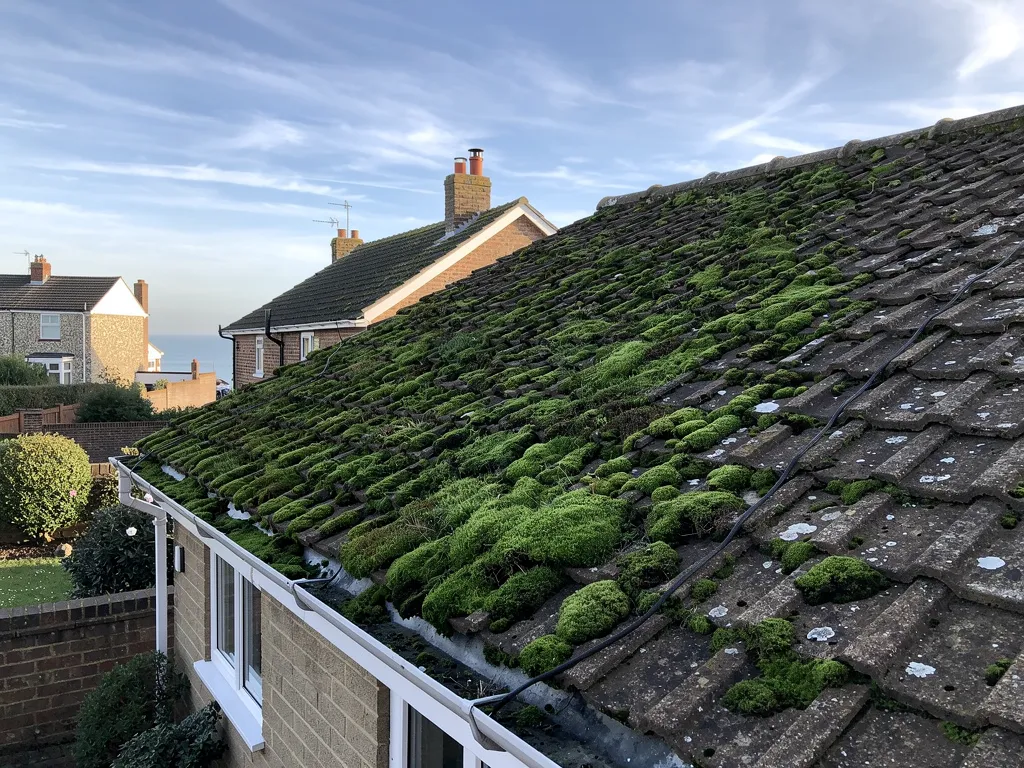
Bungalow roof heavily covered in green moss on its north-facing slope

3.1 Rules for a larger job

For repair or re-covering, the Planning Portal draws the line at 25 per cent of the total building envelope and 50 per cent of the roof. Keep below both and a building control application is not normally required. A re-roof past either figure needs approval, as does any new covering that is 15 per cent or more heavier, and the Part L energy rules can then ask for better insulation. Applications go to the council or to a registered building control approver, and we handle the notification for notifiable work. For planning, Beare Green answers to Mole Valley District Council, which can confirm any listing or conservation status before a covering changes. Our roof replacement page follows a full re-roof from the first scaffold pole to the last tile.

Bungalow roof heavily covered in green moss on its north-facing slope

3.2 What the total depends on

Scaffold, access, the size and shape of the roof, the covering you choose and whatever is found under the old tiles decide the price. A re-roof carries VAT at the standard rate, so ask any firm whether its figure includes it. When the work is done the site is cleared and the waste taken away, and you receive photographs of the finished roof. Gutters are worth a look at the same visit, since a re-roof that leaves tired guttering behind soon sends water back to the fascia and the new work. National guides supply the ranges below, which are not our prices; what we charge is good and fair.

National guide prices for pitched roof work

  • Re-bedding ridge tiles£300 to £600
  • Chimney repointing£500 to £2,000
  • Gable re-roof, semi£5,000 to £8,000
  • Hipped re-roof, semi£8,000 to £12,000

Your own total comes in writing after the survey; other firms' figures are worth checking for scaffold and VAT. Source: MyBuilder slate roof, chimney repair and new roof price guides, updated 21/08/2026.

Beare Green roof questions, from the common to the station

How do you judge a roof's age in a village that grew in stages?

By its parts, not its street. The battens, underlay, nails and flashings tell us more than the year a house went up, since roofs get re-covered and patched over the decades. We lift a tile where we can, photograph what lies underneath and send the pictures with the quote. A newer roof is not assumed sound, and an older one is not assumed finished, until the photographs show which it is. That holds on either side of the A24.

Do repairs to a former church that is now a hall need consent?

Only if the building is listed, and Mole Valley District Council confirms that. Government guidance says the church exemption from listed building controls ceases for most denominations once worship stops, so local authority rules would then apply. A repair that puts back the same covering is a different matter from changing the covering. We photograph the roof and check before any material changes.

Which council is the planning authority for a roof in Beare Green?

Mole Valley District Council, with Surrey County Council above it. Putting back the same covering seldom needs planning consent, but listing or any conservation status changes that, and the council is the body to confirm either one for your address. For roof windows and dormers, our roof planning permission guide explains the position, and we leave the decision with the council.

When does a Beare Green re-roof need a building control application?

When the work reaches 25 per cent of the building envelope or 50 per cent of the roof, changes the structure, or makes the covering 15 per cent or more heavier, per the Planning Portal. Below those points, normally none. Above them, we explain whether to use the council or a registered building control approver and take care of the notification where the work is notifiable.

Roofers near Beare Green

Tell us about your roof

Describe what is happening and we will call you back to arrange a visit.

  • Photographs of what we find
  • A written quote with one total price
  • Or call 01903 299063

10-year workmanship guarantee, in writing.

Call Get a quote