

Roofers in Capel

Capel's roofs stand on Wealden Clay south of Leith Hill, in a parish of old brickworks, two conservation areas and a 1724 meeting house. We survey every roof and photograph what is up there.

Capel's brick-and-tile clay, church slabs and meeting house

  • Clay plain tiles on a roof

    Clay behind the brick and tile

    Most of Capel parish lies on Wealden Clay, and the county history mentions small brick and tile works.

    Read more about Clay behind the brick and tile

    The Clock House Brick Company opened south of Capel in 1933, so fired clay has been made close to where it is laid.

  • Stone slabs on a church roof

    A church once roofed in Horsham slab

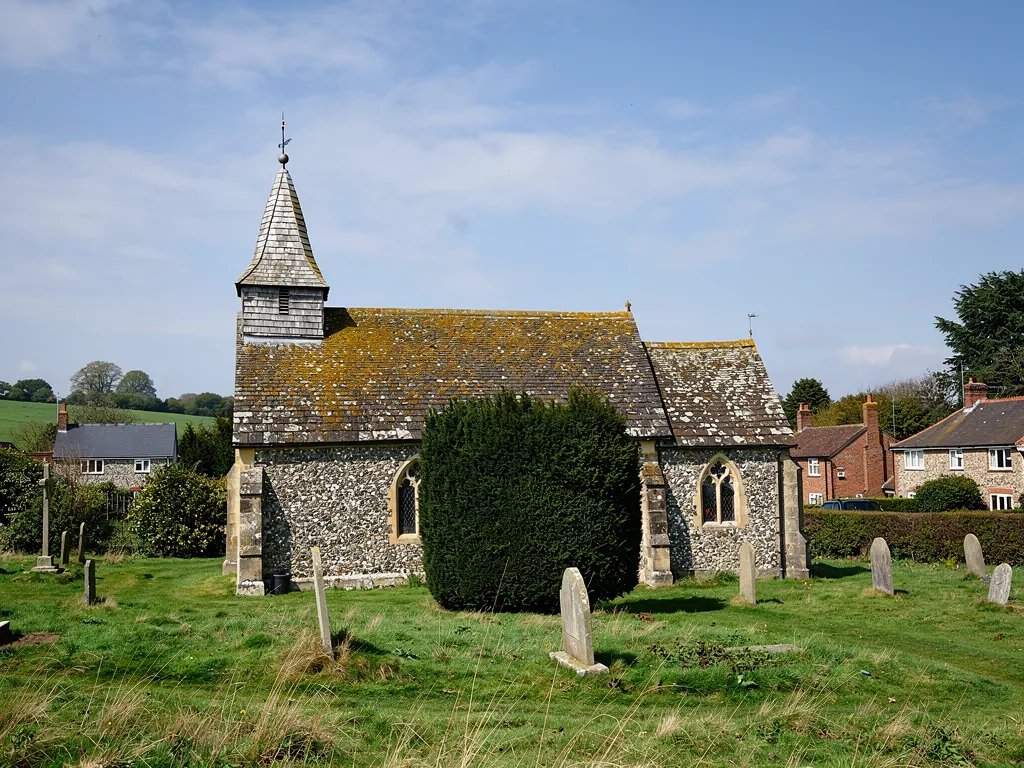
    Before it was rebuilt, the church of St John the Baptist had roofs covered with Horsham slabs and walls of local hard sandstone rubble, according to the Victoria County History.

    Read more about A church once roofed in Horsham slab

    Stone slab was clearly part of this district's roofing.

  • A small historic meeting house

    The Friends Meeting House of 1724

    The Friends Meeting House, built in 1724, is listed. Quakers do not share the Church of England's exemption, so roof work on a listed meeting house is a matter for the council, with listed building consent where its character is affected.

Street map of Capel, north of central Worthing, with a pin on the town.

The paperwork behind a Capel roof

Planning authority
Mole Valley District Council
Councils
Mole Valley District Council and Surrey County Council
Conservation areas
Two in the parish: Capel Conservation Area and one at Coldharbour
Article 4
Ask Mole Valley District Council whether any direction reaches your street
Listed example
Friends Meeting House (1724), Grade II; the Grade II parish church and eight nearby buildings are also listed
From central Worthing
27.1 road miles, north, about 38 minutes by car

Capel roofs

From Leith Hill sand to Wealden clay

Clay tile, a church that once wore stone, and consent routes that differ from one building to the next.

Chapter one

Capel's clay tiles and how long they last

Brick and tile were made near Capel, so a clay roof faces two tests: is the tile still sound, and what holds it on?

Clay is the story of Capel, in the ground and on the roof. The county history says most of the parish lies on Wealden Clay and records small brick and tile works in a farming district, and the Clock House Brick Company opened south of Capel in 1933. It would be no surprise to find fired clay on a Capel house, though only a survey of the roof itself can say what covers it. Where it is clay tile, the questions never change: is the tile still sound, and is whatever holds it on?

At a glance

  • The Clock House works opened south of Capel in 1933
  • Frost damage shows as flaking tile faces
  • Published lifespans are ranges, never promises
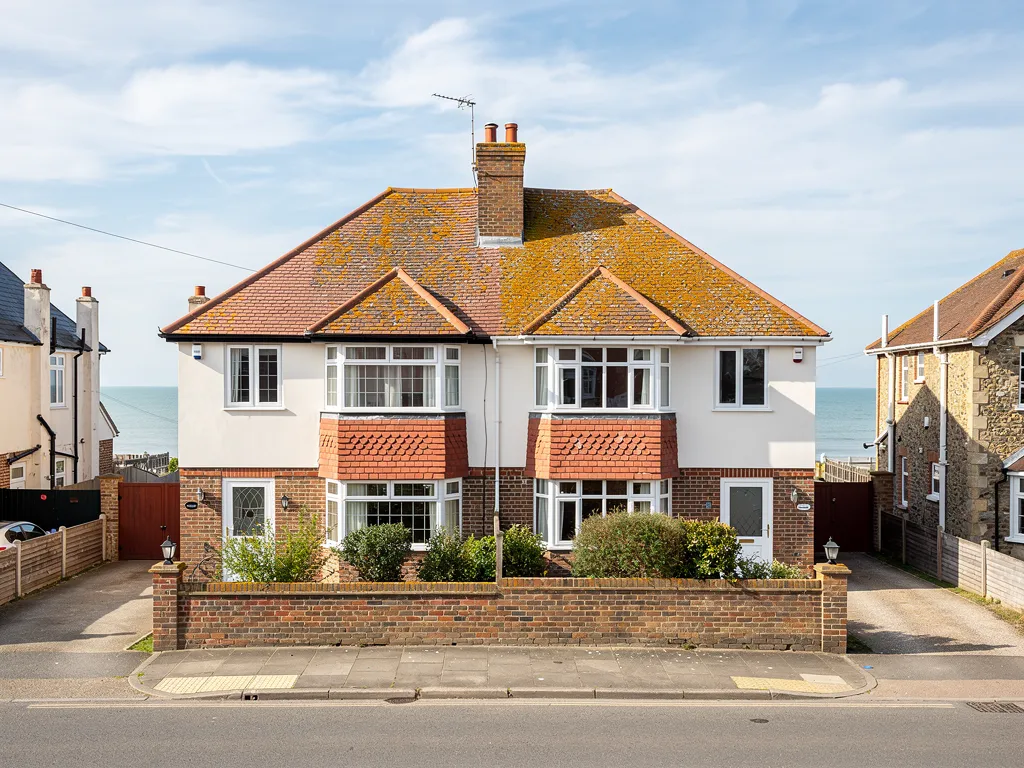
Pair of 1930s semis in Durrington with weathered clay tile roofs
Pair of 1930s semis with weathered clay tile roofs

1.1 Judging the tile

Clay tiles rarely wear evenly. A frost-damaged face flakes away in layers, a cracked tile lets water pass, and one that sounds dull when tapped may be hairline-cracked right through. The nibs that hang each tile from its batten, and the nails that steady the course, tend to give way before the clay does. So we lift a few tiles in representative spots, check the battens beneath for rot, and photograph what we see. Lifespan figures help only as a frame, and the table sets out the published ones. None is a promise for your particular roof, which is why the survey carries more weight than the date on the deeds.

Pair of 1930s semis in Durrington with weathered clay tile roofs
Pair of 1930s semis with weathered clay tile roofs

1.2 Matching what is already there

Where a repair is needed, new tiles must sit in the old slope without announcing themselves. Hand-made clay varies in colour and camber, so we match by size, texture and tone, and scatter replacements through the slope in place of one obvious patch. Underneath, torn or missing underlay is renewed as the tiles are rehung. For a leak beside a chimney or along a valley, the tile may be perfectly good and the lead around it the fault, which is why we trace the water first and recommend afterwards. Our pitched roofing page explains how a clay-tiled slope is stripped, re-battened and covered again.

Ridge and hip tiles are the highest and most exposed on any clay slope. After the 2014 revision of BS 5534, a ridge or hip tile held by mortar alone no longer meets expectations, and Marley advises that all bedded tiles and fittings include mechanical fixings. Where an old ridge is sound, the tiles can come off, be cleaned and go back on a fresh bed with their fixings, which spares you new ones that would look out of place beside the weathered clay below. Where the tiles themselves have split, new ones are sourced to match the colour before any are ordered.

Clay tile lifespans, as published

Modern clay tile
Minimum life expectancy of 60 years (Building Research Establishment finding, via Marley)
Replacement guide
Clay tiles replaced after 40 to 60 years (MyBuilder)
Old peg-tile roofs
The Building Conservation Directory calls 60 years an unreliable guide
Meaning
A typical range, never a guarantee for one roof

Source: Marley, 2016; MyBuilder slate roof cost guide, updated 21/08/2026; Building Conservation Directory
Chapter two

Two conservation areas and a Quaker meeting house

The parish church and the meeting house sit under different consent rules, and neither matches the rules for an ordinary house.

Sussex flint church with a sweeping Horsham stone roof and lichen-covered slabs
Sussex flint church with a sweeping stone roof and lichen-covered slabs

The parish has two conservation areas, one in Coldharbour and one in Capel itself, and the Grade II parish church and eight nearby buildings in the Capel Conservation Area are listed. Mole Valley District Council holds the maps and any appraisal, so ask it which area, if either, your house falls in, and what it says about roofs. The council can also say whether an Article 4 direction applies; unless one does, re-laying a matching covering usually falls outside planning control, but changing the material, colour or shape is a different conversation, and roof windows and dormers have rules of their own in our roof planning permission guide.

At a glance

  • Capel has two conservation areas, one at Coldharbour
  • The parish church is Grade II and Anglican
  • A Quaker meeting house lies outside the exemption

2.1 St John the Baptist's, then and now

Before it was rebuilt, the church of St John the Baptist had roofs covered with Horsham slabs, walls of local hard sandstone rubble and a short timber spire on a timber-framed bell-turret. It remains a Church of England building, and while it is in worship use its roof work goes through the Church's own faculty system, not the council. Where a house or barn nearby still has stone slab, our Horsham stone roofing page describes what repairing it involves.

2.2 A meeting house outside the exemption

The Friends Meeting House, built in 1724, is listed Grade II. Government guidance on the ecclesiastical exemption says other faiths and denominations, Quakers among them, do not benefit from it, so roof work on a listed meeting house goes to the local planning authority, with listed building consent where the work would affect its character. The same applies to a church of an exempt denomination once it closes for worship. In practice, that means asking the council before a scaffold goes up, sending photographs of the covering as it stands, and matching it. Mending in matching materials is one thing, and replacing with something different is another; the council will tell you where your job sits. Works needing consent that go ahead without it are an offence, so settle the question in writing first. A scheduled monument is different again: it needs a consent of its own, granted by the Secretary of State, and no exemption ever covers it. Old roof voids can hold roosting bats, and the law protects nesting birds too, so we look for signs of both before stripping begins.

What people sayEvery listed church or chapel is exempt from listed building consent.

What is trueThe exemption covers listed churches in use by named denominations such as the Church of England; a Quaker meeting house, or a church that has closed, goes to the council.

Chapter three

Repair, re-cover or rebuild a Capel roof

The survey decides between patching and a new covering, and a few published figures show what that choice can cost.

A Capel survey ends with a recommendation, and the recommendation is the lightest job that cures the fault properly. Where water gets in at a single valley or flashing, that means repair. Where tiles are crumbling across the whole slope, battens have softened and the underlay has perished, it means recovering. You see the photographs behind either answer, and a written quote follows from them with one total price. If a roof has leaked for some while, we also inspect the timbers under the wet spot, because rot found early is a repair and rot found late is a rebuild.

At a glance

  • A covering more than 15% heavier needs a structural check
  • Part L reaches the whole roof past 50% renovated
  • Typical UK repair prices start around £100
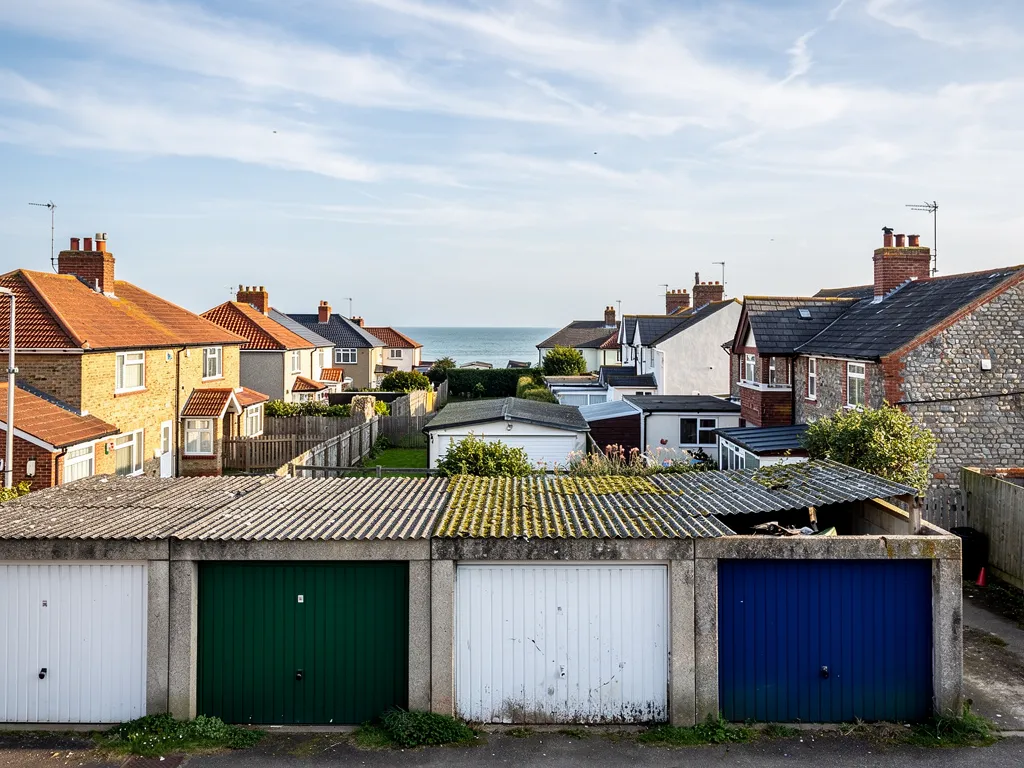
Row of concrete sectional garages with weathered grey corrugated roofs

3.1 Weight and the structure

Approved Document A says a significant change in roof loading is when the loading upon the roof is increased by more than 15%, and where the structure cannot take the extra, strengthening is classified as a material alteration. So moving from a light covering to a heavier one is a question for building control and often a structural check, not just a choice of colour. The Planning Portal's advice is to consult a structural engineer or surveyor ahead of the work, and we will say when we think a heavier covering needs that first. Our roof replacement page covers the wider job.

Row of concrete sectional garages with weathered grey corrugated roofs

3.2 Insulation and Part L

Approved Document L asks for the whole roof to be upgraded to the stated standard where more than 50% of its surface is renovated, or where more than 25% of the external envelope is renovated as a major renovation. A repair beside a chimney stays under both thresholds. A full strip and recover can pass the first, which is why we go through the thermal question with you when we present the survey, and notifiable work is notified to your building control body on your behalf.

3.3 What the guides say about price

Treat the ranges below as typical UK guide prices, nothing more; they move with access, scaffold and the covering chosen. Ours are good and fair prices, given as a single total. MyBuilder's guide gives about £850 to £1,200 for a typical two-storey scaffold set-up, so whichever quote you weigh up, check whether it includes VAT and scaffolding, because those two items shift the total more than any difference in tile.

Typical UK costs for roof and chimney work

  • Minor roof repair£100 to £300
  • Moderate roof repair£500 to £1,000
  • Storm damage fix£500 to £1,500
  • Chimney repointing£500 to £2,000

A figure for your roof arrives only after the survey, written down as one total with the pictures behind it. Source: MyBuilder roof repair and chimney repair price guides, updated 21/08/2026.

Capel roof questions, from the brickworks to the meeting house

Is an old Capel clay tile roof worth keeping, or does it need replacing?

That depends on the roof, not its age. Clay lasts well when sound, and published lifespans run from 40 to 60 years before replacement, with a 60-year minimum quoted for modern tiles, though old peg-tile roofs do not follow that rule. We lift sample tiles, test the battens and underlay, and show you photographs. Local faults point to repair, while faults across every slope point to recovering.

Which consent route covers Capel's Friends Meeting House compared with the parish church?

Different ones. St John the Baptist's is used for Church of England worship, so the Church's faculty system applies. The Friends Meeting House, built in 1724 and listed, falls outside the ecclesiastical exemption because Quakers are not among the exempt denominations, so listed building consent from the council is the route. Either way, speak to the right body before any scaffold goes up.

Am I in the Capel or the Coldharbour conservation area, and does it matter for tiles?

The parish has two, and Mole Valley District Council holds the boundaries. For a like-for-like repair it matters little, since laying the same tile again is not usually development. It matters if you want to change the colour, material or shape of the roof, so ask the council first and keep the council's answer on file.

When does a Capel re-roof have to meet Part L insulation standards?

Approved Document L expects the whole roof to be upgraded where more than 50% of its surface is renovated, or where a major renovation touches more than 25% of the external envelope. A small repair stays below both, while a full strip and recover can pass the first. The thermal question is discussed when we go through the survey with you, and notifiable work is notified on your behalf.

Tell us about your roof

Describe what is happening and we will call you back to arrange a visit.

  • Photographs of what we find
  • A written quote with one total price
  • Or call 01903 299063

10-year workmanship guarantee, in writing.

Call Get a quote