Roofers in Findon

Findon lies in a wind-gap through the South Downs, on the chalk, with flint and brick cottages and a Horsham stone rectory roof. Survey photographs of your own roof come with every written quote.

Horsham stone, flint and a gap in the Downs: Findon's roofs

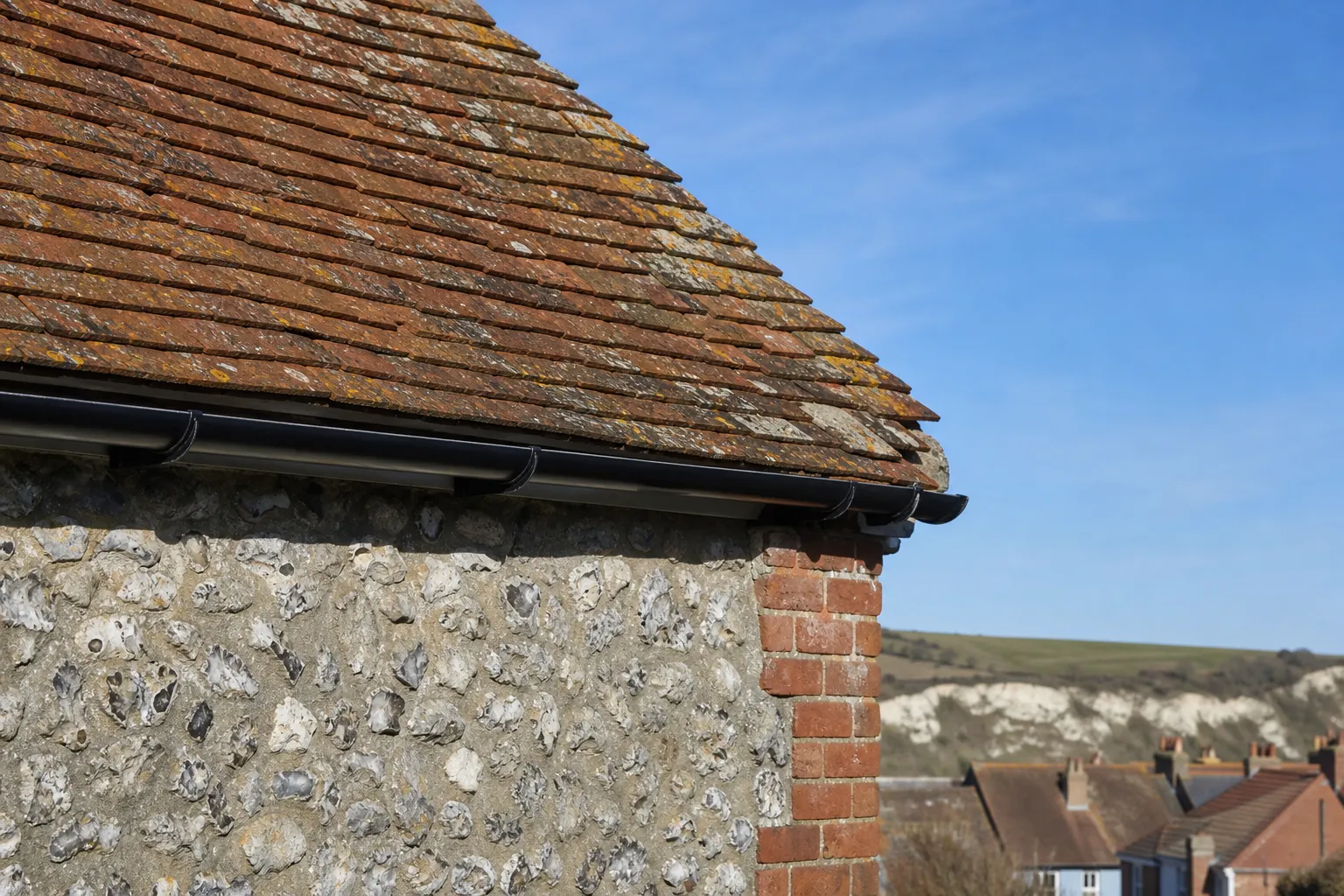
  • A Horsham stone slab roof

    Horsham stone on the old rectory

    The Victoria County History records the rectory house as flint and brick under Horsham stone, with a central part said to date from 1584.

    Read more about Horsham stone on the old rectory

    A stone roof like that is mended with its own slabs first, and we plan any repair around that rule.

  • A flint cottage under a tiled roof

    Flint and brick cottages

    According to the Victoria County History, the older buildings of the village are flint or brick, with some rendering.

    Read more about Flint and brick cottages

    Each of those walls meets the roof at a gable, a chimney or the eaves, and every one of those junctions is somewhere we inspect.

  • Tiled roofs below a chalk down

    Roofs in a gap through the Downs

    The parish straddles the wind-gap in the South Downs and lies wholly on the chalk. A roof in that setting takes the weather as it comes, so we treat the fixing method as a first question, not an afterthought.

Street map of Findon, north-west of central Worthing, with a pin on the town.

Which rules touch a roof

Planning authority
South Downs National Park Authority
Councils
Arun District Council and West Sussex County Council
Conservation areas
Findon Conservation Area (March 1986), centred on The Square; Nepcote Conservation Area (9 March 2023)
Article 4
Confirm with the National Park Authority; the Nepcote appraisal suggests one be considered
Listed example
St John the Baptist's Church, Grade I
From central Worthing
5 road miles, north-west, about 10 minutes by car

Findon roofs

Stone, flint and a gap in the Downs

What an old Horsham stone roof, two conservation areas and open chalk country ask of a roofer.

Chapter one

Horsham stone on the old rectory roof

Findon's rectory is roofed in Horsham stone, and a stone roof is mended with its own slabs before anyone else's.

The Victoria County History describes Findon's rectory house as built of flint and brick and roofed in Horsham stone, with a central part said to date from 1584. That makes it a useful guide to what the village's older roofs are up against. Horsham stone-slates are thick, flaggy sandstone slabs, graded by size and laid in diminishing courses, which means the slabs shrink steadily as the roof climbs. The Stone Roofing Association describes two laying systems. The usual one is double lap. The other, single lapping, belongs to Horsham stone alone, with each joint weathered by Welsh slate shadows bedded in mortar. Horsham District Council's appraisal adds that these roofs carry their substantial weight on strong timbers beneath a steep pitch, so on a stone roof we inspect the frame as well as the stone.

At a glance

  • The rectory is flint and brick under Horsham stone
  • Keep the roof's own stone wherever it can be saved
  • Stone-slate supply was reported short in 2019
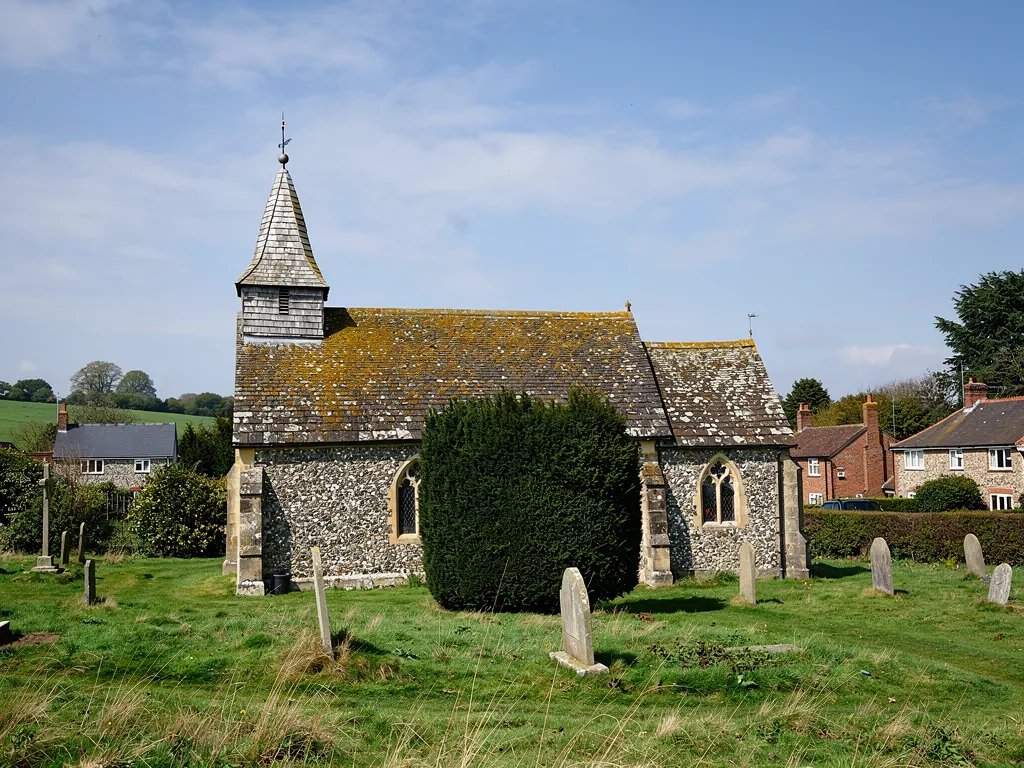
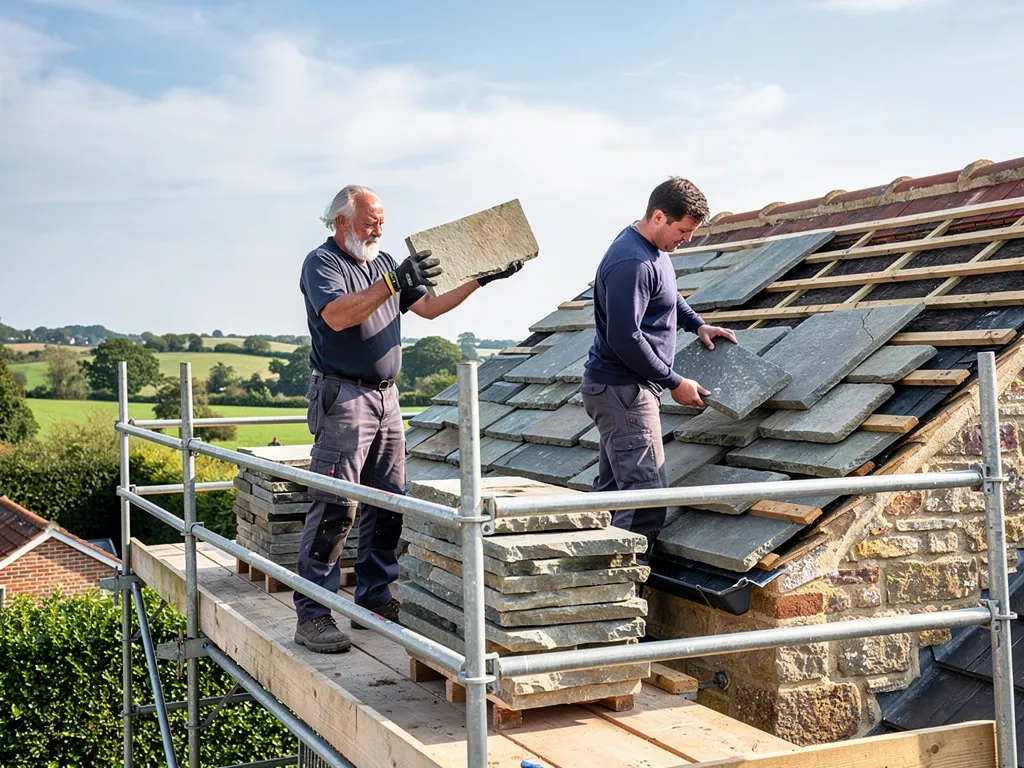
Sussex flint church with a sweeping Horsham stone roof and lichen-covered slabs
Sussex flint church with a sweeping stone roof and lichen-covered slabs

1.1 Keep what the roof owns

The Association's first choice is always to retain the roof's own stone for as long as it is sound, which also keeps the colour and weathering that new stone takes years to acquire. Slabs stripped from other buildings are a last resort, because buying them feeds the destruction of historic roofs, and where there is no alternative their source should be checked as legitimate. Where the roof is still short, new Horsham slates fill the gap when they can be sourced. Supply has been a real difficulty: a trade report in 2019 reported that roofing slabs were in crisis-level short supply. So the job begins with a careful count of the slabs the roof already owns, sorted by size, and with new battens and nails under every one that goes back.

Sussex flint church with a sweeping Horsham stone roof and lichen-covered slabs
Sussex flint church with a sweeping stone roof and lichen-covered slabs

1.2 Listed or not, ask first

The National Park Authority's guidance separates routine upkeep and small repairs done in place, which need no listed building consent, from works that replace or alter historic fabric and so change a building's character, which do. The Association adds that moving a roof between single and double lap means the roof's loading must be worked out again, and building control approval or a church faculty may follow. Years of patching have often left Horsham roofs part double lap and part single, with slate shadows filling gaps in the stone, so we record what is there before touching it. Our Horsham stone roofing page covers lifting, sorting and relaying.

What people sayA Horsham stone roof can be relaid in whatever lap pattern suits, provided it still looks like stone.

What is trueThe Stone Roofing Association advises retaining or restoring double lap where it can be done, and altering the lap calls for the loading to be reviewed.

Chapter two

Two conservation areas inside the National Park

Findon and Nepcote conservation areas sit within the National Park, whose own authority decides planning questions here.

Loft room with two roof windows seen from inside

Findon has two conservation areas side by side, in a parish the Victoria County History calls famous in the county for its sheep fair and race-horse training. Arun District Council's guidance records Findon Conservation Area, designated in March 1986 and centred on The Square, where the timber-framed Gun Inn of the 17th century stands. Nepcote Conservation Area, around the green where the village's famous sheep fair was held, was designated by the South Downs National Park Authority's planning committee on 9 March 2023, the first conservation area the Park Authority had designated itself. Findon is also inside the National Park, so planning decisions for the village rest with the Authority.

At a glance

  • Findon Conservation Area was designated in March 1986
  • Nepcote, round the sheep-fair green, followed in March 2023
  • The National Park Authority, not the district, handles planning
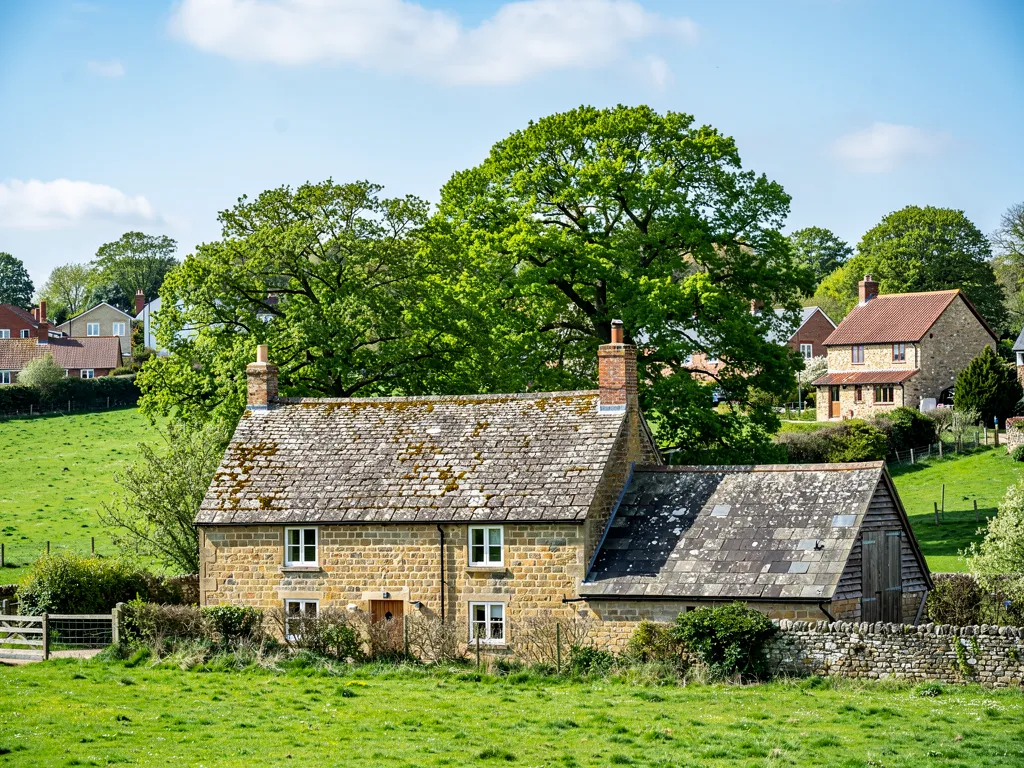
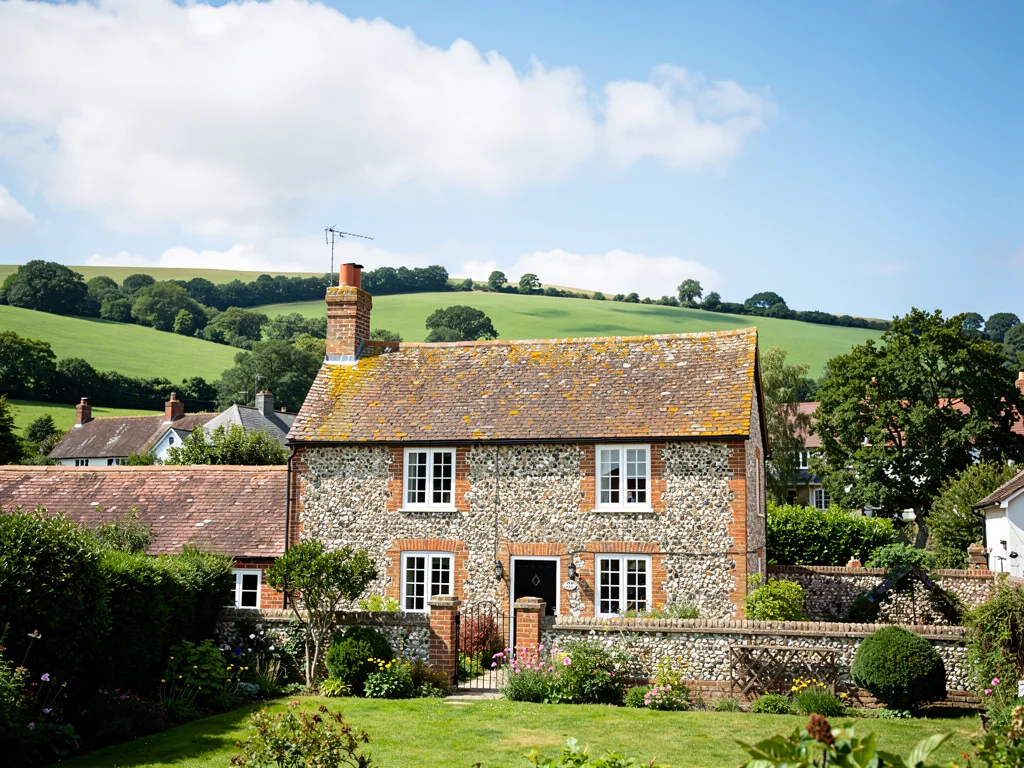
Flint-and-brick cottage in Findon with a clay tile roof under the Downs

2.1 What the Park changes, and what it leaves alone

Land in a conservation area or a National Park has its permitted development rights handled more carefully. Re-roofing like for like generally falls outside the definition of development, because the building's appearance is unchanged, and that holds in both conservation areas and the Park. The care comes with a new covering, a change to the roof's shape, or a listed building. The Nepcote appraisal contains no Article 4 direction but suggests the Authority consider one, and for Findon Conservation Area the Authority can confirm whether any direction applies. A short question before work starts settles it, and the reply is worth keeping. Our roof planning permission guide explains roof windows and extensions.

Flint-and-brick cottage in Findon with a clay tile roof under the Downs

2.2 Findon's parish church

St John the Baptist's has flint walls with stone dressings and is listed Grade I. It is an Anglican parish church, and while services go on, its roof work follows the Church's faculty process, not listed building consent. A listed house is different, and the order of work matters: we agree the specification with the Authority before a scaffold goes up, so a roof is never left half stripped while an answer is awaited. Old churchyard roofs and the cottages round the green share one habit worth knowing, which is deep, dark eaves that can shelter bats and nesting birds. Both are protected, so before any strip-out we look for signs of them. We also photograph the roof edge, so the record is yours as well as ours, and anything we find is set down in the written quote that arrives after the survey.

Before work on a Findon roof

  1. Check Is the house listed, and does it sit inside the Findon or Nepcote boundary?
  2. Ask A short note to the National Park Authority confirms what, if anything, needs consent.
  3. Photograph The roof as it stands is recorded before the first tile moves.
  4. Match Replacements follow the existing covering in size, colour and laying pattern.
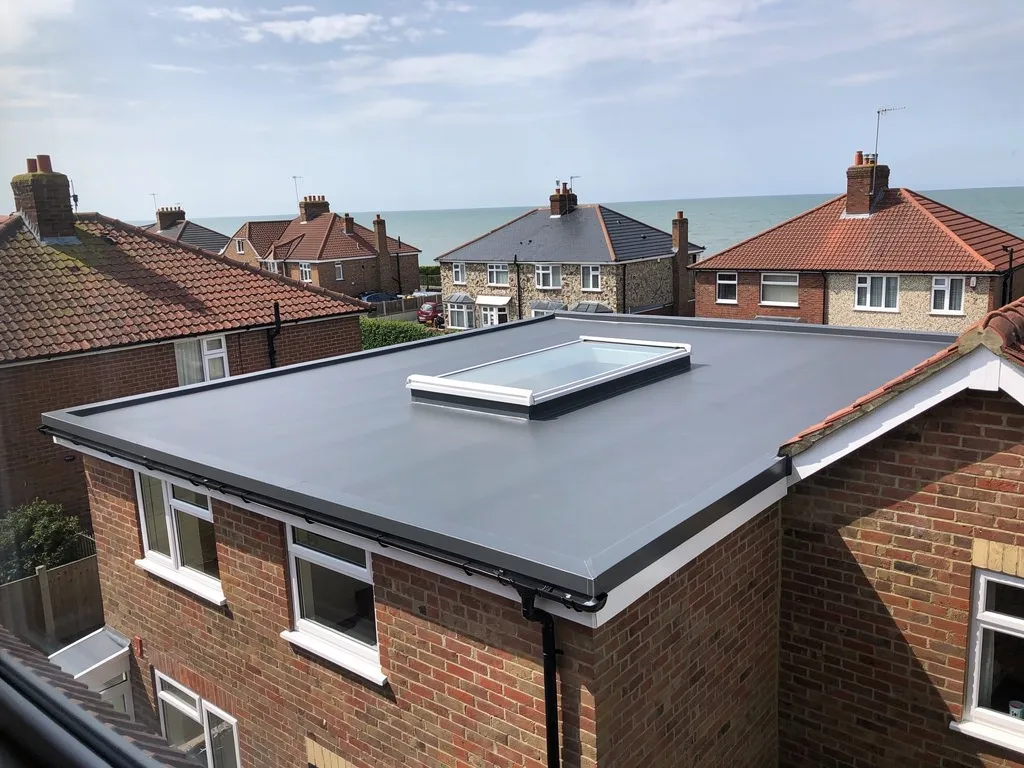
New grey GRP fibreglass flat roof on a rear kitchen extension

Chapter three

Roofs in the wind-gap: flint cottages and open chalk

Findon straddles the wind-gap in the Downs, so how a cottage roof is fixed matters as much as how it looks.

The Victoria County History places Findon parish across the wind-gap in the South Downs, wholly on the chalk. That is a matter of landform, not a measured wind speed, but it explains why we start a Findon survey with the fixings. Wienerberger asks that fixings follow the conditions of the actual site, including its height above sea level and its exposure to wind, and Marley says a pitch lower than 30 degrees leaves the wind-facing slope open to severe suction. The verge, the exposed roof edge at a gable, and the ridge, the crest where two slopes meet, are the lines the wind can lift. Since the 2014 revision of BS 5534 they are held by more than mortar, and a dry-fix system tested to BS 8612:2018 is the alternative to a bedded ridge.

At a glance

  • The parish lies wholly on the chalk
  • Older buildings are flint or brick with some rendering
  • Pitches under 30 degrees can see severe suction
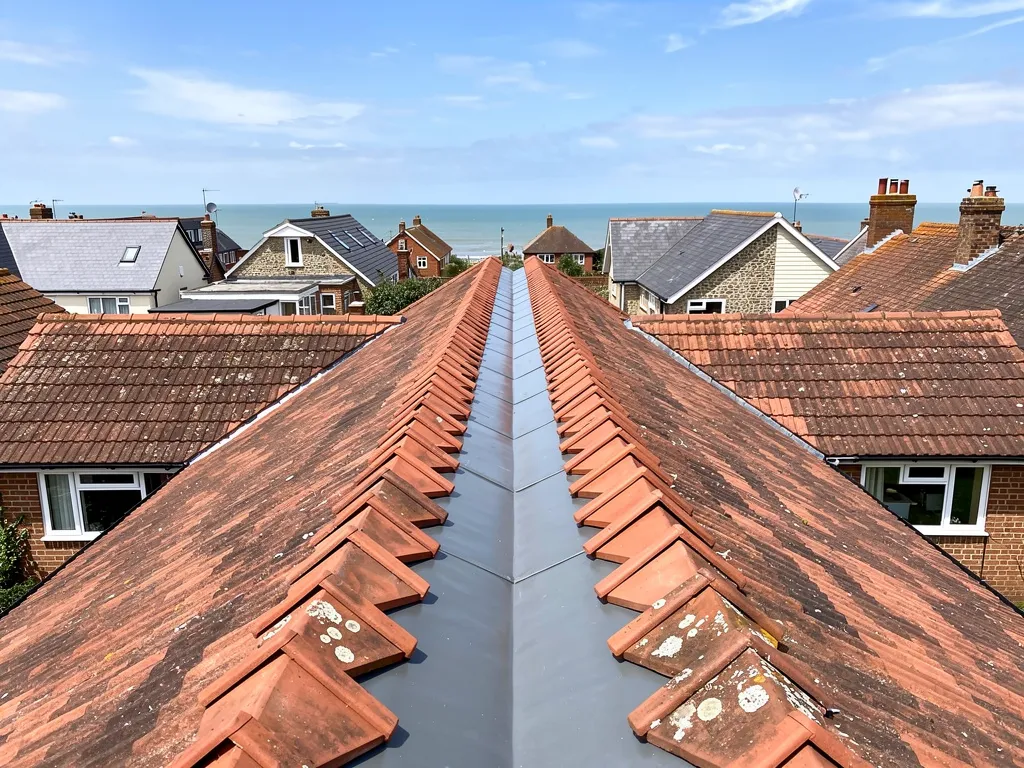
Lead-lined valley where two clay-tiled roof slopes meet

3.1 Flint gables, render and chimneys

Older buildings here are flint or brick, some rendered. Where render meets a roof edge, hairline cracks let rain run into the wall head, and the damp shows up later as a stain on a bedroom wall. A chimney is the other weak spot, because a stack stands alone in the weather. A flashing, a folded strip of lead, seals the stack to the slope, and flaunching, the sloped mortar cap, carries rain off the top. We check lead, pointing, pot and flaunching together, then repair what has failed and nothing more. Our chimney repairs and lead roofing pages set out the options.

Lead-lined valley where two clay-tiled roof slopes meet

3.2 What the work typically costs

Chimney and lead jobs are small by roofing standards but vary a good deal with access and the height of the stack. The national guides below show typical UK ranges. They are not our prices; our own written quote comes once the survey is done, as a single total. Scaffolding for a chimney is often the largest single factor, so ask whether any quoted figure covers it, and VAT. A repair that a cottage owner can plan for is usually better value than a stack left until it drops pieces onto the slope below, and where the survey shows that, the photographs will too. Eaves matter on an open site as well: if the roof edge has lifted, wind can get beneath the first course of tiles, so we check the edge as closely as the stack.

Typical UK costs for chimney and lead work

  • Lead patch repair£150 to £250
  • Lead replaced on a chimney, no scaffold£350 to £460
  • Typical dry ridge job£500 to £1,000
  • Chimney repointing£500 to £2,000

A cottage stack is priced after we have looked at it from the roof, as one written total. Source: MyJobQuote chimney leadwork guide, 22/09/26; MyBuilder dry ridge and chimney repair guides, updated 21/08/2026.

Findon roof questions, from the rectory to the chalk

Can a Findon Horsham stone roof be patched with slabs taken from another building?

It is possible, but the Stone Roofing Association treats slabs from other buildings as a last resort, with the roof's own stone coming first. Where a shortfall is unavoidable, new Horsham slates should make it up if they can be found, and supply was reported short in 2019. We sort and count the existing slabs before suggesting anything, and photograph the result.

Does Findon's place inside the National Park change who I ask about a roof?

Yes, for planning. Planning decisions for the village rest with the South Downs National Park Authority, so questions about a covering, a listed building or a conservation area go to it. Building Regulations apply as elsewhere in England, through your council's building control team or a registered building control approver. We explain which route fits the job and handle notifiable work.

Do Findon and Nepcote conservation areas have an Article 4 direction on roofs?

The Nepcote appraisal contains none and only suggests that the Authority consider one. For Findon Conservation Area, and because directions can be added, confirm with the National Park Authority before changing a covering, since a direction would remove named permitted development rights inside its boundary. We copy the existing covering, and a like-for-like repair seldom needs permission.

Why do render and flint gables in Findon leak where they meet the roof?

Render cracks at the roof edge, and flint walls leave deep joints. Rain finds either one and runs down inside the wall, then shows up as damp some way below. We trace the water to where it enters, open the junction, and repair it with lead and sound pointing or render. Sealant alone only hides the crack for a season, and we photograph the repair.

Tell us about your roof

Describe what is happening and we will call you back to arrange a visit.

  • Photographs of what we find
  • A written quote with one total price
  • Or call 01903 299063

10-year workmanship guarantee, in writing.

Call Get a quote