
Roofers in Laughton

Laughton is a Domesday village on the B2124 east of Lewes, known as the Village of the Buckle after the Pelham badge. We climb its roofs and photograph what we find.

Three Laughton roofs, from church chancel to old tower

  • A church roof with a tower

    A nave of the 1200s with a renewed chancel roof

    All Saints' has a 13th-century nave without aisles and an early 15th-century battlemented tower. Its chancel roof was replaced when E Christian restored the church in 1883, and a roof of that age is worth checking at every edge.

  • Flint walling beside a roof

    A knapped flint chancel

    The chancel was rebuilt in 1764 and 1765 over the Pelham burial vaults, in carefully knapped flint. A flat flint face gives lead flashing a tidy line, but the mortar joint holding the lead still has to be sound.

  • An old masonry tower in weather

    The tower that remains of Laughton Place

    In the 16th century the Pelham family's seat was Laughton Place, and a tower of it remains. Masonry that stands to the weather rewards the checks any stack or parapet needs: pointing, copings and the lead around the base.

Street map of Laughton, east of central Worthing, with a pin on the town.

Laughton: the designations on file

Planning authority
Wealden District Council
Councils
Wealden District Council and East Sussex County Council
Conservation area
None: Laughton is not among Wealden District Council's 33 conservation areas
Article 4
None for Laughton; the only direction on Wealden's list is at Rotherfield
Parish church
All Saints', Laughton (Church of England)
From central Worthing
27.3 road miles, east, about 38 minutes by car

Laughton roofs

Pelham country east of Lewes

Three roofing questions from a Domesday village whose church chancel is flint and whose roofs span many centuries.

Chapter one

The flint chancel and its 1883 roof

A chancel rebuilt in knapped flint and roofed again in 1883 shows exactly where old walls and lead meet.

All Saints' church shows how a Sussex village adds to its roofs across the centuries. Sussex Parish Churches describes a 13th-century nave without aisles and a battlemented tower of the early 15th century, with the Pelham buckle carved on the stops of the west doorway's hoodmould. For a roofer the chancel matters most. It was rebuilt in 1764 and 1765 for the Duke of Newcastle, over the Pelham burial vaults, in carefully knapped flint, and E Christian restored the church in 1883, when the chancel roof was replaced.

At a glance

  • The chancel was rebuilt in 1764 and 1765
  • Its roof was replaced in 1883
  • A parish church in use follows the faculty process

1.1 A roof past its hundred and fortieth year

A roof put on in 1883 has seen more than 140 winters, though its covering may have been renewed since. Whatever a roof of that age is covered with, the first places to give out are rarely the open slopes. They are the edges: the verge, the finish along a gable end, the ridge along the top, and each junction with a wall. Fixings rust and mortar crumbles, and a leak starting at one of those edges can travel unseen along a rafter before it drips into a room. Any house in the village with a roof of similar age deserves that same attention.

1.2 Lead against knapped flint

Knapped flints are split open so that each stone shows a smooth cut face, and that gives a flashing, the lead strip dressed over a roof-to-wall join, a neater line than rounded field flints would. Neatness does not make a joint watertight. We look hard at the mortar that holds the lead, because lime or cement that has dropped out behind the metal leaves it free to flap in a gale. A sound flashing sits in a cut joint and is pointed over. Our lead roofing page describes the work, and every defect we find is photographed for the written quote.

1.3 Who approves work to the church

All Saints' is an Anglican parish church. While services continue, the ecclesiastical exemption lets the parish handle building work by faculty, the Church's own system, in place of listed building consent. A roof on an unlisted village house has no such process to go through. We tell you early which route fits your building, before any scaffold goes up, so the order of events is clear from the first visit.

Fixing standards for an older Laughton ridge

Code of practice
BS 5534:2014+A2:2018
Dry-fixed ridges, hips and verges
BS 8612:2018
Each single-lap tile
A minimum of one mechanical fixing (Wienerberger)
Heritage roofs
Amendment A2:2018 says BS 5534 may not suit them; consult the planning authority (Marley)

Source: BSI; Wienerberger; Marley, fetched October 2026
Chapter two

No conservation area, but not no rules

Laughton has neither a conservation area nor an Article 4 direction, which clears some hurdles but leaves the Building Regulations in place.

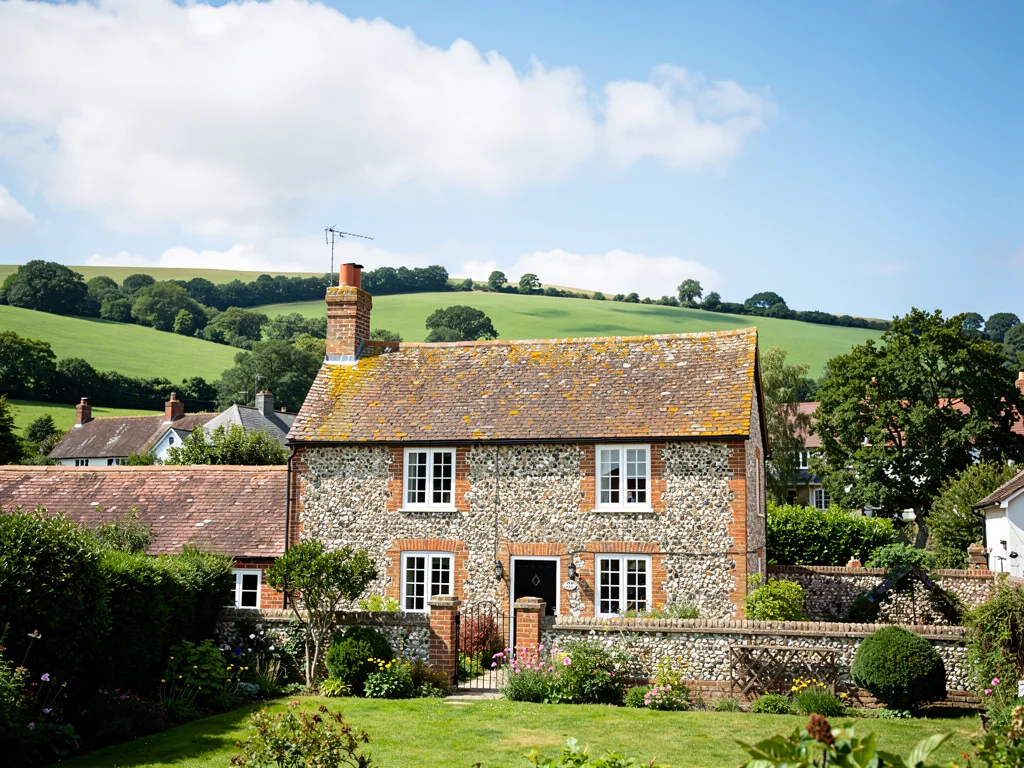
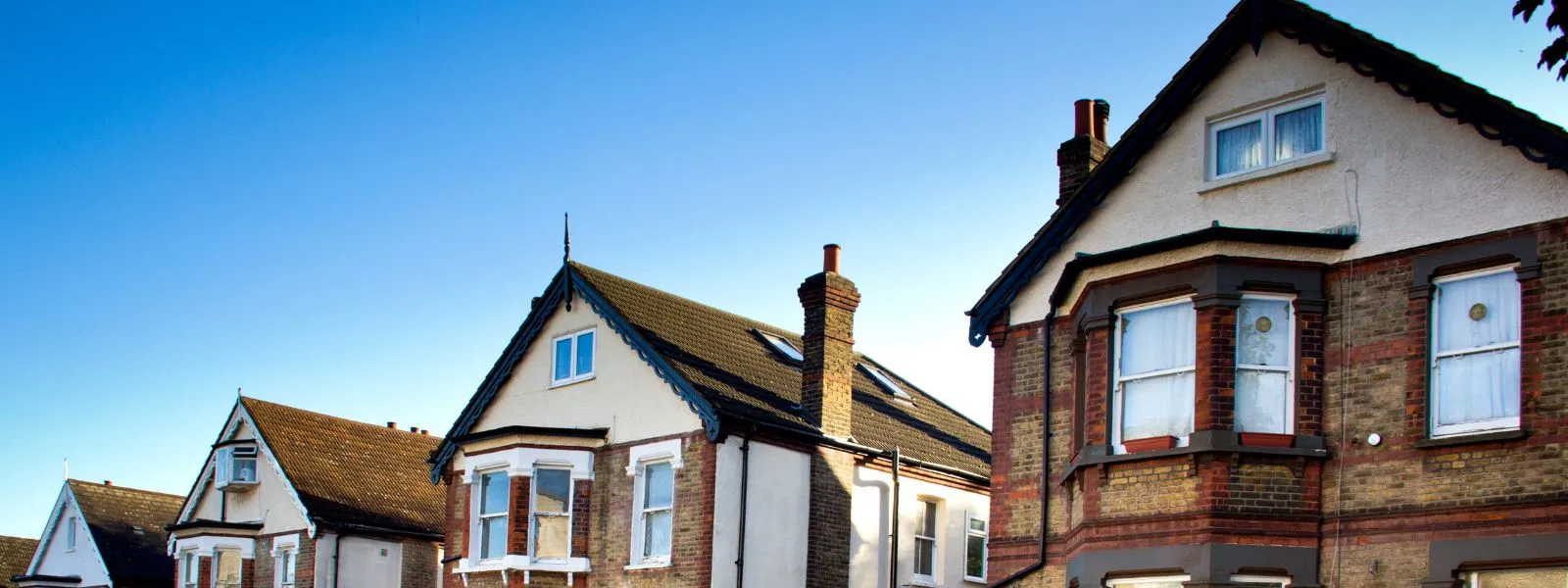
Edwardian semis with concrete tile roofs, brick chimneys, rooflights

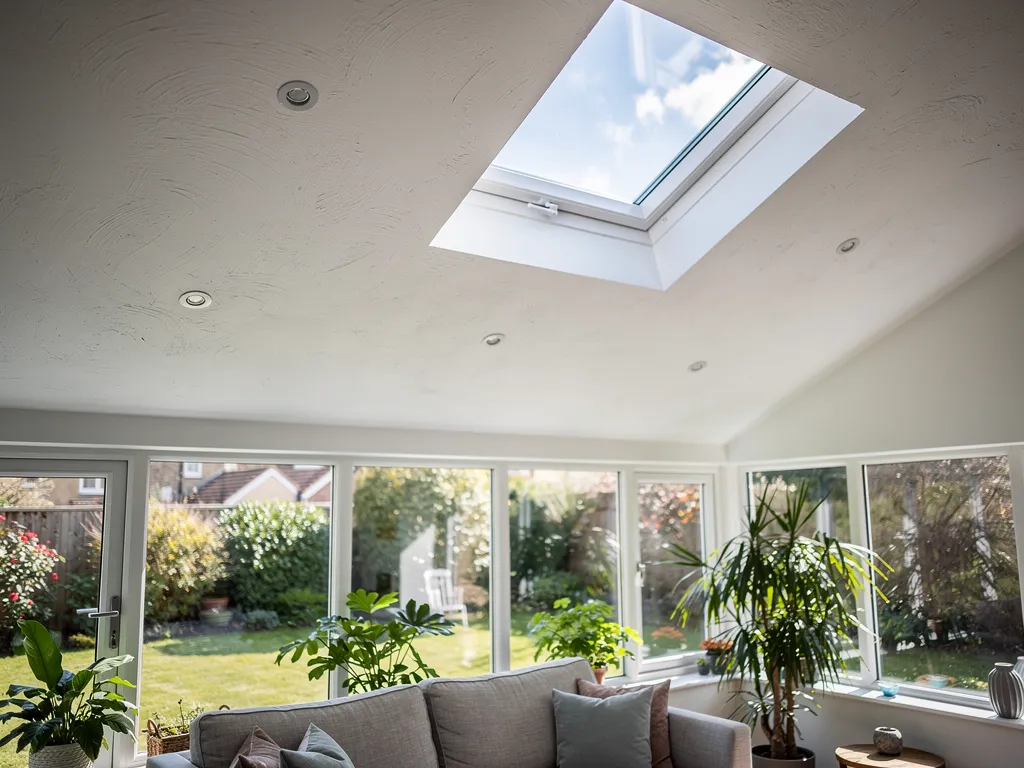
Wealden District Council lists 33 conservation areas, and Laughton is not one of them; the only Article 4 direction on its list covers Rotherfield. The practical result is that, for an ordinary house, the planning side of a re-roof is quiet. Laying the same kind of covering again leaves the building's outward look as it was, and work of that kind is not development in law. Listed buildings are different wherever they stand, because consent attaches to the listing and not to any area boundary. If you are doubtful, put the question to the Wealden planners before work begins. Our roof planning permission guide deals with roof windows and dormers.

At a glance

  • Laughton is not among Wealden's 33 conservation areas
  • Only Rotherfield has an Article 4 direction on Wealden's list
  • Building Regulations cover every roof, listed or not
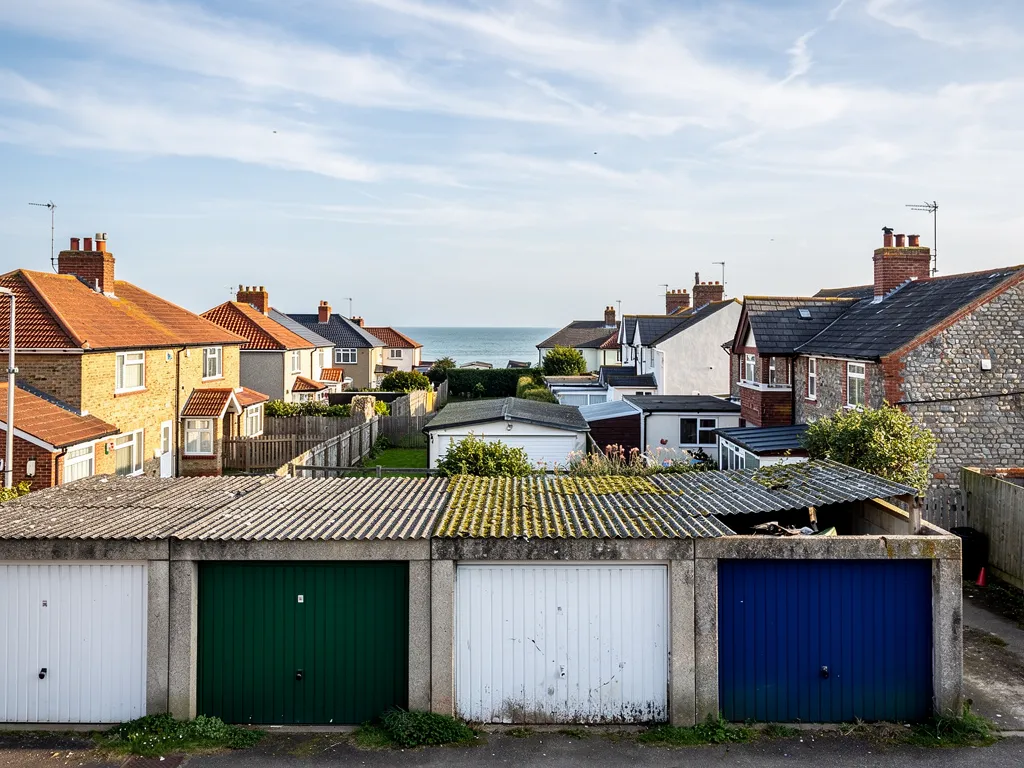
Row of concrete sectional garages with weathered grey corrugated roofs

2.1 The Building Regulations still apply

Two measures decide whether a re-roof reaches building control, according to the Planning Portal: the share of the building envelope touched, and the share of the roof. Stay under 25 per cent of the envelope and under 50 per cent of the roof, and no application is normally needed. Exceed either percentage, alter the structure, or pick a covering whose weight rises by 15 per cent or more, and building control approval becomes necessary. A bigger job can bring a Part L thermal upgrade with it. The route is either the council's building control team or a registered building control approver, and if a notification is due, making it is our job.

Row of concrete sectional garages with weathered grey corrugated roofs

2.2 VAT, in plain terms

The standard rate is 20 per cent, and a re-roof falls under it. Roof insulation installed in a home can be zero-rated until 31 March 2027, and returns to 5 per cent from April 2027, but whether any insulation in your job qualifies depends on the way the whole job is supplied. Put that question to us and the answer goes into your written quote. Wherever you gather prices, find out whether VAT and scaffold sit inside the total.

2.3 Bats and birds

Roof repairs can disturb bats, and an active nest is protected as well, so eaves and roof voids get a look before we strip anything.

What people sayWith no conservation area in the village, roof work needs no checks at all.

What is trueBuilding Regulations apply on every house, and a listed building needs consent whether or not a conservation area covers it.

Chapter three

Repair or re-roof an older village house

On a roof of several ages, the survey decides whether a few edge repairs will hold or the whole covering has run its course.

Houses in a village as old as Laughton rarely have a roof laid in one go. A slope may have been re-covered in one decade and its neighbour in another, a porch or extension added later, and a chimney rebuilt after that. Our survey starts by finding where those periods meet, because the join between two eras is where movement opens a gap. After that we lift sample tiles, probe the battens, see what is left of the underlay, and photograph every defect, so each one appears in pictures of your own roof before you read a price.

At a glance

  • Edges and junctions fail before open slopes do
  • Mortar alone no longer counts as ridge fixing
  • One total price follows the survey

3.1 Ridges come first

Ridge and hip tiles take more weather than anything else on a roof, and plenty of older ones were bedded in mortar and nothing else. Since BS 5534 was revised in 2014, bedding in mortar is no longer the whole story: clips or screws are expected as well, or a dry-fix ridge built to the BS 8612:2018 specification can replace the mortar bed altogether. Original tiles that are still sound can often be lifted, cleaned, re-bedded and secured again, so new ones are not always needed. Where the tiles themselves have cracked, the ridge tile repairs page sets out what we do.

3.2 When a new covering makes better sense

A repair suits faults that sit in one place. When tiles are slipping on every slope, the nails have rusted through and the underlay has perished, patching only postpones the bill. We say which applies and why, and a roof that is sound apart from one bad edge is not stripped. Our roof replacement page follows a whole job from scaffold to clearance. Nothing is left behind afterwards: debris goes into our skip and off the site, and the drive and garden are swept.

3.3 How to read the price guides

The ranges that follow come from a published national guide, so treat them as a starting point and not as our prices. Access, roof shape, the covering you choose and whatever lies under the old tiles all move the final number, and we only know the last of those once we are up there. The written quote gives a single total after the survey and carries the photographs behind it, so you can check each finding against your own roof. Ask any question you like before agreeing to anything.

Typical UK costs for roof repair work

  • Minor roof repair£100 to £300
  • Moderate roof repair£500 to £1,000
  • Storm damage fixes£500 to £1,500
  • Dry ridge job£500 to £1,000

Once the survey is complete, we put the cost of your roof in writing as one total. Source: MyBuilder roof repair and dry ridge price guides, updated 21/08/2026.

Laughton roof questions, from the Pelham chancel to the village lanes

What should be checked on a roof laid in the 1800s, like the All Saints' chancel roof?

The edges first: verge, ridge and each junction with a wall, since fixings rust and mortar crumbles there before the open slope gives out. Then the nails, battens and underlay beneath. A roof can be sound in the middle and failing at the edges, so we photograph each area separately and tell you whether repair will hold.

Does Laughton having no conservation area mean I can swap my roof covering freely?

Not entirely. Laughton is not among Wealden's 33 conservation areas and has no Article 4 direction, which removes two common restrictions. A listed building still needs consent for most changes, and the Building Regulations apply to every house. Ask the Wealden planning team before swapping materials; we explain what applies once we have surveyed the roof.

Why would a knapped flint wall affect how lead is fitted?

Knapped flints give a flat face and tidy courses, so a flashing can follow a clean line. The joint holding the lead still has to be sound, because crumbled mortar leaves the metal loose. We check and, where needed, rake out and repoint the joint, tuck the lead in, and photograph the result, so the repair is visible in your own pictures.

Are old ridge tiles in Laughton safe if the mortar looks fine?

Mortar that looks sound can hide a bed that has lost its grip underneath, particularly where frost and rain have reached the joint over many winters. BS 5534, revised in 2014, calls for ridge and hip tiles to carry a mechanical fixing alongside the bedding. We test a few tiles by hand, look for hairline cracks and rust stains on the roof below, and re-fix them with clips or screws where needed.

Tell us about your roof

Describe what is happening and we will call you back to arrange a visit.

  • Photographs of what we find
  • A written quote with one total price
  • Or call 01903 299063

10-year workmanship guarantee, in writing.

Call Get a quote