
Roofers in Ringmer

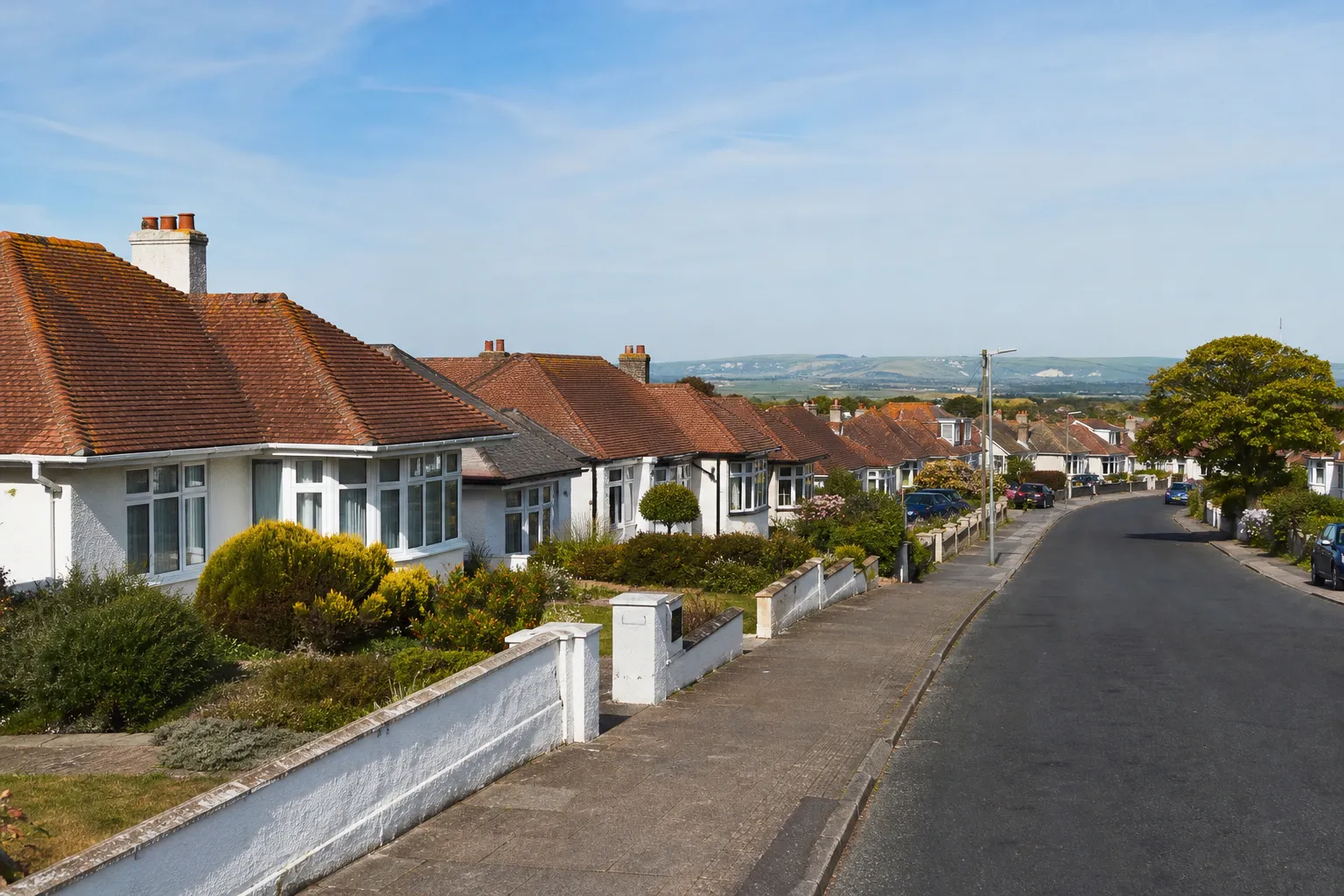
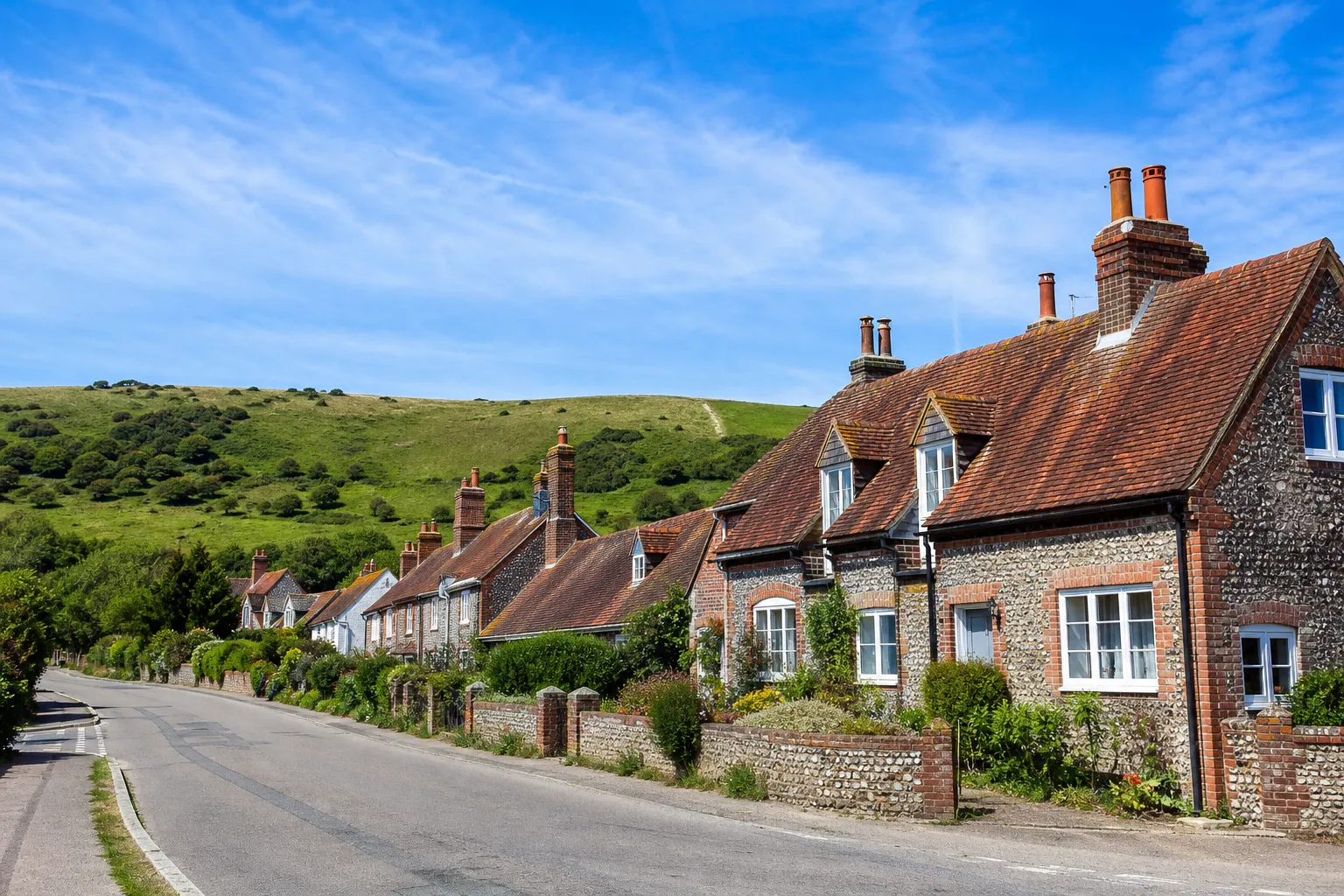
Ringmer lies at the foot of the northern slope of the South Downs, north-east of Lewes, in clay country with a long tradition of local brick, tile and pottery making.

Three parts of Ringmer's building stock

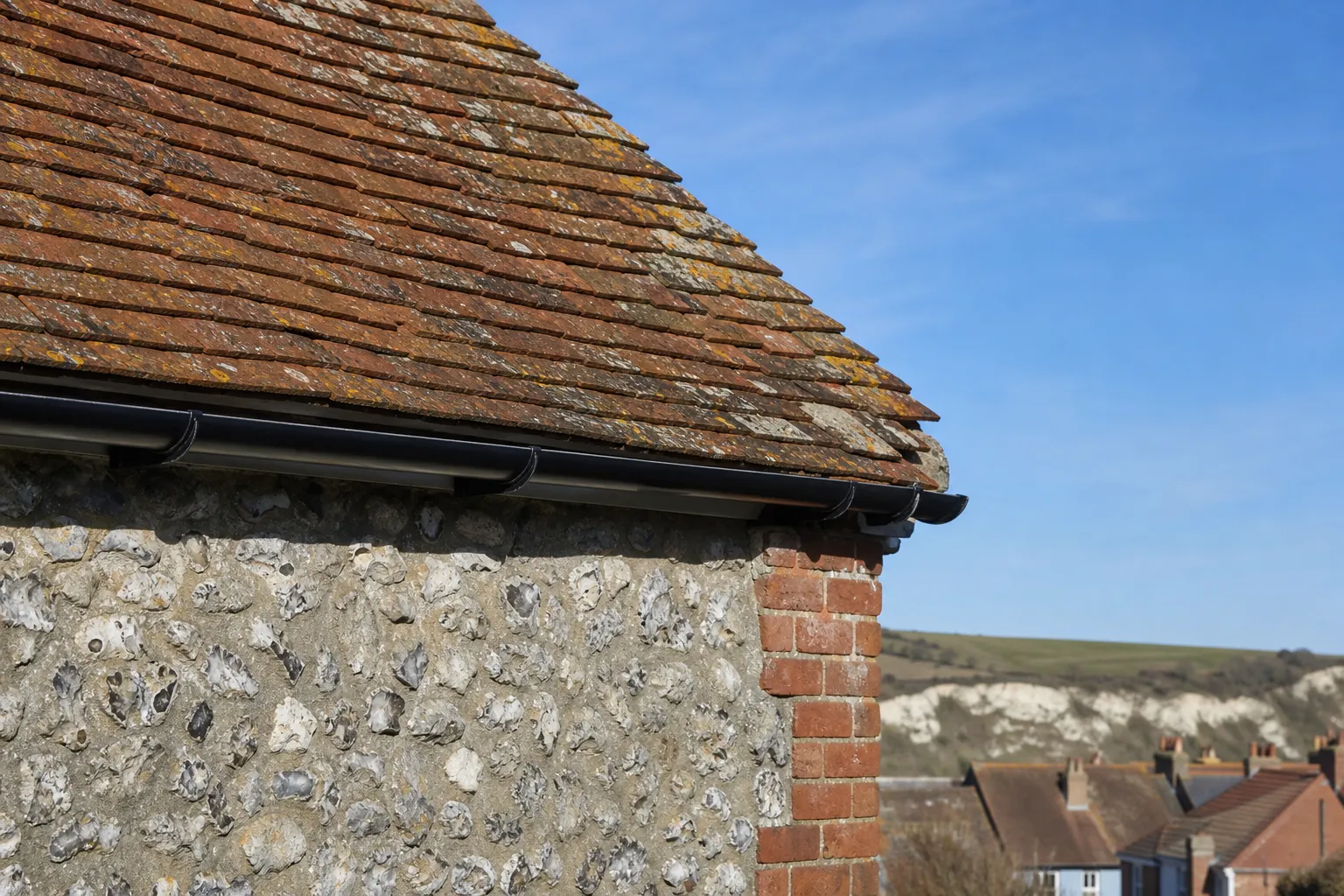
  • Old clay tiles on a roof

    Roofs in a village of brickmakers

    Eleven brickmaking sites in Ringmer, from the 17th century onwards, are listed in the Brickmaking in Sussex gazetteer.

    Read more about Roofs in a village of brickmakers

    Old walls and old roofs often age together here, so we judge tiles, flashings and chimney pointing as one system.

  • A church roof beside a green

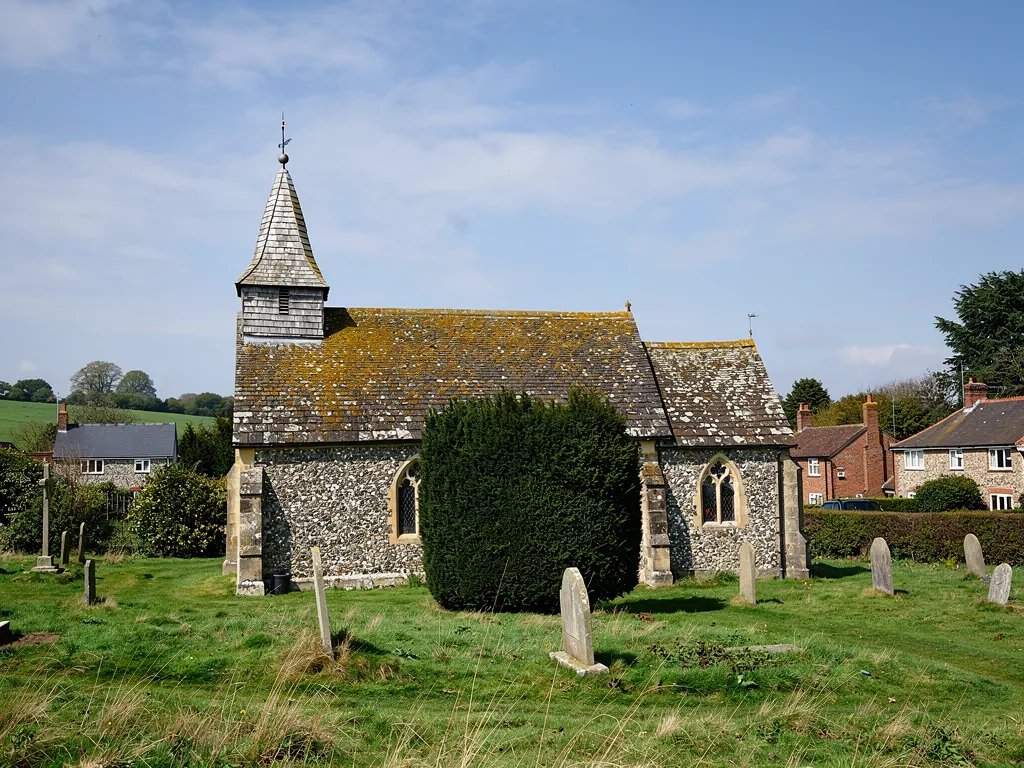
    St Mary's and the village green

    St Mary the Virgin stands close to the large village green. Its chancel and nave are 15th century, its two chapels early 16th and its tower a rebuild of 1884, each with roof junctions to keep watertight.

  • A listed house roof

    Houses in the conservation area

    The Ringmer Conservation Area holds 15 listed buildings, including Little Manor. Before any covering changes on an older house here, we check its list status and ask Lewes District Council's planning team what consent applies.

Street map of Ringmer, east of central Worthing, with a pin on the town.

Ringmer: the designations on file

Planning authority
Lewes District Council
Councils
Lewes District Council and East Sussex County Council
Conservation area
Ringmer Conservation Area, recorded by Lewes District Council
Article 4
None in Ringmer on Lewes District Council's list of directions
Listed examples
St Mary the Virgin church, Grade I; Little Manor, Grade II*
From central Worthing
23.7 road miles, east, about 33 minutes by car

Ringmer roofs

Clay, church and village green

How a village built on clay and brick shapes its roofs, and the checks we make before touching one.

Chapter one

Clay tile roofs in a brickmaking village

Ringmer's brickfields supplied bricks and tiles for Stanmer House and the Glynde Place stables, so judging the age of a clay roof comes first.

Clay tile was made in this parish for centuries. The Sussex Industrial Archaeology Society records the parish as lying on gault clay, greensand and weald clay, thought to have been a pottery-making centre since the Norman Conquest, and its brickfields supplied bricks and tiles for Stanmer House and for the Glynde Place stables. None of that tells you what is on any one roof, but it explains why we judge the whole covering before we touch a single tile.

At a glance

  • Marley reports a 60-year minimum for clay tile
  • MyBuilder says clay tiles need replacing after 40 to 60 years
  • Old peg-tile roofs cannot be judged by that figure alone

Knapped flint wall meeting the eaves of an old clay tile roof

1.1 How old is the roof, really?

Published lifespans give a starting point and not a verdict. Marley reports a Building Research Establishment finding that roof tiles last at least 60 years, while MyBuilder says clay tiles need replacing after 40 to 60 years. For old peg-tile roofs, an article in the Building Conservation Directory calls that 60 a poor yardstick, since hand-made tiles vary a good deal from one to the next. So we do not read age off a table. We lift a few tiles, look at the underside for flaking, check the nibs, the small lugs that hook each tile over its batten, and test whether the nails still grip. Sound clay on tired fixings is a different job from clay that is failing across the slope.

Knapped flint wall meeting the eaves of an old clay tile roof

1.2 Repair, re-fix or re-roof

Colour and texture matter as much as size. A new tile of the right dimensions but the wrong shade stands out for years, because clay weathers slowly, so we compare tiles in daylight on site before anything is ordered. Where the tiles are good, the answer is often to strip the slope, renew the battens and underlay, and lay the same tiles back, topping up with matching ones. Where tiles are flaking everywhere, a patch only delays the bill. Trouble gathered at one valley or one chimney tends to mean a repair; trouble on every slope tends to mean a new roof. We name the option we recommend and explain it with photographs taken on your own roof. Our roof repairs page sets out what a repair covers, and our roof replacement page covers a full re-cover. Tiles that come off a good roof are sorted by size and condition, so the best go back on the visible slopes and the rest are kept as spares for later repairs.

Published clay tile lifespans

Clay tile minimum life (via Marley)
60 years
Clay tile replacement (MyBuilder)
After 40 to 60 years
Old peg-tile roofs
A poor yardstick; judge each roof

Source: Marley (2016); MyBuilder slate roof cost guide, updated 21/08/2026; Building Conservation Directory
Chapter two

St Mary's, the green and Little Manor

A 15th-century church, with Tudor chapels and a tower rebuilt in 1884, stands among 15 listed buildings.

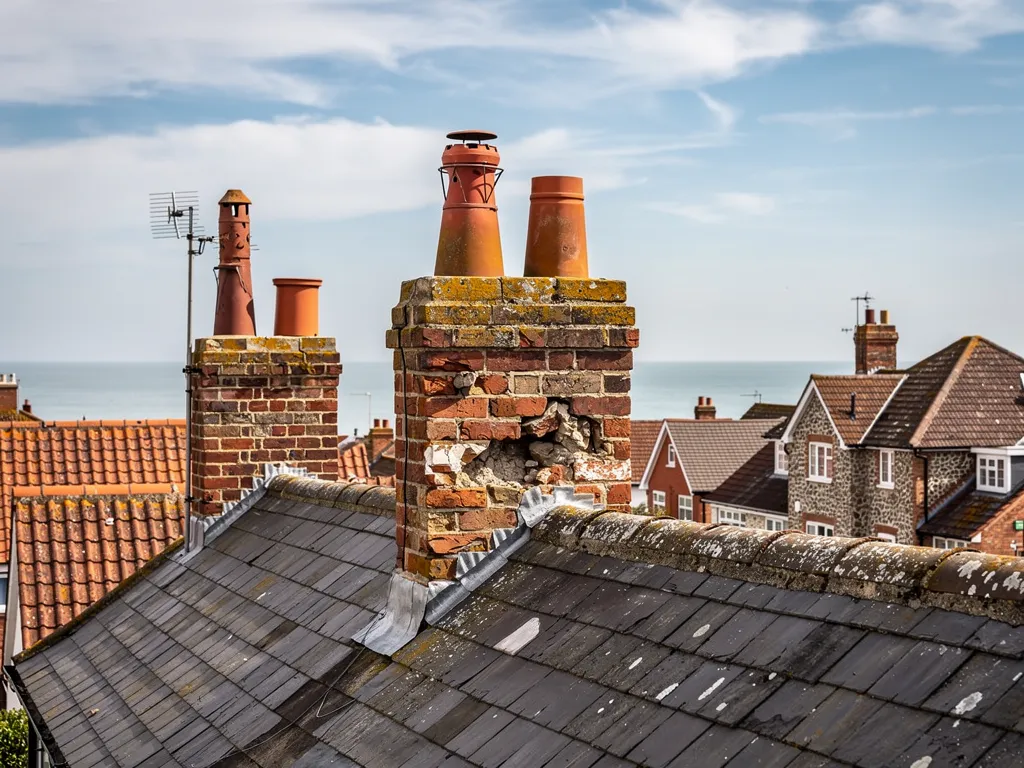
Victorian terrace chimney stacks with spalled bricks and old lead flashing

A Church Near You describes St Mary the Virgin as medieval work with two Tudor chapels and a 19th-century bell tower. Each of those parts has its own roof, and a bell tower roof is small and awkward to reach, so access can cost more than the covering itself. Water finds its way in at the points where one roof meets another. Where a chapel roof joins the nave, lead is dressed into the wall and over the tile to carry the water off. That lead is a flashing, and a valley lead is the same material laid in the fold between two slopes. Over a long life lead creeps, splits at its folds or lifts out of its joint, and a patch of sealant seldom solves it. If bats or a nest turn up, work stops until the right steps are taken, so we check the loft first on any church or manor roof.

At a glance

  • Its chancel and nave date from the 15th century
  • It has two Tudor chapels and a 19th-century bell tower
  • The conservation area holds 15 listed buildings
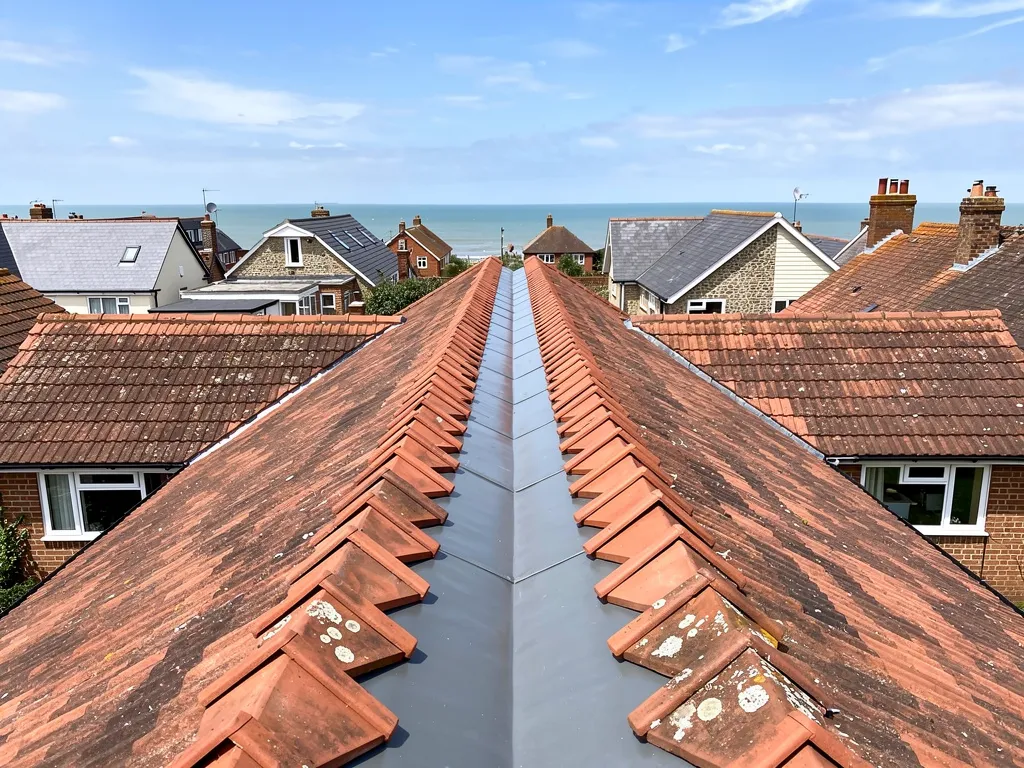
Lead-lined valley where two clay-tiled roof slopes meet

2.1 Whose approval applies

As long as services continue at St Mary's, approval for work comes through the Church's faculty system, not the district council. That process sits with the parish and its architect, and a contractor is brought in only once it has run. For the houses around the green the district council's rules apply instead, and they are worth understanding before you order anything. A quick conversation with the council costs nothing, and a wrong guess about a listed roof can mean putting the work right at your own expense.

Lead-lined valley where two clay-tiled roof slopes meet

2.2 Listed houses around the green

The Ringmer Conservation Area contains 15 listed buildings, among them the Grade I parish church and the Grade II* Little Manor. If your house is one of them, confirm its list entry first. The Planning (Listed Buildings and Conservation Areas) Act 1990 requires consent for works that alter a listed building's character, and a different tile, slate or lead can do exactly that. Repairs that put back what was there, in place, are another matter, which is why we match the covering and photograph before and after. Outside the listed houses the conservation area still shapes the village, and roof windows, replacement coverings and street-side chimneys are the points to raise with Lewes District Council's planning team. Our roof planning permission guide explains how the roof rules work.

What people sayRe-covering a listed roof in modern tiles counts as a simple repair.

What is trueA change of material can need listed building consent, while a like-for-like repair carried out in place usually does not.

Chapter three

Brick stacks, lead and the chimneys of Ringmer

On brick houses the chimney is often the first place a roof leaks, and the lead around it decides how long a repair lasts.

A village with eleven brickmaking sites in its history is a village of brick chimneys. On an older Ringmer house the stack stands high, takes the weather on all four faces and carries the roof's oldest joints. When a stain appears on a bedroom ceiling beside the chimney breast, the brick is rarely the first thing to have failed. More often the lead flashing, the metal strip where stack meets slope, has lifted or split, or the pointing between the bricks has weathered back and let rain in. We trace it from the loft, then go up and photograph the stack so you can see the same thing we do.

At a glance

  • Chimney leaks often start at the lead, not the brick
  • Leadworx calls code 4 the standard for general flashing
  • A chimney breast cannot come out without Building Regulations approval
New lead valley between two slate roof slopes

3.1 Pointing, flaunching and lead

Repointing renews the mortar between the bricks, and MyBuilder puts a typical job at around £750, within a range of £500 to £2,000. Flaunching is the mortar slope around the base of the pots, built to shed water; when it cracks, rain runs straight down the flue. Lead flashing comes in codes by thickness. Leadworx describes code 4 as the usual weight for ordinary flashings, and code 5 is thicker for places that need it. The lead should be set into a slot cut along a brick course and wedged tight, not smeared over with mastic, because sealant tends to give up quickly. Reaching a stack safely often needs scaffold of its own, and MyBuilder gives £400 to £900 for chimney scaffold, so it is worth asking whether a quote counts it. Our chimney repairs page covers the whole stack from pot to roof.

New lead valley between two slate roof slopes

3.2 Taking a chimney down

Some owners prefer to be rid of a stack that has stopped being used. The Planning Portal states that Building Regulations approval always covers the removal of a chimney breast, since a breast forms part of the structure, and removing a chimney from a party wall also calls for notice to the neighbour under the party wall rules. Taking only the stack above the roof is a different question and the rules may differ. Whichever you choose, the roof must be made good where the stack came out, with the tiles and battens reinstated properly and not just covered over with a sheet.

National price guides for stack and lead repairs

  • Lead patch repair£150 to £250
  • Lead replaced, no scaffold£350 to £460
  • Chimney repointing£500 to £2,000
  • Chimney stack rebuild£2,000 to £10,000+

These are national guides; the written quote for your stack is a single total, sent after the stack has been photographed. Source: MyJobQuote, updated 22/09/2026; MyBuilder chimney repair price guide, updated 21/08/2026.

Ringmer questions about clay tiles, listing and chimneys

How do you judge the age of an old clay tile roof in Ringmer?

Published lifespans only give a range, and one Building Conservation Directory article says the 60-year figure is a poor guide to hand-made peg tiles. So we look at the roof itself. We lift a few tiles, check the undersides for flaking, test the nibs and nails, and see how the battens have held. Pictures of what we found accompany the written quote, so the decision to patch or to renew rests on evidence you can see for yourself.

Can I re-cover my roof in a different tile inside the Ringmer Conservation Area?

You can ask, but it needs thought. Laying the same covering again rarely needs a planning application, whereas a different material changes how the village looks. Lewes District Council's list of Article 4 directions names none in Ringmer. Raise roof windows, new materials and street-side chimneys with Lewes District Council's planning team first, and remember that a listed house can need listed building consent for a change of material, even when the new tile is only slightly different in colour or texture.

Whose approval covers roof work at St Mary the Virgin?

Anglican churches still used for worship fall under the ecclesiastical exemption, so approval runs through the Church's faculty system and not the council's listed building consent. The parish and its advisers manage that, and any roofer works to what they have approved. Should a church ever close, the exemption ends and the council's listed building controls take over, so the answer can change with the building's use.

Do I need building control for a re-roof on a house near Ringmer green?

Often not for a straight re-cover. The Planning Portal says an application is normally unnecessary while the work touches under 25 per cent of the building envelope and under 50 per cent of the roof. A bigger job, a structural change or a covering 15 per cent or more heavier needs approval, and the roof may then need insulating to current standards under Part L. At survey we explain which route fits and look after the paperwork where the work is notifiable.

Tell us about your roof

Describe what is happening and we will call you back to arrange a visit.

  • Photographs of what we find
  • A written quote with one total price
  • Or call 01903 299063

10-year workmanship guarantee, in writing.

Call Get a quote
