Chapter one
Clay tile and slate across Lewes streets
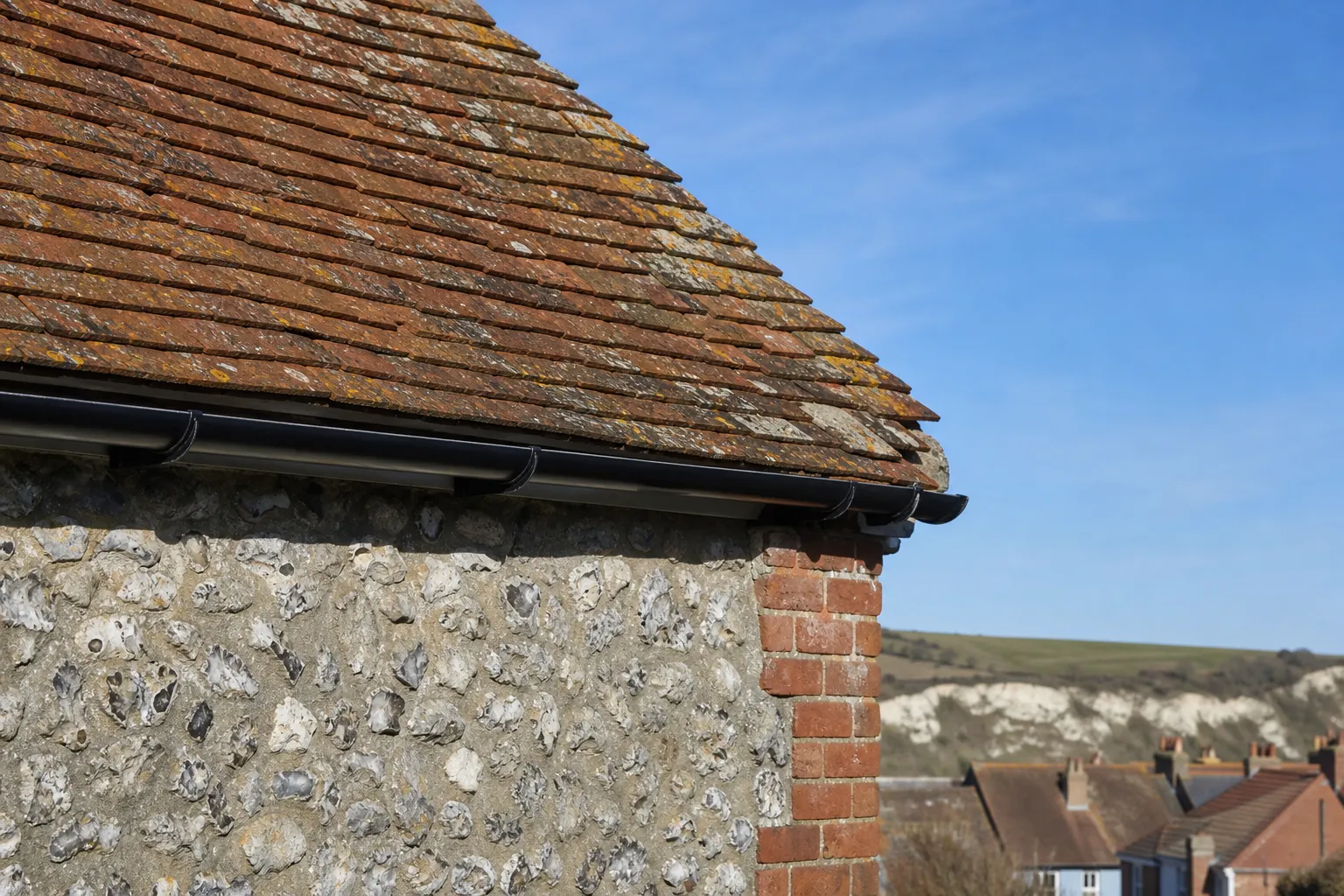
Clay tile predominates in the earlier quarters, slate arrives from the late 18th century, and handmade tiles replaced much of the thatch.
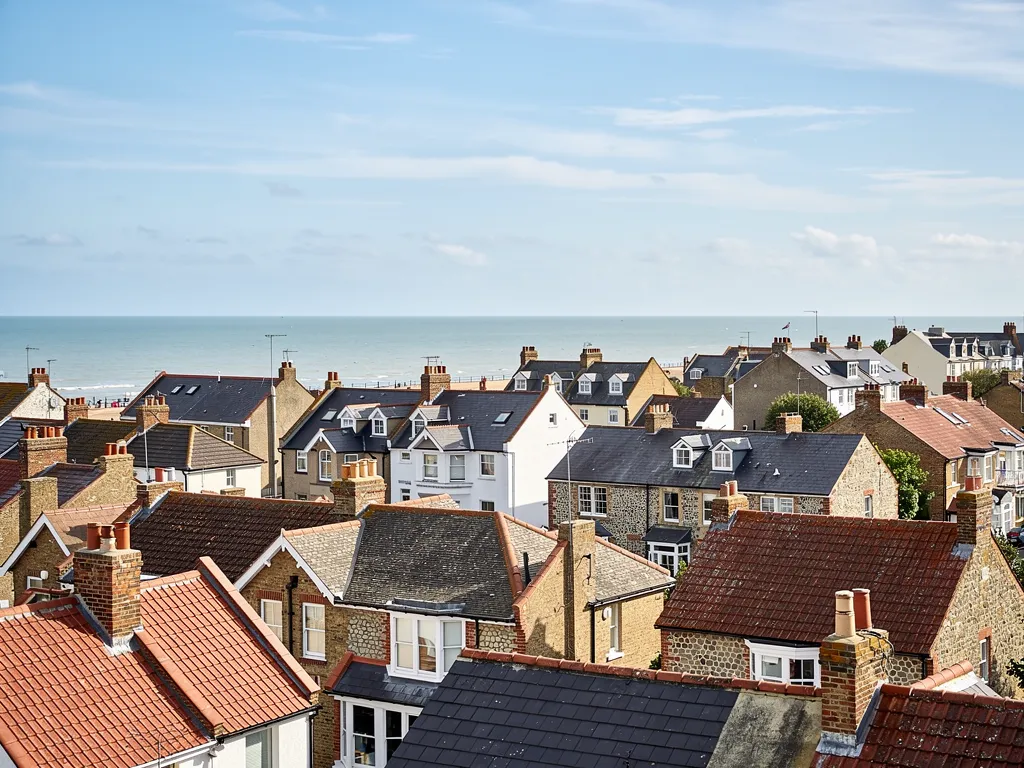
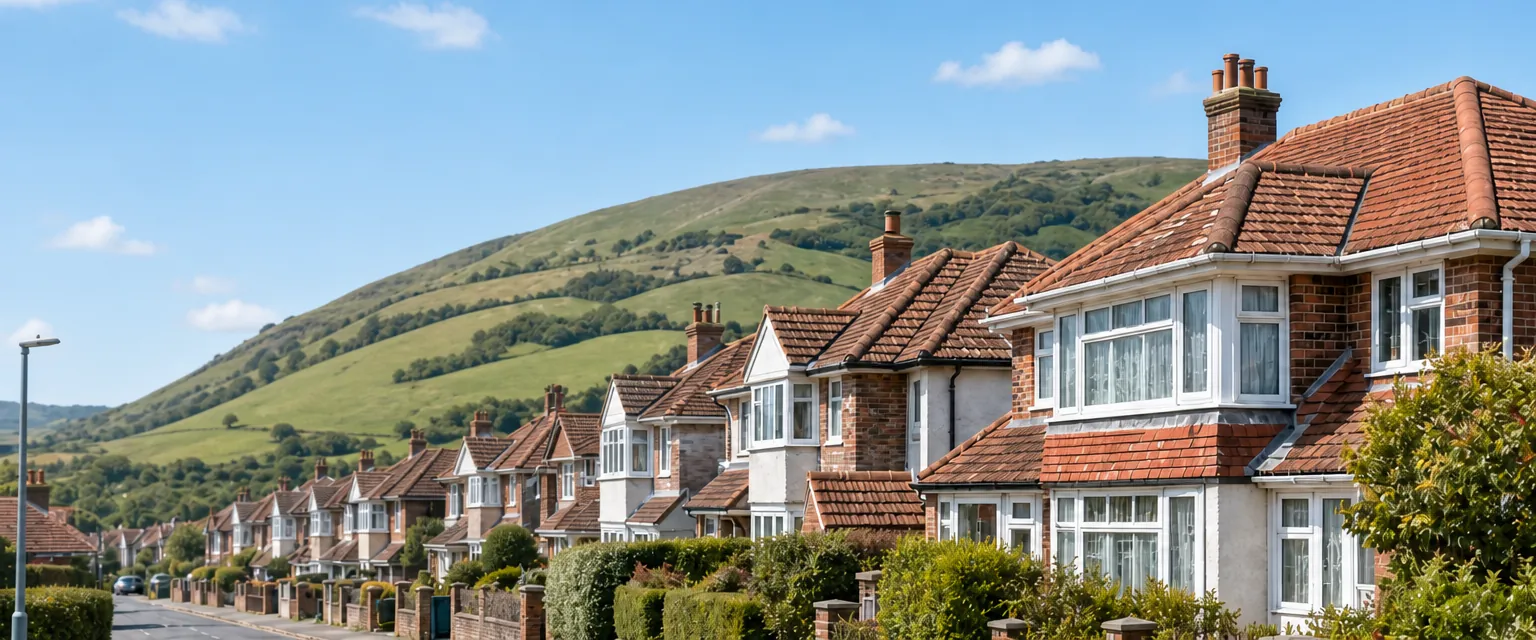
A town that has been lived in for many centuries collects roofs the way a river collects silt. The South Downs National Park Authority's conservation appraisal for Lewes says that clay tiles predominate in the areas developed earlier, that slate is more common on buildings from the late 18th century on, and that handmade clay tiles now cover many of the medieval buildings that were once thatched. On the villas of the Wallands, clay tile is the norm. For anyone repairing a roof in Lewes, that is a practical map: find out which period the house belongs to, and the covering usually follows from it.
At a glance
- Clay tiles predominate in the earlier-developed areas
- Slate is more common from the late 18th century
- Clay tile is the norm on the Wallands villas
1.1 Matching what is there
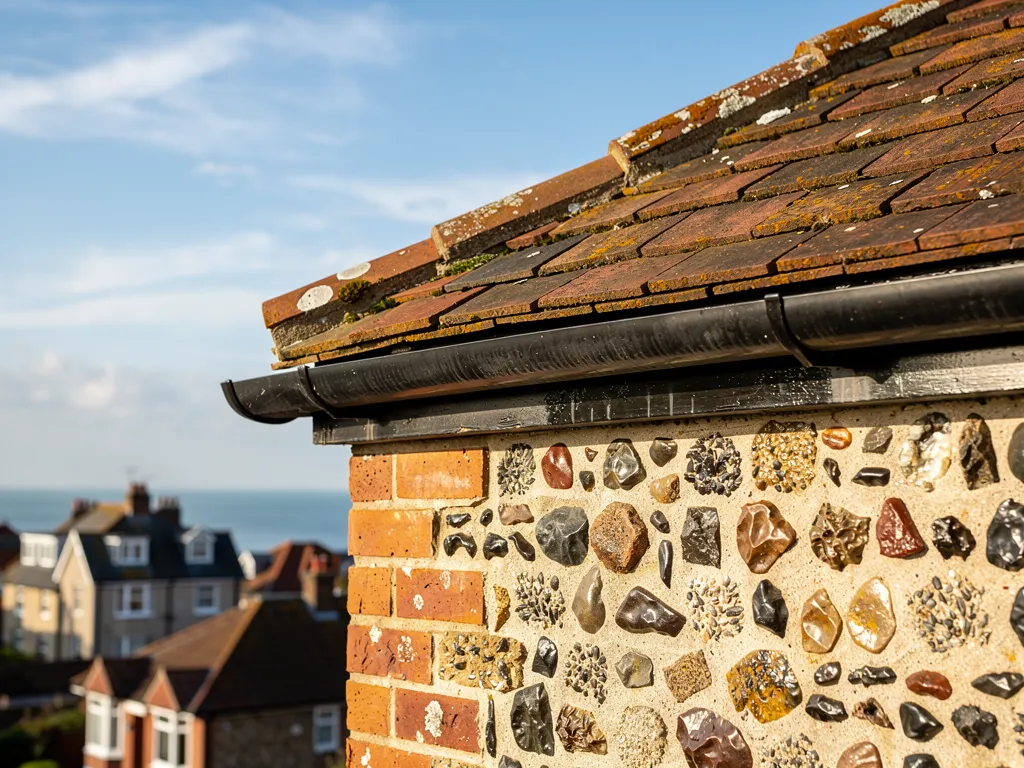
Handmade clay tiles are not uniform. Colour, camber and texture vary from tile to tile, and that variation is part of why an old Lewes roof looks as it does. A repair done in a flat factory tone stands out for decades. So we hold a candidate tile against the old ones on the roof itself, in daylight, before anything is ordered, and we photograph the match. The Building Conservation Directory describes the standard 60-year figure as unreliable for very old peg-tile roofs, so what the survey finds counts for more than the age on a drawing.
1.2 Slate on later buildings
On the later slate roofs the common faults are slipped slates, rusted fixings and failed lead at valleys and chimneys. MyBuilder describes Welsh slate as regularly lasting over a century, so a slate roof with a handful of problems is nearly always a repair. We lift a slate to look at the nails and the battens beneath, and we replace only what has failed. Our slate roofing page covers re-slating and repair in detail. Where the property is listed, ask before changing anything, because replacement in non-matching materials is the kind of change that needs consent.
1.3 Ridges on old clay roofs
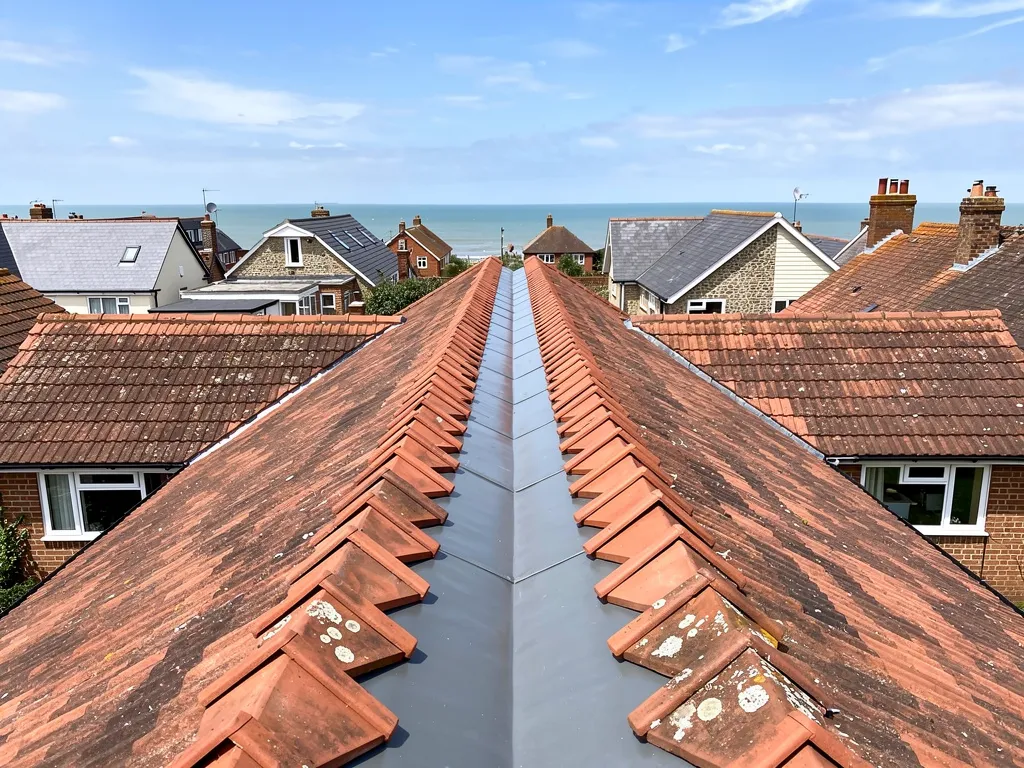
Ridges and hips are the most exposed lines on a clay roof. Since the 2014 revision of BS 5534, a bedded ridge tile is held by a mechanical fixing alongside the mortar, and Marley notes that the 2018 amendment clarifies the scope for heritage roofs, saying its recommendations may not suit them, and advises consulting the planning authority and conservation experts. In a conservation area that advice is worth following: for a prominent roof we agree the ridge detail with the planning officers first, and we photograph the old ridge before it is touched.
What the Lewes appraisal records about roof coverings
- Earlier-developed areas
- Clay tiles predominate
- Late 18th century onwards
- Slate more common
- Medieval buildings
- Handmade clay tiles now cover many once-thatched buildings
- The Wallands villas
- Clay-tiled, with few exceptions
- Horsham stone slate
- Rare; examples in Southover
Source: South Downs National Park Authority, Lewes Conservation Area Appraisal and Management Plan (2023)