Chapter one
Flashings and valleys on Sea Lane's old-style houses
A roof drawn to look old has more meeting points than a plain gable, and each one depends on lead rather than tiles.
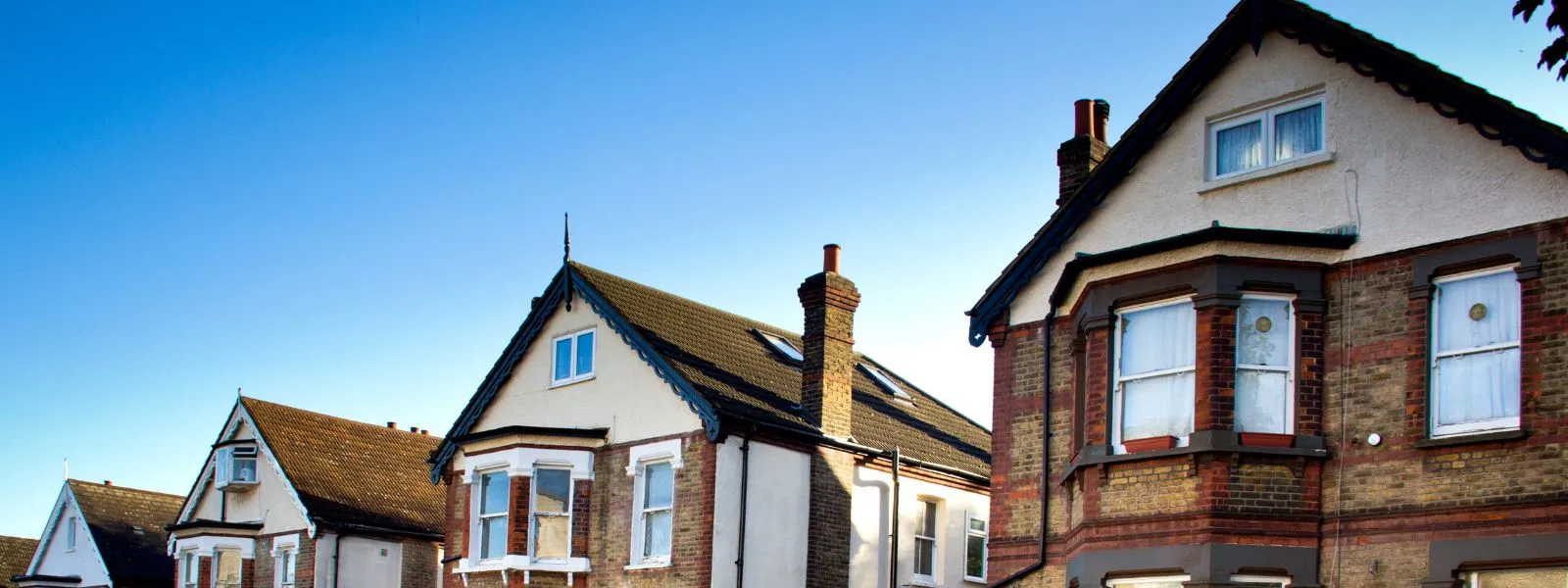
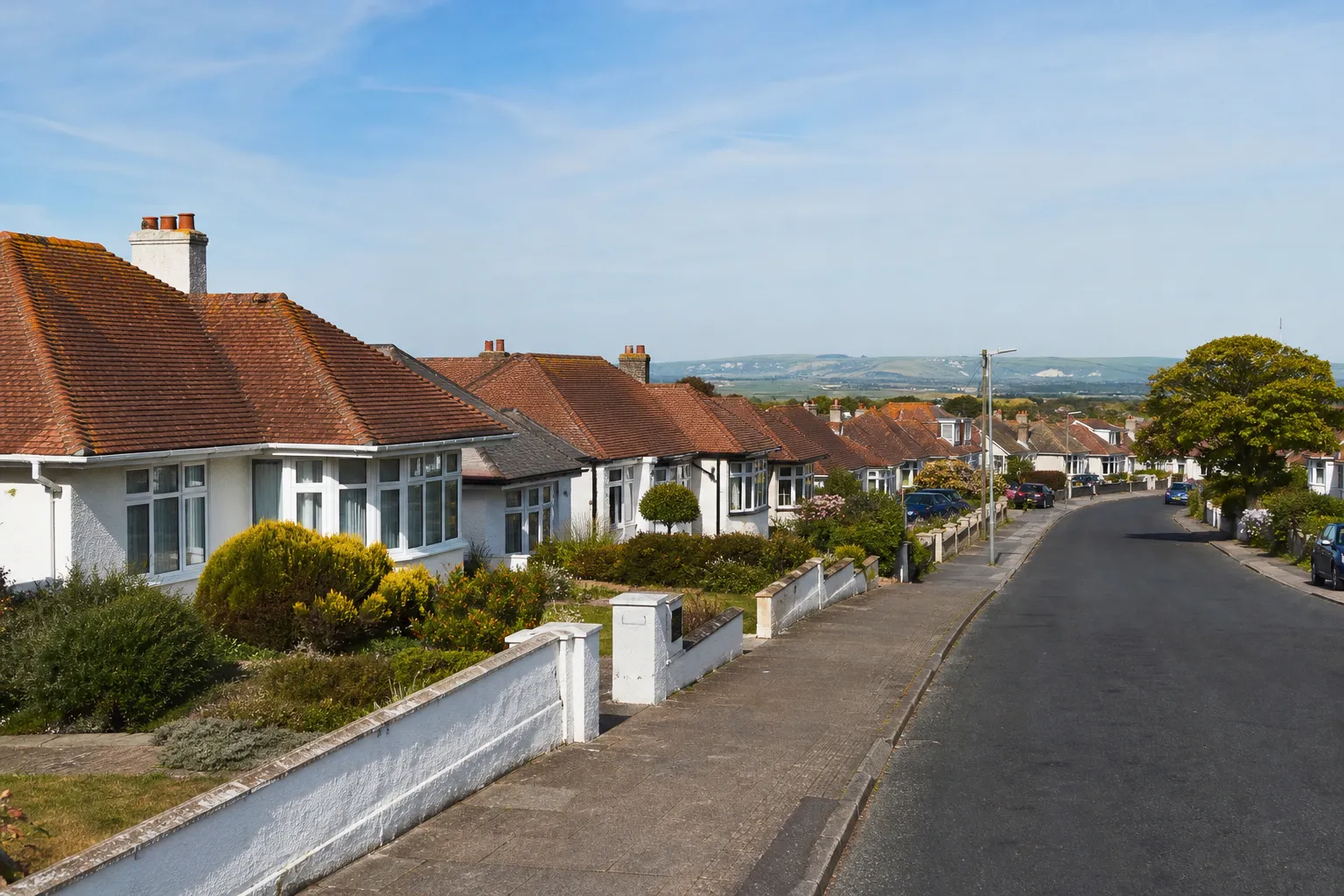
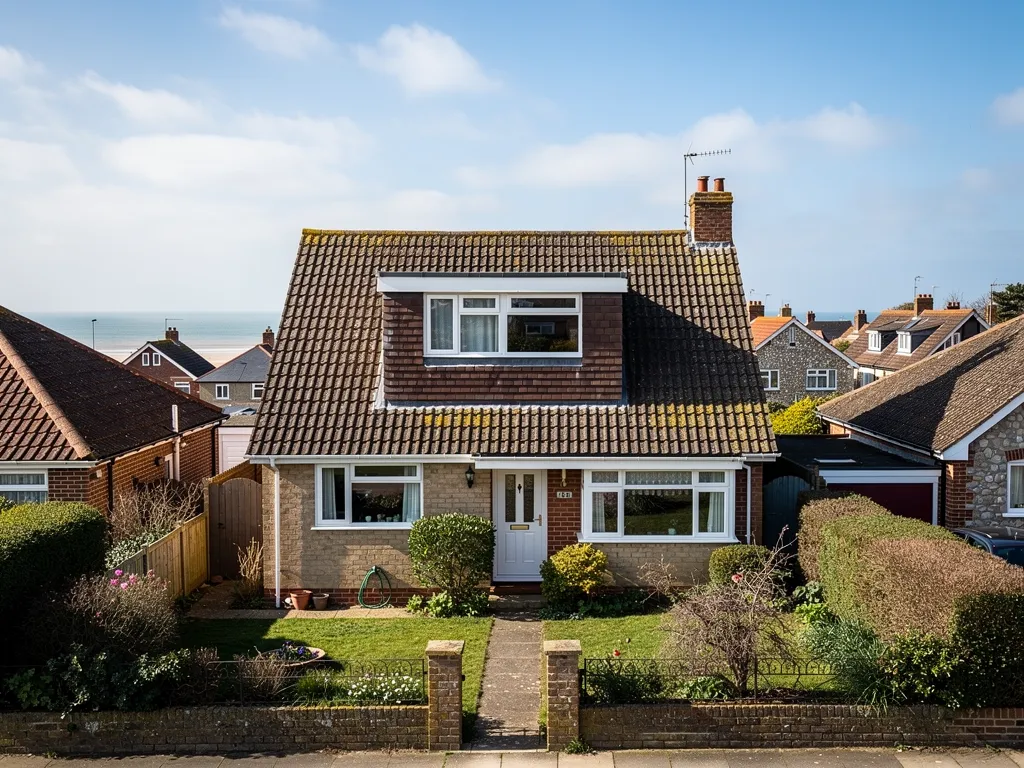
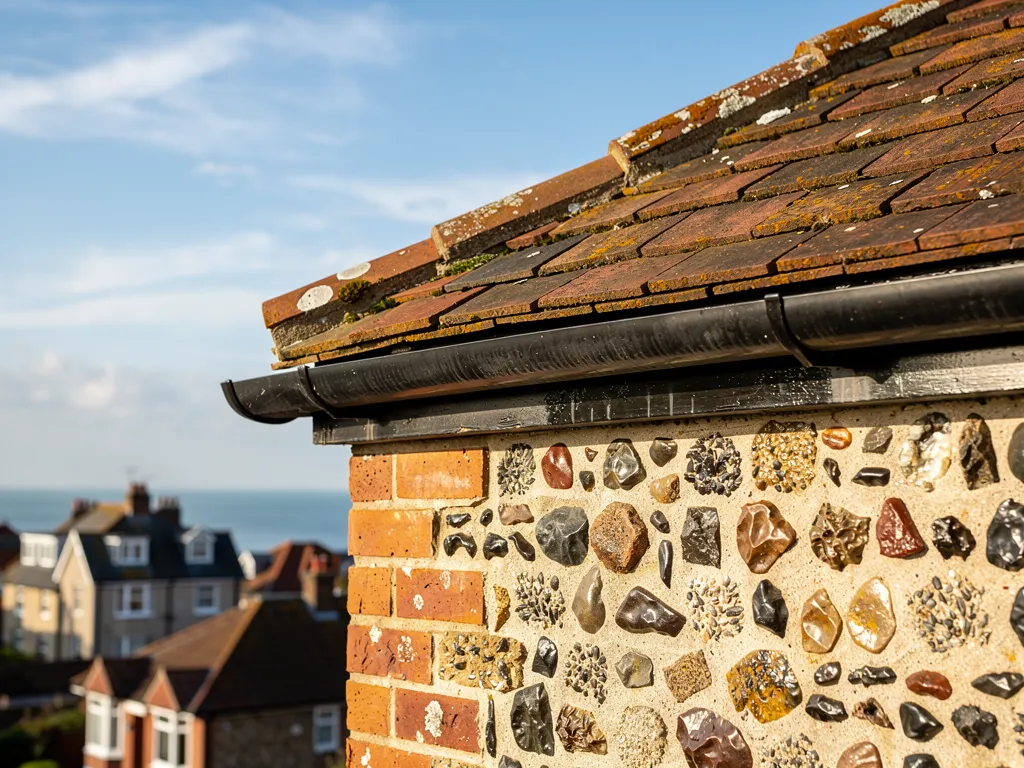
A house drawn to look old seldom has a simple roof. The developer Coldicott, who laid out his Middleton land after 1921, set out to create an effect of medieval rusticity and designed many of the Sea Lane houses himself, the Victoria County History says. Where that look came from extra bays, porches and chimneys, the roof gained extra planes with them, and every point where one plane meets another, or a wall, is a joint that tiles cannot seal alone.
At a glance
- Flashings and valleys seal every join between roof planes
- Lead is sold by code, and the code matters
- A ceiling stain sits away from the real opening
1.1 Flashings, soakers and valleys
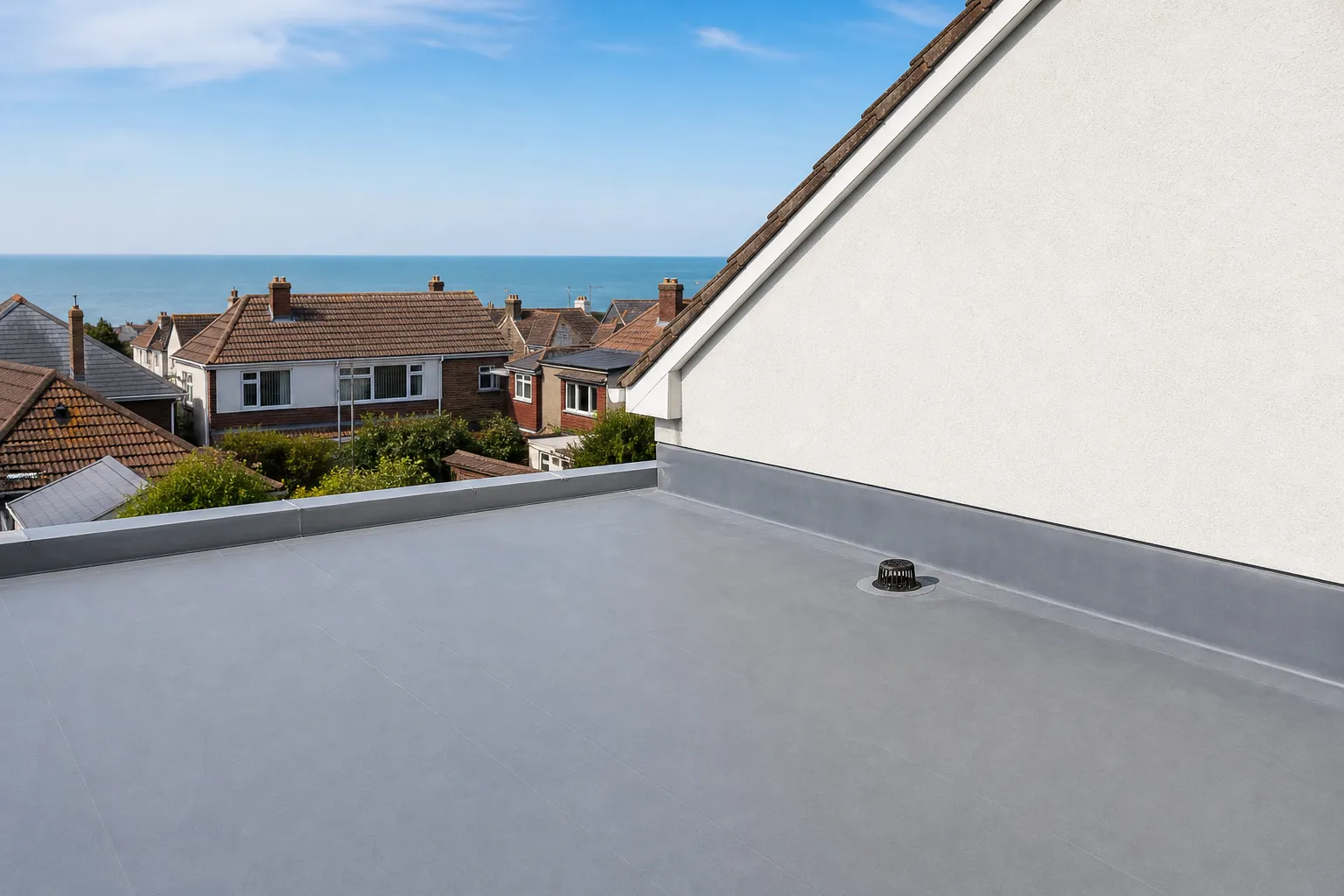
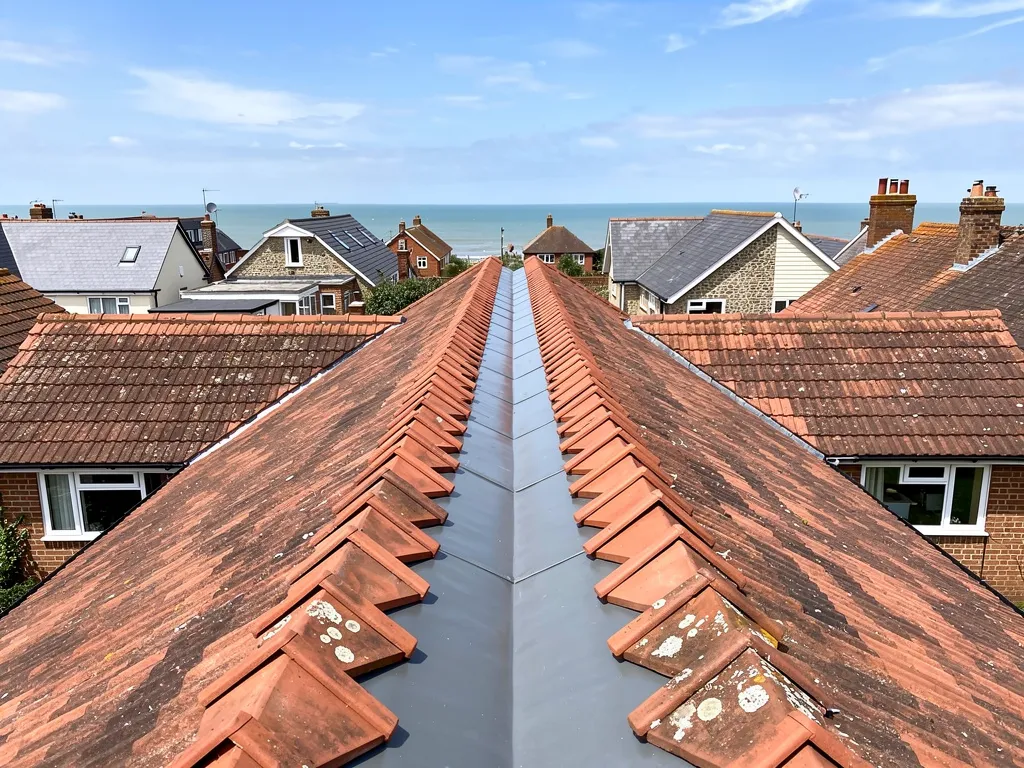
Flashing is lead sheet dressed over a junction, say where a slope butts against a wall or climbs past a chimney stack. A soaker is a small bent piece of lead tucked under each course of tiles along that junction. Where two slopes meet in an inward corner, that corner is a valley, and rain from both runs down it, so a fault there announces itself quickly. Sheet lead is graded by thickness into numbered codes. Leadworx lists Code 3 as for soakers only and Code 4 as the standard pick for general flashing, which is the sort of detail our written quote spells out for your roof.
1.2 Tracing a stain to its source
The brown mark on a ceiling is seldom directly under the opening. Water travels along battens, felt and rafters before it drips, which is why we climb into the loft and then work up the slope from the stain. What we are hunting is lead that has lifted or split, a bead of sealant or a mortar fillet smeared on as a quick patch, and valley linings worn thin. Patches like that only hide the failure, and the next gale finds it again. Chimney stacks get the same scrutiny, because the lead around a stack takes the weather from every side.
Where the flashing is sound it stays, and the job stays small. Where it has gone, we dress a new length of lead into the joint and photograph before and after, so the evidence is your own roof's. Our lead roofing page covers the materials and methods in full.
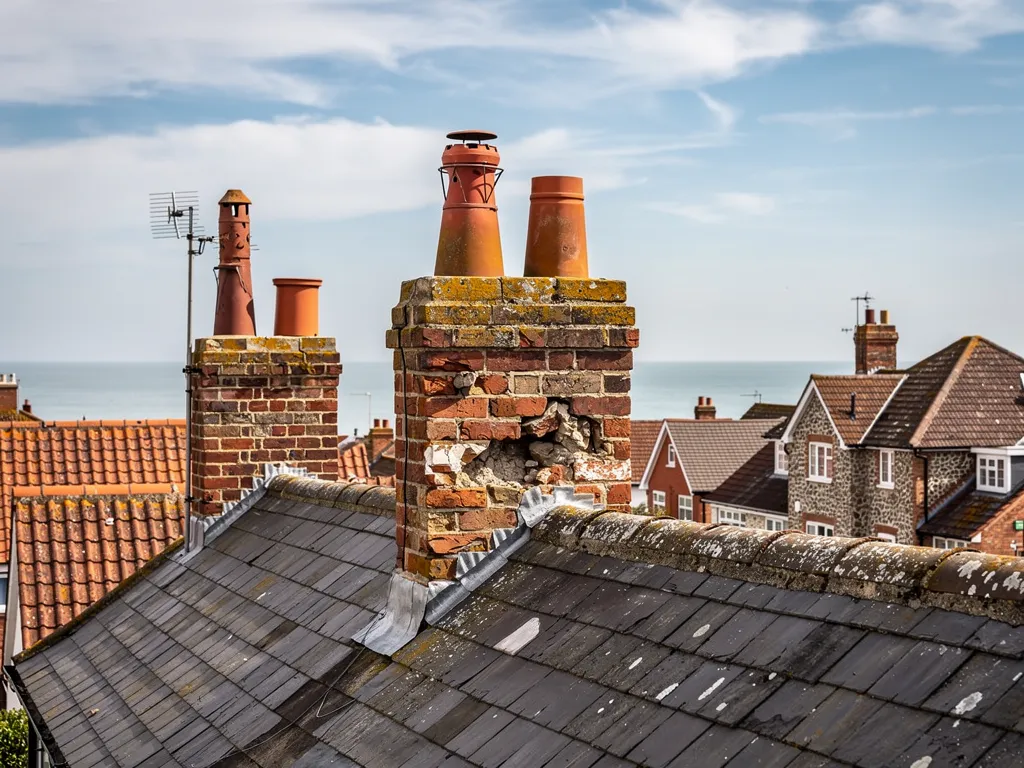
Fig. 1 On the survey A flashing lifting away from the wall