The roof faces the worst of the weather, so it is natural to assume buildings insurance simply covers it. In practice a policy covers named causes of damage. A roof that failed slowly over many winters sits in a different category from one that was damaged on a particular night, and many disputes come down to which of those two stories the evidence supports.
This guide gives the general picture: what a storm claim rests on, why gradual damage and wear and tear are the usual sticking points, where accidental damage fits, and what an insurer or the Financial Ombudsman Service looks at when a decision is challenged. It is not advice on your own policy. Wording differs between insurers, and your schedule has the final say.
The practical steps of a claim, including photographs, temporary repairs, loss adjusters and what to do after a refusal, are covered in our storm damage insurance claim guide. Here the aim is to help you understand cover before anything goes wrong: at renewal, when buying a house, or while looking at a roof that has begun to show its age. For the wider picture of roof care, start from our home page.
Storm damage is the cover a roof leans on
Buildings policies generally name storm as an insured cause, and the roof is where storm damage shows first: tiles lifted off a hip, a ridge pushed sideways, slates slid from their courses, lead peeled back from a chimney. The policy treats these as sudden events with a cause and a date.
When a storm complaint reaches the Financial Ombudsman Service, its reasoning runs along three lines. Did a storm actually occur on the date in question? Is the pattern of damage typical of wind and rain? And was the weather the true reason the roof failed, or would something else have brought it down regardless? Its definition of a storm centres on violent winds, usually accompanied by rain, hail or snow. Your insurer is likely to think along the same lines.
What counts as a storm
Many policies pin a storm to a defined gust speed rather than to how rough the night felt. Which? reported in November 2025 that insurers often work to such a definition, so a breeze can fall short of it. A stiff wind that loosens one old tile may not qualify, while a named storm that strips a slope is far more likely to.
The same article quotes the regulator's figures: 32% of storm-related claims made in 2024 ended in a payout. No outcome is automatic, even for a roof that plainly lost tiles in a gale.
Whether a particular gust qualifies depends on the weather record for the day and the wording in your policy. A roofer can describe what the damage looks like on the roof itself. Fresh breaks, clean exposed timber and ridge tiles found in the garden point to a recent event, while a slope already patched with moss and rusted nail heads tells a different story. That description, with dated photographs, is evidence you can pass on.
Gradual damage and wear and tear: where claims stall
Exclusions for damage that builds up over time are common in policies, according to the Financial Ombudsman Service. Which? gives a plain example of wear and tear: a poorly maintained roof that lets water into the house. The reasoning is that insurance exists for the unexpected, and a roof ageing at a normal rate is something the owner is expected to maintain or eventually replace.
One point helps policyholders. The burden sits with the insurer, which must show that the exclusion really applies, not merely cite it. So the question becomes what the roof itself shows.
Reading the signs of slow damage
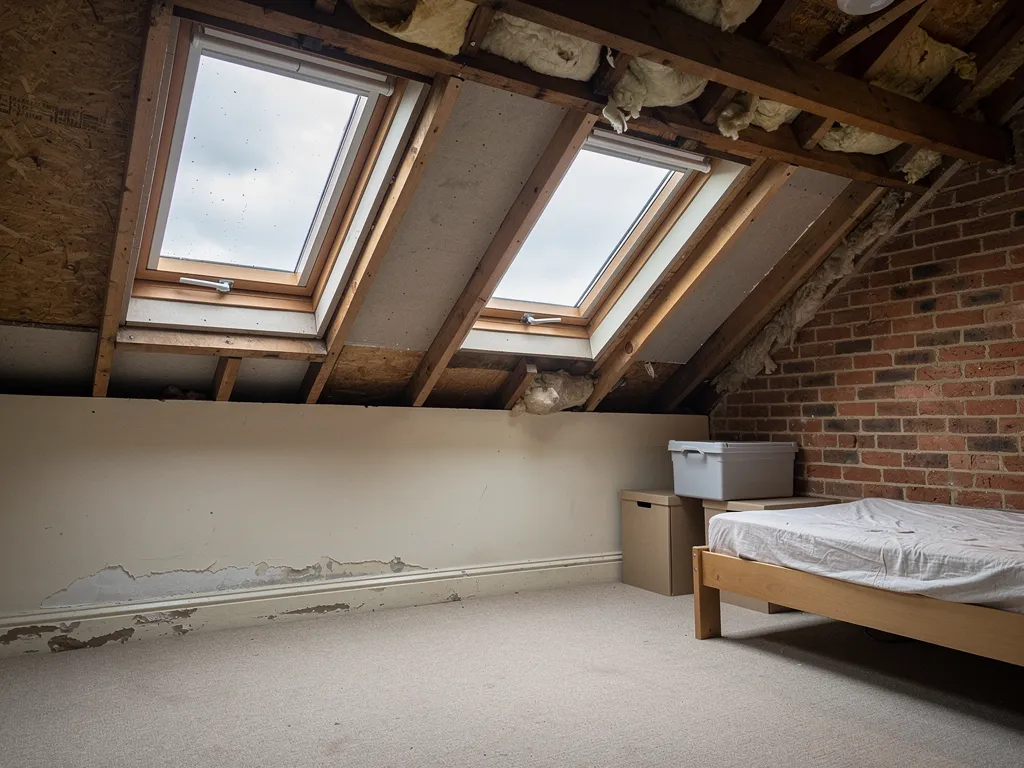
A roofer reading the evidence looks for slow processes. Slate nails that have rusted through, known as nail sickness, let slates slide out one at a time over years. Mortar that has crumbled from a ridge or a chimney shoulder does the same. Timber battens softened by repeated wetting, underlay gone brittle and ceiling stains with several tide rings all suggest water has been entering across many seasons, not on a single night.
The storm that finishes an old roof
The hardest case is a tired roof that fails in a gale. The Ombudsman's reasoning applies directly: would the damage have happened anyway? If a sound roof of the same age would have come through, the storm was the main cause. If the covering was already loose, the insurer may argue the opposite.
Our guide to wear and tear and roof claims goes through that dispute in more detail. The most useful thing to bring to it is a record of how the roof looked before the event, which is why maintenance photographs are worth taking.
Accidental damage and the cover you may have added
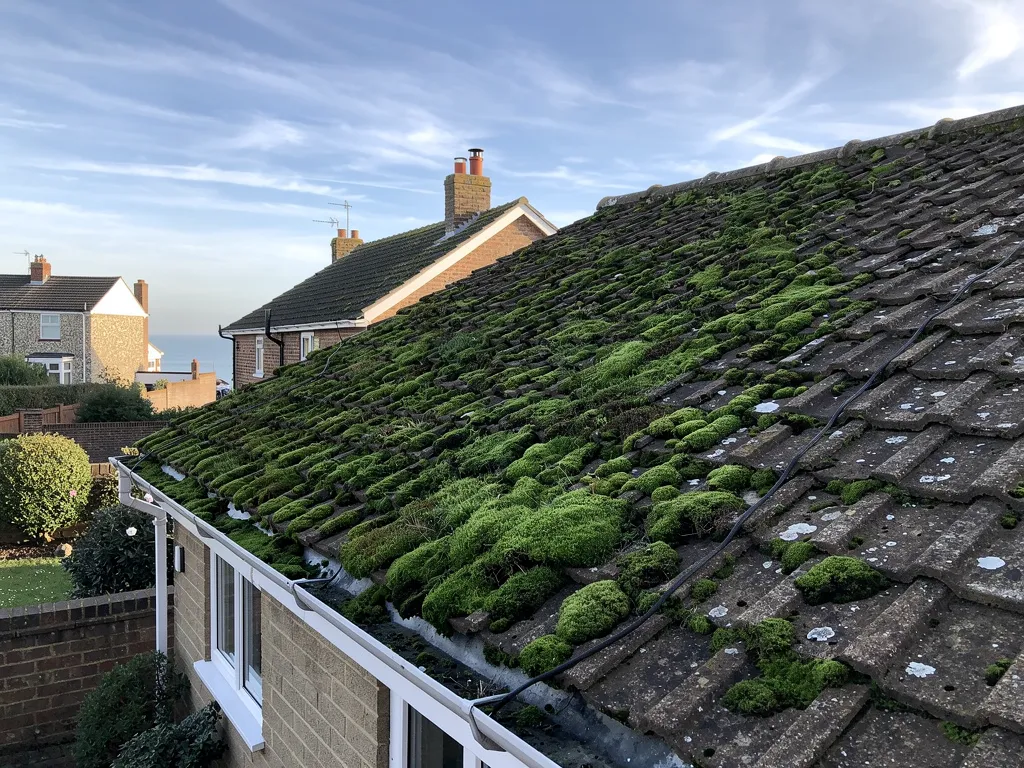
Accidental damage is a separate heading from storm, and many policies treat it as an option chosen at renewal, not something every buildings policy includes. Check your schedule for it. Where it is listed, it is aimed at one-off mishaps: a foot through a rooflight, a dropped tool that cracks a tile, a ladder that dents a gutter. It is not meant for the slow decline of a covering.
That distinction matters when the cause is disputed. A broken tile after a tradesperson worked on the roof is accidental. A broken tile on a slope with a long history of slippage may be argued as wear. The timing of the damage, and who was on the roof, count for a lot. Our page on accidental damage to a roof looks at typical cases.
Buildings cover and contents cover
Rain that comes through a damaged roof can wet the ceiling, the plaster and the carpets. Under most arrangements the fabric of the house, including ceilings and fixed fittings, falls under buildings insurance, while your belongings fall under contents cover. Both still depend on the cause being an insured one. If the cause is excluded wear and tear, the damp ceiling below it is unlikely to be paid for either.
Landlords, leaseholders and flats
In a flat the roof may be insured by the freeholder or a management company through a block policy, with your own policy covering only contents and internal finishes. Ask for a summary of the building policy before assuming the roof is looked after, and find out who reports damage. A tenant should report a leaking roof to the landlord in writing and keep a copy.
What insurers and loss adjusters look at
An insurer weighing a roof claim is trying to answer three things: what happened, on which date, and if the roof had been kept in reasonable order beforehand. Almost everything they ask for feeds those questions.
The date of the event comes first, because the storm test is tied to a day. Report damage promptly, and write down when you first noticed it and what the weather was doing. Photographs come next. Wide shots of the whole elevation show the setting; close shots show the break itself. Stand on the lawn or lean from a window to take them, and never climb onto the roof.
Condition before the event
The age and covering of the roof, earlier repairs and the maintenance record all feed the wear and tear question. Invoices for past work and a recent inspection report carry weight because they show the roof was looked after. With no record at all, the insurer has only the damage to go on.
Emergency work and the order of events
When water is coming in, you can stop it getting worse. The usual advice is to contact the insurer early, and to speak to them before anything beyond an emergency make-safe. Keep any removed material and every receipt. Our pages on repairing before the insurer has seen the damage and photographs for a roof claim cover the sequence step by step.
If the insurer sends a loss adjuster, that person assesses the claim on the insurer's behalf. They may want to inspect the roof and will look at the same evidence, so photographs and any written roofer's findings saved in one place speed things up. Read what a loss adjuster does on a roof claim for what the visit involves.
Flat roofs, conservatories, garages and chimneys
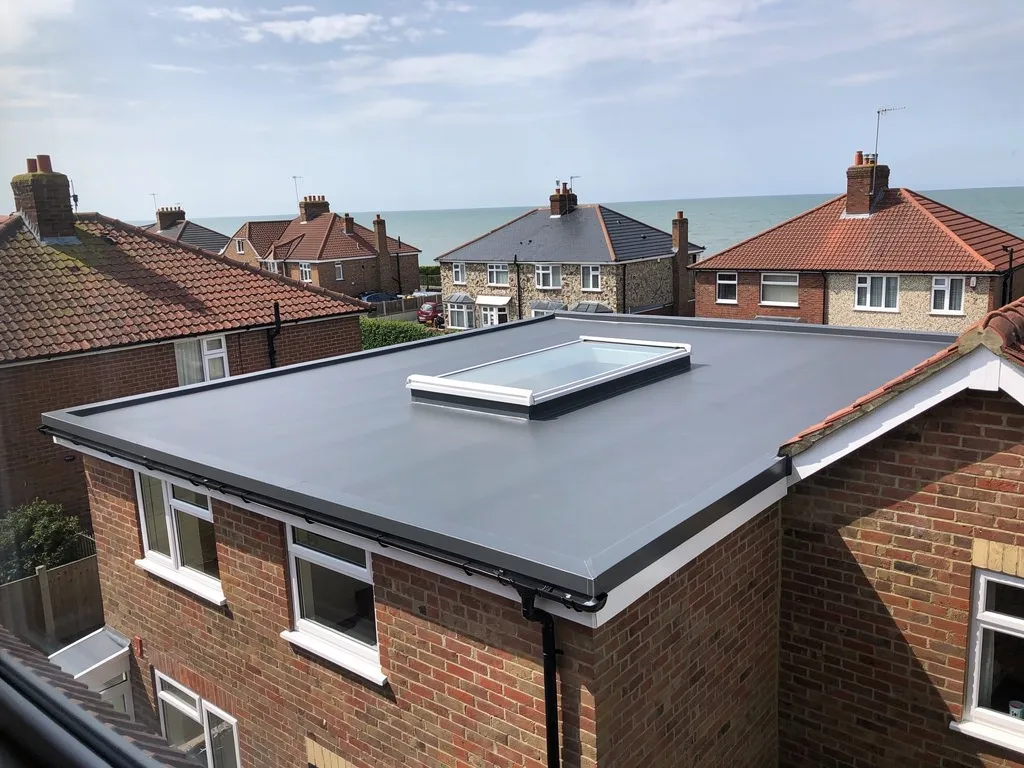
Not every roof on a property is treated alike. Policies can handle outbuildings, conservatories and flat-roofed extensions differently from the main house, and some attach conditions about maintenance. The only reliable approach is to read the schedule and wording for each structure, instead of assuming the cover on the main roof stretches everywhere.
Flat roofs
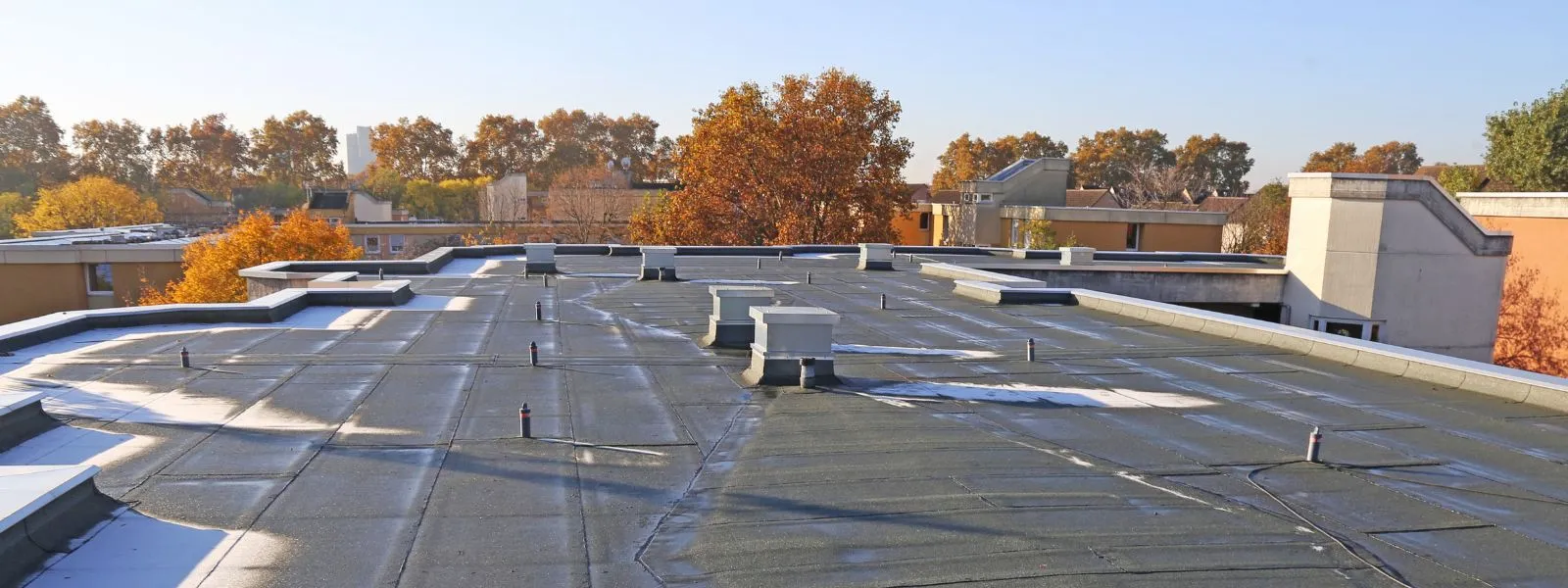
A flat covering has a shorter typical life than a pitched slope. MyBuilder gives a typical UK figure of 15 to 30 years for flat roofs generally. A membrane that has simply run out its natural life is a wear and tear matter, whereas one punctured by a fallen branch is a different event. Ponding, blistering and open seams build slowly, so the maintenance record is again the main evidence. Our page on flat roofs and house insurance goes into the details, and it is worth reading before a renewal if your extension has one.
Conservatories and garages
Conservatory roofs are often glass or polycarbonate, and some policies treat them differently from the main structure. Garage roofs may be corrugated sheeting or felt on a timber deck. If an older garage roof has asbestos cement sheeting, the way damage is dealt with changes, so read about garage roofs and insurance before arranging any work. The same applies to a conservatory roof, where glazing and framing are separate questions.
Chimneys and gutters
Stacks and gutters belong to the roof system, but cover for them can come with its own conditions, and a leak that begins at a chimney flashing or a blocked gutter is often argued as maintenance. Our guides on chimney insurance and gutter insurance set out what is worth checking before you need them.
When a claim leads to new work: consents and paperwork
Where a claim is accepted but the work goes beyond a tile-for-tile repair, you need to know what the job involves. Some of it is covered by rules that have nothing to do with insurance.
A straight swap of one covering for the same covering seldom calls for planning consent, with the listed building and Article 4 caveats attached. Should a settlement tempt you towards a visibly different covering, put the question to the planning officers at your council first. Our guide to roof planning permission explains where the lines fall.
Building Regulations are separate again. Under the Planning Portal's guidance, re-covering usually sits outside building control when less than 25 per cent of the total building envelope is affected and so is less than 50 per cent of the roof itself. Beyond them approval is needed, and the same goes for a replacement covering that adds 15 per cent or more in weight. Unsure which side your job falls on? Ask your building control body before work starts.
Keeping a file you can use
A folder of paper is more useful than it sounds. Put your policy schedule, dated photographs of each elevation, any roofer's survey and every invoice in one place. A seasonal routine of looking at the roof from the ground, set out in our roof maintenance checklist, builds that record almost without effort. Written cover from a past contractor, and manufacturer paperwork, belongs in the same folder.
After a storm, expect callers at the door offering to fix damage they say they have spotted. Read our page on doorstep roofers before agreeing to anything, and ask your insurer where it stands first.