
Question answered
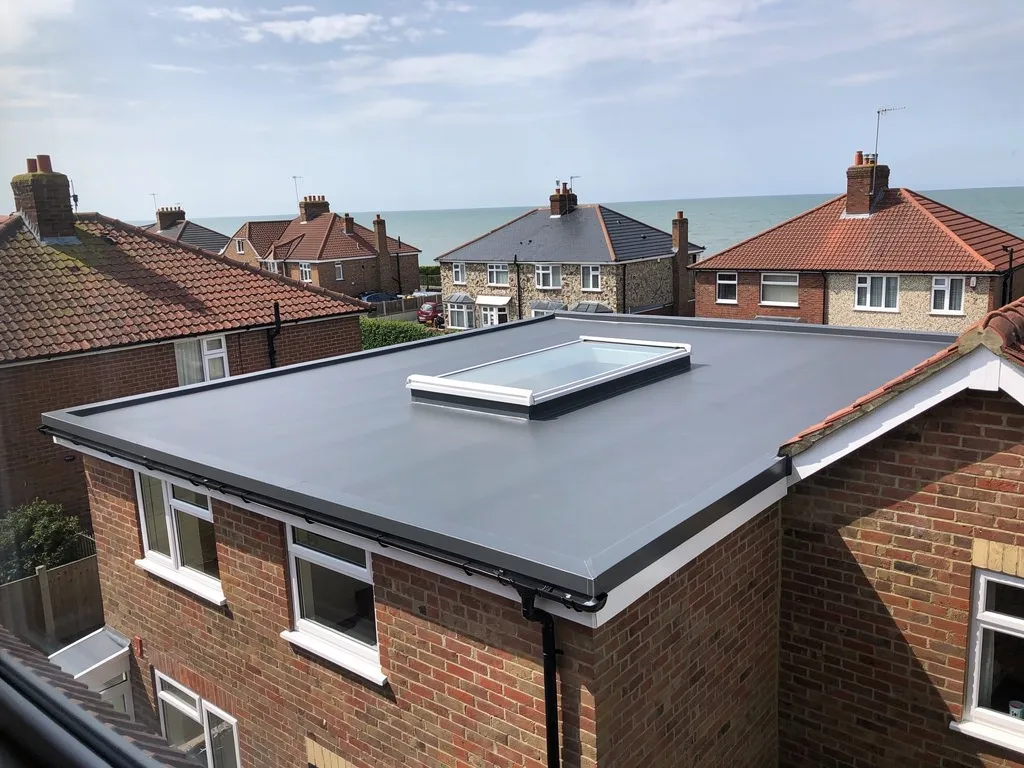
Air conditioning units on a flat roof
The short answer
Air conditioning units can sit on a flat roof if the structure can carry them and the waterproofing is protected. Each unit needs a raised frame or plinth that is properly weathered into the membrane, not a unit standing directly on the covering. Pipes and cables pass through sealed penetrations, condensate is piped to a drain, and a protected path allows servicing without damaging the roof.
A flat roof is a convenient place for air conditioning units, extract fans and other plant, but each one puts weight, vibration and holes onto a waterproof surface. How the equipment is supported decides whether the roof keeps its weathering.
Weight first, then position
Before any unit is fitted, someone must check that the roof can carry it. A condenser is heavy for its size, and the weight does not spread evenly across the deck. It lands on the feet. A structural check by an engineer, working from the real construction of the roof, should come before the order is placed.
Position matters nearly as much. Units should sit close to a supporting wall or a beam where the deck is strongest, away from outlets, valleys and low points, and with enough space around them for air to move and for an engineer to work. Putting plant on the part of the roof that already ponds is a common mistake.
If the roof is old or near the end of its life, consider renewing the covering first. Fitting equipment onto a failing membrane means lifting the equipment later, with the added cost of disconnecting and reconnecting services. A survey tells you which way to go, and the written quote follows it.
Supports that protect the membrane
A unit should never stand directly on the waterproofing. Vibration, heat and the point loads from the feet all wear the covering, and any leak beneath is hard to trace because the equipment hides the surface.
The usual answer is a raised frame or a set of plinths fixed to the structure, standing clear of the membrane so water can run beneath and the roof can be cleaned and inspected. Where the supports pass through the deck, the roofer forms a weathered upstand or a sealed boot around each one, and the covering is carried up the collar and sealed at its top edge.
Where supports sit on the membrane itself, spreader pads and protection boards stop the feet from cutting into it. These need to be compatible with the covering, because some materials attack others when they touch. Ask the installer to confirm in writing which products are going against the roof. The same principle applies to the sheeting described in liquid coatings for metal roofs, which also need protection where equipment stands.
Pipes, cables and condensate
Every refrigerant pipe, drain and cable that crosses the roof is a potential leak. The cleanest layout keeps pipe runs on the surface, supported on raised brackets or a tray, and passes through the roof at a single sealed point rather than many small holes. Each penetration is formed with a purpose-made collar or boot, dressed into the membrane by the person who laid it.
Condensate needs a plan. A unit in cooling mode produces water, and it has to go somewhere. A pipe that runs to a proper drain keeps it off the roof, whereas a pipe that simply drips onto the membrane can stain it, freeze in winter and make the surface slippery for anyone who has to walk there.
Plant that passes through a roof of older cement sheets raises a further issue. HSE advises treating a pre-2000 building as a possible source of asbestos, and nobody should drill it before that has been assessed. Read the asbestos duty to manage before anyone cuts a hole.
Servicing without wearing out the roof
Air conditioning units need servicing, often several times a year, and the engineers who do it will walk across the roof carrying tools. Without a protected route, that traffic wears the membrane in the same place every time, and the damage appears long before the roof's natural end.
A walkway of tiles or boards from the access point to the plant spreads the load and shows where to walk. Edge protection, a fixed ladder or guarded hatch, and fall protection near open edges make the job safer, and are part of the design rather than an afterthought.
Keep the roof itself clear. Leaves, litter and old packaging blow into corners behind plant and block outlets. Our notes on commercial roof maintenance describe a regular check that catches this early. Where birds nest around the equipment, commercial bird proofing deals with keeping them away from the roof, and nests in use should not be disturbed.
When plant is added, moved or removed
Equipment changes during a building's life. A new unit may be added, an old one swapped for a larger model, or a tenant may take theirs away at the end of the lease. Each change is a chance to damage or improve the roof.
Before anything is added, ask the roofer to inspect the area and photograph it. When equipment is removed, the redundant supports and penetrations should be cut out and the membrane made good, rather than capped and forgotten. Redundant pipework left through the roof is a typical source of slow leaks.
If you are leaving a leased property, who removes the plant and who repairs the roof is a lease question. Our page on roof dilapidations at the end of a lease sets out the practical steps. Find the wider picture on our commercial roofing page.
Whoever you choose, ask for the finished roof to be photographed and tested before they leave, and keep the record with the roof file.
Plant on the roof: two more questions
Does an air conditioning installer usually repair the roof they cut through?
Many fit units and seal their own penetrations, but the waterproofing is a roofer's trade. If the roof carries a guarantee, ask the maker or the original roofer whether the work affects it. Having the roofer form the penetrations is the safest way to keep the roof weathertight.
How do I find a leak around a rooftop unit?
Start with what is closest: the sealed boots around pipes, the supports and the condensate route. Water often runs along a pipe before it drops. A survey with photographs traces the entry point, and leaks beside plant often turn out to be a failed seal rather than the membrane.
Tell us about your roof
Describe what is happening and we will call you back to arrange a visit.
- Photographs of what we find
- A written quote with one total price
- Or call 01903 299063
10-year workmanship guarantee, in writing.