A stain spreading across the bedroom ceiling of a rented house raises a question before it raises a ladder: whose problem is it? Tenants worry they will be blamed or billed. Landlords wonder whether a roof leak counts as a repair they must arrange, or as wear that comes with age. Both end up waiting for the other, while the water keeps coming in.
The law is clearer than the arguments suggest. For most homes let on a term shorter than seven years, the 1985 Landlord and Tenant Act gives the landlord charge of the structure and exterior, and a roof belongs to both. A tenant cannot be made to take that duty over by a clause in the agreement. What the Act does not do is spell out every situation, and flats, long leases and damage caused by a tenant raise further questions.
This guide sets out the position as it stands for the Worthing area, what a tenant should do in what order, what help the council can give, and how a landlord or letting agent can deal with the repair efficiently. Take it as background, not legal advice; a lease or tenancy agreement may add its own terms.
What section 11 says about the roof
The relevant rule is section 11 of the Landlord and Tenant Act 1985. It writes a repairing duty into certain tenancies whatever the agreement says. Under subsection (1)(a), the landlord must keep in repair "the structure and exterior of the dwelling-house (including drains, gutters and external pipes)". The Act does not use the word roof, but the roof is plainly part of the structure and exterior, and that is how it is treated in practice.
Section 13 sets out which leases are covered. Section 11 applies to a lease of a dwelling-house granted on or after 24 October 1961 on a term below seven years. A long lease follows other rules.
How much repair is expected
The standard of repair is not the same for every building. Under section 11(3), regard is had to the age, character and prospective life of the dwelling-house and the locality. A Victorian terrace near the seafront is judged differently from a new-build flat. That does not excuse a leak; it shapes what repair is reasonable, so a patch might suffice on one old roof, while another can only sensibly be recovered.
The Act also protects the tenant from being passed the cost. Subsections (4) and (5) make a tenant's covenant to carry out these repairs of no effect, and that includes a clause requiring the tenant to pay money in place of repairs. A tenancy agreement that says the tenant is responsible for the roof cannot override the Act for a tenancy it covers.
For the full wording, the Act is on legislation.gov.uk.
Flats, shared buildings and long leases
A roof over a flat is a different case, because the roof is rarely part of the flat itself. Section 11(1A) deals with this: where the dwelling is only part of a building, the landlord's duty reaches the other parts of the building in which the landlord has an interest, and the installations that serve the flat. A tenant in a top-floor flat whose ceiling is damp from a roof leak is therefore covered where the landlord has an interest in the roof.
There is a limit in section 11(1B). The landlord need not carry out work unless the disrepair affects the tenant's enjoyment of the flat or of the common parts the tenant is entitled to use. A roof leak that wets the flat meets that test easily. A fault over somebody else's staircase, with no effect on you, is for the person responsible for that part.
When the lease is long
Section 11 covers leases under seven years. A leaseholder on a long lease, as many flat owners in converted houses along the seafront are, will find the repairing duties in the lease itself. Typically the freeholder or a management company looks after the roof and recovers the cost through a service charge, but the wording varies, so the lease is the first document to read.
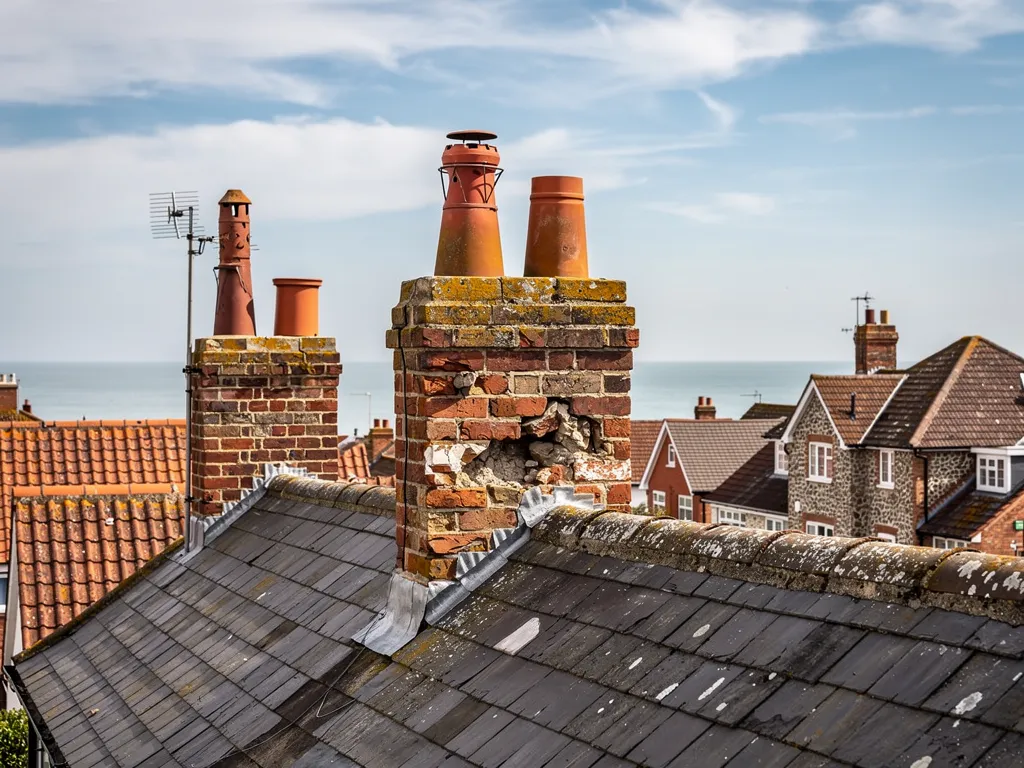
Where a building has several flats, the repair is often easier to organise through one managing agent. Roof work then needs a survey of the whole building, not just the flat under the leak, and sometimes scaffolding that serves everyone. Access across several households can lengthen the timetable, and our guide to the best time of year for roof repairs explains how the season and the scaffold licence fit in.
What a tenant should do, in order
A tenant who finds a leak helps themselves and their landlord by acting in a sequence. The first priority is safety. Move belongings, put a container under the drip and, if water is near light fittings or sockets, keep away from them and switch the circuit off at the consumer unit if it is safe to do so.
Then tell the landlord or agent promptly, and put it in writing, by email or message, so there is a dated record. Say where the water is, when it started, whether it follows rain and how it is spreading. Attach photographs. Keep a copy of the message. A phone call alone leaves nothing to point to later.
Keeping a record
Take dated pictures of the stain and of any affected belongings. A short diary noting the weather and when the drip starts and stops helps whoever comes to trace the cause. Our guide to daylight through the roof describes another sign worth noting if you can see into the loft.
Do not attempt roof repairs yourself, because climbing onto a roof is dangerous. Seek advice before withholding rent, since that can put the tenancy at risk.
Letting the landlord in
Repairs need access. Section 11(6) of the Act gives a landlord the right to go in and look at the state of the property, on written notice given a day beforehand, so a tenant should expect that notice and a landlord should give it. Agreeing a time that suits both sides is usually quicker than a dispute about rights.
If the roof is leaking badly or has caused damage to a tenant's belongings, say so in the report. The landlord needs to know what is at stake in order to act with the right urgency.
If the repair is not done: the council route
When a landlord does not respond, a tenant is not left with only the courts. Local councils have a duty linked to the Housing Health and Safety Rating System, which the government describes as a tool to identify and assess risks to the health and wellbeing of people in their own homes. It was introduced under Part 1 of the Housing Act 2004 and applies to rented and owned homes alike.
For the most serious hazards, known as Category 1, the local council must take action. For lower-risk Category 2 hazards, the council has discretion whether to act. Structural collapse is among the hazards listed, and the guidance describes the standard for external elements of a dwelling as watertight, weathertight, free of persistent dampness or moisture, and in good condition. A roof that lets in rain on a regular basis falls short of that.
Adur and Worthing Councils
In Worthing and Adur the councils can inspect a rented home on a tenant's complaint. Adur and Worthing share an officer team, with an office at Worthing Town Hall, and the Housing Grants Team can be reached at housing.grants.team@adur-worthing.gov.uk for help with repair grants, though those are means-tested and limited to serious hazards.
Before approaching the council, have the written report to the landlord, the photographs and the dates ready.
What has changed, and what has not
The Renters' Rights Act 2025 is changing private renting in stages, with the first phase of tenancy reforms due on 1 May 2026. Awaab's Law, which sets time limits for dealing with hazards such as damp and mould, came into force in the social rented sector on 27 October 2025. For private rented homes the government has said it will consult on how to apply it, so it should not be assumed to apply there yet. The Decent Homes Standard for private renting is proposed for 2035 or 2037, subject to consultation.
What a landlord should do when a roof leaks
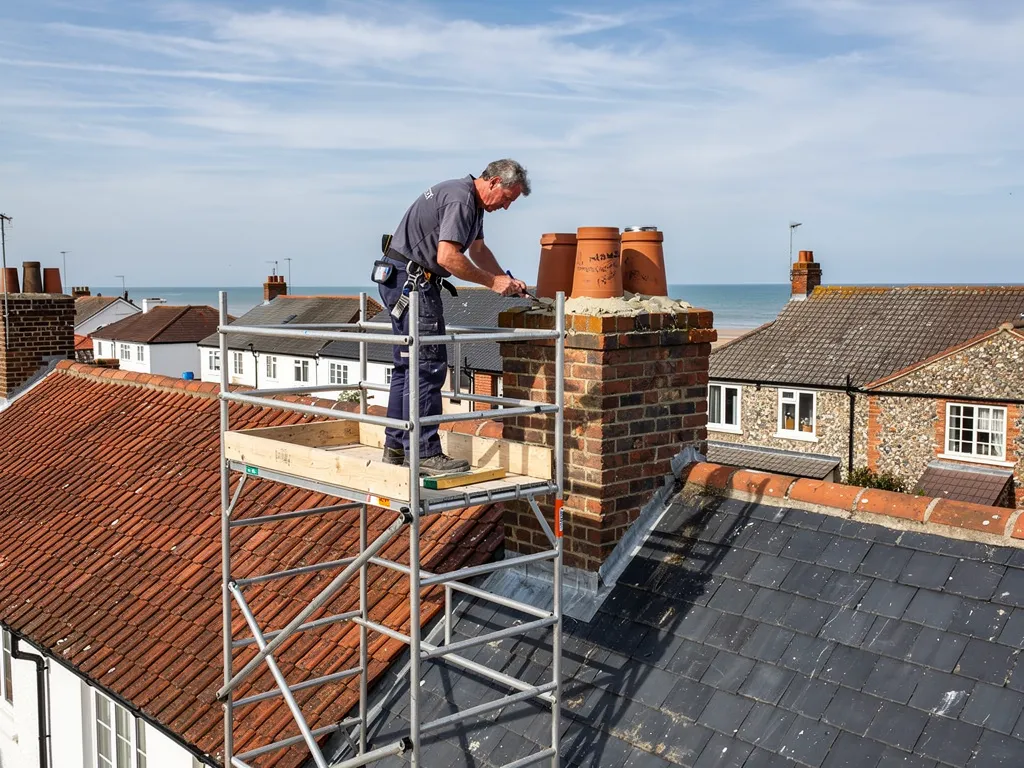
For a landlord or letting agent, the sensible course is to treat a roof leak as a repair to be understood quickly, not argued over. Acknowledge the report in writing. Arrange access with proper notice. Then have the cause found before deciding what to spend, because water rarely enters where it shows.
That first inspection is where a contractor earns their fee. A survey that traces the leak to a specific flashing, valley or ridge, and photographs it, allows the landlord to choose the smallest job that fixes it properly. The aim is the smallest repair that shuts the water out for good, with a larger job put forward only when the survey shows nothing smaller will hold.
Repair or replace on a rented property
A landlord who patches a failing roof repeatedly pays for each visit and keeps the tenant living with the risk. If a survey shows the covering is spent, replacement can work out cheaper across several years. Section 11(3) allows regard to the age and prospective life of the dwelling, so a small repair to a sound roof and a larger one to a failing roof are both consistent with the duty. The deciding factor is the survey, not a guess.
Cost is driven by access, the type of covering and the extent of the work. One total price in writing arrives after the survey, and any quote you weigh against it should state whether VAT and scaffolding are inside it.
Why delay costs more
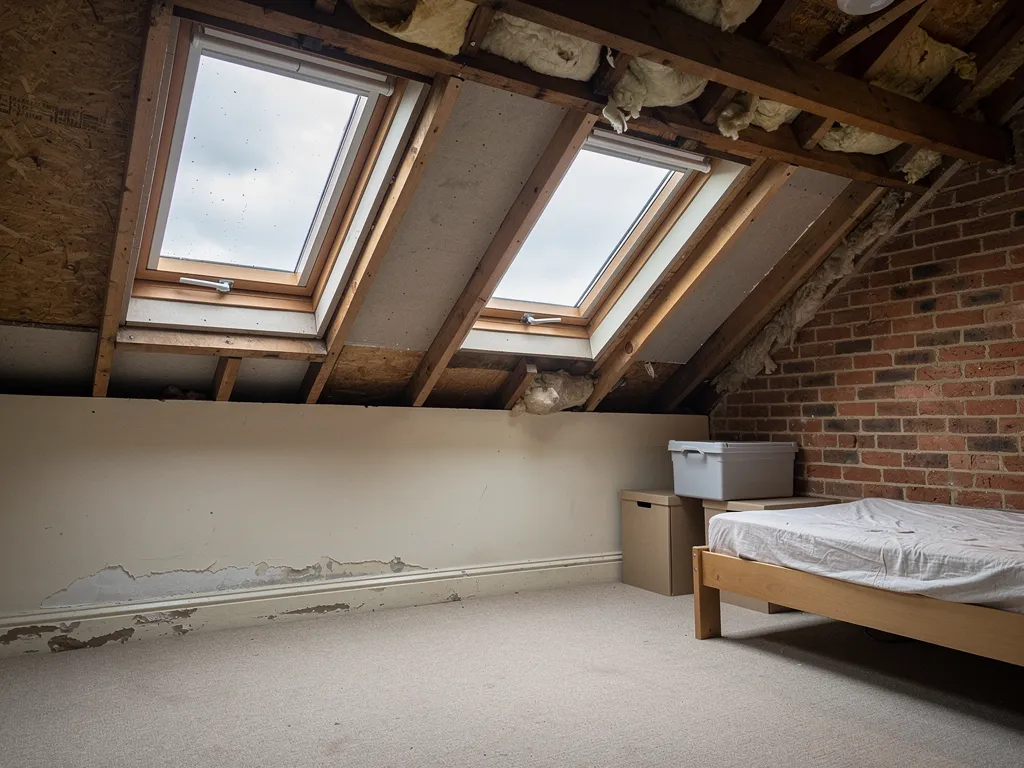
Water that is left in a roof soaks insulation and timber, and the longer it does, the more there is to put right inside. Our guide to sagging roof repair shows what advanced damage can look like when a leak has been neglected. A prompt repair is almost always cheaper than a late one, and it protects the landlord's own position if the tenant later complains to the council.
Bay roofs, flat extensions and other weak spots on rented homes
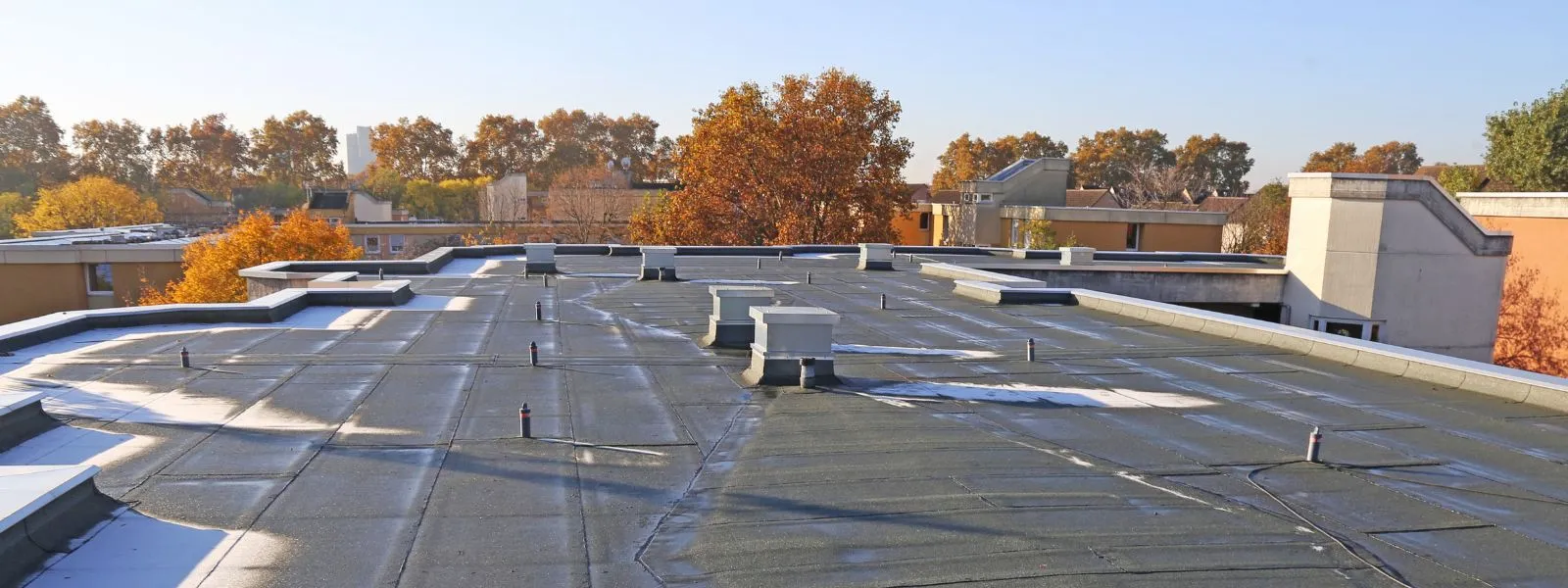
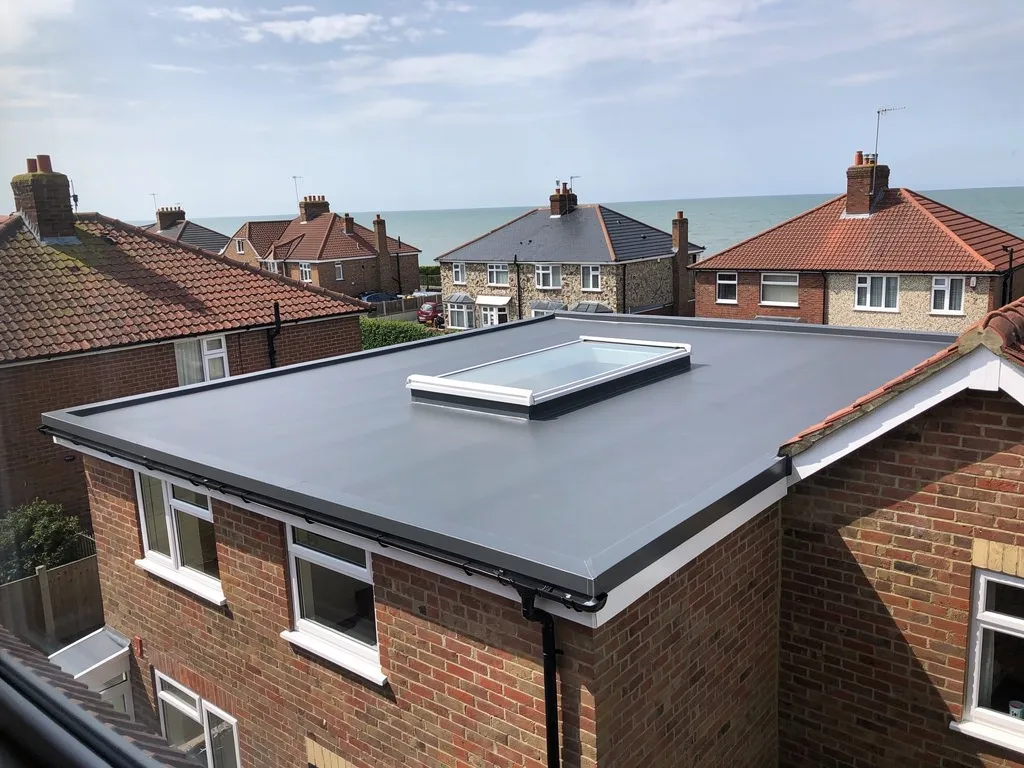
Some parts of a house are repeatedly the source of landlords' roof repairs, and knowing them helps both sides describe a problem. A tenant who can say the drip is under the bay, or beside the back extension, saves the contractor a first visit's worth of guessing. Bay window roofs, usually small lead or felt roofs over the bay, develop leaks where the covering meets the main wall. Flat-roofed extensions at the back of terraced houses suffer from ponding and open joints. Valleys and chimney flashings on older terraces fail with age. Our guide to bay window roof repair goes through the repair options for the first of these.
Planning a repair around tenants
A repair is simpler when the tenant understands the plan. Tell them the date, and whether scaffolding will block a path, a window or a washing line. Ask about pets and anyone working from home, and agree start times.
Rubbish and offcuts leave with us, and the site is left clear. Photographs after the repair, beside the survey photographs from before, give a record a landlord can show a tenant, an agent or a council officer.
A dated record of the visit, the finding and the repair helps if an agent or tenant later asks what was done and when.
If you manage rented property in Worthing, Lancing, Shoreham or further along the coast, send us the address, the tenant's report and any pictures, and say who will be at the property. We will plan the survey around that and send you a written quote after it. The roof repairs page explains the range of work we carry out.