Ask a roofer for the ideal month and you will probably get an answer that begins with the weather. That is fair: tiles, mortar, lead and membranes all behave differently in wet, wind and cold, and nobody wants a roof opened up an hour before a downpour. But the season is only one of several things that shape the timing. A repair also has to fit around birds that are nesting in the eaves, around the days a scaffold licence takes to arrive and around whatever damage the last gale did.
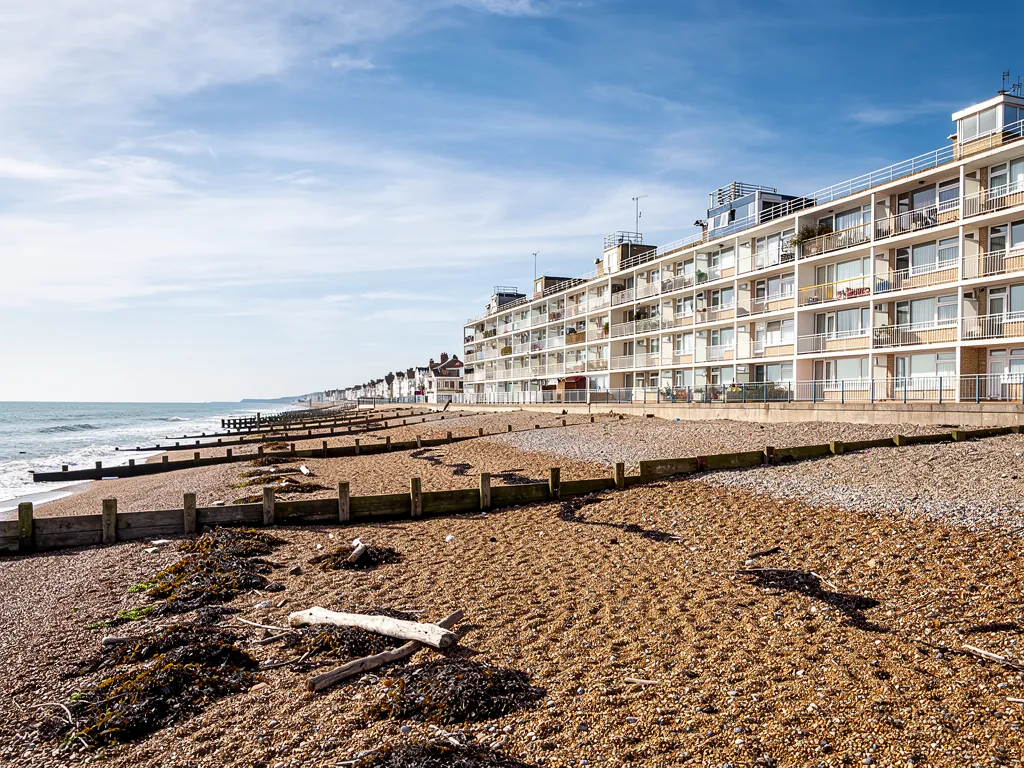
On the Sussex coast the picture is a little different from inland. Sea weather can change quickly, and a spell that looks settled at breakfast can turn blustery by lunch. Roofers here watch the forecast for the working days ahead, not the calendar.
This guide runs through the year from the roof's point of view, then covers the practical delays that catch people out: wildlife, scaffold licences, access to a bay window roof and the notice a landlord has to give. The rule that holds in every season is simple. Active leaks and storm damage are made safe first, whatever the month, and the permanent repair is planned around the weather that follows.
Why dry, still days matter so much
Most roof repairs are sensitive to moisture and wind in different ways. Mortar for ridge and hip bedding needs to cure without being washed out or frozen. Roofing felt and single-ply membranes are stuck or welded to a surface that must be dry. Lead dressing is slow, careful work that is hard to do on a wet, windy slope. Sealants and coatings need the surface dry and the air free of damp, or they will not stick.
Wind creates its own problems. A roofer working at height with sheets of lead or large tiles needs calm enough conditions to handle them safely, and scaffold sheeting acts like a sail in a strong gust. Even a simple tile replacement is better done when the wind will not catch a loose tile on the way up.
What can be done in poorer weather
Not every task needs a perfect day. Replacing slipped tiles, refixing a loose slate, clearing a valley and securing a ridge cap are routinely done in showery or cool conditions, provided the roofer can work safely. Emergency make-safe work, such as sheeting an open section or fixing a tile that is about to fall, goes ahead in poor weather by necessity.
Where the weather rules the job is in the finishing. A flat roof repair or a lead dressing done in the wet may hold for a while, and then fail early. A sensible roofer will do enough to stop the water and book the proper repair for a better window. That is the difference between making a roof safe, which we do first, and fixing it for good. Our guide to roof sealant repairs explains why a quick coating applied in poor conditions is a short-term measure.
Spring and summer: longer days, longer jobs
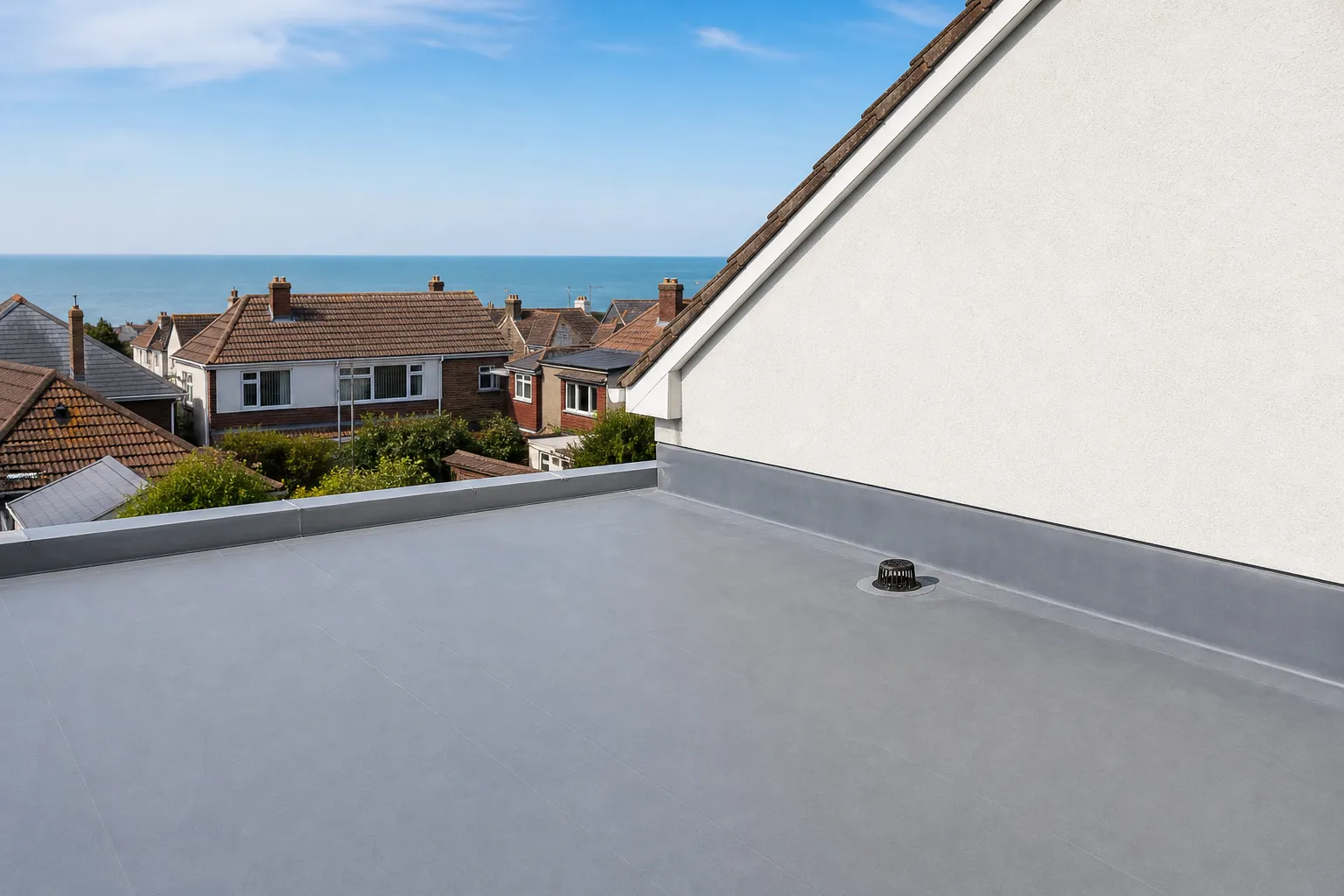
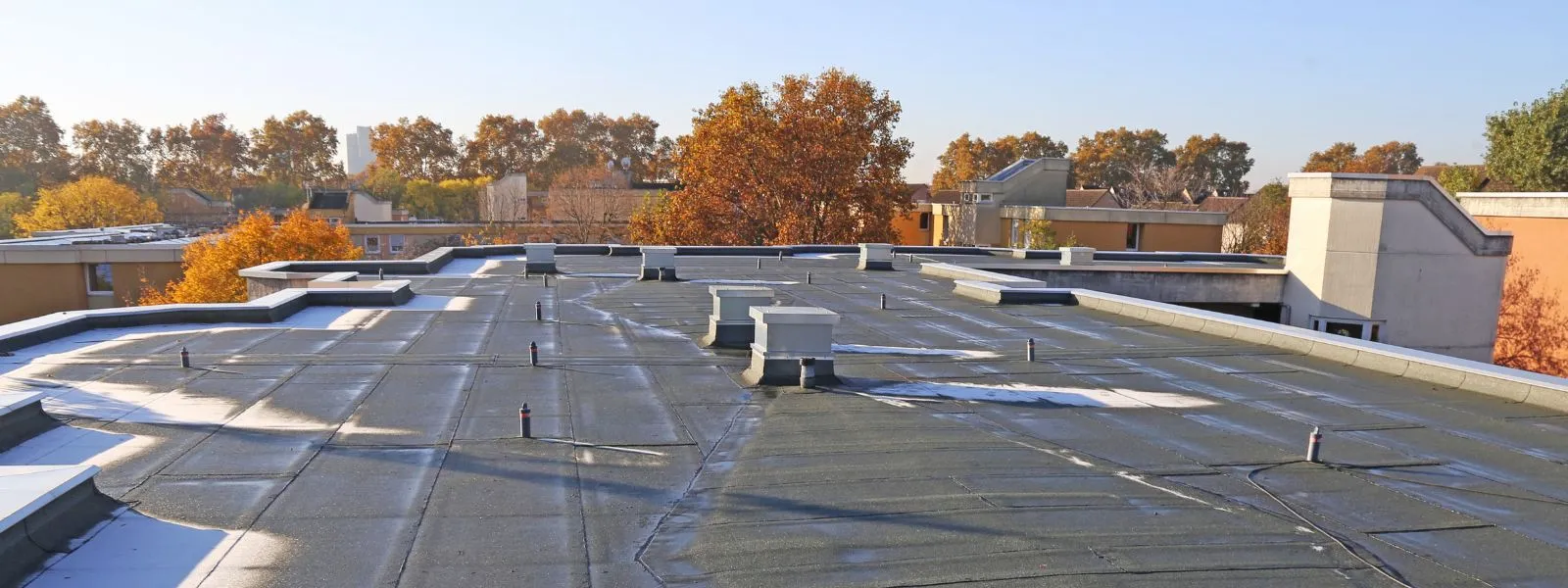
Spring and summer are the natural seasons for larger planned repairs. The days are long, the roof dries quickly after rain and spells of settled weather are more common. A job that needs the covering opened up over a day or two, such as relaying a section of slope, reflashing a chimney or recovering a flat roof, fits these months well.
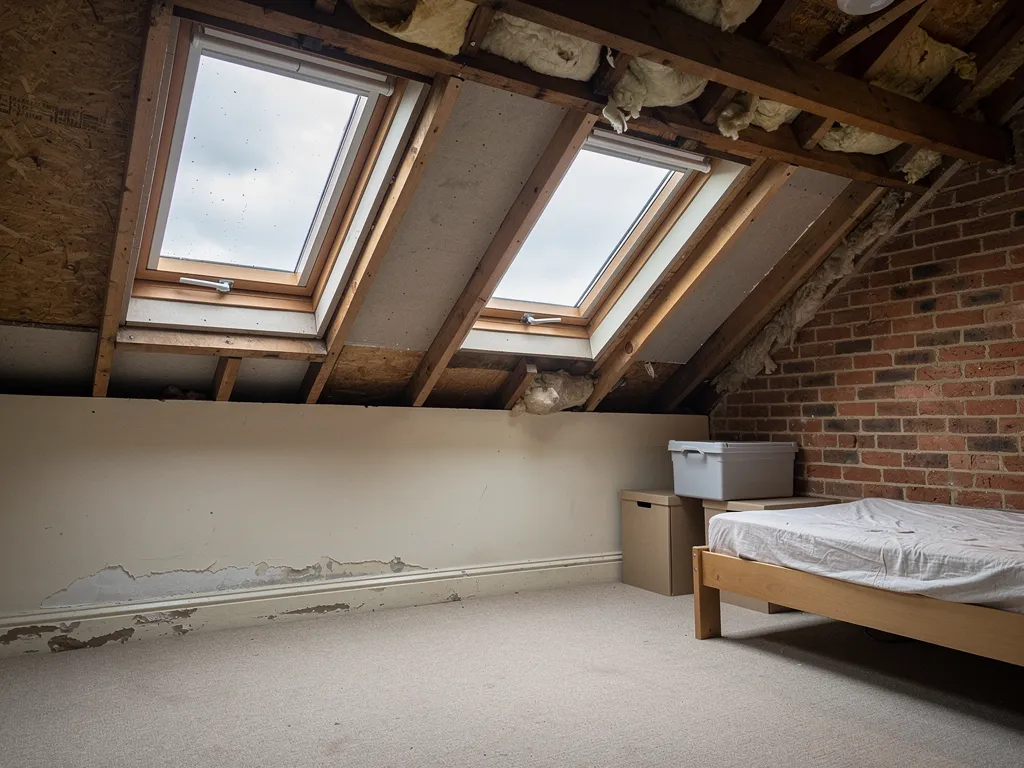
It also suits leaks that have shown themselves over winter. By spring the damage is plain: stains have dried into rings, a damp patch has marked the ceiling and the loft shows where water ran. It is a good moment to commission a proper survey and have the cause traced. The survey gives you pictures of the faults as found, and the written quote follows it.
Booking ahead
Settled weather brings demand with it. When a run of dry days arrives, owners who have been putting off a repair all think of it together, and roofers' diaries fill. If your job is not an emergency, asking for a survey in the weeks before the weather settles gives you a better choice of dates. For a larger job that involves scaffolding, a consent or a covering that must be ordered, allow for the lead time on all three.
Summer heat has one drawback worth knowing. Some membranes and coatings are laid or cured more easily in mild conditions, and work on a hot slope can be tiring and slow. Early starts are common. Price follows access, covering, size and what the survey finds, so see that any quote in your hand states if VAT and the scaffold are in it.
Autumn: the best moment to get ahead of the gales
On this coast, autumn is the season to be ready for. The first serious gales and the heavy rain that follows them test every weak joint a roof has. Repairs done in September and October, while the weather still allows, mean the roof goes into winter in its best state.
A short list of jobs pays off before the storms. Refix or replace tiles that have slipped, re-bed or re-fix loose ridge and hip tiles, clear valleys and gutters of leaves, and have lead flashings checked where they have lifted. Debris in a gutter means the first heavy rain overflows behind the fascia and onto the wall, which is a cause of damp that gets blamed on the roof. For a closer account of how those fixings should be made, our roof repairs service covers each of these.
Why late autumn is a trade-off
Leave it too long and the window closes. As November arrives, the days shorten, the roof stays damp for longer and the number of workable days falls. A repair booked in late autumn is more likely to be delayed by the forecast, and a delay at that time of year can run for a week or more. The sensible approach is to treat the end of summer as your deadline for anything on the survey that was flagged as worth doing soon.
Nothing here means a repair cannot be done in October or November. It means you should expect the date to move with the weather, and ask the roofer to say in advance how they will protect the work if rain arrives part-way through. A temporary cover overnight is routine on an open slope.
Winter: emergencies first, planned work second
Winter is when roofs show their weaknesses and when the weather is least friendly to repairing them. The priority in this season is to stop water getting in. After a storm, a lost tile, a flashing blown loose or a cracked valley can be made safe quickly, using a temporary patch or a sheet, and the permanent repair follows when conditions improve.
That approach is not a compromise on quality. Doing a lead or felt job in a downpour risks a repair that fails within months. Stopping the water first, then repairing properly once the slope is dry, gives a better result than rushing. Active leaks and storm damage take priority, and the first visit closes the opening temporarily.
What can wait for spring
Several things belong on a spring list instead. Re-covering a flat roof, relaying a large area of slope, replacing a roofline and renewing a chimney stack's flaunching are all better in mild, dry weather. Cosmetic repairs and cleaning also wait. If your roof has a slow weep that appears only in heavy rain, it can usually be monitored over winter while the repair is arranged, provided you keep a note of the stain and check it does not spread.
If a stain is growing, or the insulation is wet, or there is any sign of water near electrics, do not wait. Ask for the roof to be looked at promptly. Our guide to repairing the roof of a listed building explains how consent fits around an urgent repair when a house is listed, which adds its own timetable to a winter job.
Nesting birds and bats
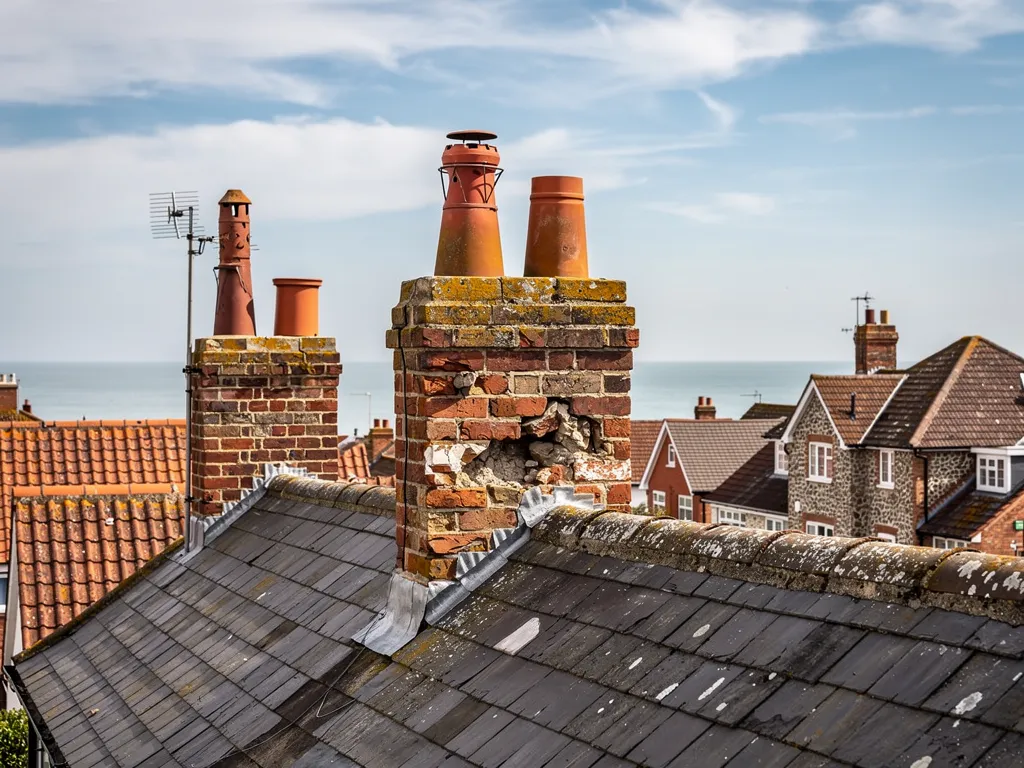
Wildlife is a delay that few owners see coming. Birds nest in eaves, behind fascias, under tiles and in chimney tops, and bats can roost in roof spaces. Both are protected, so work that would disturb them has to be planned around them.
GOV.UK guidance makes it an offence to deliberately damage or destroy a wild bird's nest that is in use or being built, and it states that no licence exists to let construction proceed regardless. For bats, the same guidance names re-roofing work and loft insulation or conversion among the activities that can affect them. The practical rule is to look before you start, whatever the month.
What this means for timing
A good roofer checks eaves, ridges and gaps for nests and signs of roosting before beginning, and tells you if anything is found. If a nest is active, the work on that area may have to wait until the birds have finished. If there is any sign of bats, you should seek advice from the right body before going any further and not simply continue.
This is another reason why planned repairs benefit from a survey. We spend time in the loft and along the eaves before a price is given, and any sign of wildlife is noted on the report. That avoids a surprise on the day the scaffold goes up. A repair that cannot wait, such as stopping a leak, can sometimes be done around the affected spot. Because the law protects both nests and roosts, agree any such step with the right adviser first, and keep a record of what you found and what was decided.

Scaffold licences, access and tenants
Many roof jobs need a scaffold, and where it stands on a public pavement or road it needs permission. Under the Highways Act 1980, section 169, scaffolding sitting on a footway or carriageway needs a licence in writing from the council that runs the road. In Worthing and Adur that is West Sussex County Council; Brighton and Hove has its own. The scaffold firm makes the application, so you do not.
The West Sussex authority wants 10 working days at least between application and erection. Its published fees include £266 for a month of scaffolding, and a quicker turnaround costs an extra £52. We plan every scaffold booking around that county figure. Brighton and Hove City Council quotes 3 days' minimum notice for new scaffolding.
Awkward access and rented homes
Some roofs need more thought than others. A bay window roof, for instance, may need a small scaffold platform or a tower, which can be easier and quicker to arrange; our guide to bay window roof repair shows what is involved. Listed buildings add a consent timetable on top.
If the property is rented, access has to be arranged with the tenant. Landlord and Tenant Act 1985 section 11(6) means a landlord, or someone authorised, must give written notice a day ahead before entering to view the condition of the premises. Our guide to landlords and roof repairs covers who is responsible, so repairs are not delayed by a dispute about it.
Put together, the lead times mean that a licence, a consent and a booked scaffold can take weeks. Ask early, and plan the repair around the longest wait. A repair booked early in a dry spell is easier to schedule than one forced into the first gale of autumn.