
Chapter one
Red brick, stone dressings and the joins between them
A church of brick and stone shows where roofs leak: not on the slope itself, but at every point where the slope stops.
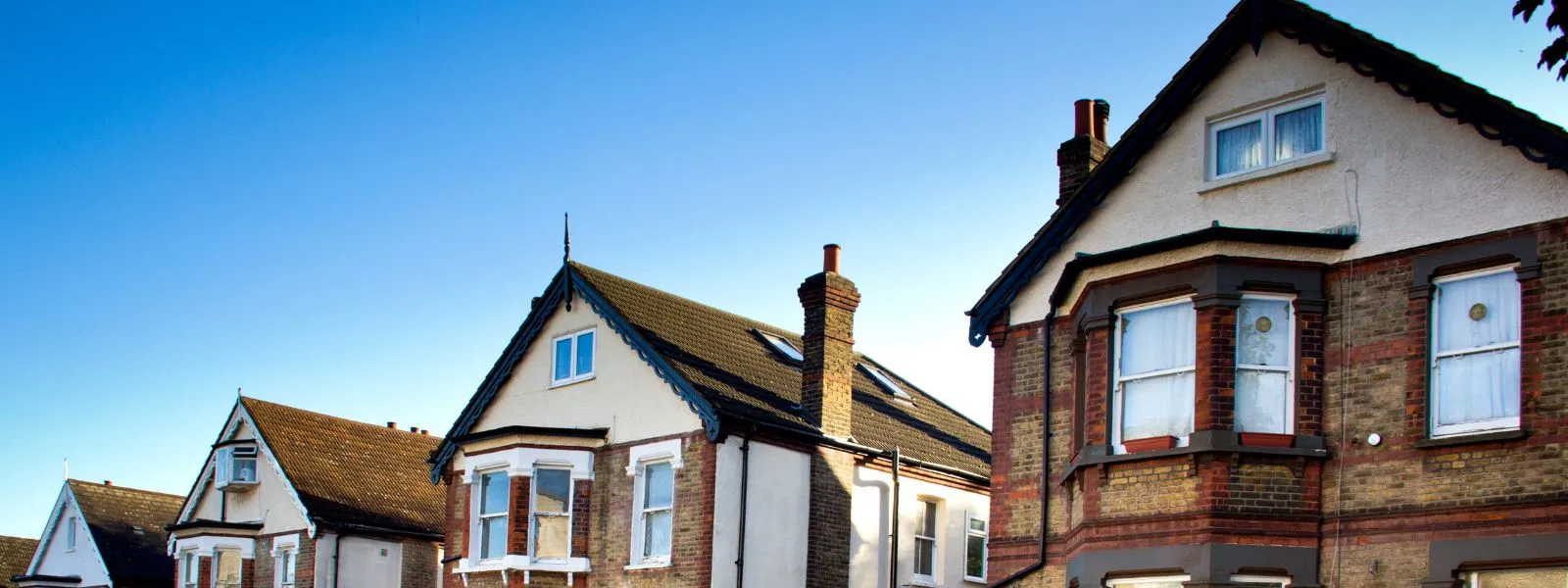
St John the Baptist, designed by R Plumbe and built between 1898 and 1900, is red brick with stone dressings, according to Sussex Parish Churches. A building like that teaches you where roofs really let go. The open slope is seldom to blame. Trouble starts at the places where the slope stops: against a wall, around a chimney, along a stone coping, under a window head. Each of those joints relies on a narrow strip of lead and a line of mortar, and both give up sooner than the tiles or slates they are there to protect. A house or hall of similar age follows the same pattern, and it is where our survey spends most of its time.
At a glance
- St John the Baptist is red brick with stone dressings
- Flashings fail at the wall before the slope fails
- Code 4 lead is the usual choice for flashings
1.1 Lead at the wall
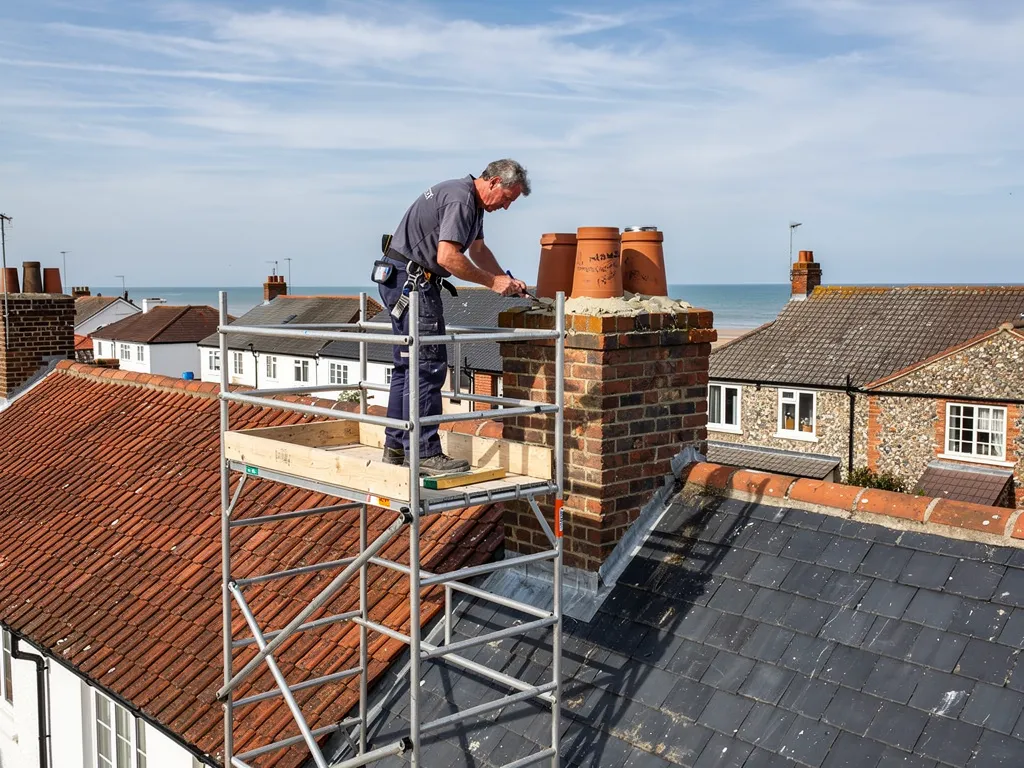
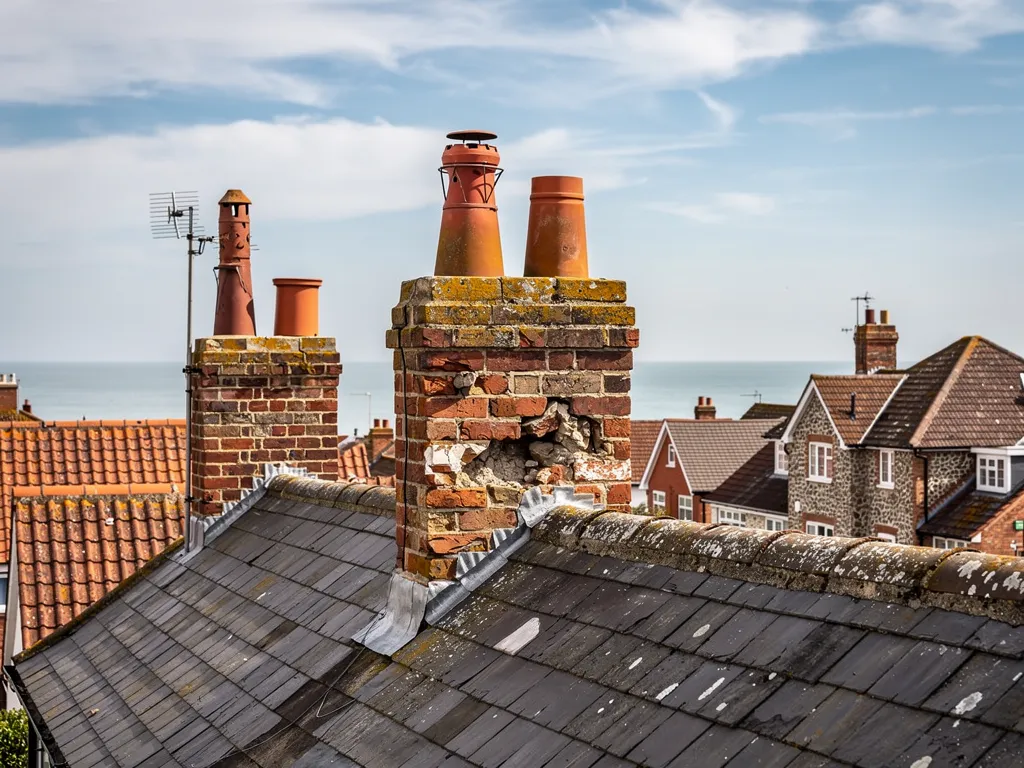
A flashing is the lead that closes the gap where roof meets wall, and it is the part that keeps rain out. One edge sits in a groove cut into the brickwork, the other is dressed down over the covering, and the groove is pointed up. Years of weather loosen that pointing; the lead then lifts out of its groove and rain tracks in behind it. A soaker does a related job lower down: a small folded sheet worked beneath each course at the abutment, giving water a path to follow. Lead is graded by code, which stands for thickness, and Leadworx calls Code 4 the usual choice where general flashing is needed, with heavier codes for bigger or more exposed runs. We note which code is up there, test the folds for splits, and photograph each joint before deciding whether to re-dress it or renew it. Our lead roofing page explains what a sound job involves.
1.2 Stone trim, verges and pointing
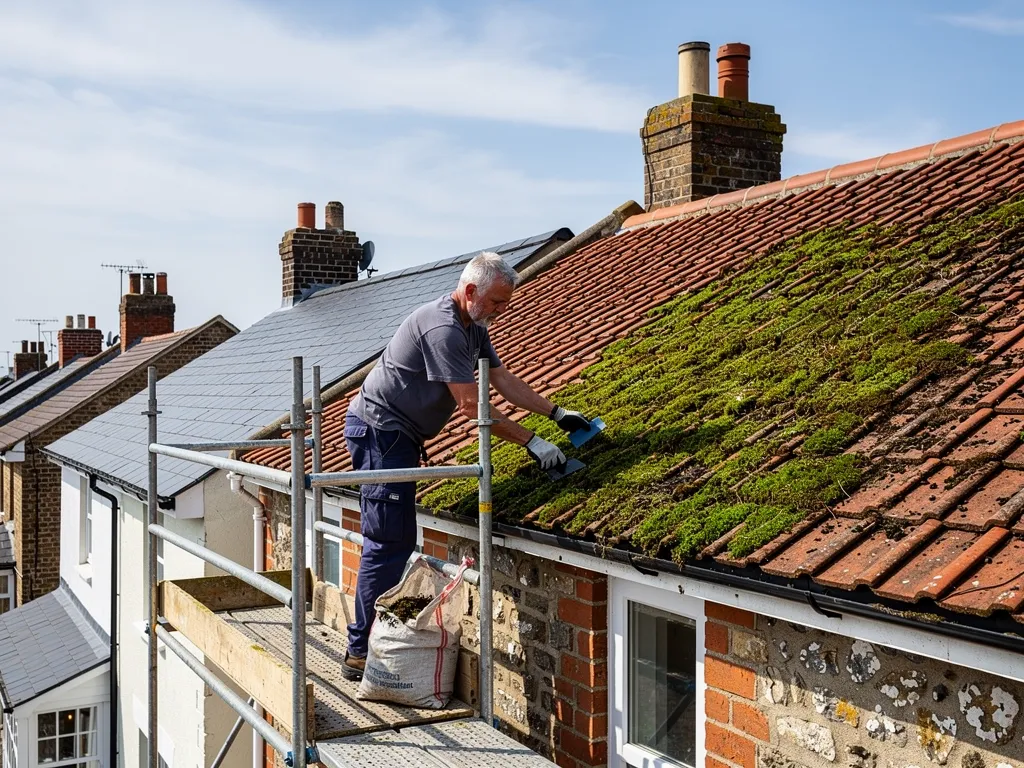
Where stone dressings cap a gable, the verge (the roof's edge along that gable) can leak through open joints between the stones, or through tired bedding beneath the tiles next to them. We look for crumbled mortar, tiles that have crept out of line and copings that have shifted. Repointing is frequently a better answer than a patch: rake out the failed mortar and replace it with a mix that suits the brick. A coat of sealant over a failing joint merely postpones the problem while water keeps working behind it. When someone has tried a repair before, the photographs show that too, showing you what was done earlier and what remains to do.
Lead sheet codes at a glance
- Code 3
- 1.32 mm; recommended for soakers only
- Code 4
- 1.80 mm; the usual pick for flashings
- Code 5
- 2.24 mm; all-round use on pitched and vertical runs
- Code 6
- 2.65 mm; larger roofs
- Standard
- Codes are to BS EN 12588
Source: Leadworx, Lead Sheet Codes Explained, fetched October 2026