
Chapter one
Fixing roofs that face Seaford Bay
Close to open water, the way a roof is fastened down counts for as much as the covering on top.
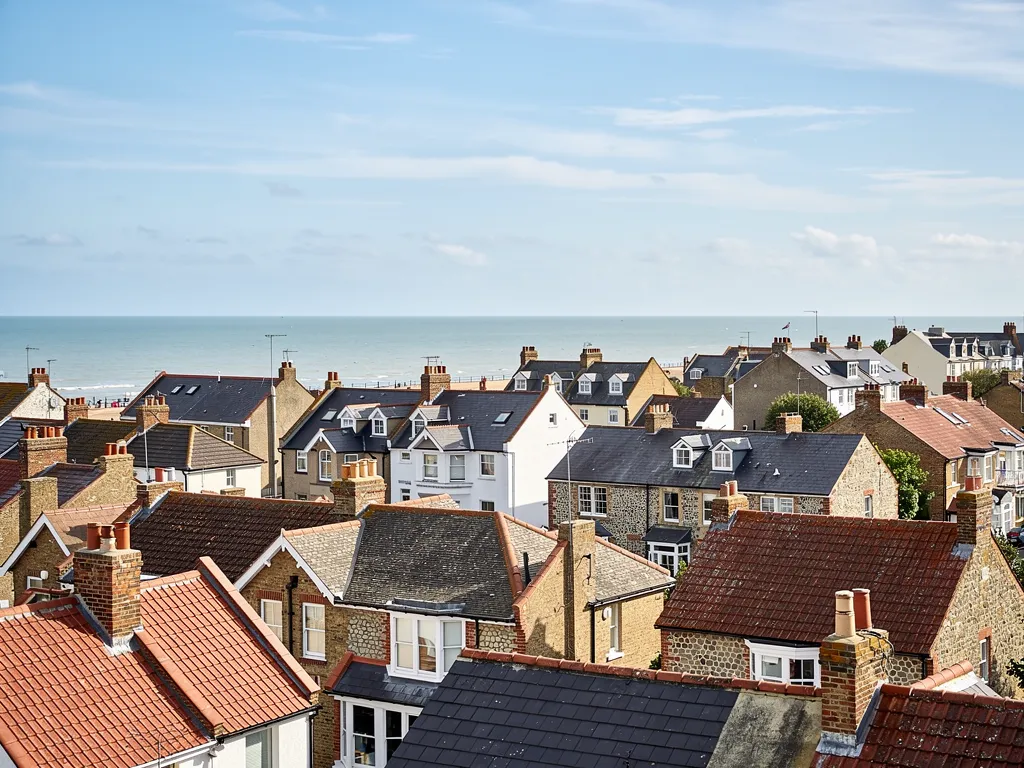
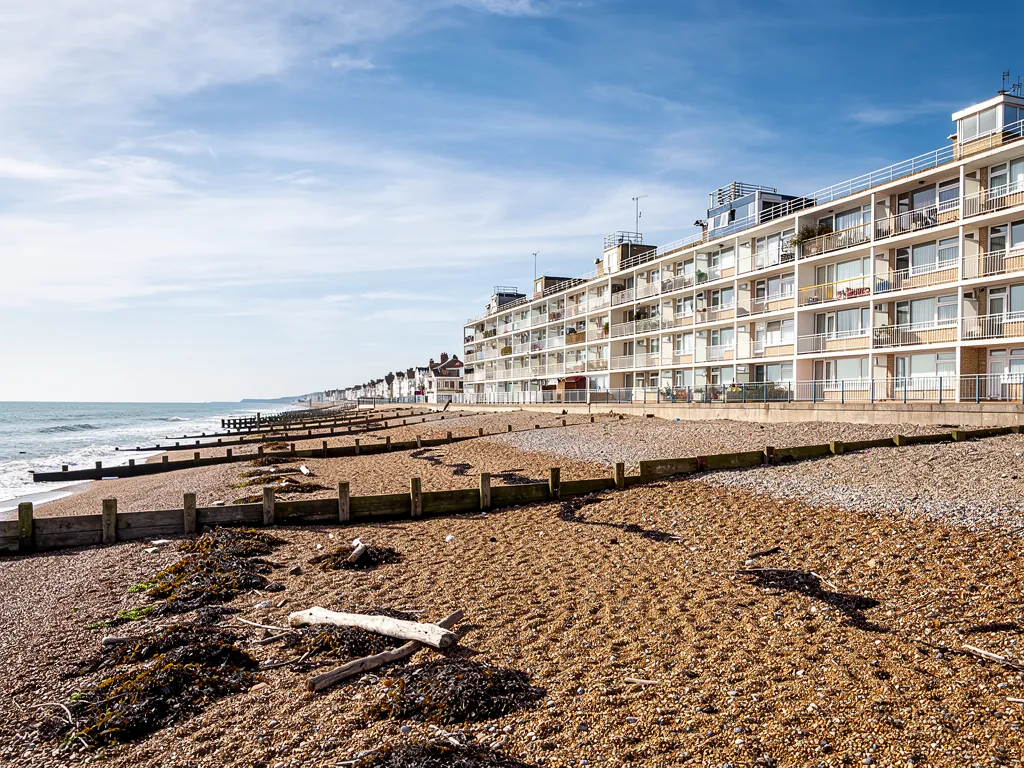
Seaford Museum's history explains why the town sits where it does: tides and winds piled a bank of beach pebbles across Seaford Bay, and the Ouse was pushed east to meet the sea beneath Seaford Head. Houses behind that bank look out over open water. When we climb a roof here, fixings come first on our list, ahead of colour, moss or the state of the paint.
At a glance
- Single-lap tiles are nailed or clipped at least once
- Slopes under 30 degrees meet strong suction
- Mortar no longer holds ridge tiles on its own
1.1 Fixed for the position, not the postcode
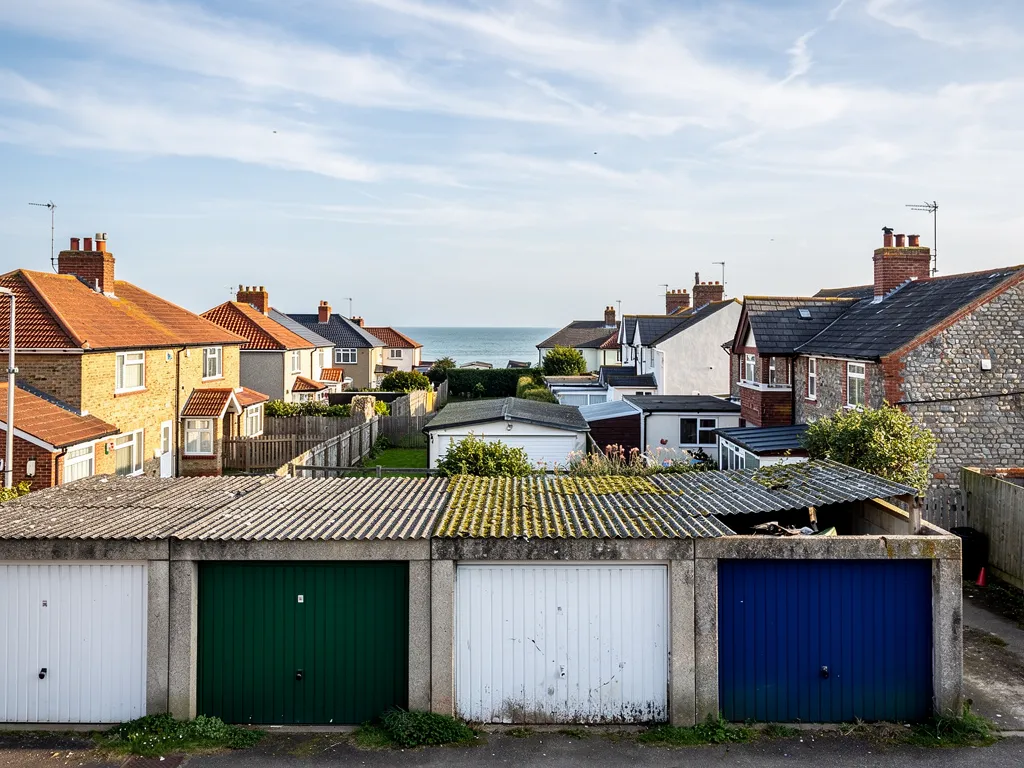
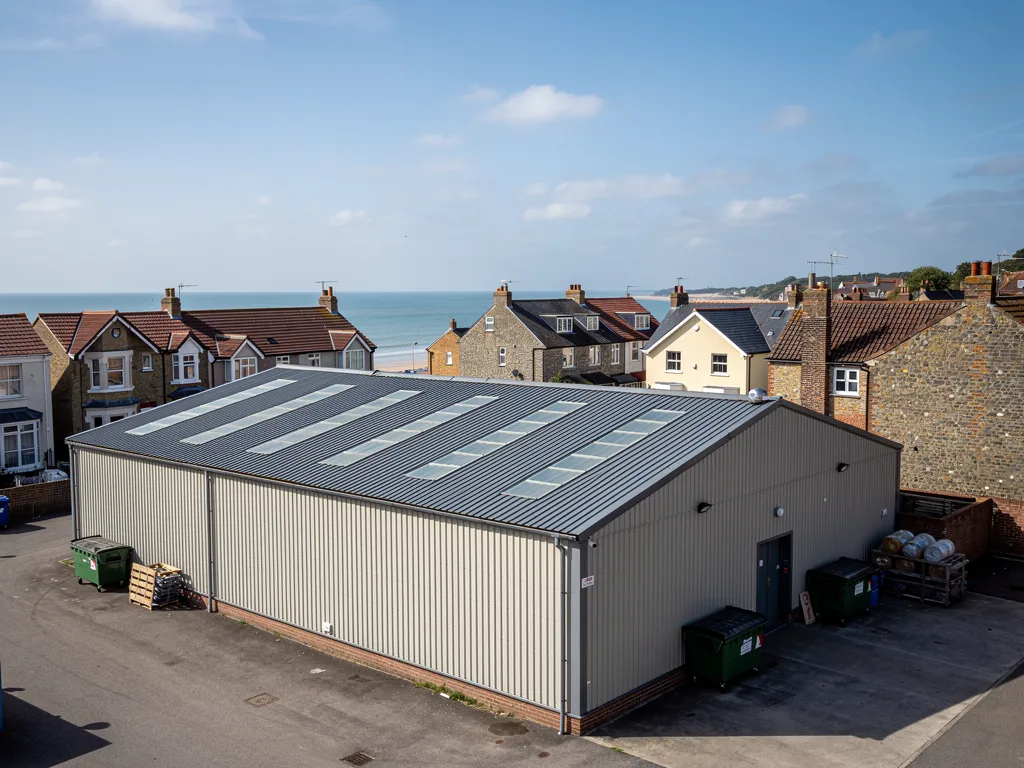
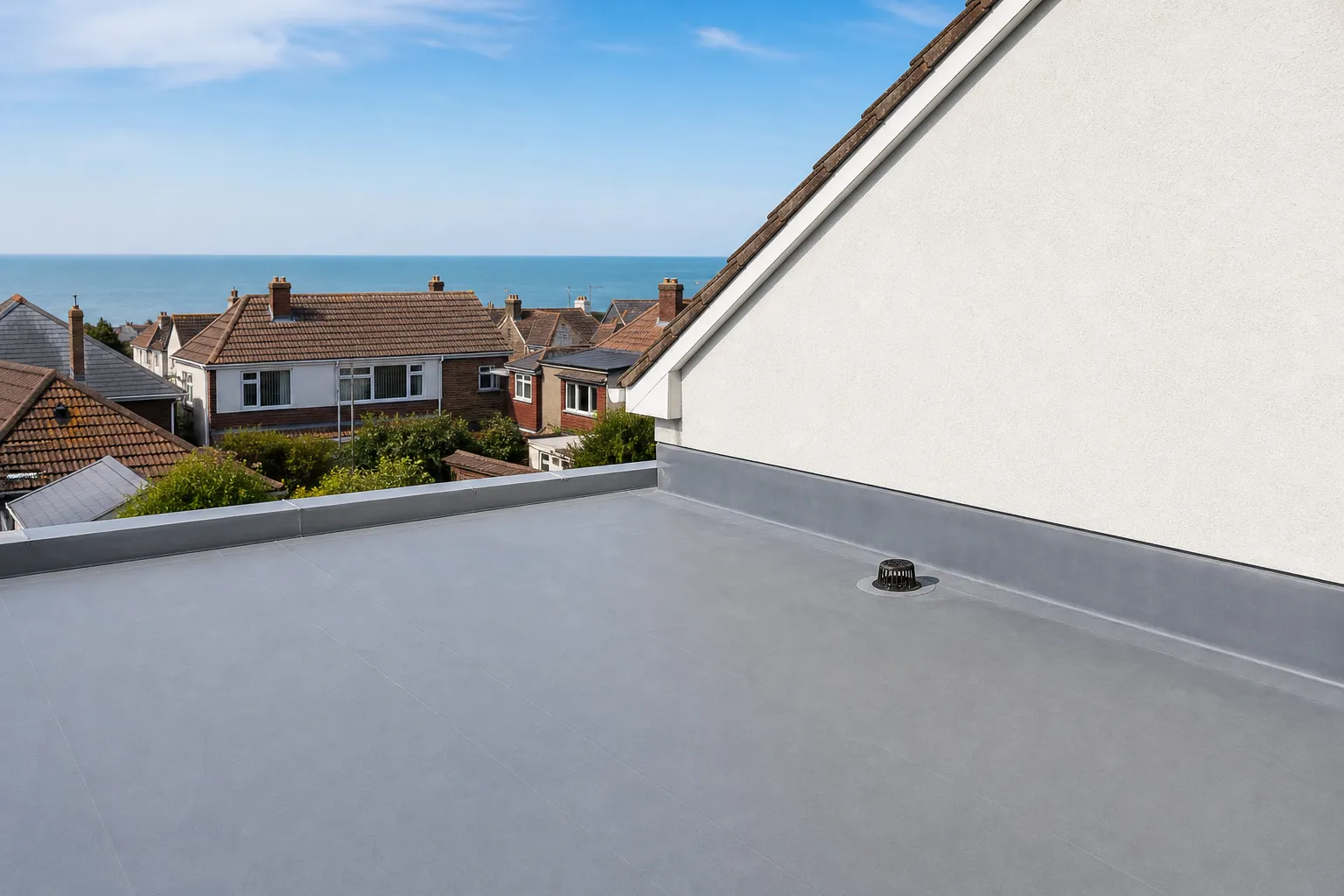
Wienerberger's guidance is that no tile of the single-lap type goes up without a mechanical fixing, and that the fixings follow a written specification drawn up for that site, with its location, altitude and wind exposure all weighed. We follow that logic on repairs as well as new work. Slope angle changes the picture. Marley's point is that a pitch under 30 degrees leaves the slope meeting the wind open to strong negative pressure, so a low garage or rear extension may work harder than the steeper roof beside it. Each slope gets its own look for slipped tiles, rusted nails and clips that have loosened.
1.2 Ridge, hip and verge
Wind gets under the top edge of a roof first. The ridge runs along the summit where two slopes meet, a hip slopes down a corner, and the verge is the sloped edge that finishes against a gable wall. BS 5534, revised in 2014, stopped treating a mortar bed as enough for ridge and hip tiles, which must now be held by a fixing of their own. Mortar remains legal and still dresses the joint neatly, but it no longer carries the load alone. Dry-fix systems tested to BS 8612:2018 skip the mortar and rely on clips. We choose between them after seeing how sound the old ridge is and how much weather the slope takes.
1.3 What we put in front of you
From ladders and from inside the loft we photograph ridges, verges, valleys and the gutter line. Those pictures go into the written quote, which carries a single total price, so the cracked bedding or corroded nail is visible on your own roof. On the exposed side we record the eaves too. A gutter that sags or has lost its fall overflows against the wall, and the stain it leaves on the wall is easily pinned on the slope above. When a small repair cures the leak, that is what we recommend. Our ridge tile repairs and pitched roofing pages go into more depth on the options.
Fixing facts for a bay-side roof
- Code of practice
- BS 5534:2014+A2:2018
- Dry-fix systems for ridge and hip
- Tested to BS 8612:2018
- Single-lap tiles
- One mechanical fixing per tile, as a minimum (Wienerberger)
- Pitch below 30 degrees
- Wind-side slope faces negative pressure (Marley)
Source: BSI; Marley; Wienerberger, fetched October 2026