Chapter one
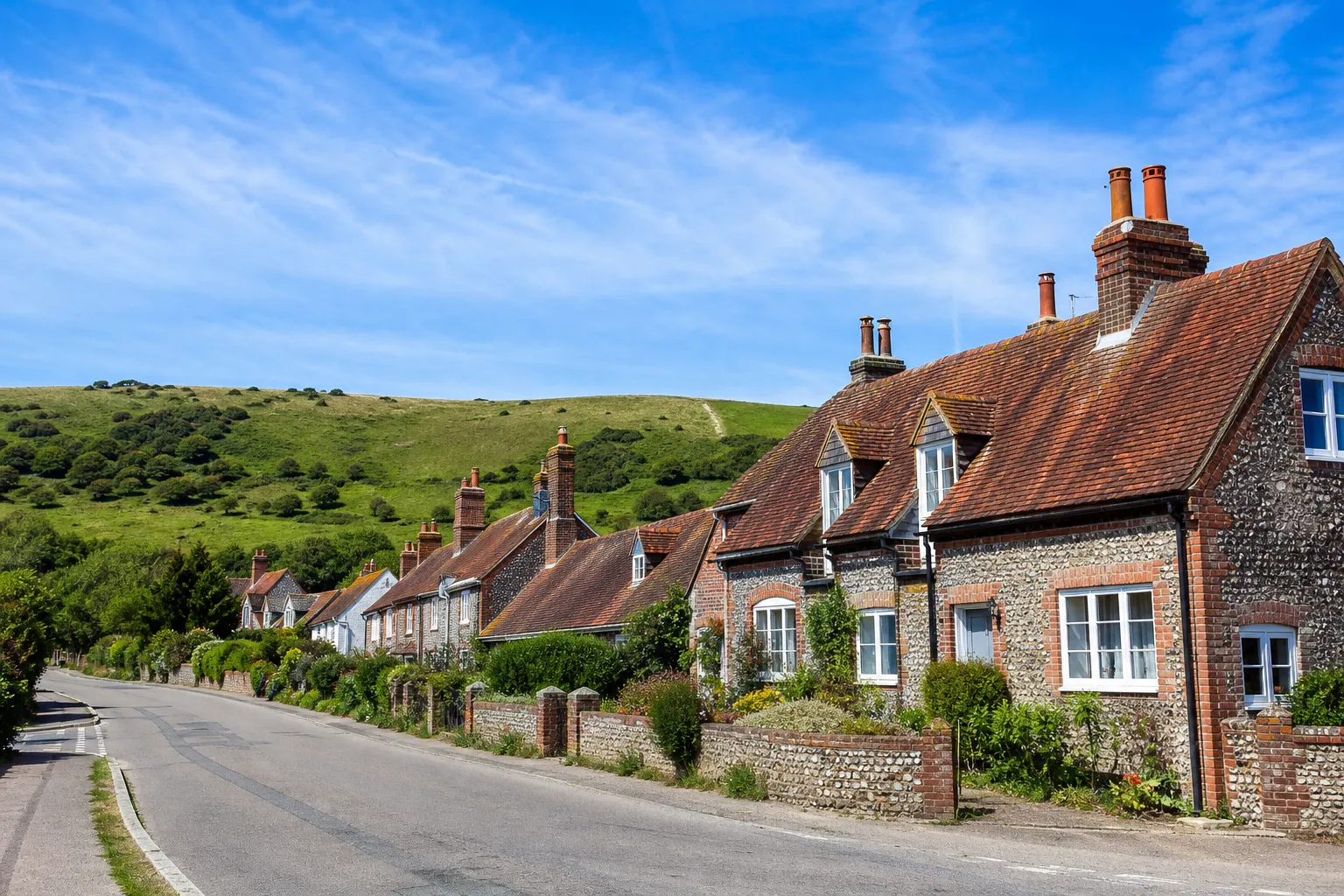
Flint-faced brick and mixed-age roofs at Hermitage
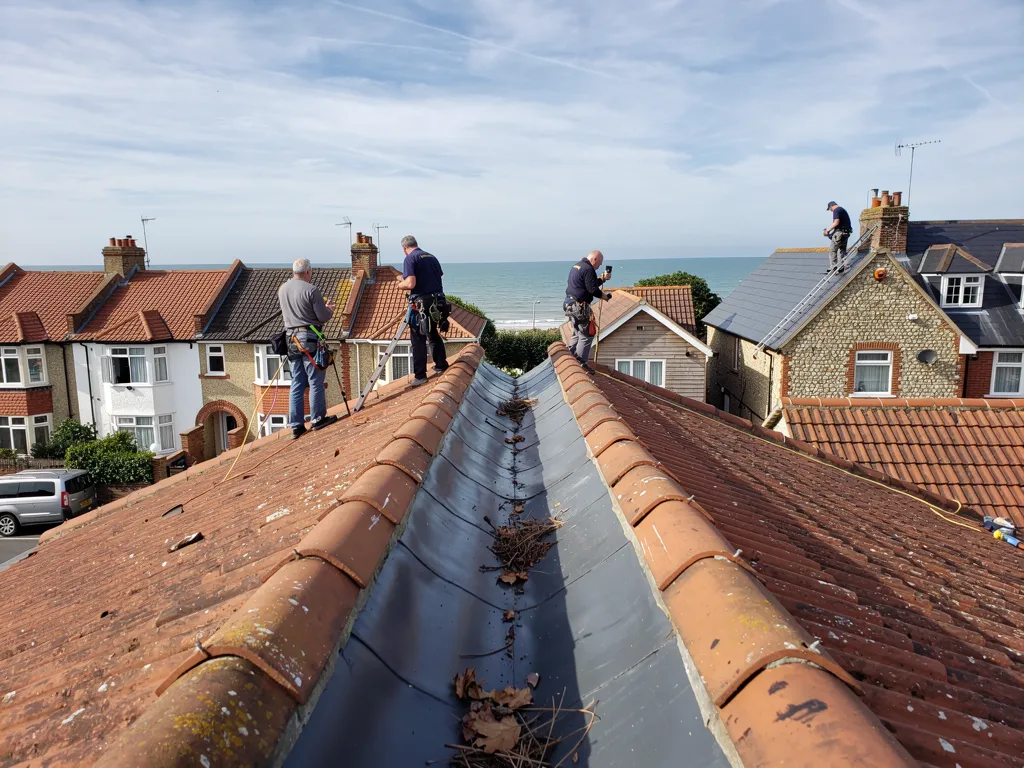
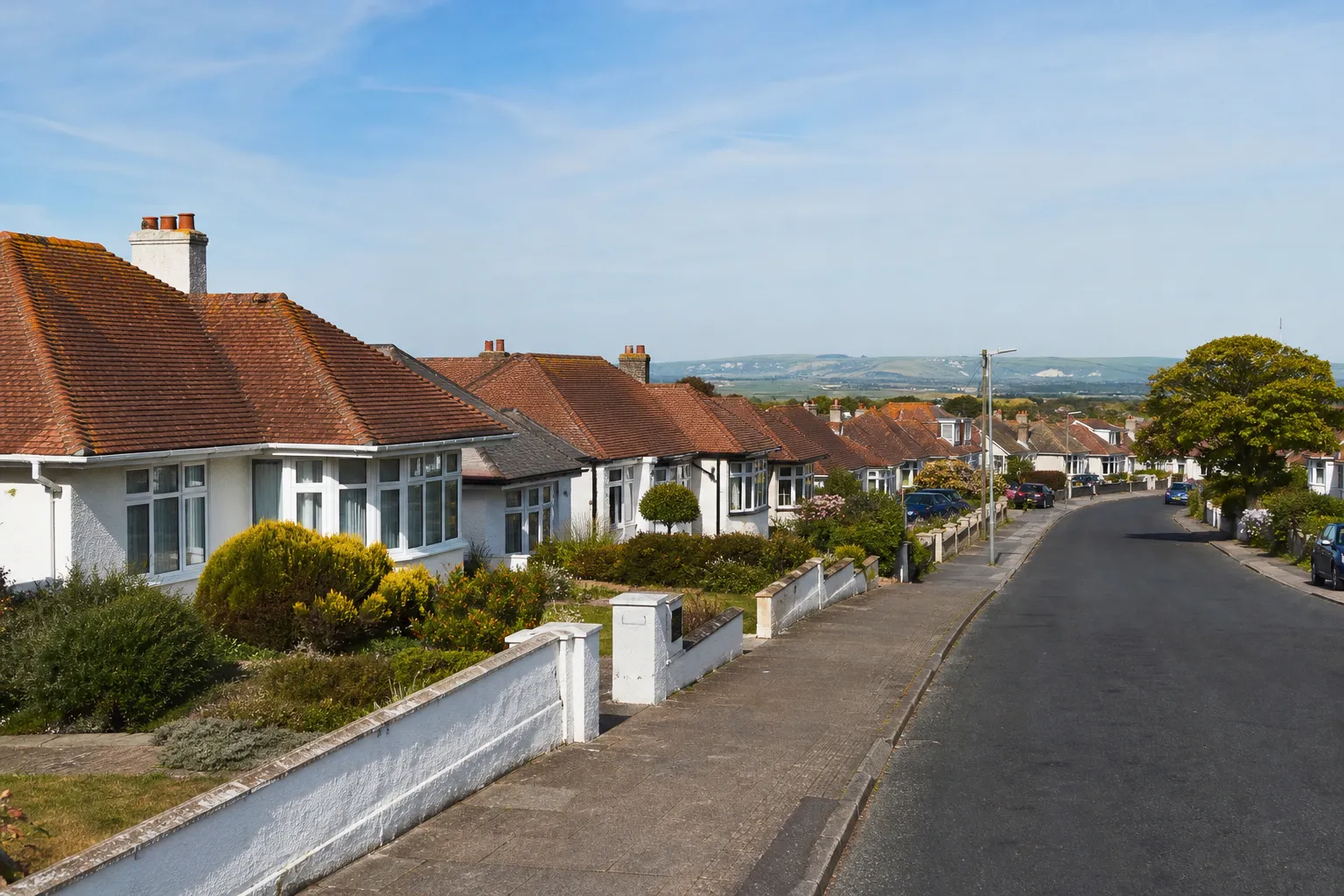
Hermitage grew in stages, so neighbouring houses can carry roofs of very different ages and conditions.
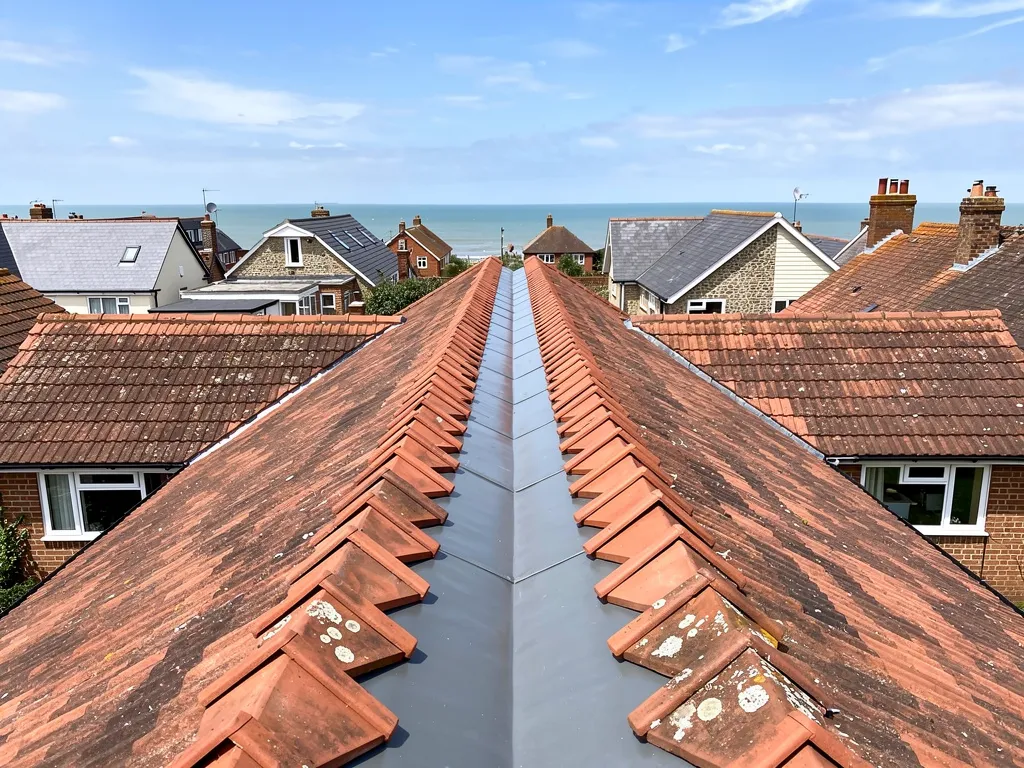
The Hermitage character appraisal, written for the parish neighbourhood plan in September 2022, says the area's character zones reflect incremental growth over the last 120 years. For a roofer that is a practical warning. Two houses side by side may have been built a generation apart, with different tiles, different timbers and different ideas about ventilation, so nothing about one roof can be assumed for the next. Our survey looks at each roof for its own age and condition, from the covering and the battens, the slim timber laths it hangs from, to the underlay beneath and every lead-lined junction. A look inside the loft helps too, since timbers and underlay carry a record of past leaks that the tiles on top conceal. Older roofs here will often have been mended more than once, and part of the survey is telling original work from later patches.
At a glance
- Hermitage grew in stages over about 120 years
- Watersedge, Lumley Road, is Grade II and flint-faced
- Slipper House, Slipper Road, is also Grade II
1.1 Where flint meets the roof
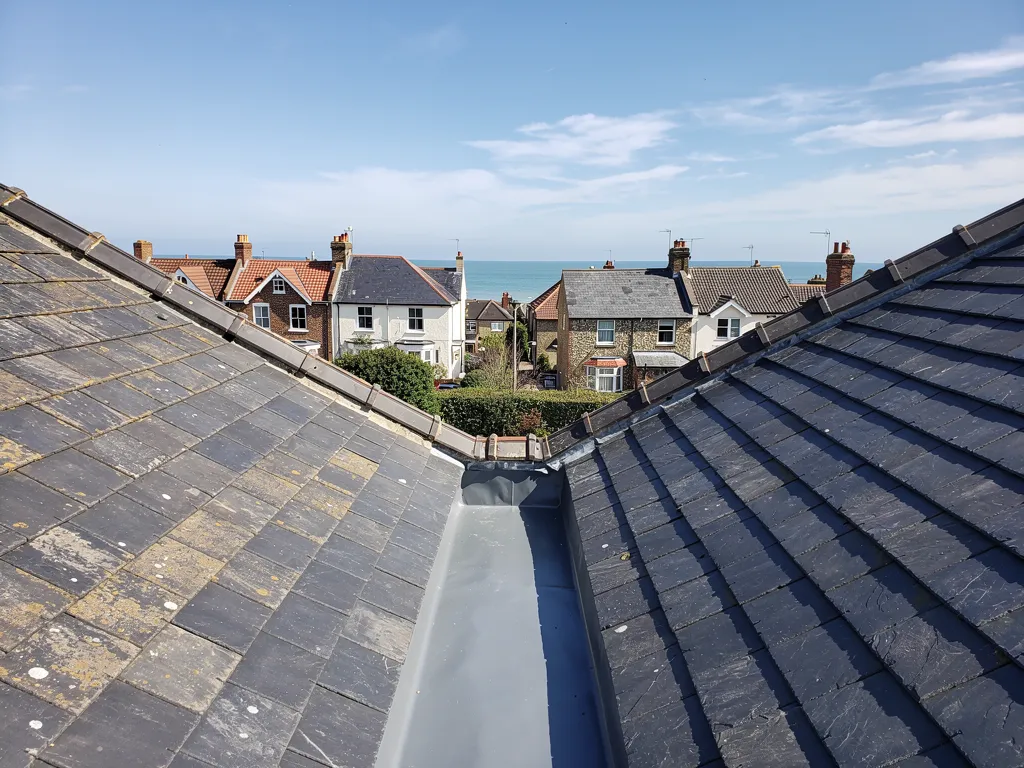
Watersedge, in Lumley Road, is an early 19th-century house of brick faced with flints, and it is one of the listed buildings the appraisal names. Flint walls matter to a roofer because every roof ends at a wall, and the join is sealed by flashing, a band of lead worked over the junction. Flint presents a rough, bumpy face, so a flashing that has pulled from its joint, or split where the lead has moved, lets water trickle down inside the masonry. The damp then appears indoors well away from the fault, so the leak is chased to its start before any price is given. Leadworx calls Code 4 the standard choice for general flashing, and MyJobQuote says lead flashing can last over 80 years, so a flashing that fails early points to movement or poor fixing. Our lead roofing page covers the detail.
1.2 Listed neighbours and consent
Slipper House, in Slipper Road, is also Grade II. Works that alter a listed building's character need listed building consent from the council, and a repair made in a different material can count as one of them. Chichester District Council's planning team is the one to ask, and the answer should be in hand before a scaffold goes up. Not sure about your own house? The council's records show its listing status, and the enquiry costs nothing. On an unlisted house nearby the question is simpler: what is failing, how far does it extend, and what is the smallest repair that settles it.
Lead flashing facts for a flint-faced wall
- Standard flashing code
- Code 4, 1.80 mm thick (Leadworx)
- Soakers
- Code 3 is recommended for soakers only (Leadworx)
- Flashing lifespan
- Over 80 years, over 100 for higher codes (MyJobQuote)
- Patch repair, typical UK range
- £150 to £250 (MyJobQuote)
Source: Leadworx; MyJobQuote leadwork guide, 22/09/26, fetched October 2026