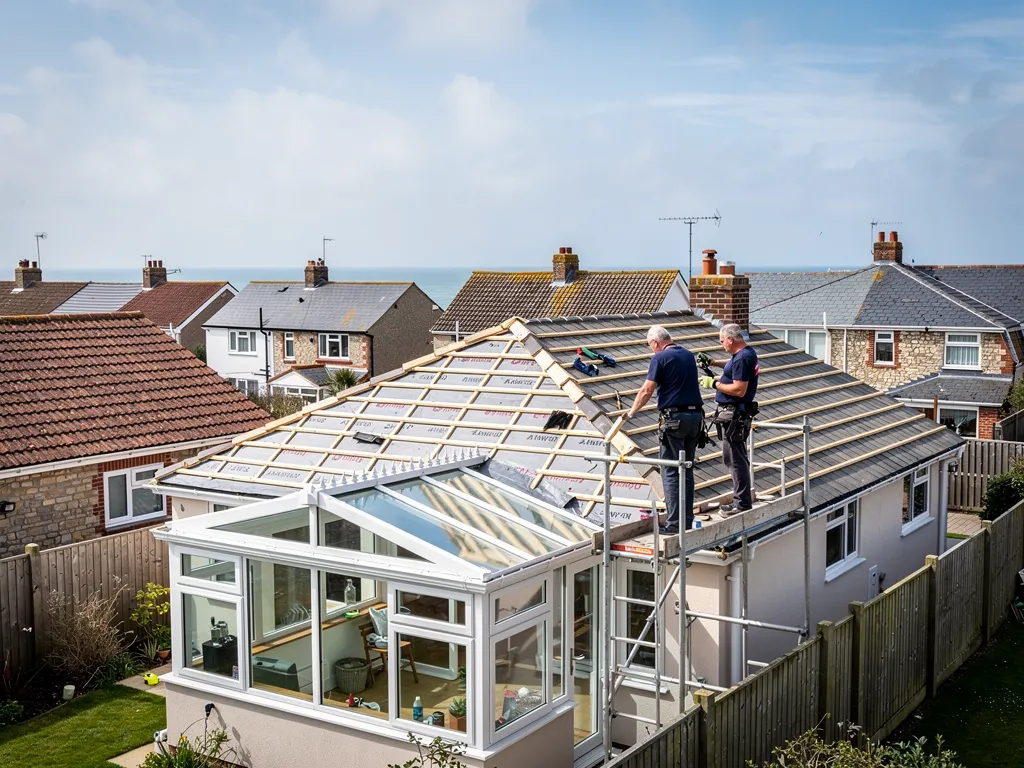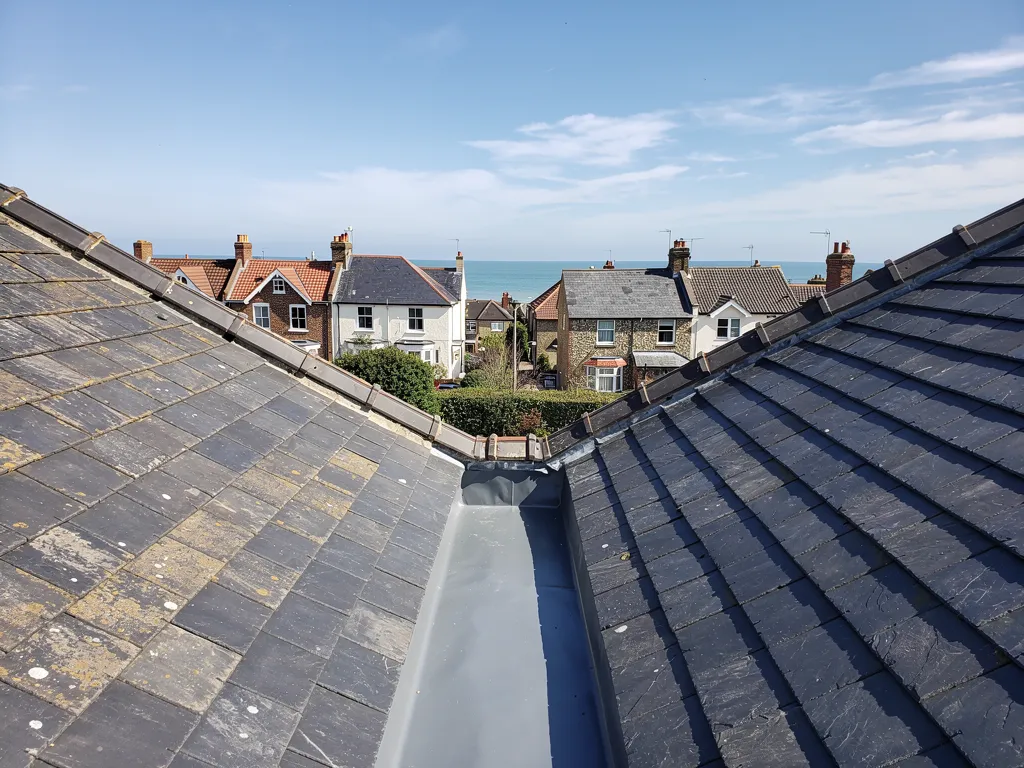
If you are replacing a tired conservatory roof and do not want a tiled one, the choice comes down to two materials. Polycarbonate is a plastic, usually fitted as twin-wall or multi-wall sheets with air channels running through them. Glass is fitted as sealed double-glazed units, often with a coating that cuts glare and heat. Both sit on a frame of bars, and both let the room keep its sense of light.
Most owners start with price, and that is reasonable, but it is rarely the whole story. A cheaper roof that makes the room unpleasant for half the year, or that needs replacing again after a decade, has a way of costing more in the end. The useful questions are how the room feels in July and January, what rain sounds like on it, how long it will last, what it does to the frame and what it costs to fit.
This guide takes those questions in turn. Where a UK figure is published we give it with its source and date, and where none exists we describe the difference in plain terms. It sits within our conservatory roof replacement help, and its aim is to help you decide, not to steer you towards one material.
The two roofs side by side
Before the detail, here is the comparison in one place. The cost and lifespan figures are national guides, and the comments on heat and noise are general descriptions of how the two materials behave.
| Factor | Polycarbonate | Glass |
|---|---|---|
| Typical UK cost | £2,000 to £5,000 | £3,000 to £8,000 |
| Typical life | About 10 to 15 years | Longer, with the frame and seals often the limit |
| Rain noise | Loud, a drumming sound | Quieter |
| Heat control | Varies with the sheet; can feel stuffy in summer | Better with solar control coatings |
| Weight on the frame | Light | Heavier |
The cost ranges are MyBuilder's typical UK figures for conservatory roof replacement (updated 21/08/2026), and the polycarbonate lifespan combines HomeBuilding (18 April 2024), which gives a typical life of 10 years, with The Eco Experts (updated 29 April 2024), who say about 10 to 15. Treat them as guides rather than promises: site exposure, the standard of the fitting and later upkeep all move the result.
Read the table as a starting point. Within each column there is a wide spread, and a premium polycarbonate system can outperform a basic glass one on some measures. What it gives you is the direction of travel: glass costs more at the start and is generally better to live under, while polycarbonate is cheaper to fit and kinder to a weak frame.
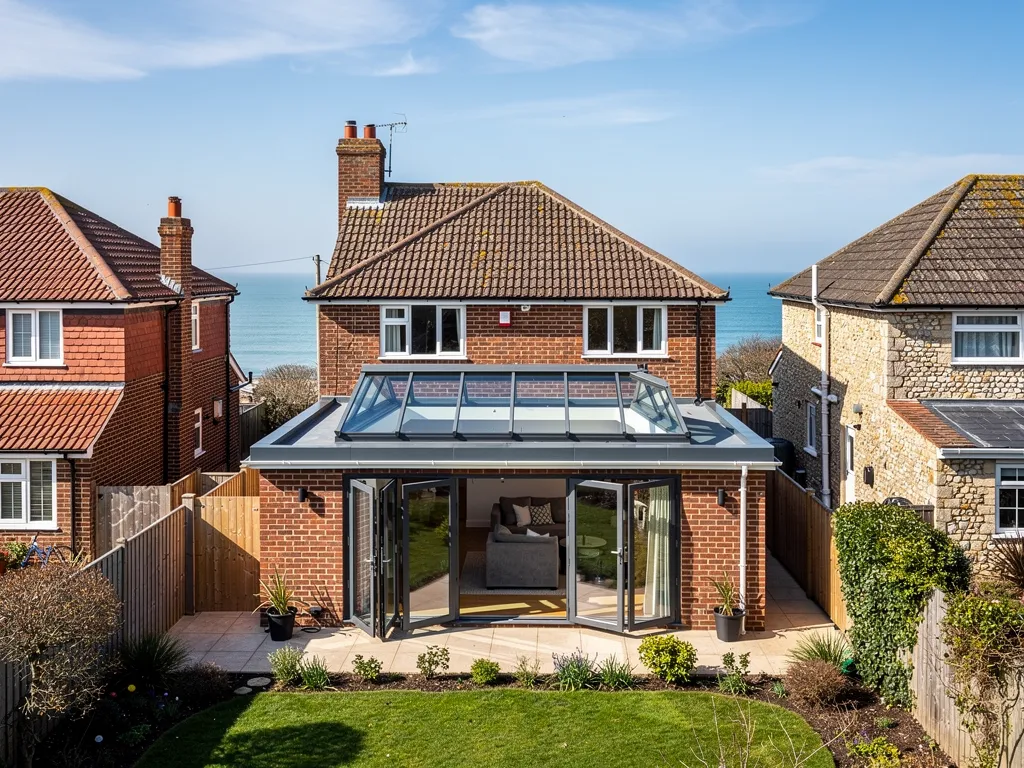
One more difference sits outside the table: appearance. Glass gives a clear, bright ceiling and a clean outline against the sky, while polycarbonate is translucent and can look cloudy, especially once the sheets have aged. For a room that faces the garden and is seen from the house every day, many owners put that ahead of a few hundred pounds.
Heat in summer and warmth in winter
This is the question that decides most replacements, because it is what people notice every day.
Polycarbonate roofs have an air-filled structure inside the sheet, which gives some insulation, and a thicker multi-wall sheet does more than a thin one. The weakness is that the sheet also lets in a lot of solar heat, and a tinted or opal finish only reduces it a little. Many owners find the room stuffy on a sunny afternoon, and some end up fitting blinds. In winter the sheets hold heat better than single glazing would, but they are not a match for an insulated roof.
Glass behaves differently depending on the specification. Plain double glazing keeps more heat in during winter than a typical polycarbonate sheet, but without a coating it can be as hot as polycarbonate in summer. The better glass roofs have a solar control coating that reflects part of the sun's heat and cuts glare, and some also carry a low-emissivity coating that helps hold warmth in during winter. That gives a more balanced year-round result, at a price that sits at the upper part of the glass range.
In neither case is the roof a substitute for ventilation. Roof vents, opening windows and a way to let hot air out matter as much as the material in the roof. Our page on conservatory roof insulation explains what can be added to a glazed roof to improve comfort without replacing it.
If neither is enough
Where the room is meant for year-round use as a dining space or an office, the honest answer can be neither. A tiled, insulated roof gives the steadiest temperature, and the section on cost below shows where it sits against these two.
Rain, hail and the noise indoors
Noise is the difference owners mention most after the work is done, and it is often a surprise because nobody warned them.
Rain on polycarbonate is loud. The sheets are thin and stiff, and they act like a drum skin, so a heavy shower can drown out conversation or the television. Hail is louder still. Thicker multi-wall sheets reduce the effect a little, but it never disappears, and on a coastal site with sudden sea squalls it can happen several times in a week.
Glass is quieter, because the double-glazed units are heavier and the air gap between the panes absorbs part of the sound. Rain on glass is audible but rarely intrusive, and units made with laminated or acoustic glass make the room quieter still. If the room is used for working from home or for evening TV, this alone can decide the matter.
Both materials need to be fitted so that water runs off cleanly. Pitch matters here: a low pitch makes any roof more likely to hold water against the bar seals, so we check the pitch before recommending either one. Our page on rain noise on a conservatory roof goes further into what can be done with an existing roof.
There is also the matter of how each material copes with debris. Leaves, bird droppings and moss gather on any roof. On polycarbonate they show as dull streaks, and on glass as dirt that rain partly washes off, particularly if the glass has a self-cleaning coating. Neither needs aggressive cleaning, and harsh scrubbing can damage the outer surface of polycarbonate.
How long each one lasts
Lifespan is where the gap between the two is hardest to put a figure on, so it helps to be clear about what is known.
For polycarbonate, the published figures are consistent: HomeBuilding (18 April 2024) gives a typical life of about 10 years, and The Eco Experts (updated 29 April 2024) say around 10 to 15. Over that period the sheets can discolour, become brittle or craze, and the seals that hold them in the bars can perish. A polycarbonate roof is not a failure when it reaches that age; it is a roof that has done the job it was priced for.
For glass roofs the guides give no matching range, so the comparison stays descriptive. Glass itself does not yellow or become brittle with age, and the limit is more often the seals, the bars and the gaskets that hold the units in place. A glass roof with a sound frame and well-kept seals can outlast a polycarbonate one, but a glass unit whose seal has failed will mist between the panes and need replacing, which is a unit-by-unit repair rather than a whole new roof.
The bars count as much as the panes
On either roof, the bars and cappings are where leaks usually start. Aluminium bars are durable but their seals age, and old timber or uPVC bars can warp and let in water. If the frame is sound, you can often replace the roof sheets or units on the existing bars. If it is not, the sensible time to renew the bars is when the roof comes off. Our guide to how long a conservatory roof lasts covers the signs that a roof is reaching the end.
What each one costs, and what sits behind the figure
MyBuilder's typical UK ranges (updated 21/08/2026) are £2,000 to £5,000 for polycarbonate and £3,000 to £8,000 for glass, within an overall spread of £2,000 to £10,000+ and an average of around £4,500. Solid roofs, for comparison, come in at £5,000 to £10,000.
The overlap between the two glazed bands is wide, which tells you size, shape and specification matter more than the label. A small polycarbonate roof with simple sheets costs far less than a large glass roof with solar control and a lantern, but a premium polycarbonate system can cost more than a basic glass one on a small lean-to.
Weight is the hidden cost. A glass roof is heavier than a polycarbonate one, and if the existing frame was built for polycarbonate, it may need strengthening. MyBuilder gives £500 to £2,000 for structural reinforcement where it is needed. That figure applies to the job as a whole, and it can turn a price that looked cheaper into one that is not. Our guide to the structural check before a new conservatory roof explains how we assess the frame.
Running costs
A roof that keeps the room usable all year saves you from using other heating or cooling to compensate, and one that lasts longer spreads its cost across more years. Those effects are real but hard to put a pound figure on, because they depend on how you use the room. They are worth weighing against the fitting price, particularly if you plan to stay.
Check what any quote includes. Scaffolding, removal and disposal of the old roof, new cappings and VAT are the usual points to confirm, and a quote that leaves one of them out is describing a smaller job than the one you want.
Choosing for the way you use the room
The decision usually gets easier once you ask what the room is actually for.
If it is a lightly used sun room, a utility space or a place for plants and storage, and the budget is tight, polycarbonate is a reasonable choice. It is quick to fit, kind to the frame and you can expect to replace it again in due course. Choosing a thicker sheet and good ventilation gets the most out of it.
If the room is a dining area, a playroom or a home office, glass usually earns its extra cost. The quieter rain, better temperature control with the right coating and longer life make a real difference to comfort. It is the better choice when the frame can carry it, and when it cannot, the reinforcement has to be priced in at the start.
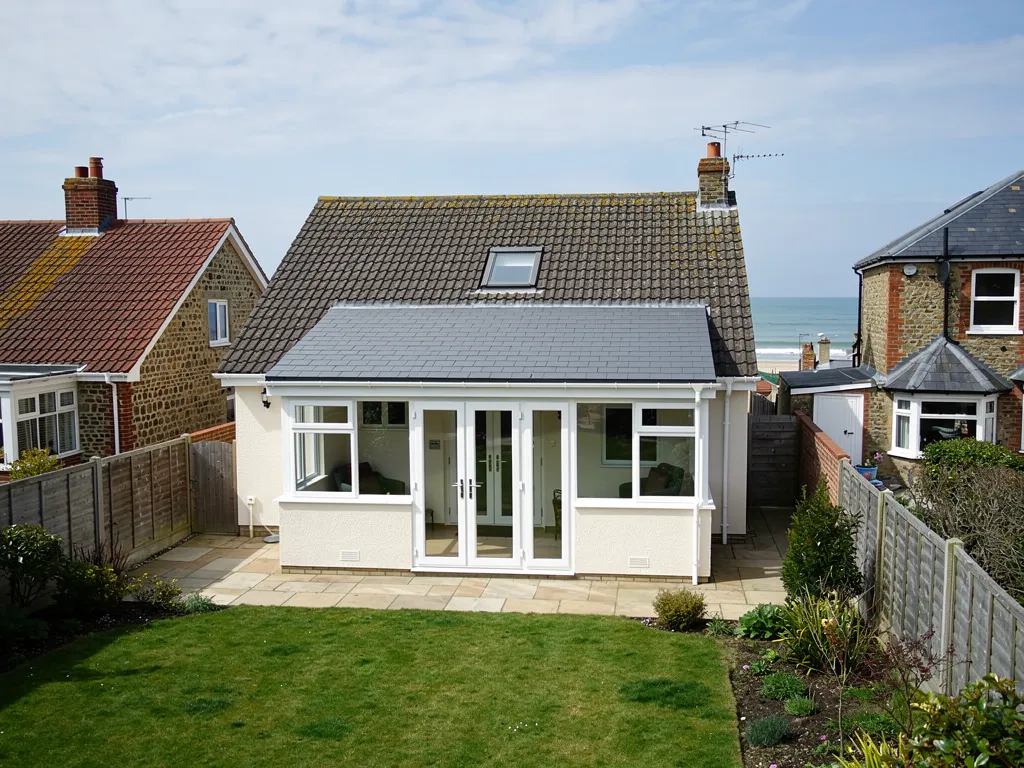
If the room needs to work every day of the year, price a tiled conservatory roof alongside the other two. It costs more, it needs a building control application and it removes the overhead daylight, but it gives the steadiest room of the three. Our page on Building Regulations for a solid conservatory roof explains the consent that goes with it. Glazed replacements are a separate matter, and your building control body can confirm what your own project needs.
What we do before we recommend anything
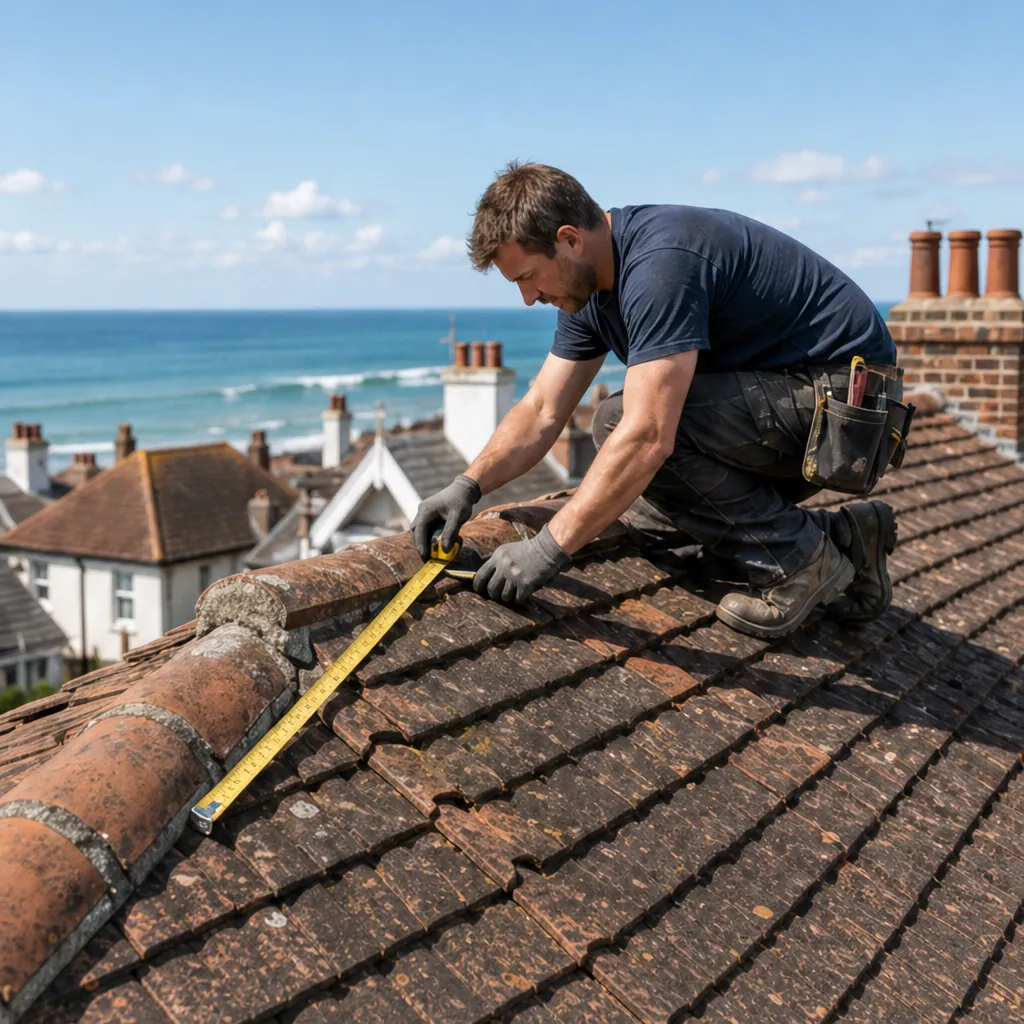
We survey the frame, check the pitch and the junction at the house wall, and take photographs so you see the same things we do, and then send a written quote with a single price. The quote says which glazing is proposed, how the bars and gaskets will be treated and whether the frame needs any repair first. Once the job is finished we take the old sheets or glass away and leave the garden tidy.