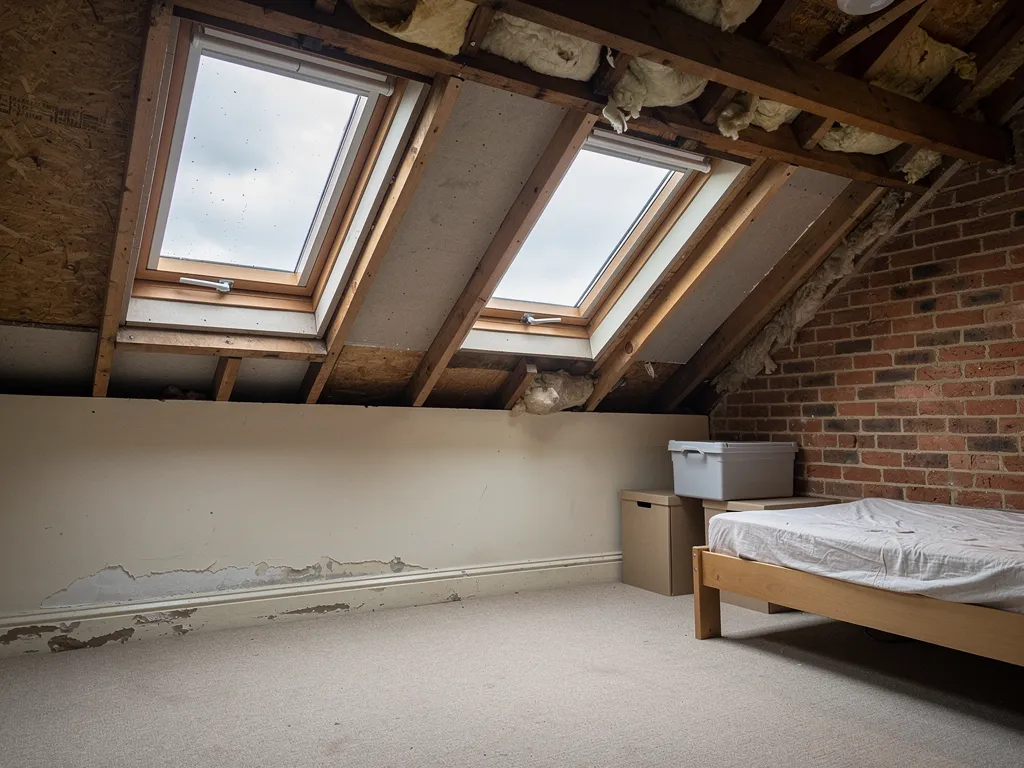
Velux has become the word many use for any roof window, much as Hoover stands for a vacuum cleaner. It is a manufacturer, and other manufacturers sell roof windows built to the same idea: a glazed frame set into the slope, with a flashing kit that makes the join with the tiles or slates watertight. If you are after a lower price, a different style of opening or a window in a size the first maker does not list, looking at the other makes is reasonable.
A cheaper window is not always a cheaper job, though. Fitting makes up a big share of the bill, and it is the same work whichever make goes in. A unit that costs less on the shelf but needs a non-standard flashing kit, a special size or a longer wait can wipe out the saving. The better question is which window gives the right result for the room at a sensible total price.
Below, we set out what to compare when you look at other makes, how typical UK fitting costs break down by source, the options that are not roof windows at all, and what to check if a new unit is replacing an old one. We name no brand as better than another, since the right choice depends on your roof.
Why people look beyond one brand
The reasons we hear at the survey stage fall into a few groups, and each one points to a different search.
Price is the obvious one. A roof window is a manufactured product with a list price, and different makers position themselves differently, so quotes for what looks like the same size can vary. Some people are comparing two quotes and cannot tell why they differ.
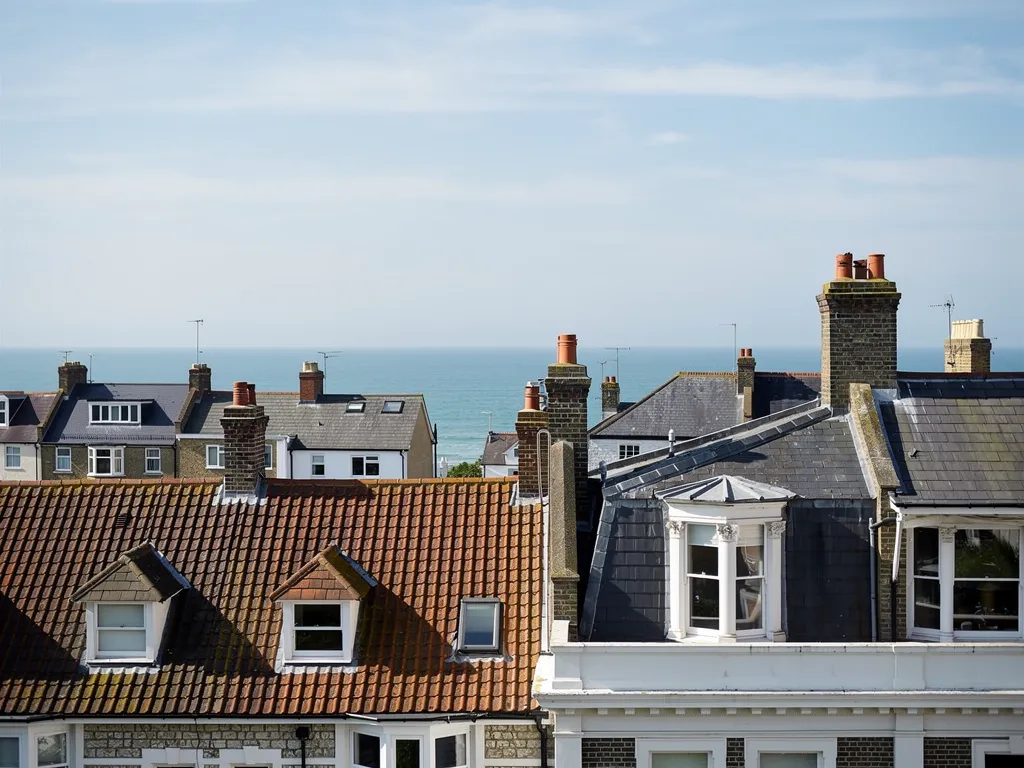
Size is another. Roof windows are made in a set range of widths and heights, and a rafter gap that sits between two sizes may suit one maker's range better than another's. Opening style matters too: centre-pivot units that turn on a mid-height axis, top-hung units that open outward like an awning, and combinations that tilt for ventilation or swing for cleaning. Colour and frame material play a part on visible faces, and on a listed or conservation-area roof the look of the frame can decide the whole choice.
Availability and lead times
Stock matters more than people expect. A window that is listed but backordered may hold up the job and the scaffold hired for it, so ask your fitter what can be on site by the survey date. The cost of scaffolding rises with every extra week it stands.
Finally there is the habit of asking for a given brand by name when the fitter has another make on the van. The fitter's judgement counts for something here, because they know the flashing kits and fixing details they have used successfully on your type of roof.
None of this means the best-known name is a poor choice. It means the choice is open, and a well-chosen unit from any reputable maker, fitted correctly, does the job. The fitting is what keeps water out. Our guide to rooflight or roof window explains the other product type, in case a kerb-mounted unit suits your roof better.
What typical UK costs look like
Cost guides give a picture of the fitting side. MyBuilder, in a guide updated on 21 August 2026, gives a typical UK installation range of £350 to £600 for a standard job, with labour and fitting both counted. The same guide prices a standard centre-pivot roof window at £305 and scaffolding at approximately £500. Those are national typical figures from a third-party guide, not a Watertight price, and they depend heavily on the roof, the access and the size.
Read the figures as three separate things. The window is a product cost. The fitting is labour and the flashing kit. Scaffolding is access. The first can vary by maker; the second does not change with the brand; the third changes with the height of the house and the number of units. Fitting two windows in the same visit shares the scaffold between them, which is one of the few real savings available.
What pushes a price up
Several things raise the total beyond the guide figure: a larger unit; a roof where the covering is slate or stone, which takes more care to cut around; a new opening that needs a cut rafter and trimmers, which brings in the structural work and possibly building control; an opening that needs a new lining and plastering inside; an electric or solar-powered opening mechanism; and a position high on a steep roof.
Look at whether each price takes in VAT and scaffolding, since those two shift a comparison more than the make of window does. Quotes from our contractors arrive as one total, and we keep our pricing good and fair, so you set one total against another with the same scope written into each. The page on skylight or window cost sets out the cost drivers in more depth.
What to compare between makes
When you hold two makes side by side, a short list of points sorts the real differences from the sales language. Ask for the data sheet for each, because the figures are printed there.
- Heat loss. The Building Regulations set a ceiling on heat loss for roof windows: a U-value no higher than 1.4, or Band B on the window energy label. A unit that does not reach it should not be fitted. Both numbers should be on the data sheet.
- Size and fit. Match the frame size to the gap between rafters, or know what cutting it will need. A near fit that saves cutting a rafter saves structure and cost.
- Opening type. Centre-pivot, top-hung or fixed. Where the window is the escape route from a loft room, the clear opening must meet the sizes in the escape roof window guide.
- Glazing. Double or triple glazing, and whether the inner pane is toughened or laminated for safety. Ask about noise reduction if rain on the glass matters to you.
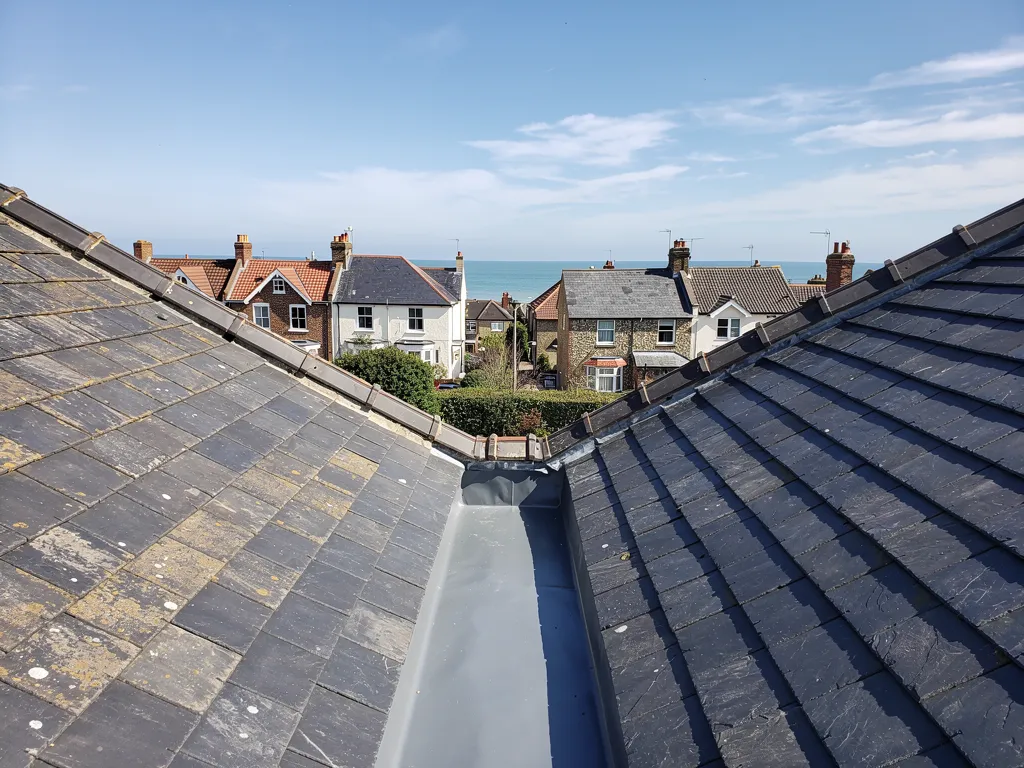
- Flashing kit. Every maker sells kits for slate, plain tile and interlocking tile, and the right one for your covering is part of the order, not an extra to sort out on the day.
- Accessories and spares. Blinds, seals and replacement parts: can they be bought in ten years?
On warranties, a maker's cover says nothing about how long the unit will last. Read what it includes and what it asks of the installer.
Do not mix a window from one maker with a flashing kit from another unless the maker's instructions allow it. The kit is designed around the frame's exact outline, and a near fit is a leak waiting to happen. Roof window flashing kits explains why.
Other ways to bring daylight in
Sometimes the cheaper answer is not another roof window at all. Several products bring daylight into a room, and each fits a different situation.
Sun tunnels
A sun tunnel is a small domed collector on the roof, a reflective tube through the loft and a diffuser in the ceiling. It brings in light, not a view or ventilation, and it suits a landing, a hall or a bathroom under a loft that is not used as a room. Because it needs no large opening in the rafters, it is usually quicker to fit than a roof window. The details are in sun tunnels: daylight without a roof window.
Roof lanterns and flat rooflights
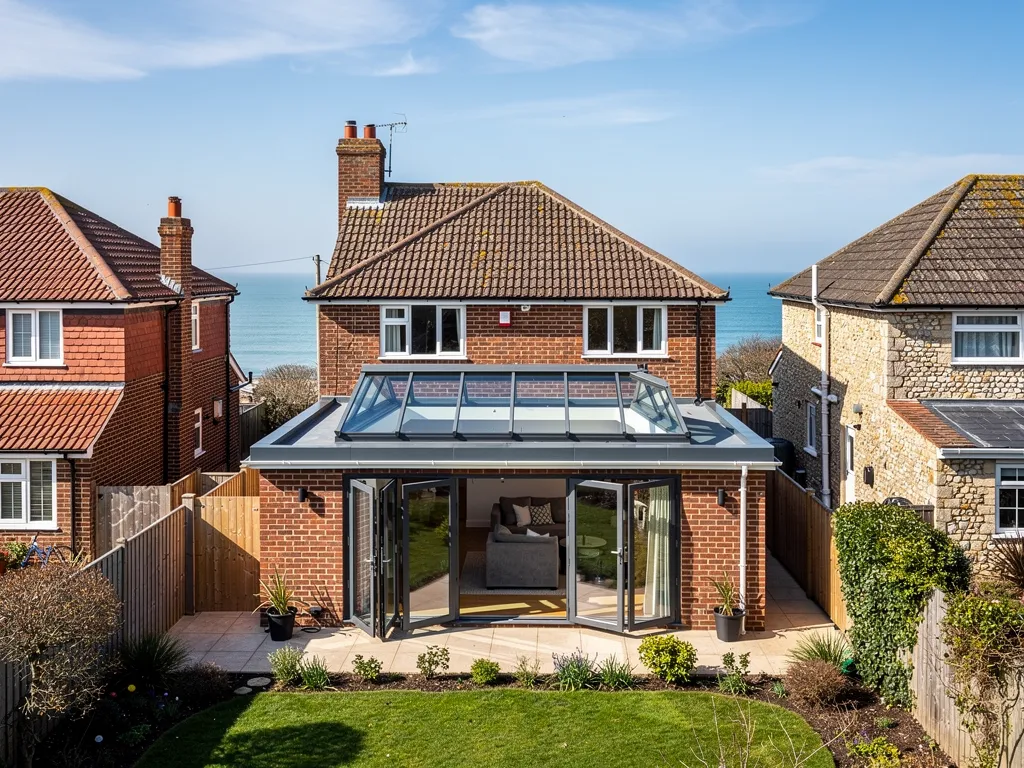
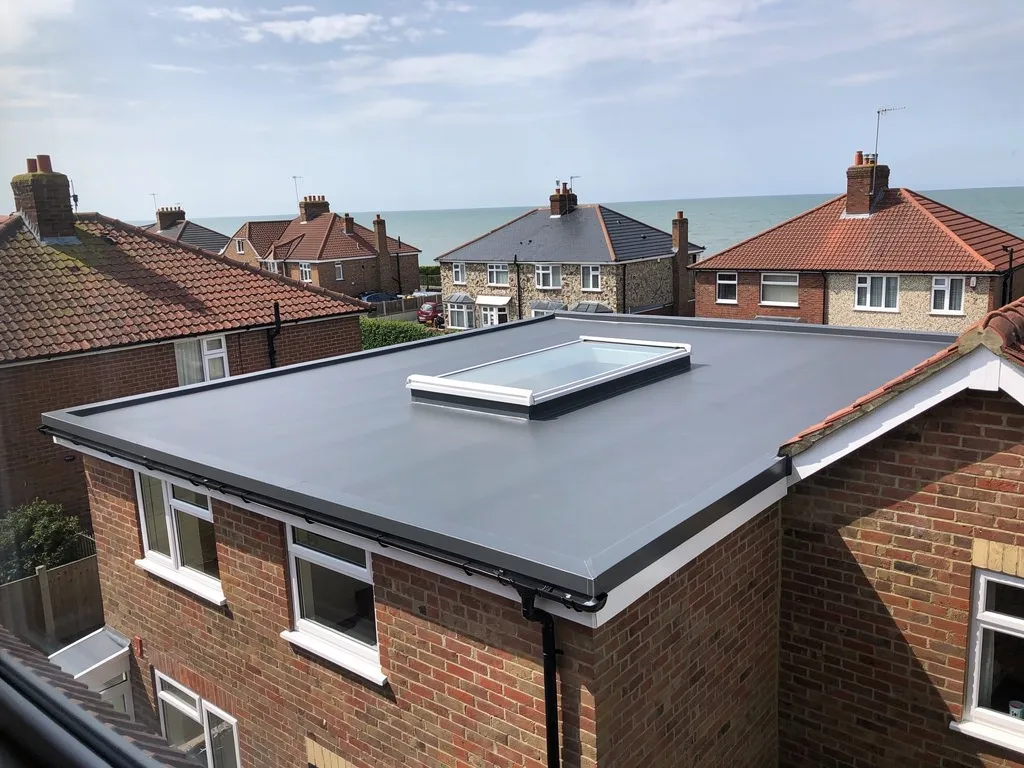
On an extension with a flat roof, the choice is between a rooflight on a kerb and a larger glazed lantern with a pitched or pyramid profile. A lantern brings in a great deal of light and changes how the room looks from inside, but it costs more than a plain rooflight. Roof lanterns on flat roofs and extensions goes through the types.
A conventional window in another place
If the room is on an outside wall, a standard window or glazed door may give more light for the money than anything in the roof, with no roofing work and nothing to flash. It will not help a room in the middle of the plan, which is where a sun tunnel or rooflight earns its place.
Any change to the roof structure, a new opening in a slope or a new flat roof light needs thought about planning and Building Regulations. Start with the facts about side-slope windows and obscure glass if the window is meant for the side of a hipped roof.
Swapping one make for another in an old opening
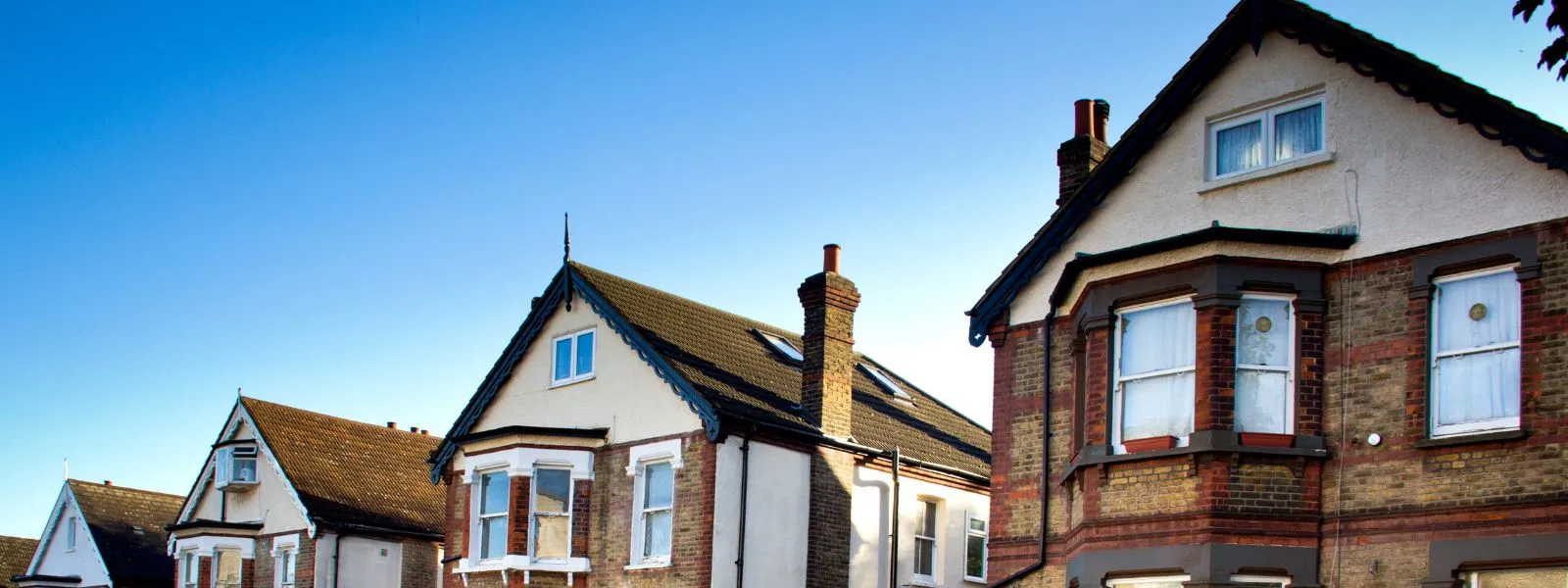
Replacing an old roof window with a different make is common, and the work depends on how the new frame compares with the old opening. A direct swap is the simplest job. The old window is removed, the opening is checked, and a new unit of the same nominal size goes in with a new flashing kit. The pieces that most often go wrong are the sizes: two makes may list a window as 78 by 98, but the frame, the glass and the rebate rarely match to the millimetre.
If the new unit is slightly smaller, the gaps are filled and lined, and the flashing kit may need trimming to suit. If it is larger, the opening must be cut, and that may mean a rafter, a new trimmer, and the building control considerations covered in our guide to Building Regulations for roof windows.
What the old window tells us
Before agreeing to a swap we look at why the old window is being replaced. If it is simply tired, a new unit will do. If it has a leaking flashing or a rotted frame, the problem may be in the opening, and a new window set in the same failing detail will fail again. If the glass has misted, it is the sealed unit that has failed, and sometimes only the glass needs replacing rather than the whole frame.
A replacement roof window counts as new work to an existing home, so today's heat-loss limit applies to it. Old units were often well below today's standard, so even a basic modern unit usually improves comfort and energy use.
Our page on replacing an old roof window covers the sequence on site, and the leaking roof window page covers the cases where water is already coming in.
Who fits it and what you get
Roofers do fit roof windows, and the fitting is a roofing task: the covering has to be lifted, cut and put back, and the join made watertight with lead or a flashing kit. A joiner may do the lining inside, and a plasterer finishes it, but the weather-proofing belongs to the roofer. The answer to whether roofers fit Velux windows goes into who does what.
If you ask us about any roof window, whatever the make, the roof gets surveyed first. That means the loft and the outside, the rafter positions, the covering, and the access needed. You then receive a written quote, illustrated with photographs of the roof, as one total price. Access, covering, window size and type, and anything the survey turns up all move it.
Questions worth asking any fitter
Ask what make and model the quote assumes, what flashing kit goes with it, whether the price takes in scaffolding and VAT, and how the work is signed off if building control is involved. Ask what happens to the old window and the waste. Our crews take the debris away when they go.
Ask any fitter for their guarantee in writing, and ask who stands behind it. Check too that the flashing kit is matched to your roof covering.
To start, email pictures showing the interior and the outside slope, the rough opening size and any make you have in mind. We can then say what to check first at survey, and whether another product might do the job for less. The wider range sits under skylights and roof windows.