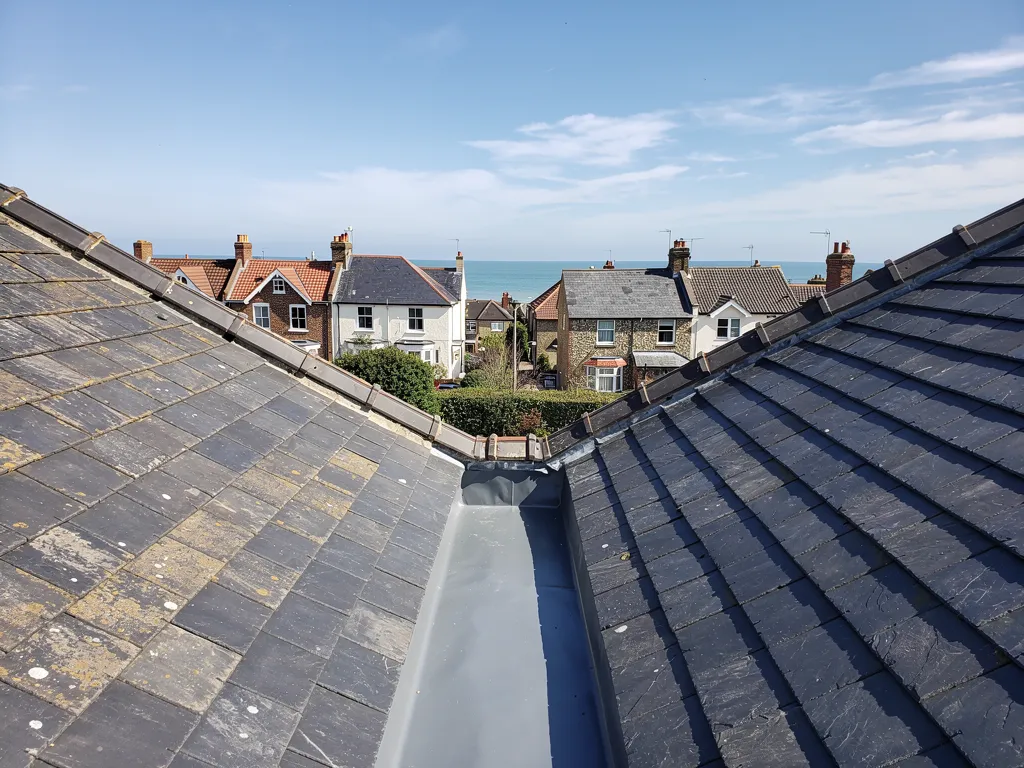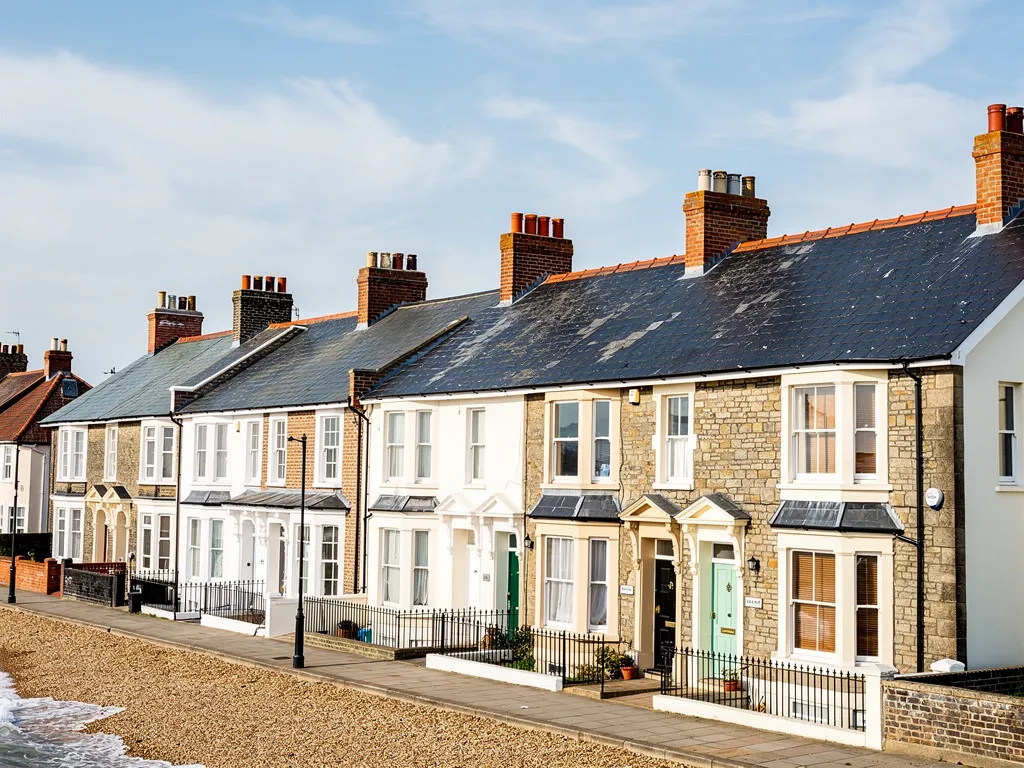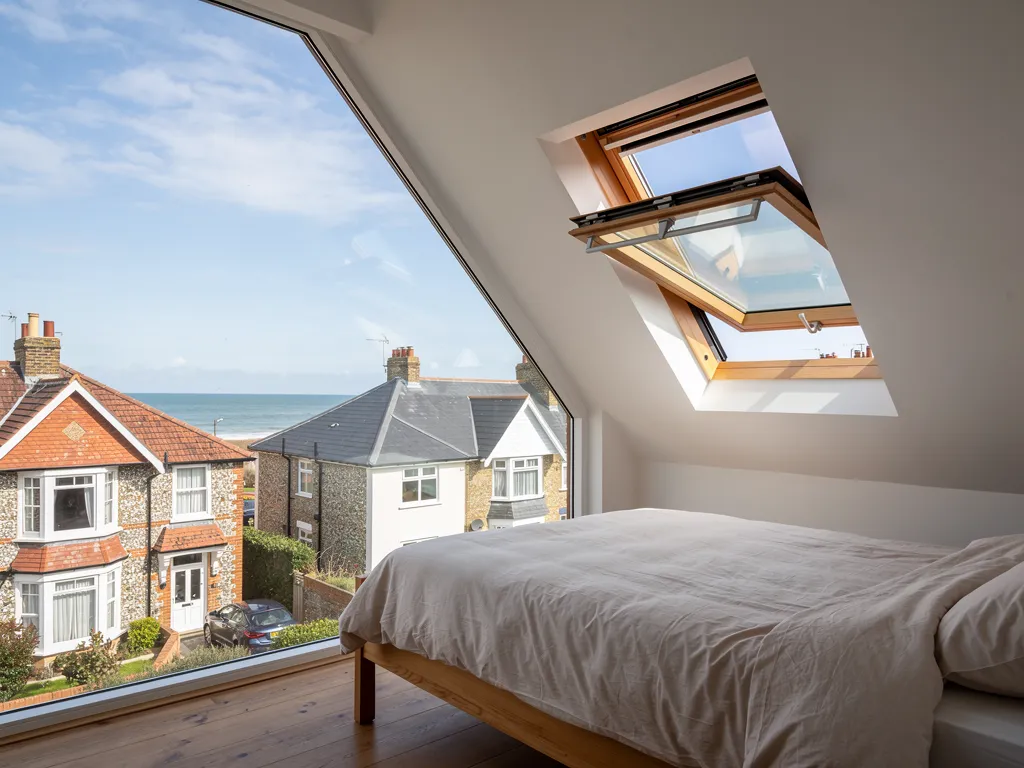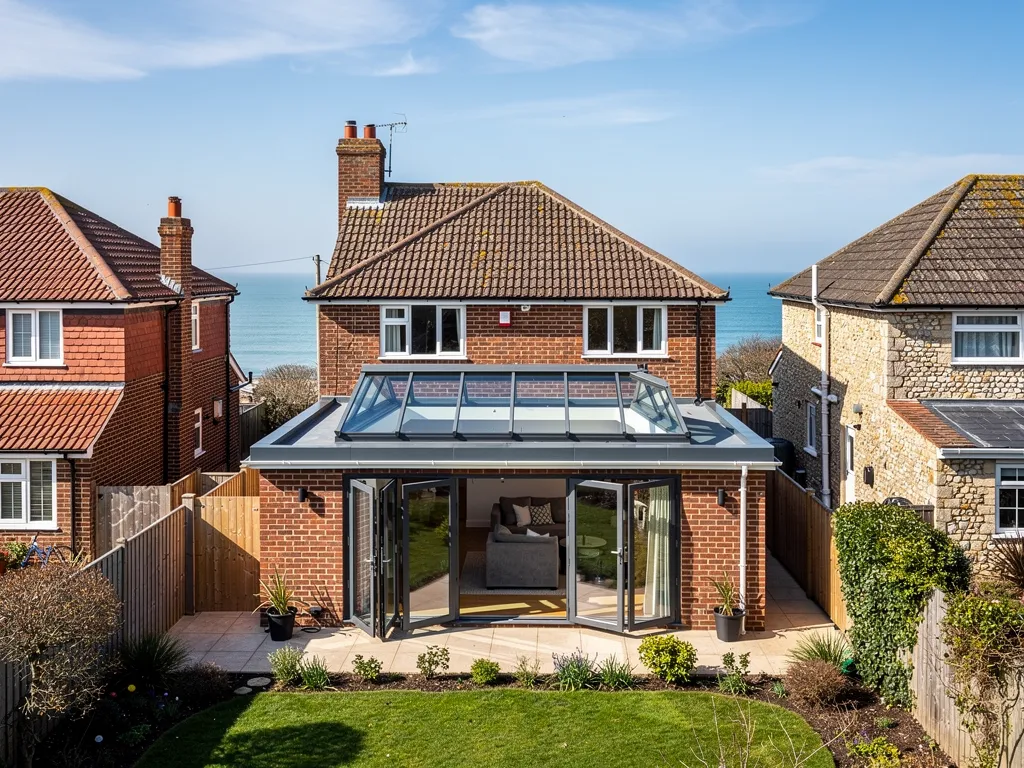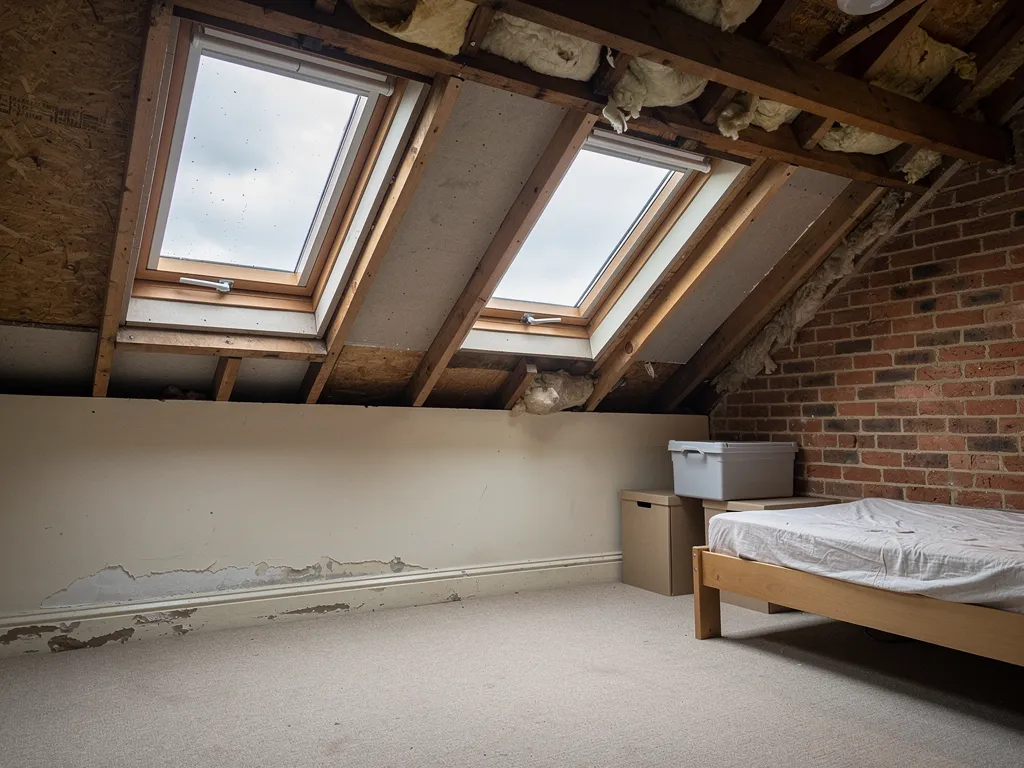
A flashing is the weatherproof strip at the point where a roof meets masonry or another slope. For centuries the answer has been sheet lead: soft enough to be dressed into any shape, durable and easy to repair. Yet people ask about alternatives for good reasons. They have had lead stolen, they want a cheaper or lighter material for an out-of-sight detail, or they are building something where the old metal feels out of place.
The honest position is that a substitute can be a sound choice on some roofs and a poor one on others. What matters is the detail being sealed, how exposed it is, who will see it, and whether the building has protection that limits what can be changed. A hidden junction on a garage roof is a different case from the stepped flashing on the stack of a listed cottage.
This guide sets out the main materials, in plain words, with the figures that exist for them and the places where we would hold back. It is meant to help you ask better questions, and to explain why a surveyor might recommend lead even when you hoped for something else.
Why owners look beyond lead
Theft is the most common reason. After lead has gone from a roof, owners naturally ask whether it is wise to put the same thing back. Our guide on lead stolen from your roof deals with the practical side, including what to tell an insurer, and it is the first place to look if that is your situation.
Appearance is another reason. Fresh lead is bright, then dulls to a soft grey, and some owners dislike the look beside new brick or a modern extension. Others have tried a metal of a different colour on a contemporary building and prefer its finish. Weight is a third factor, since lead is heavy and can be awkward to carry up a ladder or fix to a light structure.
Cost sometimes comes into it, though not always in the direction people expect. Checkatrade gives a typical UK range of £50 to £70 per metre for code 5 lead flashing and £80 to £120 per metre for stepped flashing, before VAT. A cheaper material may save on the metal and still cost as much to fit well, because the labour and the access are the same.
What the detail demands
The less obvious reason to think carefully is that flashings must move. Roofs expand, contract and settle, and a flashing has to take that without cracking or letting go. Lead does it because it is soft and ductile. A stiffer material needs more joints and more care. The choice is therefore partly a question of where on the roof the flashing sits and how much movement it has to absorb.
Sheet metals: zinc and copper
Zinc is the most common metal alternative, and it is used as a roof covering as well as for flashings. The maker VM Zinc states that a zinc roof can last in excess of 100 years, and the Building Research Establishment declaration it cites gives 100 years. HomeBuilding, quoting a contractor, gives a range of 60 to 100 years. Those are published typical figures, not guarantees, and they depend on the detailing and the environment.
Zinc suits some jobs better than others. It is stiffer than lead, so it cannot be dressed into tight, complicated shapes in the same way, and it needs expansion joints on longer runs. It does well in plain, regular details, such as long straight abutments and flat-roof upstands, and on contemporary roofs where its blue-grey finish is part of the design.
Near the sea it needs thought. VM Zinc says zinc performs extremely well in coastal environments but can react with air that has a high salt content. It notes that white deposits build up chiefly where rainwater never reaches, such as soffits and sheltered faces, and advises rinsing with clean water twice yearly at minimum to limit the salt. HomeBuilding makes a similar point about marine air and some metal surfaces. On this coast, a zinc flashing under an overhang would need that attention.
Copper is a further choice for roofs where a lasting, distinctive look is wanted. It is more expensive to buy, and on a house with no other copper it can look out of place. We would normally suggest it only on a building that already has it.
If you are weighing lead against zinc in detail, the answer on white powder on new lead explains the pale surface that metals develop, and the sort of thing to expect after fitting.
Self-adhesive and synthetic flashings
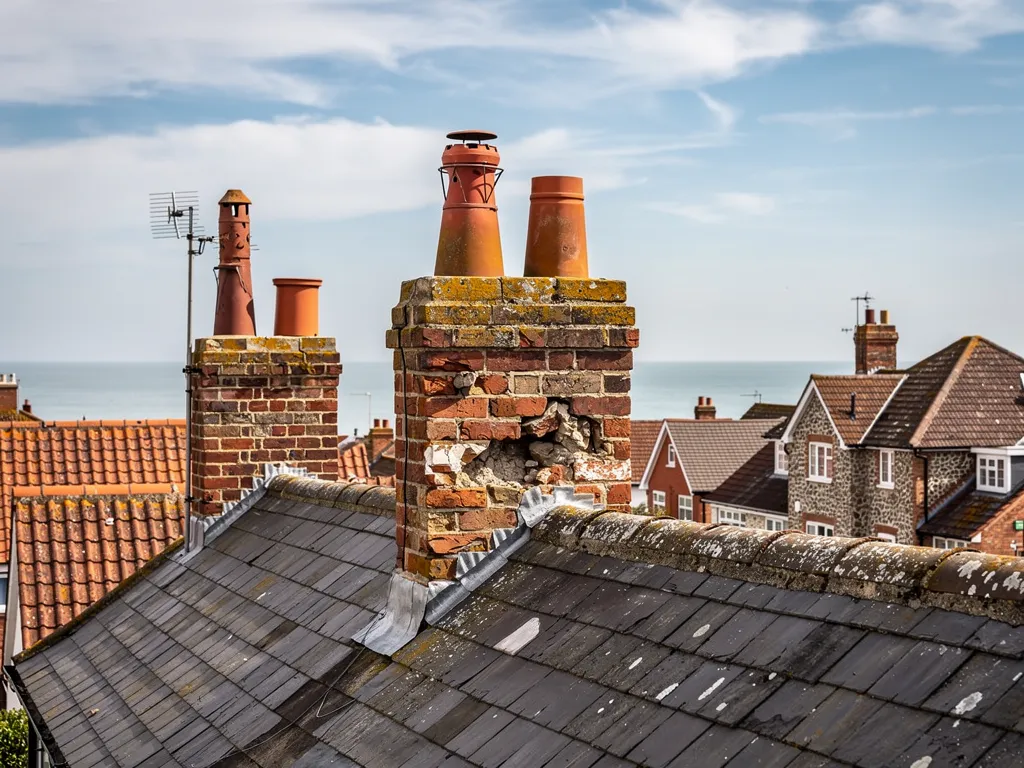
These are the products most owners mean by lead-free flashing. They come as rolls or strips with a sticky back, usually a bitumen or butyl layer with a reinforced or foil surface, and some are finished to look like weathered metal. A roofer cuts the strip to length, presses it against a clean dry surface and dresses it into the joint. For a small, tidy job it is quick and needs no soldering or wedging.
The places where they suit are fairly clear. They work for concealed junctions, outbuildings and lean-to roofs, for emergency make-safes, and as a covering for unusual shapes where a metal flashing would be difficult to form. They also have no scrap value, which removes the reason a thief would take them.
The limits are just as clear. The grip depends on the surface under it, so rough, dusty, damp or crumbling brickwork can stop it holding. Sunlight and temperature changes age the sticky layer over time, and a visible edge can lift. Where it meets a chimney stack in a stepped run, it is harder to get a clean line with a strip than with lead, and replacement is generally not a case of dressing the old one back.
For those reasons we treat synthetic flashings as fit for the right junction and less suitable as a blanket replacement for every lead detail on a roof. Their lifespans vary by product and no single figure applies, so we ask for the maker's data sheet before specifying one and show you what it says.
Flat-roof membranes at the edges
On a flat roof, the membrane is often carried up the wall as a short upturn, an upstand, in place of a separate flashing. MyBuilder (updated 21/08/2026) gives typical UK flat-roof prices of £90 to £130 per square metre for EPDM and £95 to £150 for GRP, compared with £150 to £200 or more for lead.
Mortar fillets and why they are not a flashing
Look at an older house or a small extension and you may see a triangular bead of mortar sealing the line where the roof tiles meet a wall. That is a fillet. It is cheap and quick, and some owners ask whether it can stand in for lead.
As a main weatherproofing detail it is the weakest of the choices. Mortar is rigid and the joint it seals is not. As the roof and the wall move at different rates, the fillet cracks, usually along the line where it meets the brick, and rain gets behind it. The crack can be fine at first, and then the damp shows indoors, often well down the wall. A fillet often becomes the reason a roofer is called to look at a leaking abutment.
A fillet can serve as a supplement, for example as a bed for a flashing, but it should not be the only protection. If your roof has one and has not leaked, it may still be adequate. If it has cracked, the sensible repair is normally a proper flashing, with the old fillet cleaned away and the joint made good. Our guide to lead flashing repairs explains the difference between a repair that lasts and a stop-gap.
The same goes for sealant. A bead of mastic along a junction does not replace a flashing, and it hides the cracks that tell you the joint is moving. We use sealants where they belong, as a finishing detail or a temporary seal, and not as a substitute for the metal.
If the aim is a lead-free finish, then the real choices are the sheet metals and the synthetic strips above, each matched to the detail they will protect. A good surveyor will explain, with photographs, which detail on your roof could take a substitute and which could not. Ask to see the existing flashing and the brickwork beside it before you decide, since their condition often settles the question.
Listed buildings, churches and conservation settings
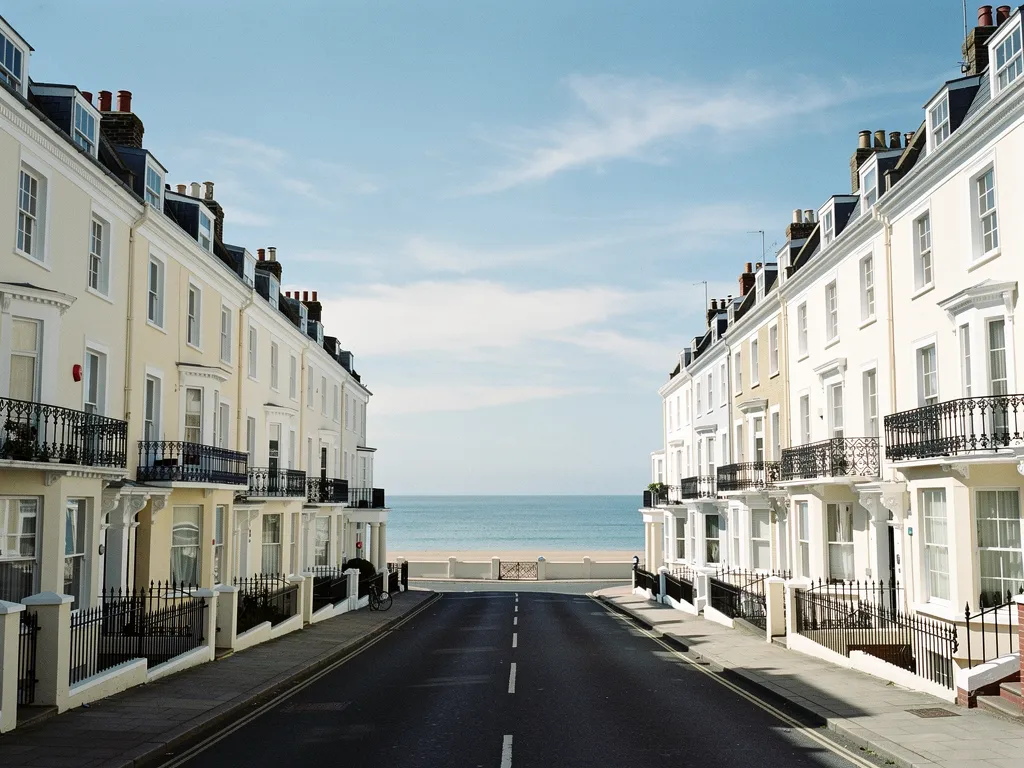
Where a building has protection, the choice of flashing material is no longer only yours. Any work changing the special character of a listed building needs listed building consent, and the Adur and Worthing guide to consent lists a repair in unmatched materials among the cases. Lead flashing replaced with lead would normally be a like-for-like repair. Lead replaced with a synthetic strip is not.
The South Downs National Park Authority draws the line in a similar place: ordinary upkeep and minor in-situ repairs in matching materials need no listed building consent, whereas altering or wholly renewing historic features that shape its character needs it. For a listed building in the National Park, that is the authority to ask.
Churches have their own route. Under the ecclesiastical exemption, a church in worship use is outside listed building consent if it belongs to one of five named denominations, which are Anglican, Roman Catholic, Methodist, Baptist and United Reformed. Each follows its own approval process, and for the Church of England that process is a faculty. A church that is closed or redundant loses the exemption and needs listed building consent. Scheduled monuments need scheduled monument consent.
Our guide to lead on listed buildings and churches goes through each case in more detail.
Conservation areas
A conservation area does not by itself forbid a change of flashing material, but the look of the street is part of the reason for the designation. If you are not sure, ask the Adur and Worthing planning team before committing to a substitute. For a property in the National Park, ask the National Park Authority.
Choosing a flashing for your roof
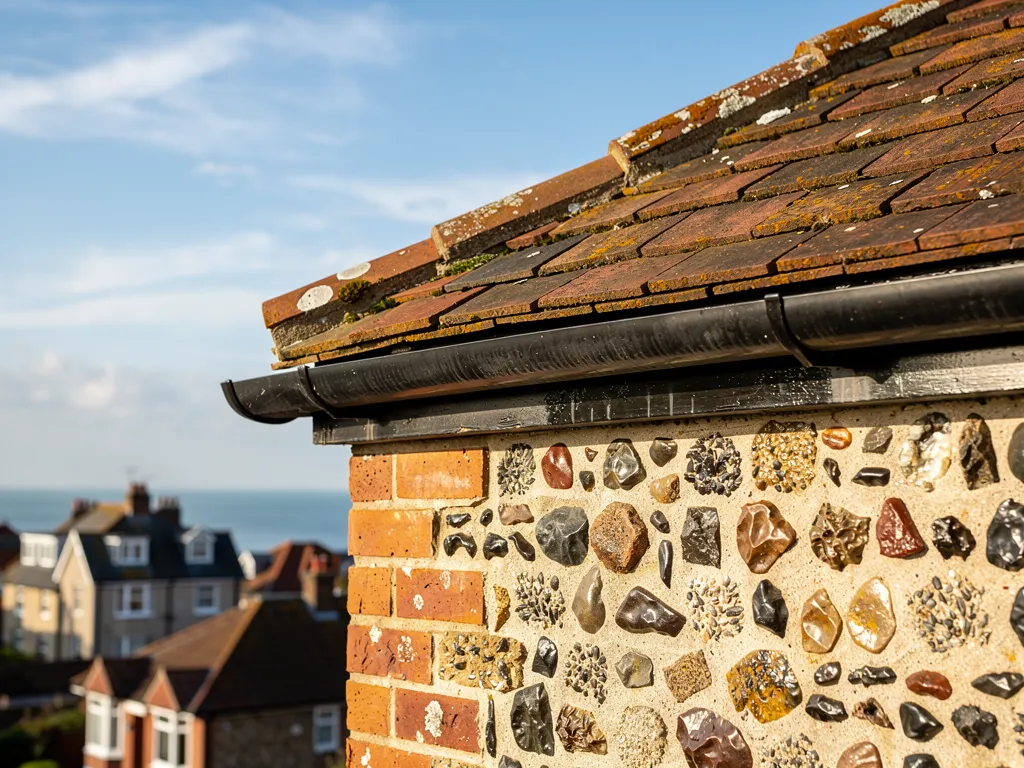
Start with the detail, not the material. The stepped flashing up the side of a chimney, the apron at its foot, the back gutter behind it, the cheek of a dormer and the abutment of a flat roof against a wall are all different jobs. For some of them lead remains the best tool. For a hidden outbuilding junction, a self-adhesive strip may be entirely reasonable.
Four questions help to decide. How exposed is the detail to driven rain and wind off the Channel? Is the surface behind it sound enough to hold an adhesive product? Does the building have any protection that limits changes? And is theft a live concern, in which case a material with no scrap value deserves serious weight?
Then ask for evidence. At survey we photograph the existing flashing and the brickwork beside it, explain what we would use for each detail and why, and send you a quote in writing with a single total. Where we recommend lead, we say what is wrong with the alternatives on that spot. Where a substitute will do the job, we tell you, because the right job is not always the biggest.
If you want to see how the same question comes up on a particular detail, our guide to lead dormer cheeks and roofs shows a case where shaping and movement favour sheet metal. The guide on dealing with a theft covers the insurer side.
Whichever metal you choose, the written quote names it, so you know exactly what is being fitted. For the full range of lead work, see the lead roofing page.