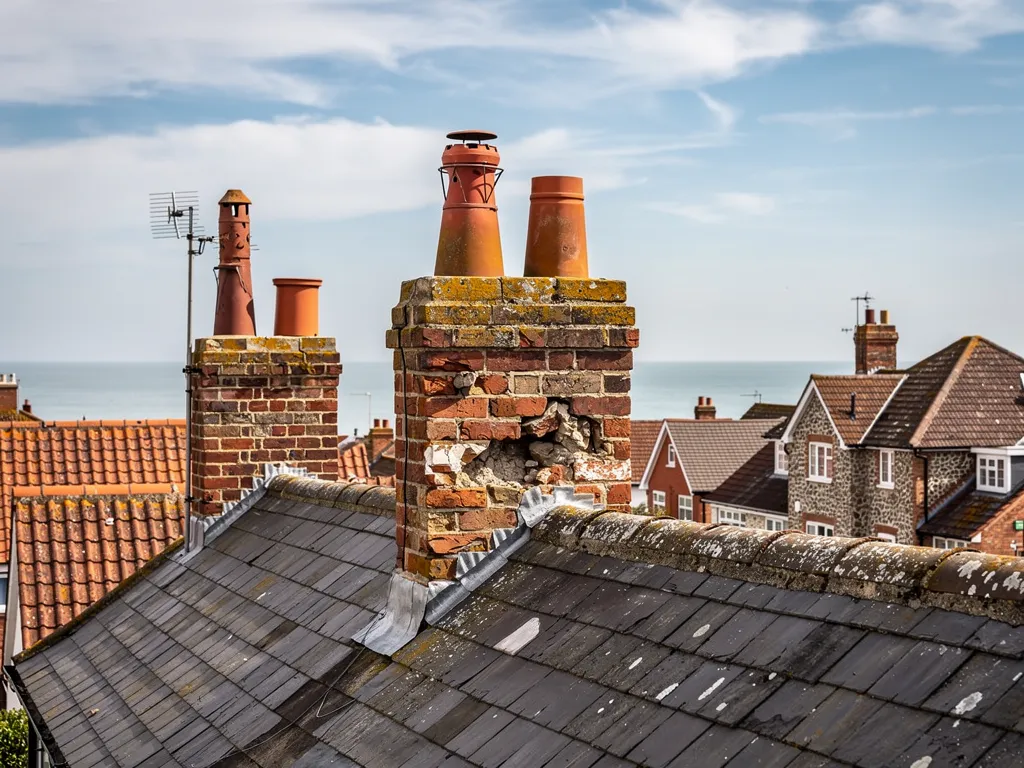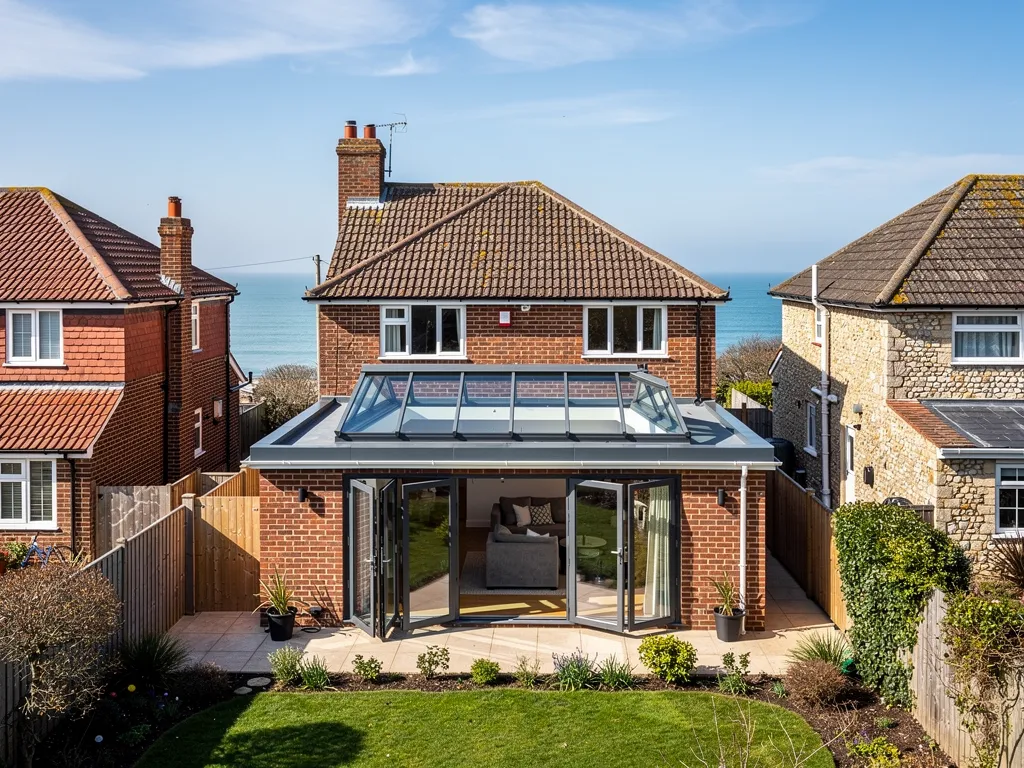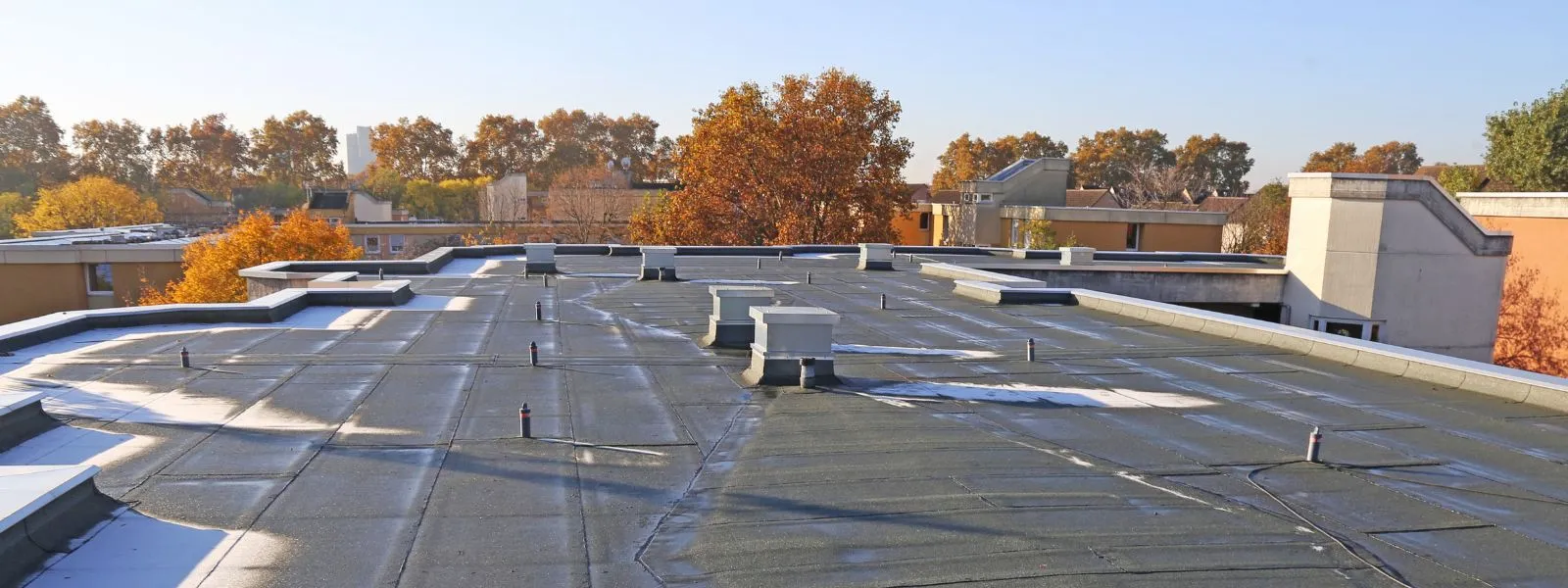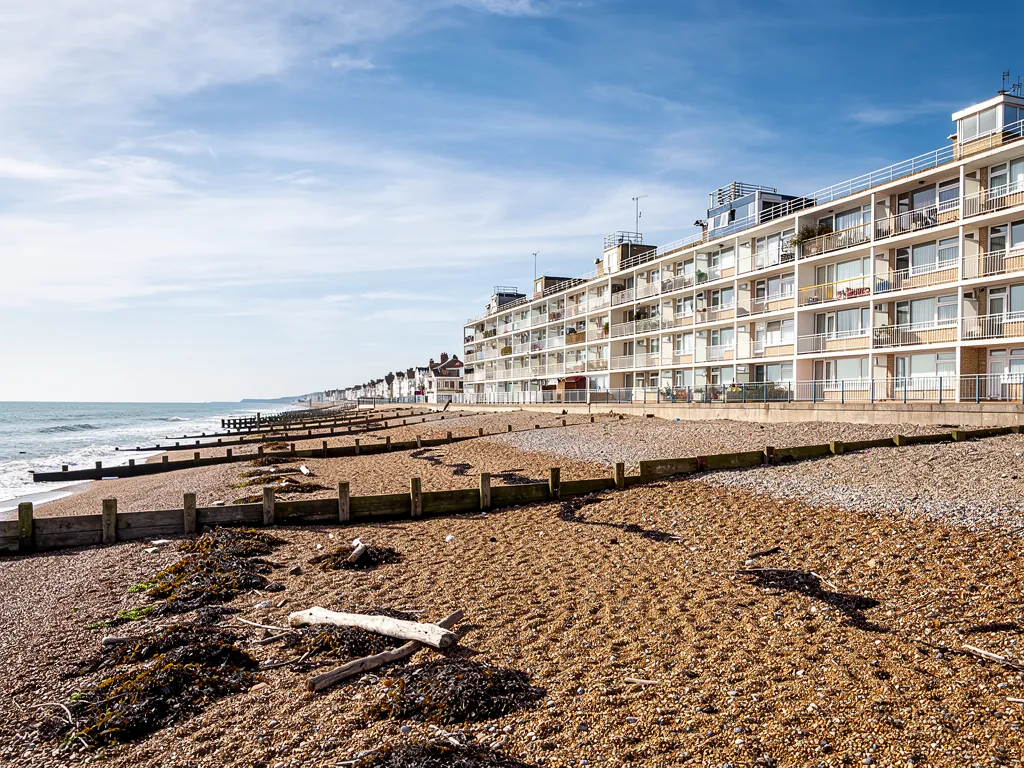
Lead is one of the metals most often taken from roofs, because it is heavy, soft to cut and worth money as scrap. Thieves go for the long, accessible pieces: flashings on a chimney or a wall, valley linings, the lead covering a dormer cheek or a porch roof, the sheets on a flat bay. On a church or a large house, the loss can be a whole slope of metal.
What the owner finds is often not the theft but its effect. A wet ceiling after a night of rain, a strip of bare timber where grey metal used to sit, a bundle of offcuts on the lawn. The roof underneath may be perfectly sound, but without its lead the junctions are open, and every shower gets in.
This guide sets out what to do in sequence. It covers making the roof safe, reporting the crime, speaking to your insurer, what a roofer should record, and the choices for replacing the lead, including when a different material makes sense. It does not promise any outcome from an insurer, because that decision is theirs.
Make the roof safe before anything else
Start from the ground. Look up at the roof from your garden or the pavement, ideally with binoculars or a phone zoom, and note where the lead has gone. Do not climb up to check. Ladders against a wet or damaged roof edge, and a surface that may now be missing its covering, make this a job for someone with access equipment.
Inside, move belongings away from wet areas, put buckets under drips and switch off any lights or sockets in a room where water is coming through a ceiling. If a ceiling is bulging with trapped water, a small hole made carefully in the lowest point lets it out in a controlled way rather than collapsing, but only if you can do it from a safe position and keep clear of fittings.
The roof itself needs covering as soon as can be arranged. Active leaks are our priority, and protecting the building comes first, which for a stolen flashing or valley usually means a temporary waterproof cover or sheet fixed over the open junction, so the structure can start to dry. It is a stop-gap, and the permanent repair follows once the weather allows and the paperwork is in hand.
Take photographs before cover goes on
Photograph the bare area, the damage around it and any offcuts left behind, and note the date and time you found it. Take wide shots of the whole elevation as well as close ones, so the position of each missing piece is clear to someone who has never seen the house. A roofer working on a make-safe can add close-up pictures from the roof. Those images help the police report, the insurer and the repair plan, and they cannot be recreated after the new lead goes on.
Report the theft to the police
Lead theft is a crime like any other theft from a building, and it should be reported. Use the police non-emergency channels unless you believe the thieves are still on site, in which case call 999. Give the address, when you think the lead was taken, roughly how much is missing and what you have seen, such as ladders, vehicles or unfamiliar visitors. Neighbours with cameras or doorbell footage may have more than you realise, and it is worth asking them to keep recordings.
Ask for a crime reference number and keep it. Insurers usually want it when you make a claim, and so does anyone who later asks about the history of the roof. If the property is a rental, tell the landlord or managing agent at the same stage so that the roof is dealt with promptly.
If the building is a church or a listed property, the diocese, the denomination's own body or the local authority conservation officer may also need to be told, depending on who owns and manages it. Where a church is still used for worship, the Church of England works through its faculty system and the other exempt denominations through their own approval routes. The ecclesiastical exemption is explained in the guide to lead on listed buildings and churches.
The police report is about the crime. It does not repair the roof, so do not wait for it before arranging the make-safe. The two run in parallel: the cover goes on first, the report follows within the day, and the photographs go with both.
Tell your insurer, and speak to them before permanent work
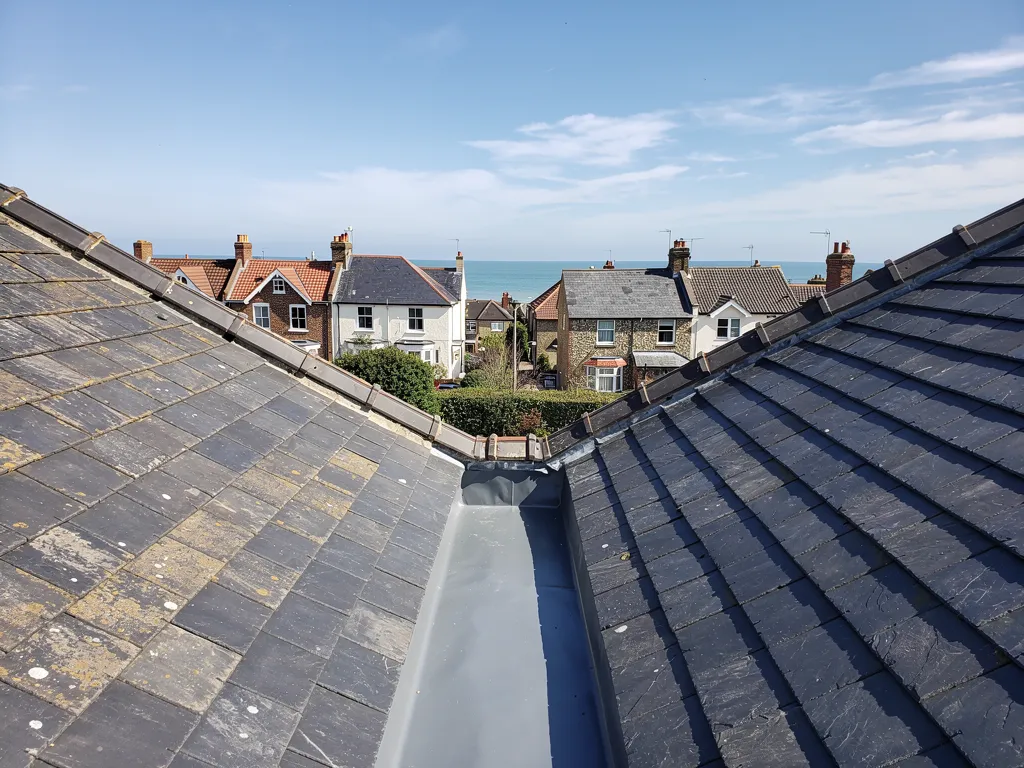
Get in touch with your insurer promptly. After a storm or a theft alike, the usual order is to notify the insurer, then protect the opening with a short-term fix that stops water getting further in. Theft is a different peril, but the same order makes sense: tell them, arrange temporary protection, and keep every receipt.
Ask what cover your policy gives for theft from the building as distinct from the contents, whether there is an excess, and whether they want to inspect before permanent work begins. Some insurers appoint their own contractors, and some accept a quote from the roofer of your choice. Which of those applies is for your insurer to say.
A payout is never certain, and only the insurer decides whether a claim succeeds. Which? reported in November 2025, citing Financial Conduct Authority figures, that 32 per cent of storm claims made in 2024 ended in a payout, which shows how closely insurers read cause and policy wording. The lesson carries over to theft: record the facts clearly and ask the insurer to put its decision in writing.
If you disagree with the decision
Complain to the insurer first. The Financial Ombudsman Service says a complaint can go to it when the insurer has not issued a final answer after eight weeks, or when you are unhappy with that answer, and the clock allows six months from the date printed on the final answer. The ombudsman's service is free. Their pages on storm damage explain how cases are judged.
What a roofer should record after a theft
A good record serves three readers: the police, the insurer and whoever does the permanent repair. After a theft, we survey the whole roof and not only the section you can see is missing, because those who take one run of lead often take others. The survey notes every flashing, valley, soaker and flat area, with photographs of the bare timber, the fixings left behind and anything damaged during the removal.
Thieves are not careful. They may have lifted tiles, broken slates, snapped the boarding or pulled a chimney flashing out of the brickwork with part of the mortar attached. Damage like that can double the work, so we separate what the theft took from what it broke. Water that has since entered also needs assessing: wet insulation, stained rafters, damp plasterboard in the room below.
The quote that arrives after the survey gives the replacement as one total price. If the insurer wants more detail, the survey report and photographs give the evidence. We describe what we found and what is required, and we leave decisions on the claim to you and your insurer.
Where the work includes new scaffold, the quote should say so. MyBuilder (updated 21/08/2026) gives a typical UK range of £850 to £1,200 for a standard two-storey scaffold setup. Check whether any quote includes VAT as well.
It is also worth asking the roofer to look at the other lead on the building, such as a chimney or a dormer. Our guide to lead dormer cheeks and roofs shows what sits on those details and what to inspect.
Replacing the lead: like-for-like or something different
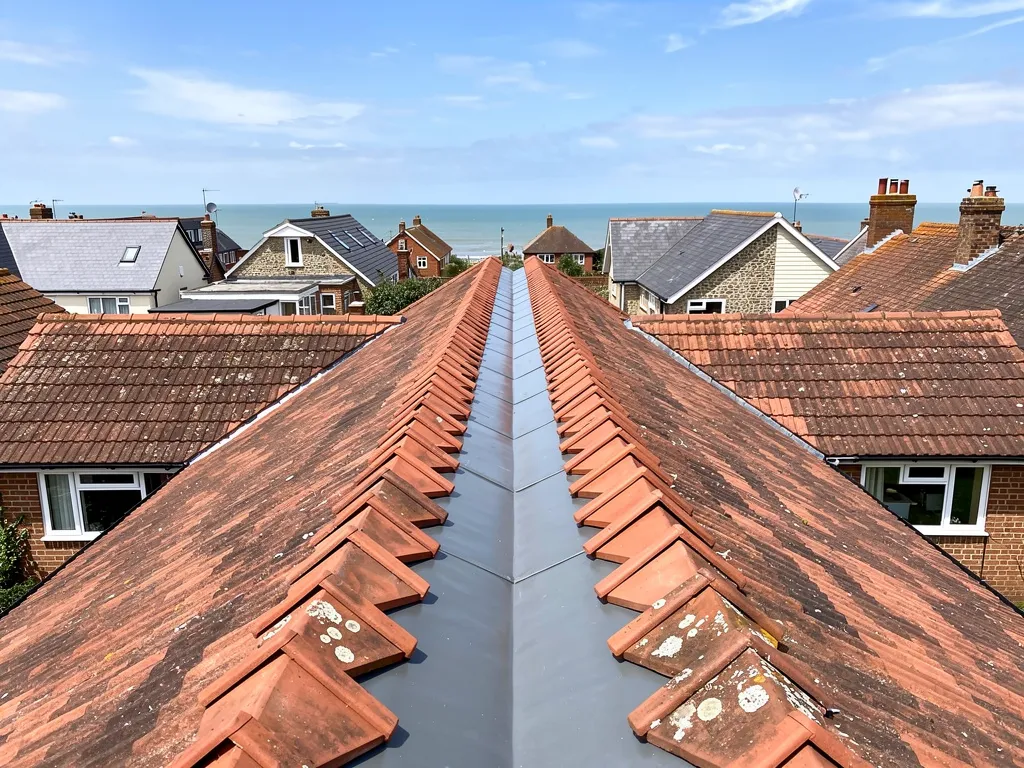
The default is new lead, laid like-for-like and fitted properly: correct laps, wedges set in a sound joint, a code chosen for the position. For the general flashing work on most houses, Leadworx treats code 4 as the usual lead, with code 3 reserved for soakers and heavier codes for large roofs. Your quote names the code we propose and the reason, and any old lead that remains is shown to you.
Costs depend on the length, the access and the detail. Checkatrade lists code 5 flashing at £50 to £70 a metre and stepped flashing at £80 to £120 a metre, exclusive of VAT. MyJobQuote (22/09/26) gives £350 to £460 for full replacement of chimney leadwork without scaffold and £700 to £920 with it. Larger losses, such as a dormer or a flat roof, cost more. MyBuilder (updated 21/08/2026) shows lead flat roofing at £150 to £200 or more per square metre, compared with £90 to £130 for EPDM and £95 to £150 for GRP.
Some owners decide not to put lead back, especially if a theft has happened once. The alternatives are real, and they have limits, particularly on older buildings. Our guide to alternatives to lead flashing explains where substitutes work and where conservation rules rule them out.
Listed buildings and conservation settings
Switching metal on a listed building can need consent. Adur and Worthing Councils list replacement work in different materials as needing listed building consent, so check with the council before agreeing to a substitute.

Looking after the roof after replacement
Once new lead is down, the roof deserves a closer look than it had before. Check from the ground after heavy weather for anything lifted or displaced, and look in the loft after the first few storms for tide marks. A thief who came once may come again if he knows the roof is accessible, so think about how someone got up there in the first place. A flat extension roof next to a garden wall, a garage with a low pitch or scaffolding left standing can all provide a route.
Talk to your insurer about what they expect. Some policies ask for specific measures after a theft, and your insurer will tell you which ones, if any, apply to yours. Some owners fit alarms or forensic marking, and some choose a different metal for the most exposed details. Whether any of that matters to your policy is a question for the insurer.
Maintenance matters too. Flashings loosen over time, and a lead flashing coming away from a wall is easy to confuse with theft damage until you look closely. If you spot lead pulling out of the wall, read the answer on lead flashing pulling out of the wall, and for repair options see lead flashing repairs.
Replacement work is planned once the survey is done, and you receive the photographs alongside the quote. If you are dealing with a theft now, start with the make-safe, and send us the photographs you have so we can plan the cover. The main lead roofing page lists the rest of our lead guides.